
Eric Clapton 2026: Is This the Last Big Tour?
Published on 02/22/2026 at 06:12 | Editorial responsibility: Rafael Müller, Editor-in-Chief AD HOC NEWS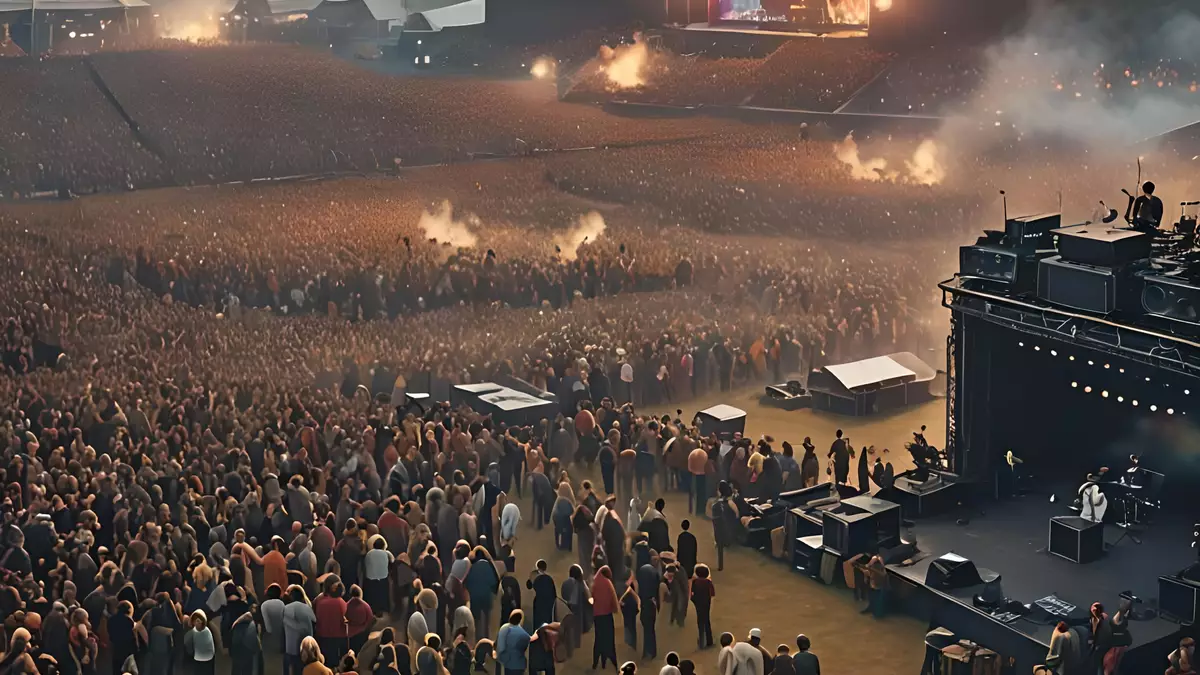
If you're seeing Eric Clapton's name flying around your feed again, you're not alone. Every time there's even a hint of new dates or a surprise appearance, the internet basically splits into two camps: the fans frantically checking flights, and the fans panicking that this might be the last chance to see him plug in a Strat live.
That anxiety feels real because Clapton himself has been open for years about slowing down, touring less, and choosing his moments carefully. So when buzz hits around new shows or festival slots, it doesn't feel like just another tour — it feels like a chapter marker in rock history.
Check the latest official Eric Clapton tour dates & tickets
Whether you grew up with Cream riffs, 90s MTV Clapton, or you discovered him through TikTok guitar edits of "Layla" and "Wonderful Tonight", the idea of seeing him in 2026 hits differently. This isn't just another heritage act recycling a greatest hits set. It's a legendary guitarist playing with full awareness that each run could be one of his last — and the fans know it too.
The Backstory: Breaking News in Detail
Here's what you need to know: Eric Clapton has gradually shifted from long global tours to carefully selected runs of dates, festivals, and residencies. In recent years, he's focused heavily on Europe and the UK, with strategically placed US shows that feel more like events than routine stops. The official tour page is the main source of fresh info, and whenever new dates appear there, fan forums light up instantly.
Why all the intensity around each announcement? First, age and health. Clapton has spoken in interviews about nerve issues and hearing problems that make long tours harder than they used to be. He's also been very clear that he doesn't want to be on the road nonstop anymore. That means every new run of dates looks like it could be the last full cycle in a certain region — especially in the US, where gaps between tours have gotten longer.
Second, there's the legacy angle. In recent years, Clapton’s setlists have leaned into eras that shaped rock and blues culture: Cream, Derek and the Dominos, his 70s solo catalog, and the radio staples that made him a cross-generational name. When fans see new touring activity or special concerts announced, they don't just ask where he’s playing — they ask what part of his story he’s choosing to highlight this time.
Music media in the US and UK have been circling the same question: is Clapton entering a final-phase live career where each year is about a handful of carefully chosen nights, or does he still have one more larger-scale run in him? Interviewers hint at it constantly — asking if he's thinking about retirement, if he has "one more record" or "one more big tour" to give. His answers tend to be cautious: he doesn't declare a farewell, but he also doesn't promise anything beyond what's on the books.
For fans, the immediate implication is simple: if he announces shows near you, there's no "I'll catch him next time" safety net. That's why presales are intense, why ticket threads on Reddit explode, and why even casual fans who loved "Tears in Heaven" or "Change the World" start thinking, "Wait, should I go?"
Another layer to the current buzz: the way Clapton’s catalog keeps resurfacing for younger listeners. Guitar YouTubers constantly break down his solos. TikTok clips repurpose "Layla" or "Wonderful Tonight" for soft-focus edits. Whenever new live dates or live videos drop, they act like a bridge between that online discovery and the reality that the guy behind those legendary licks is still onstage somewhere, right now, bending notes that shaped modern rock guitar.
Put all of that together and the current wave of attention around Eric Clapton isn't just nostalgia. It's a moment where his long arc — 60s blues clubs, 70s arenas, 90s unplugged ballads, and now selective live returns — feels like it might be approaching its final chapters, and fans are desperate not to miss their page in it.
The Setlist & Show: What to Expect
If you're wondering what an Eric Clapton show actually looks like in the mid-2020s, think less about pyrotechnics and giant LED walls, and more about musicianship that's so locked-in it doesn't need any of that. Recent setlists from his tours and festival appearances show a clear pattern: he's leaning into different eras of his career while keeping the core fan favorites very much alive.
Typically, you can expect the night to open with a straight-to-business electric tune — something like "Pretending" or "Key to the Highway" — that lets the band lock in and gives Clapton space to warm up his solos. From there, he usually cycles through the big touchstones: "I Shot the Sheriff" with its reggae groove stretched into long solos, "White Room" channeling his Cream days with those unmistakable riffs, and of course some form of "Layla."
The interesting twist is how he's been flipping between full electric and semi-acoustic sections. Recent shows have featured an unplugged-style mid-set block, where songs like "Tears in Heaven," "Nobody Knows You When You're Down and Out," or "Layla" in its famous acoustic arrangement get the spotlight. For fans who discovered him through the iconic "MTV Unplugged" era, this feels like a direct callback — a live recreation of one of the most important acoustic albums of the 90s.
Also, Clapton doesn't treat the blues as a side dish; it's the spine of the show. Tracks like "Hoochie Coochie Man," "Crossroads," or "Stormy Monday" often make appearances, tying his sound back to B.B. King, Robert Johnson, and Muddy Waters. For younger guitar fans, this is where the night can be a quiet masterclass in phrasing, vibrato, and tone — the kind of playing that influenced pretty much every rock guitarist that followed.
Atmosphere-wise, the energy isn't like a modern pop stadium with confetti blasts every few minutes. It's more like a high-level jam where the crowd knows they're watching one of the last remaining giants from the 60s British blues boom. People still sing along to "Wonderful Tonight" like it's a wedding first dance, and the emotional weight of "Tears in Heaven" lands differently when you remember the story behind it. By the time he hits the closing stretch — often with "Cocaine," "Layla" (electric or acoustic), and a blues-heavy encore — you get the sense of an artist aware of his own mythology, but still more interested in playing than in posing.
Setlist nerds will notice that he doesn't radically reinvent his shows night to night in the way some jam bands do. The backbone stays pretty consistent, with some rotation at the edges. That's actually a plus if you're planning to travel for a show: you can look at the most recent setlists and have a fairly good idea of what you're going to get emotionally — when the big sing-alongs will hit, when the extended solos land, when the acoustic section might bring the whole arena into hushed silence.
One underrated element: the band. Clapton consistently surrounds himself with world-class players — keyboardists who can color every chord change, drummers who understand space as much as power, and backing vocalists who lift tracks like "Badge" or "Wonderful Tonight" into full-on anthems. The show might be marketed under his name, but the actual onstage experience feels like watching a tight, seasoned ensemble where the frontman just happens to be one of the most famous guitarists alive.
What the web is saying:
Rumor Mill: What Fans Are Speculating
In true internet fashion, the conversation around Eric Clapton in 2026 isn't just about confirmed dates — it's about every possibility fans can dream up. Reddit threads in r/music and rock-focused subs are full of theories every time someone spots a hint: a studio selfie with another legend, an offhand comment in an interview, a mysterious "special guest" tease on a festival poster.
One recurring rumor: that Clapton is quietly piecing together what could function as a final "major" tour loop through the US and Europe, focusing on cities with deep history in his career — think London, New York, Los Angeles, maybe some Southern US dates that align with his blues influences. Fans point to his age, his selective schedule, and the way older songs keep getting fresh attention online as fuel for this theory. No official farewell branding has appeared, but that hasn't stopped fans from calling every new batch of dates "probably the last time."
Another hot topic: collaborations. Any time Clapton is seen onstage or in photos near other guitar heroes or high-profile younger artists, speculation goes wild. Could there be a surprise guest run with another classic rocker? Will he bring younger blues or Americana artists on as support to hand the torch publicly? Fans love to pair him up with everyone from John Mayer and Gary Clark Jr. to modern bedroom guitar heroes who grew up dissecting his solos on YouTube.
Ticket talk is its own mini drama. As with almost every legacy act, you see two parallel narratives online: people who say, "These prices are brutal, but I can't miss this," and people who check out the cost and decide to live through livestreams and YouTube uploads instead. Dynamic pricing and VIP packages fuel a lot of frustration, especially for younger fans who discovered him through streaming but don't have arena money. At the same time, there's a counter-argument: you're watching someone with six decades of history, and the show is built to reflect that.
On TikTok and Instagram Reels, a different vibe shows up. There, clips of Clapton’s live solos, his "Unplugged" tracks, and even grainy Cream-era footage get soundtracked over aesthetic edits, from night drives to breakups. Every time tours or special concerts are mentioned, a wave of comments appears: "My dad played this in the car," "Didn't know this was Eric Clapton, this song is crazy," "Wait, he's still touring?" That generational discovery loop feeds speculation that he might lean into a more reflective setlist or even consider a career-spanning documentary or concert film to lock in his story for the streaming era.
There's also debate about whether he'll focus more on blues-specific events and festivals rather than mainstream rock touring. Some fans want deep blues sets in intimate theaters; others want full arena runs with the biggest hits. The rumor mill basically splits along those desires: one side predicting cozy, purist blues rooms, the other dreaming of one last massive "Clapton and Friends" blowout with surprise guests, retrospectives, and a setlist that digs deep into his entire discography.
For now, the only solid ground is what ends up publicly listed on the official tour page. Everything else — the "final tour" theories, the collab wishes, the venue guesses — lives in comment sections and group chats. But even those rumors say something important: people still care enough to imagine what his next move could be.
Key Dates & Facts at a Glance
| Type | Detail | Why It Matters |
|---|---|---|
| Official Tour Info | ericclapton.com/tour | Central hub for confirmed dates, venues, and ticket links. |
| Core Catalog Era | 1960s–1970s (Yardbirds, Cream, Derek and the Dominos, early solo) | Source of many live staples like "Layla," "White Room," and "Crossroads." |
| Iconic Acoustic Era | Early 1990s ("Unplugged" album period) | Responsible for acoustic "Layla" and "Tears in Heaven," both still live essentials. |
| Typical Show Structure | Electric opening, mid-set acoustic block, blues-driven finale | Helps fans predict the emotional "arc" of a concert night. |
| Generational Reach | 60+ years of recording and touring history | Explains the multi-age crowds: teens, parents, and grandparents in one arena. |
| Fan Hotspots Online | YouTube, Reddit, TikTok, Instagram | Where live clips, setlist breakdowns, and tour rumors spread first. |
FAQ: Everything You Need to Know About Eric Clapton
Who is Eric Clapton, in 2026 terms?
If you strip away the legend status for a second, Eric Clapton in 2026 is a veteran guitarist and songwriter who's choosing his moments rather than grinding out endless tours. He's the connective tissue between 60s British blues explosions, 70s arena rock, 80s pop crossovers, and 90s acoustic introspection. He’s not a nostalgia act in the sense of just recreating old moves, but he is very aware that people come to his shows to hear songs that have lived in their lives for decades.
He's also one of the last still-active guitar icons from that original generation who can walk onstage, plug in, and play tracks that shaped the way rock guitar sounds — not as a tribute, but as the person who helped define it.
What kind of songs does Eric Clapton actually play live right now?
Expect a heavy rotation of era-defining tracks with some blues standards threaded through. On a typical recent setlist, you'd usually find:
- "Layla" – sometimes in its electric form, sometimes in the acoustic "Unplugged" arrangement.
- "Tears in Heaven" – part of the quieter mid-set acoustic section.
- "Wonderful Tonight" – a slow-burn crowd favorite that has turned into a generational love song.
- "I Shot the Sheriff" – stretching out its reggae pulse into extended solos.
- "Crossroads" and other blues tracks – tying everything back to his roots.
- "Cocaine" – often used as a high-energy closer or near-closer.
Beyond those pillars, songs from Cream, Derek and the Dominos, and his 70s solo albums usually fill out the night. If you're hoping for heavy representation of deep cuts from specific albums, it varies show to show, but the "big ones" almost always show up.
Where does Eric Clapton tend to tour these days?
Clapton's touring footprint in recent years has been focused on:
- UK and Europe – London and major European cities often get multi-night runs or special concerts.
- United States – selected cities, often tied to arenas or notable venues with history.
- Festivals and special events – blues and guitar-focused festivals, benefit concerts, and curated "friends" events.
He doesn't blanket every country or secondary city the way some global pop acts do. That means you might need to travel to a larger hub city to catch him. The safest way to track this is the official tour page, which updates with new shows rather than announcing massive world tours years in advance.
When should you expect new dates or announcements?
There isn’t a fixed annual calendar where Clapton drops a full year of shows in one go. Instead, announcements tend to come in waves: a string of dates in a particular region, a headline festival, or a cluster of shows that form a mini-tour. Music sites, fan forums, and social feeds usually pick up on these within minutes, but the source of truth is still the official site.
Seasonally, it's common to see activity aimed at spring and early summer, or late summer into early autumn — classic touring windows for outdoor venues and arena schedules. If you're trying to anticipate, those are the periods fans watch most closely.
Why is everyone calling every tour "possibly the last"?
This is where emotion and reality collide. Clapton has openly talked about the physical strain of touring at his age, mentioning hearing issues and nerve pain. He doesn't always frame a run as a "farewell," but he's also said he doesn't plan on being on the road forever. That uncertainty is enough for fans to treat each run as potentially final for their city or country.
The result: every time new dates appear, social feeds fill up with people saying "I can't miss this," even if he never personally brands it as a goodbye. It's less about a marketing tagline and more about fans reading between the lines of age, health, and a shifting touring pattern.
How do tickets usually work — and are they worth the price?
Like most high-demand legacy artists, tickets for Eric Clapton shows can be expensive, especially for prime seats or VIP experiences. Standard arena pricing applies: higher tiers for lower bowl and floor, more affordable options up in the rafters. Dynamic pricing and reseller markups can push hot dates even higher.
Whether they're "worth it" depends on what you’re chasing. If you want a night of huge rock production, fireworks, and choreography, that's not what this is. But if you care about guitar tone, live musicianship, and being in the same room as someone whose playing is wired into the DNA of rock and blues, many fans walk away feeling like they checked off a once-in-a-lifetime box.
One tip: don't underestimate the nosebleeds. Because the show is so music-focused, you don't necessarily need to be on the rail to get the full experience. A good sound mix in an arena can still carry the emotion all the way to the cheap seats.
Why does Eric Clapton still matter to younger listeners?
Even if you never bought a CD with his face on the cover, you've felt his influence. That guitar tone on classic rock radio? The way soloists blend blues scales with rock energy? Clapton is one of the players who helped cement that sound. Guitar YouTubers still break down his phrasing. Young producers and indie artists sample or reference his hooks. His acoustic arrangements, especially from "Unplugged," have basically become a blueprint for how to strip a rock song down to its emotional core.
On top of that, streaming has flattened eras. You can go from a 2020s bedroom pop track to a 1960s Cream song with one tap. When "Layla" shows up in movie scenes or "Wonderful Tonight" sneaks into a playlist, it doesn't feel like "old people music" anymore — it just feels like a strong song. That's how a new wave of listeners ends up suddenly curious about the guy still standing center stage with a Strat, decades after those tracks were first recorded.


