Equinor stock trades steadily as offshore earnings and energy transition spending shape investor focus
Published on 07/26/2026 at 13:46 | Editorial responsibility: Rafael Müller, Editor-in-Chief AD HOC NEWS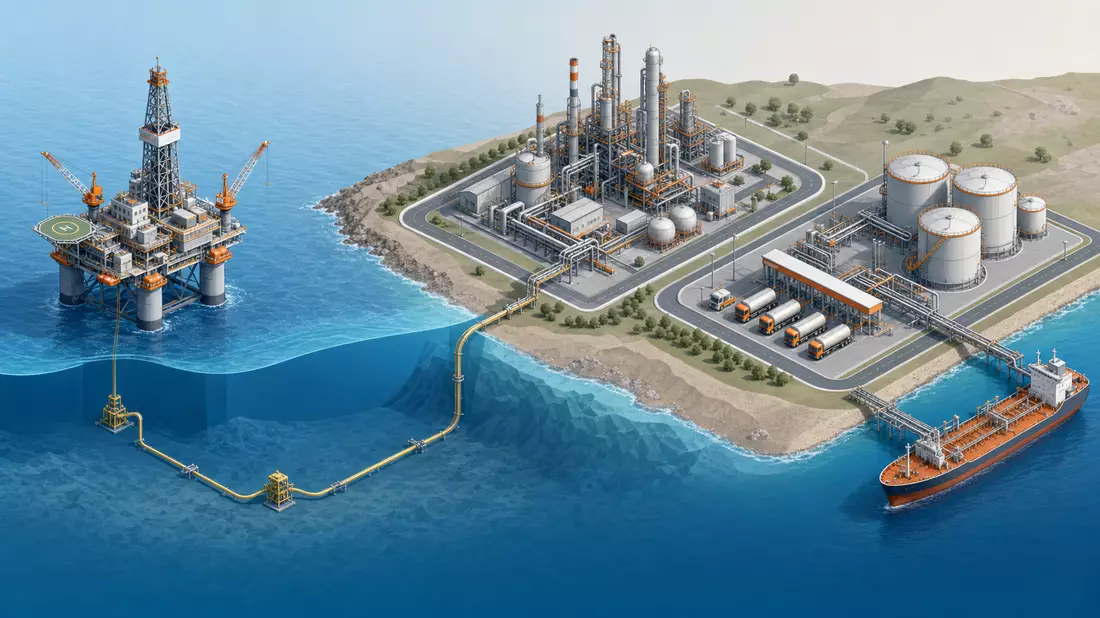
Equinor stock, tied to the Norwegian energy group Equinor ASA (ISIN NO0010096985), continues to mirror the companys mix of mature offshore cash flows and growing investment in lower-carbon projects, with recent quarterly figures and capital spending plans giving investors a detailed view of earnings power and transition costs.
Offshore earnings anchor Equinor cash flows
Equinor ASA generates the bulk of its cash flow from offshore oil and gas production on the Norwegian Continental Shelf, where large fields and established infrastructure underpin stable volumes and margins over time. In its latest available annual reporting context, Equinor has historically reported robust upstream earnings from these operations, with offshore segments driving a substantial share of operating income and supporting dividend capacity.
Across recent years, Equinor has positioned itself as a leading international offshore operator, combining conventional oil and gas fields with participation in exploration and development projects in regions such as the North Sea, the Norwegian Sea, and the Barents Sea. This upstream footprint has given the company exposure to global commodity pricing while allowing it to leverage Norway-based expertise in harsh-environment operations, deepwater project execution, and subsea technology to sustain production efficiency and cost control.
Equinor upstream operations historically include a portfolio of operated and partner-managed fields, with production measured in barrels of oil equivalent per day and backed by long-lived reserves and ongoing development projects. Over rolling 12-month periods, the company tracks reserve replacement, lifting costs per barrel, and operating cash flow to demonstrate the ability of its upstream business to fund capital expenditure and shareholder distributions even as energy markets fluctuate.
Revenue and profit trends in recent reporting periods
In recent reporting cycles, Equinor has disclosed substantial annual revenues measured in billions of US dollars or Norwegian kroner, reflecting both strong commodity price environments and sizeable production volumes from its offshore assets. These annual revenue figures typically capture contributions from upstream oil and gas, midstream infrastructure, marketing and trading activities, and the growing renewables segment. Historically, the companys revenues are compared across fiscal years to highlight the impact of price swings, volume changes, and portfolio adjustments on top-line trends.
Equinor earnings statements also emphasize operating income and net income as key measures of profitability. Over multiple quarters, the company has recorded significant operating income supported by upstream margins, while net income figures are shaped by taxes, depreciation, and financial items. When comparing one fiscal year to the prior year, Equinor often reports percentage changes in net income to show how factors such as price realizations, cost discipline, and impairment charges influence bottom-line results.
Equinor guidance and outlook sections of its investor materials typically focus on expected production levels, planned capital expenditures, and projected cash flow under various price assumptions. This allows analysts and investors to gauge whether the companys planned spending on maintenance, new projects, and transition-related investments is aligned with anticipated cash generation from its core oil and gas business. Over time, the evolution of these metrics indicates how Equinor balances growth, resilience, and energy-transition commitments.
More on Equinor fundamentals
Investors can find detailed revenue, earnings, cash flow, and capital spending metrics in Equinor ASA official investor-information materials.
Energy transition investments reshape Equinor portfolio
Beyond traditional oil and gas, Equinor has been expanding its investment in lower-carbon and renewable energy projects, including offshore wind and other initiatives that support decarbonization. Over recent years, capital expenditure budgets have increasingly allocated funds to renewables and low-carbon solutions, indicating a gradual but meaningful shift in portfolio composition. These allocations are tracked in company reporting as part of total capital spending, with management outlining targeted returns and risk profiles for such projects.
Equinor participation in offshore wind projects, for instance, uses the companys offshore engineering capabilities and supply-chain relationships to pursue new sources of long-term cash flow. These projects often have multi-year construction timelines and long-dated contracts or regulatory frameworks, which influence both near-term capital outflows and future revenue streams. In investor presentations, Equinor typically compares expected returns on these projects versus its more traditional upstream investments to illustrate how its overall portfolio may evolve.
The companys energy-transition narrative also includes initiatives related to carbon capture and storage, hydrogen, and other technologies designed to reduce emissions intensity in its operations and value chains. These efforts can involve partnerships with other industrial companies, public entities, or financial investors, and are often highlighted in sustainability and climate-related disclosures alongside financial metrics. For investors, this creates a more complex picture in which the timing of cash flows and the risk profile of new projects must be weighed against Equinor established earnings base.
Representative product and business line
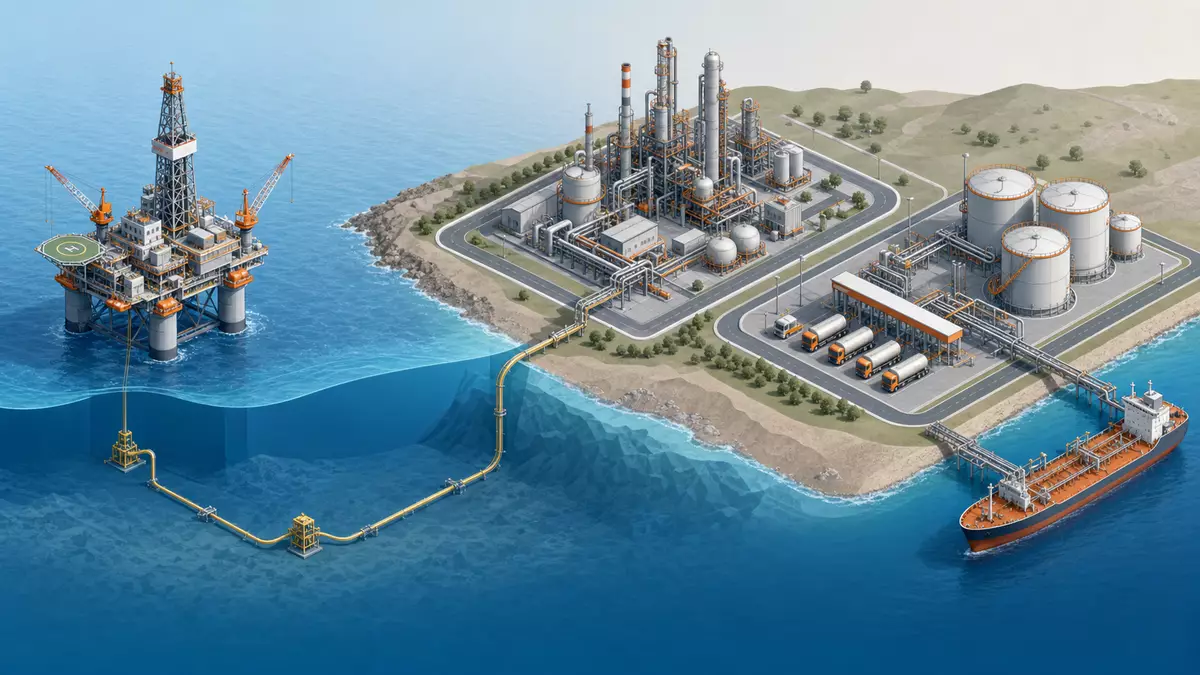
A representative business line for Equinor is its offshore oil and gas production from major Norwegian fields, which supply crude oil and natural gas to European and global markets. This upstream activity provides the core volumes that underpin Equinor revenue and cash flow, and has historically delivered significant production measured in barrels of oil equivalent per day. The performance of these fields, including their production profiles, cost structures, and maintenance schedules, directly influences the companys ability to fund dividends and investment in both conventional and renewable projects.
Equinor stock and market context
Equinor stock is listed in Norway and reflects investor expectations about future oil and gas prices, production levels, capital spending, and the pace of energy-transition investments. The share price incorporates views on the sustainability of cash flows from the Norwegian Continental Shelf, the profitability of international projects, and the potential for value creation from emerging renewables. Over time, movements in Equinor stock will be influenced by reported quarterly and annual earnings, guidance updates, and changes in strategic emphasis between fossil-fuel activities and lower-carbon businesses.
Equinor ASA key data
- Company: Equinor ASA
- ISIN: NO0010096985
- Ticker: OSE: EQNR
- Trading venue: Oslo Stock Exchange
- Sector / Industry: Energy / Oil and Gas
- Index membership: OBX Index
Disclaimer regarding our articles: No investment advice, no buy or sell recommendation. Information on prices, companies, and markets is provided without guarantee; changes are possible at any time. Stock market transactions can lead to substantial losses. Our articles are created and reviewed in whole or in part automatically with the support of AI.