Epiroc stock trades steady as mining equipment margins and order intake support valuation
Veröffentlicht: 18.07.2026 um 03:08 Uhr, Redaktion AD HOC NEWS, Redaktionelle Verantwortung: Rafael Müller (Chefredaktion)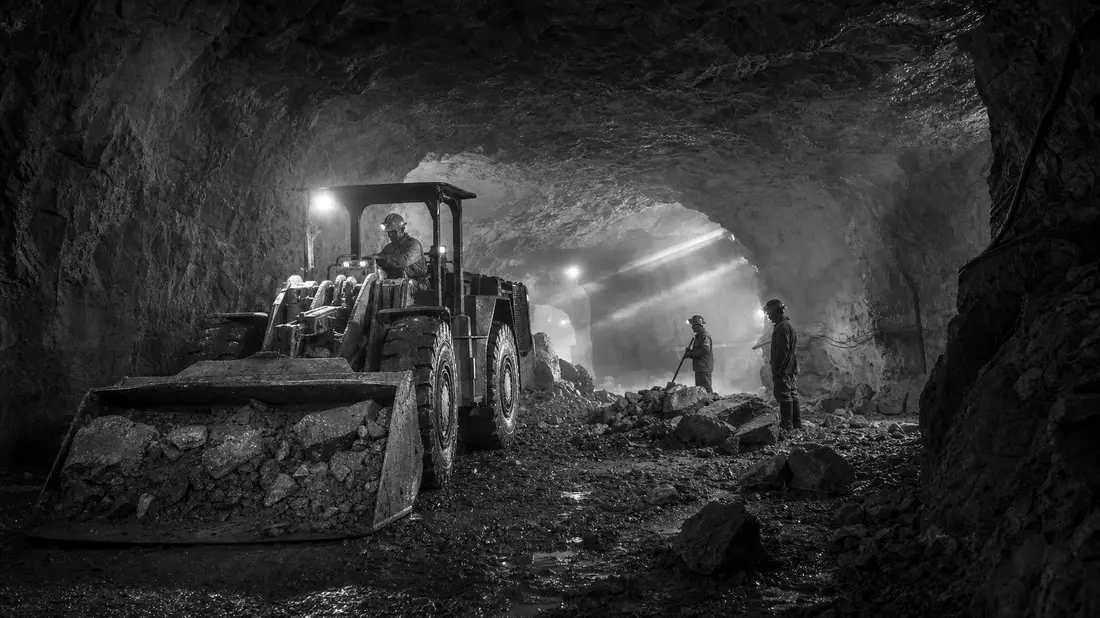
Epiroc AB (ISIN SE0015658109) is a Swedish mining and infrastructure equipment group whose Epiroc stock is closely watched by investors for clues about global resource investment and project activity. The company designs, manufactures, and services equipment used in underground and surface mining, tunneling, and related construction applications, and its earnings profile is shaped by both capital equipment cycles and a growing share of aftermarket services tied to its installed base.
In recent reporting periods, Epiroc has emphasized the importance of maintaining healthy operating margins while navigating currency movements, input costs, and mix effects between original equipment sales and higher-margin service and consumables business. Investors tracking Epiroc stock therefore pay particular attention to metrics such as operating profit, adjusted EBITA, order intake, and the ratio of services to total revenue, as these figures help gauge the sustainability of cash flows across different stages of the mining cycle.
Revenue trends and mining cycle exposure
Epiroc’s revenue structure reflects its positioning as a supplier to both new mine developments and existing operations. The company typically reports consolidated revenues composed of two main segments: Equipment and Service. The Equipment segment includes items such as drill rigs, loaders, trucks, and rock drilling tools for underground and surface mining, while the Service segment encompasses maintenance, repairs, spare parts, consumables, and performance contracts that generate recurring income tied to the installed base.
In recent years, Epiroc’s revenue growth has been supported by continued investment in mining projects, particularly for commodities such as copper, iron ore, gold, and battery metals, where long-term demand is underpinned by electrification, infrastructure development, and energy transition themes. Revenue levels across the Equipment segment tend to be more cyclical, rising with periods of expanded capital expenditure by mining companies and moderating when resource producers focus on balance-sheet discipline or cost cutting. By contrast, Service revenues are typically more resilient, benefitting from ongoing maintenance and operations even when new project approvals slow.
The relative balance between these segments matters for Epiroc stock because a higher share of Service revenues generally supports more stable margins and cash generation. Investors therefore watch for both the stated revenue figures per segment and the year-on-year percentage changes, seeking evidence that the company is shifting its portfolio toward more predictable service-oriented business while still benefiting from cycles in new equipment demand. Over multi-year horizons, such trends contribute to how the market values Epiroc in relation to peers in the mining equipment and industrial machinery space.
Order intake and backlog as visibility indicators
Order intake is another key metric for understanding the trajectory of Epiroc’s business, particularly for Epiroc stock holders who view backlog as a proxy for future revenue. New orders for drill rigs, underground loaders, trucks, and automation solutions signal the willingness of mining and infrastructure clients to commit capital, while service orders provide insight into the ongoing utilization of existing equipment. As a result, investors monitor whether order intake rises or falls versus prior periods, whether the change is driven by equipment or service, and how these orders translate into a backlog that can support upcoming quarters’ revenues.
In periods when commodity prices have been relatively supportive, Epiroc has typically reported healthy order intake, reflecting confidence among miners in their long-term project economics. When commodity price volatility increases or macroeconomic uncertainty rises, equipment orders may decelerate, but service orders often remain steadier, aligning with the need to maintain operations even in more cautious environments. This pattern is important for Epiroc stock because strong backlog and stable service orders can offset the impact of any short-term pullback in new equipment demand, thereby moderating the earnings cycle.
From a portfolio perspective, investors frequently compare Epiroc’s order intake trends with indicators from major mining companies, such as announcements of new projects, expansions, or capex budgets. The alignment of Epiroc’s backlog with broader mining sector developments helps confirm whether the company is positioned to capture incremental demand or whether competitive dynamics and regional exposure may influence its share of project wins. These comparisons contribute to a view on whether the stock’s valuation appropriately reflects future revenue visibility.
Margin dynamics and cost control
Margin performance is central to how Epiroc stock is valued, because it illustrates the company’s ability to convert revenue into operating profit and free cash flow. Epiroc’s management typically articulates margin goals for segments such as Equipment and Service, aiming to preserve profitability through pricing discipline, cost efficiencies, and engineering improvements. When reporting results, the company often highlights operating profit margin or adjusted EBITA margin, and investors compare these figures against prior years and peers to judge operational effectiveness.
Margins in the Equipment segment can be influenced by factors such as product mix, volume levels, and pricing conditions in competitive tenders. For instance, a bigger share of high-end automated drill rigs or battery-electric vehicles may support better margins, whereas aggressive pricing on large fleet orders could compress margins even if revenues rise. In the Service segment, margins are typically supported by higher-value maintenance contracts, spare parts, and consumables, particularly when Epiroc can leverage its installed base and proprietary technology. As a result, investors viewing Epiroc stock often prefer a revenue mix that emphasizes services and aftermarket support, as this tends to align with stronger and more stable margin performance.
Cost control also plays a role, including efficiencies in manufacturing, logistics, and procurement, as well as investments in digital tools that optimize service delivery and fleet performance. Management may highlight programs aimed at reducing overhead or improving factory utilization, and these initiatives can contribute to incremental margin improvement over time. Analysts and investors, in turn, examine margin trends over several reporting periods to determine whether such efforts are bearing fruit and whether the company can maintain profitability through cycles in equipment demand.
Cash flow, capital allocation, and balance sheet
Beyond revenue and margins, Epiroc stock is influenced by cash flow generation and capital allocation decisions. The company’s ability to generate free cash flow from operations informs its capacity to fund dividends, share buybacks, and strategic investments such as acquisitions or R&D. In recent years, Epiroc has focused on maintaining a solid balance sheet, with net debt levels and leverage metrics monitored closely by investors who value financial flexibility in an industry exposed to commodity cycles.
Dividend policy is an important consideration for shareholders. Epiroc has typically signaled a desire to distribute a portion of earnings via dividends, balancing shareholder returns with reinvestment needs. The level of the dividend, its growth over time, and the payout ratio in relation to net income are all metrics that influence the attractiveness of Epiroc stock for income-oriented investors. An established track record of consistent dividends can support the stock’s appeal, particularly in a sector where project cycles and capex can be volatile.
Acquisitions, particularly in areas such as digital solutions, automation, and specialized service offerings, also factor into capital allocation. When Epiroc acquires complementary businesses that enhance its technology or geographic reach, investors assess whether the deals are accretive and strategically aligned with the group’s long-term vision. The integration of acquired companies, and how their revenues and margins contribute to group performance, plays into overall valuation and expectations for future growth.
Technology, automation, and sustainability
Epiroc’s strategic positioning increasingly revolves around technology and automation in mining and infrastructure operations. The company develops systems that enable remote control, autonomous drilling, and data-driven optimization of equipment performance. These solutions aim to improve safety, productivity, and energy efficiency, aligning with broader industry trends toward more sustainable and efficient resource extraction. For Epiroc stock, the growth of automation and digital offerings represents a potential source of differentiated value compared with more traditional equipment providers.
Sustainability themes also shape demand for Epiroc’s products. Mining companies face pressure to reduce emissions, improve worker safety, and minimize environmental impact, and equipment choices can contribute to these goals. Epiroc’s work on battery-electric vehicles for underground mining, for example, addresses the challenge of diesel emissions and ventilation costs, while its optimization tools help reduce energy use and improve resource recovery. Investors who factor environmental, social, and governance (ESG) considerations into their decisions may view such initiatives as supportive of Epiroc stock’s long-term attractiveness.
Partnerships with major mining companies and technology providers can further enhance Epiroc’s innovation capabilities. Collaborative projects that test new automation platforms or electrified equipment in real-world operations provide proof points for the scalability of these solutions. As the company reports on the uptake of its advanced technologies, investors interpret the pace of adoption as a signal of how quickly new revenue streams could grow and how effectively Epiroc is positioned in the evolving mining ecosystem.
Competitive landscape and peer comparisons
Epiroc operates in a competitive landscape that includes other global suppliers of mining and construction equipment. Peer companies may have overlapping product ranges, regional strengths, or differing strategies in automation and service. Investors evaluating Epiroc stock often compare metrics such as revenue growth, operating margins, return on capital, and order backlog with those of peers to judge relative performance. Such comparisons can influence whether the market assigns a valuation premium or discount to Epiroc in relation to competitors.
Differences in geographic exposure also matter. Epiroc’s presence across regions such as Europe, the Americas, Africa, and Asia-Pacific means that its performance can be affected by regional mining investment cycles, regulatory environments, and currency movements. When one region experiences stronger project activity or regulatory support for resource development, Epiroc may benefit through increased orders and service opportunities. Conversely, political or economic disruptions in a region could weigh on demand. Investors therefore regard regional diversification as a partial hedge against localized risks, but they still pay attention to management commentary regarding regional developments.
Over time, peer comparison can also highlight areas where Epiroc may need to strengthen its capabilities, whether in particular product categories, digital offerings, or sustainability credentials. Analysts track how the company’s investment priorities align with shifts in industry demand, and they adjust models and valuations accordingly. For the stock, these assessments feed into consensus expectations and ratings that influence investor behavior and trading patterns.
Valuation considerations and investor sentiment
Valuation for Epiroc stock is typically framed in terms of multiples such as price-to-earnings, enterprise value to EBIT or EBITDA, and price-to-cash-flow, alongside assessments of dividend yield and growth prospects. Investors weigh these metrics against the company’s exposure to long-term mining trends, its margin profile, and the stability provided by service revenues. Markets may reward Epiroc with higher valuation multiples when visibility on demand is strong and when margins and cash flows appear resilient, whereas periods of uncertainty or project delays can lead to more cautious valuations.
Investor sentiment is also influenced by macro factors such as global commodity prices, economic growth expectations, and interest rates. Rising commodity prices can fuel optimism about mining investment, enhancing expectations for Epiroc’s order intake and revenues. Conversely, sharp declines in metals prices or concerns about global growth can prompt investors to reassess the pace of new project approvals, potentially affecting sentiment around mining-related equipment stocks. In addition, changes in interest rates can alter the relative attractiveness of dividend-paying industrials, shaping portfolio allocations among institutional and retail investors.
Communications from Epiroc’s management, including outlook statements, guidance ranges, and commentary on demand conditions, play a role in shaping expectations. When management emphasizes stable demand for services, a solid backlog, and manageable cost pressures, investors may view the stock as relatively resilient in the face of macro volatility. If guidance points to a more cautious outlook or highlights specific regional or commodity-related risks, sentiment can adjust accordingly. Over time, the consistency between guidance and actual reported results contributes to trust in management, which is another intangible factor influencing how the market values Epiroc stock.
Product spotlight: underground drilling and loading solutions
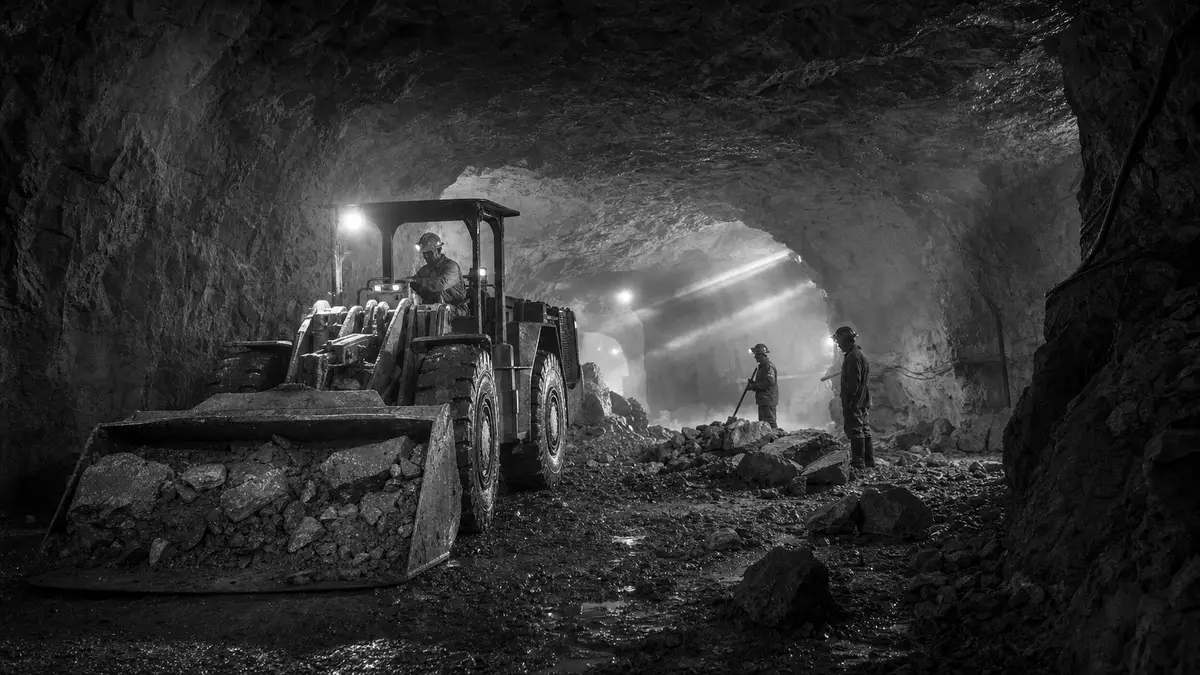
Among Epiroc’s wide product range, underground drilling and loading solutions stand out as representative of the company’s capabilities. These systems include drill rigs designed for tunneling and underground mining, as well as loaders and trucks built to operate in challenging environments with constraints on space, ventilation, and safety. The performance of such equipment directly affects productivity and reliability for mining operations, making it central to Epiroc’s value proposition.
Advanced features often include automation-ready control systems, compatibility with remote operation platforms, and integration with digital monitoring tools that track equipment health, utilization, and performance parameters. By offering systems that can be upgraded with automation or connected to data platforms, Epiroc supports customers seeking to improve productivity and safety while reducing downtime and energy consumption. As adoption of such equipment rises, Epiroc’s installed base expands, and the potential for recurring service revenue grows, reinforcing the importance of these products to the overall business.
Epiroc stock and trading venue context
Epiroc stock is listed in Sweden, giving investors access to a company that is both regionally rooted and globally active in the mining and infrastructure equipment markets. The stock’s trading patterns reflect a combination of domestic and international interest, with liquidity supported by institutional holdings and index inclusion in relevant benchmarks. Over time, the share price trajectory will depend on the interplay between reported financial metrics, industry demand, currency movements, and broader macroeconomic trends.
For investors considering Epiroc within diversified portfolios, the stock may serve as an exposure to long-term resource and infrastructure themes, complimenting holdings in mining companies or other industrials linked to capital expenditure cycles. Because Epiroc’s revenue mix includes both cyclical equipment sales and more stable service income, its performance can offer a nuanced reflection of mining sector health and maintenance spending. As the company continues to focus on technology, sustainability, and service growth, the investment narrative around Epiroc stock will likely evolve alongside shifts in resource markets and industrial automation trends.
Key facts on Epiroc
- Company: Epiroc AB
- ISIN: SE0015658109
- Sector / Industry: Capital goods / Mining equipment
- Index membership: Swedish large-cap and industrial indices
Disclaimer zu unseren Artikeln: Keine Anlageberatung, keine Kauf oder Verkaufsempfehlung. Angaben zu Kursen, Unternehmen und Märkten ohne Gewähr; Änderungen jederzeit möglich. Börsengeschäfte können zu hohen Verlusten führen. Unsere Beiträge werden ganz oder teilweise automatisiert mit Unterstützung von AI erstellt und geprüft.