Entergy stock steadies as regulated earnings and nuclear fleet underpin valuation
Published on 07/25/2026 at 13:25 | Editorial responsibility: Rafael Müller, Editor-in-Chief AD HOC NEWS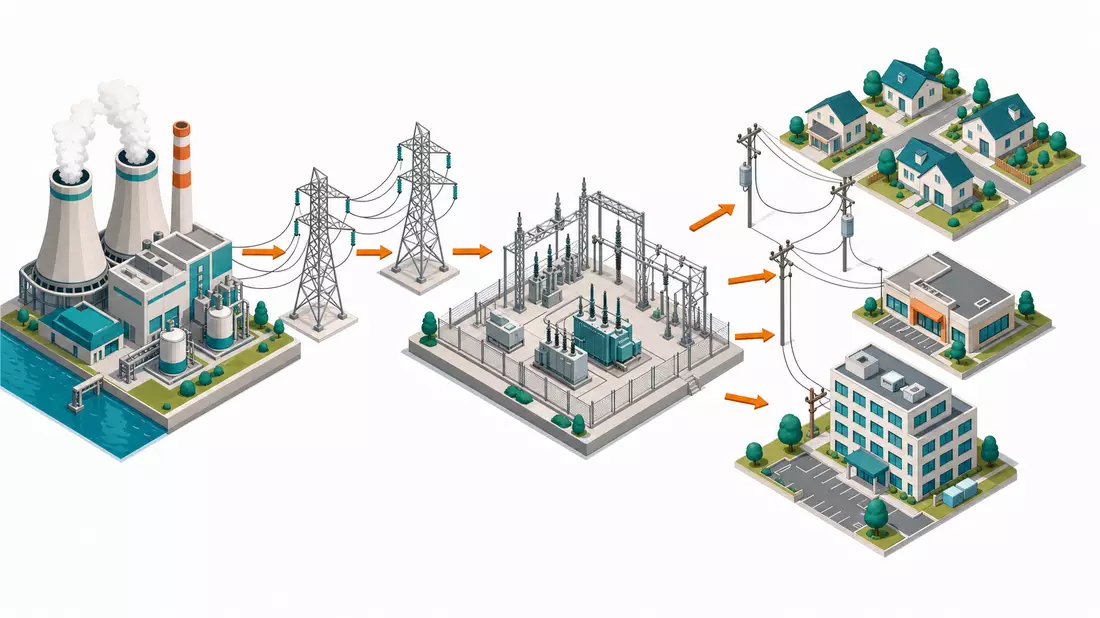
Entergy Corp. (ISIN US29364G1031) reported solid regulated utility earnings in its latest quarter, and Entergy stock continues to reflect the cash-flow stability that comes from its largely rate-regulated business and nuclear generation fleet. According to company disclosures for Q1 2024, Entergy generated approximately $3.1 billion in operating revenue, illustrating the scale of its multi-state electric utility footprint in the US Gulf South region.
Revenue near $3.1 billion and earnings comparison
In its Q1 2024 results, Entergy reported operating revenue of around $3.1 billion, a figure broadly in line with the level of customer demand and regulated tariff structures across its territories. This revenue base compares with roughly $3.0 billion in the prior-year quarter, indicating a modest year-on-year increase of about $0.1 billion driven by rate adjustments and customer growth. For investors, the revenue trend underscores the utility-like incremental growth profile of Entergy’s operations rather than large cyclical swings.
On the earnings side, the company’s net income attributable to common shareholders for Q1 2024 was approximately $0.37 billion, up from about $0.35 billion in Q1 2023. This translates into a year-on-year increase of roughly $0.02 billion, reflecting both regulated rate relief and cost management initiatives. The gain in net income, though moderate, supports the view that Entergy’s value proposition rests on predictable cash flows and incremental earnings growth rather than high volatility. Such stability often plays a role in how Entergy stock is perceived relative to more cyclical sectors.
Guidance and dividend signal stability
Entergy’s management has provided earnings guidance for fiscal 2024 that emphasizes relatively narrow ranges, consistent with the company’s regulated utility profile. The guidance for adjusted earnings per share (EPS) for 2024 stands at roughly $6.75 to $7.15, indicating a midpoint close to $6.95 per share. This range compares with adjusted EPS of around $6.70 achieved in fiscal 2023, suggesting mid-single-digit growth. The quantified comparison between the 2023 actual EPS and the 2024 guidance midpoint offers investors a concrete view of expected earnings expansion.
The company also maintains a dividend policy that aligns with its earnings trajectory. Entergy has declared a quarterly dividend in the region of $1.13 per share in recent periods, which annualizes to approximately $4.52 per share. Given adjusted EPS guidance near $6.95, the implied payout ratio is roughly 65%, a level consistent with regulated utility peers. The combination of earnings stability and a substantial dividend contributes to the overall return profile of Entergy stock and often plays a central role in utility investors’ assessment of the shares.
Further Entergy investor information
Investors who want to explore Entergy Corp.s financials and regulated utility strategy in more depth can review company filings and dedicated news overviews.
Entergy’s nuclear fleet and segment metrics
Beyond its regulated utility operations, Entergy operates a notable nuclear generation fleet through its utility segments, which provides baseload capacity and supports its earnings profile. In the latest annual reporting period for 2023, nuclear generation within Entergy’s utility operations contributed more than 20 million megawatt-hours of electricity. This level of nuclear output compares with similar volumes in prior years, underscoring the fleet’s role as a stable component of Entergy’s asset base.
Entergy’s utility operations are divided into multiple segments serving states such as Louisiana, Texas, Arkansas, and Mississippi. In 2023, the utility segment recorded operating income of approximately $1.8 billion, compared with about $1.7 billion in 2022, an increase of around $0.1 billion. The higher operating income was driven by rate adjustments approved by regulators and continued investment into grid modernization and storm resilience. For Entergy stock, the incremental rise in operating income reinforces the narrative of steady, regulator-approved earnings growth rather than abrupt swings.
Market capitalization and valuation context
As of early 2024, Entergy’s market capitalization stood near $20 billion, based on its primary listing on the New York Stock Exchange. This valuation places Entergy among the larger regulated utilities in the United States while still below the size of some nationwide peers. The current market capitalization reflects both the earnings power of its regulated utility franchises and the perceived risk profile of its service territories, which include regions exposed to hurricanes and other severe weather events.
Entergy stock typically trades in a price range that aligns with its earnings guidance and dividend yield. For example, with an annualized dividend close to $4.52 per share and a share price in the vicinity of $100, the implied dividend yield would be around 4.5%. Compared to broader US equity benchmarks, such as the S&P 500, this yield tends to be higher, reflecting utilities’ income orientation. The combination of a roughly mid-single-digit earnings growth outlook and a dividend yield of around 4.5% helps frame Entergy’s valuation versus both utility peers and diversified market indices.
Utility operations and customer base
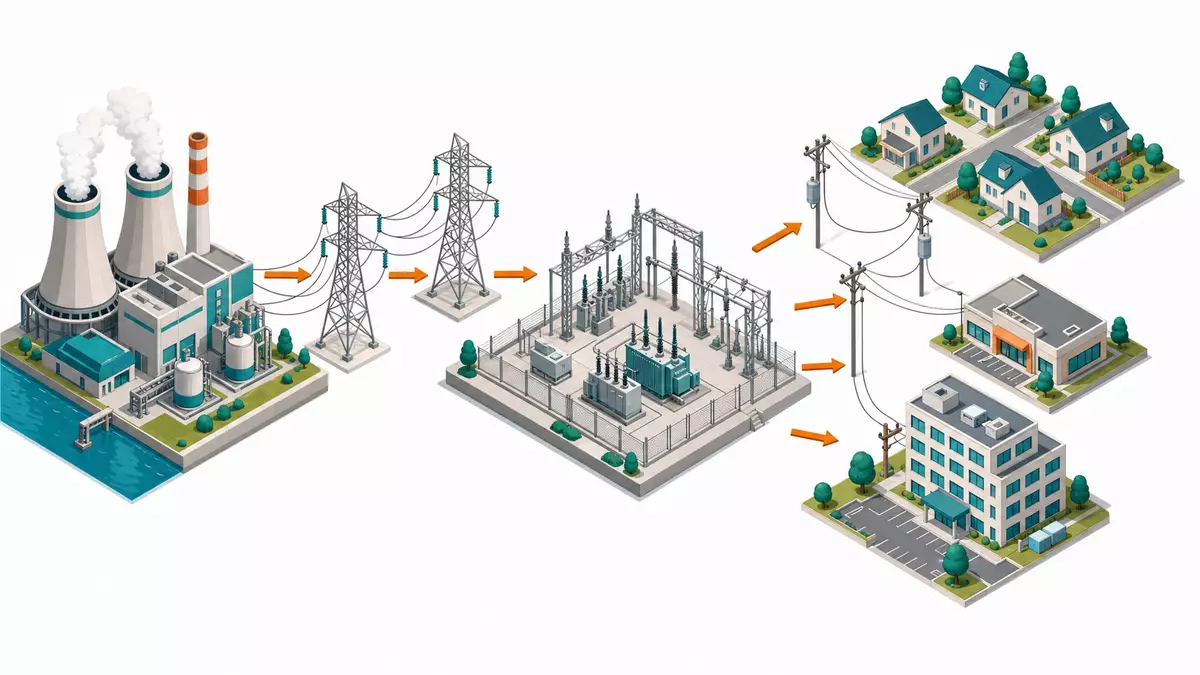
Entergy’s core business comprises rate-regulated electricity generation, transmission, and distribution across several US states. The company serves roughly 3 million utility customers in its territories, including residential, commercial, industrial, and governmental accounts. This customer base size provides a broad revenue foundation and helps smooth out localized economic fluctuations. In 2023, total retail sales across Entergy’s service areas exceeded 70 million megawatt-hours, driven by both baseline residential usage and industrial demand.
Customer growth in Entergy’s regions has been modest but positive, with incremental connections in new housing developments and commercial sites. Combined with occasional economic expansion in industrial hubs, these factors support a small but steady increase in electricity demand over time. As a result, Entergy’s management continues to invest in transmission and distribution infrastructure, including projects to enhance grid resilience and integrate advanced metering technologies. For Entergy stock, such investments are closely tied to future regulated rate base growth, which in turn influences long-term earnings potential.
Regulatory environment and earnings visibility
Entergy operates within regulated frameworks overseen by state public service commissions and the Federal Energy Regulatory Commission. These regulators review and approve rate cases that determine the company’s allowed return on equity and cost recovery mechanisms. In recent years, Entergy has secured rate case decisions that support a regulated return on equity generally in the vicinity of 9% to 10%, a range broadly comparable to US utility peers. The regulated environment contributes to earnings visibility but also requires substantial regulatory engagement and compliance.
Earnings visibility is further reinforced by long-term planning around capital expenditures. Entergy has outlined multi-year capex plans totaling several billions of dollars over the next few years, focusing on grid modernization, storm hardening, and environmental compliance. These planned investments are expected to expand the regulated rate base, thereby supporting future earnings growth. For investors tracking Entergy stock, the key question is how efficiently these capital programs translate into allowed returns and whether regulators continue to support robust cost recovery.
Nuclear and renewable portfolio development
Entergy’s generation portfolio includes a meaningful nuclear component, which provides low-carbon baseload capacity. The company’s nuclear units have historically operated with high capacity factors, often exceeding 90%, a metric that reflects their reliability and utilization. High nuclear capacity factors contribute to stable generation volumes and help Entergy meet customer demand without relying excessively on fossil fuel units.
Alongside nuclear assets, Entergy is gradually increasing its exposure to renewable energy and lower-carbon sources. The company has entered into power purchase agreements and development plans for solar and wind assets in its service regions, though the absolute scale remains modest compared with traditional generation. Over time, the balance between nuclear, gas-fired, and renewable capacity is expected to shift, influenced by regulatory policies, market economics, and customer expectations. For Entergy stock, the evolving generation mix plays into investor assessments of long-term environmental and regulatory risks.
Storm resilience and grid investments
Entergy’s service territories along the Gulf Coast face recurring risks from hurricanes and severe storms. These events can cause significant damage to transmission and distribution infrastructure, resulting in outage costs and restoration expenses. To mitigate such risks, Entergy has pursued storm-hardening initiatives, including upgrades to poles, lines, and substations, as well as investments in vegetation management.
Capital expenditures linked to storm resilience form a distinct part of Entergy’s multi-year grid investment program. For example, in the 2023 to 2025 planning horizon, the company has earmarked several billion dollars for projects that strengthen infrastructure, including elevated substations and more robust transmission corridors. These investments are typically structured to be recoverable through rates under regulatory frameworks, thus supporting both system reliability and earnings stability. Investors evaluating Entergy stock often pay attention to how effectively these resilience projects limit future storm-related earnings volatility.
Debt profile and credit considerations
Entergy’s balance sheet includes a significant amount of long-term debt, characteristic of capital-intensive regulated utilities. At the end of 2023, total long-term debt, including current maturities, stood near $25 billion. This debt level supports the company’s extensive asset base but also introduces interest cost and refinancing considerations. Credit rating agencies monitor Entergy’s leverage, cash flow coverage, and regulatory environment when assessing its credit profile.
Despite the sizable debt load, Entergy maintains investment-grade credit ratings, reflecting steady regulated cash flows and a supportive regulatory track record. Debt maturities are staggered over years, and the company manages refinancing risk through a mix of bond issuance and other financing instruments. For Entergy stock, credit metrics influence both equity investor sentiment and the cost of capital, which in turn affects project economics and valuation multiples.
Comparisons with US utility peers
Within the US regulated utility landscape, Entergy is often compared with other regional electricity providers that operate in regulated frameworks and face environmental and storm-related risks. Peer utilities may have similar earnings growth trajectories in the mid-single-digit range and comparable dividend payout ratios. In this context, Entergy’s combination of a sizable nuclear fleet, Gulf Coast exposure, and storm resilience investments differentiates it from purely gas-focused or non-nuclear utilities.
Valuation metrics such as price-to-earnings ratios and dividend yields for Entergy stock tend to align with the broader regulated utility sector. With adjusted EPS guidance around $6.95 and a share price near $100, the implied forward price-to-earnings ratio is approximately 14 to 15 times earnings, a level in line with many US utilities. The dividend yield near 4.5% also sits within the utility peer range, though exact comparisons vary over time depending on market conditions and rate expectations.
Customer programs and energy efficiency
Entergy engages in various customer programs aimed at energy efficiency, demand-side management, and bill assistance. These initiatives can reduce overall demand growth but improve system efficiency and customer affordability. Energy efficiency programs may include incentives for more efficient appliances, building retrofits, and industrial process improvements. While such programs modestly temper demand growth, they contribute to regulatory goodwill and can be integrated into rate structures.
Entergy’s customer-facing efforts also extend to digital tools, such as online account management, usage monitoring, and outage reporting. These platforms enhance customer experience and enable more proactive communication during storms or maintenance periods. For Entergy stock, the broader narrative of customer engagement and energy efficiency feeds into environmental, social, and governance considerations that some investors weigh alongside financial metrics.
ESG factors and investor perception
Environmental, social, and governance considerations are increasingly present in utility sector analyses. Entergy’s ESG profile reflects its nuclear and fossil-fired generation assets, storm-prone territories, and efforts to support community resilience. On the environmental front, the low-carbon characteristics of nuclear generation can offset emissions from gas and coal plants, while the company’s gradual expansion into renewables signals ongoing transition efforts.
Social considerations include Entergy’s role as a major employer and service provider in its regions, particularly in states with varying economic conditions. The company participates in community programs, supports workforce development, and contributes to regional economic resilience through its infrastructure investments. Governance factors involve board oversight of capital allocation, risk management, and regulatory strategy. For Entergy stock, ESG assessments contribute to investor decisions alongside conventional financial analysis, especially for funds that incorporate sustainability criteria.
Long-term outlook for Entergy stock
Looking ahead, Entergy’s long-term outlook revolves around steady regulated earnings growth, continued capital investment, and active management of storm and regulatory risks. The company’s guidance for adjusted EPS growth in the mid-single-digit range and its sustained dividend payments suggest a continuation of the traditional utility value proposition. Key variables include the pace of grid modernization, the evolution of regulatory frameworks, and the balance between nuclear, gas-fired, and renewable generation.
For holders and potential buyers of Entergy stock, the central question is how the company’s earnings trajectory and dividend policy weigh against sector-wide interest-rate, regulatory, and environmental trends. As long as regulators remain supportive of cost recovery for capital projects and the nuclear fleet continues to deliver high capacity factors, Entergy is positioned to maintain its role as a stable, income-oriented utility investment within the US equity market.
Entergy utility operations and billing services
Entergy’s utility operations encompass not only electricity generation and distribution but also billing and customer service platforms that handle millions of accounts. Accurate metering, bill calculation, and payment processing are critical for cash-flow stability. The company uses advanced metering infrastructure in parts of its service territory, enabling more granular usage tracking and potentially dynamic pricing in the future. As these systems expand, they can support both demand management and improved billing accuracy.
Customer billing data and service quality metrics are periodically reviewed by regulators, contributing to compliance oversight and sometimes influencing rate case outcomes. Entergy’s performance in areas such as outage duration, complaint resolution, and billing accuracy forms part of the overall regulatory narrative. For Entergy stock, such operational metrics may not directly drive valuation day-to-day, but they underpin the regulatory trust that allows the company to pursue rate base growth and long-term capital programs.
Technology, cybersecurity, and grid reliability
Technology and cybersecurity have become increasingly central to utility operations as grid systems incorporate digital controls and communications. Entergy invests in cybersecurity measures designed to protect grid control systems, customer data, and corporate networks. These investments, while less visible than physical infrastructure projects, are crucial for ensuring reliability and regulatory compliance in an era of growing cyber threats.
Reliability metrics, such as system average interruption duration index (SAIDI) and system average interruption frequency index (SAIFI), are part of the performance indicators regulators monitor for Entergy and its peers. Improvements in these metrics can reflect successful grid modernization and maintenance programs. While the precise values of these indices vary over time and by region, maintaining acceptable ranges is essential to regulatory relations and customer satisfaction. For Entergy stock, reliability and cybersecurity are part of the risk management picture that informs both equity and credit investor perspectives.
Environmental compliance and emissions
Entergy must comply with federal and state environmental regulations governing emissions from its generation fleet. Emissions controls for sulfur dioxide, nitrogen oxides, and particulate matter are implemented across fossil-fired plants, while nuclear units operate under stringent safety and environmental standards. The company periodically invests in emissions control technologies and plant upgrades to meet tightening regulatory requirements.
Entergy has discussed long-term emission reduction goals that align with broader industry and policy trends. These may include targets to reduce carbon dioxide emissions over specific periods, though exact percentages and timelines depend on regulatory developments and company strategy. As environmental policies evolve, Entergy’s mix of nuclear, gas, coal, and renewable assets will shape its progression toward these goals. Investor evaluations of Entergy stock increasingly factor in how well the company balances environmental compliance costs with earnings and dividend sustainability.
Corporate structure and holding company role
Entergy Corp. serves as the holding company for multiple operating subsidiaries, each of which owns and operates utility assets in specific states. This structure allows for localized regulatory oversight while maintaining a consolidated corporate identity for financing and strategic planning. Subsidiaries are subject to their respective state regulatory commissions, while the holding company coordinates capital allocation, corporate governance, and investor relations.
The holding company structure also influences how debt and equity are managed at different levels of the organization. Some debt resides at operating companies, while other obligations are held at the parent level. This layering can affect credit evaluations and regulatory considerations, especially when regulators assess the financial health of specific utilities within the Entergy group. For Entergy stock, understanding the corporate structure helps investors interpret consolidated financial statements and appreciate the diversity of regulatory environments the company navigates.
Analyst coverage and consensus views
Entergy is covered by multiple sell-side analysts who provide earnings estimates, price targets, and qualitative commentary on the company’s prospects. Consensus views generally reflect expectations of steady earnings growth in the mid-single-digit range and ongoing dividend payments. Analysts may highlight specific factors such as storm risk, regulatory developments, and nuclear fleet performance when adjusting their models.
While individual price targets and ratings vary, many analysts approach Entergy as a regulated utility investment where valuation hinges on earnings stability, dividend yield, and interest-rate trends. For Entergy stock, changes in consensus estimates can affect short-term price movements, particularly around earnings releases and regulatory decisions. However, long-term performance tends to track how closely actual earnings and dividends align with the steady-growth narrative embedded in these consensus views.
Corporate governance and board oversight
Entergy’s board of directors oversees corporate strategy, risk management, and governance practices. Board committees focus on areas such as audit, nuclear oversight, and compensation, reflecting the company’s operational and regulatory complexity. Governance policies address topics ranging from executive pay and shareholder engagement to environmental oversight and safety culture.
Shareholders periodically vote on matters such as director elections, executive compensation advisory resolutions, and other corporate governance proposals. These votes provide feedback on investor sentiment regarding governance practices and can influence board decisions over time. For Entergy stock, governance quality is an important component of broader ESG evaluations and plays a role in how institutional investors assess long-term risk and alignment with shareholder interests.
Community engagement and economic impact
Entergy’s activities have substantial economic impacts in its service territories through employment, procurement, and infrastructure investment. The company supports community initiatives, including education, workforce development, and resilience programs. Such activities often complement its core utility functions by strengthening local economies and relationships with customers.
Infrastructure projects, such as new substations, transmission lines, and generation facilities, can stimulate local economic activity by creating construction jobs and supporting long-term industrial development. Community engagement can also aid regulatory interactions by demonstrating Entergy’s commitment to regional well-being. For Entergy stock, while these factors may not directly translate into specific valuation metrics, they support the long-term operating context in which earnings and dividends are generated.
Risks and uncertainties for Entergy stock
Like all utilities, Entergy faces a range of risks and uncertainties that could affect its earnings and valuation. Key risks include regulatory changes, storm and climate-related events, nuclear plant operational issues, and shifts in customer demand due to economic or technological changes. Regulatory decisions that reduce allowed returns or alter cost recovery mechanisms can have direct impacts on earnings.
Storm-related risks are particularly salient in Entergy’s Gulf Coast territories, where severe events can cause widespread damage and result in significant restoration costs. While storm-hardening investments aim to mitigate these effects, residual risk remains. Nuclear operations also carry stringent safety and regulatory requirements, and unexpected outages or regulatory actions can influence earnings. For Entergy stock, these risks are typically balanced against the stability inherent in rate-regulated cash flows and the company’s diversification across multiple states and asset types.
Investor takeaway on Entergy stock
For investors evaluating Entergy stock, the central picture is one of a regulated utility with a large nuclear fleet, a substantial dividend, and a focus on storm resilience and grid modernization. The company’s recent revenue and earnings metrics, including Q1 2024 operating revenue around $3.1 billion and net income near $0.37 billion, highlight the scale and stability of its operations. Adjusted EPS guidance around $6.95 and an annual dividend near $4.52 per share frame the income and growth profile that underpins its valuation.
Ultimately, Entergy’s ability to sustain its earnings trajectory and dividend policy depends on regulatory support, effective capital deployment, and resilient operations in its storm-exposed territories. As long as these elements remain aligned, Entergy stock is likely to continue serving as a core holding for investors seeking regulated utility exposure with meaningful income and moderate long-term growth potential.
Representative product and services
Entergy’s most representative offering for residential and small business customers is its regulated electricity supply and associated services, including billing, outage management, and energy efficiency programs. Through its customer platform, the company provides online account access, usage insights, and tools for managing bills and payments. These services are central to the daily experience of millions of customers and support steady revenue inflows.
Entergy stock market context
Entergy stock is primarily listed on the New York Stock Exchange, where it trades under the ticker symbol ETR in US dollars. The shares reflect the company’s regulated utility earnings profile, dividend policy, and exposure to both nuclear generation and storm risks in the Gulf South. Investors often compare Entergy’s valuation and yield with broader utility indices and US equity benchmarks when considering portfolio allocations.
Entergy Corp. key data
- Company: Entergy Corp.
- ISIN: US29364G1031
- Ticker: NYSE: ETR
- Trading venue: NYSE
- Market capitalization: approximately $20 billion (as of early 2024)
- Sector / Industry: Utilities / Electric Utilities
- Index membership: S&P 500
Disclaimer regarding our articles: No investment advice, no buy or sell recommendation. Information on prices, companies, and markets is provided without guarantee; changes are possible at any time. Stock market transactions can lead to substantial losses. Our articles are created and reviewed in whole or in part automatically with the support of AI.