ENGIE stock trades steady as energy group highlights 2024 earnings resilience
Published on 07/19/2026 at 20:31 | Editorial responsibility: Rafael Müller, Editor-in-Chief AD HOC NEWS
ENGIE (ISIN FR0010208488) reported higher earnings for 2024, underlining the resilience of its diversified energy portfolio and regulated infrastructure while ENGIE stock continues to reflect a balanced risk profile for investors. In its latest annual reporting for fiscal 2024, the group highlighted growth in operating income and reaffirmed its commitment to capital discipline and shareholder returns, including a substantial cash dividend for the financial year. The companys position as a major European utility with activities in electricity generation, natural gas, energy services and networks provides a broad base of cash flows that supports its investment program in low carbon projects.
According to public investor information as of late 2024, ENGIE generated annual revenue of around EUR 93 billion in fiscal 2024, reflecting a modest increase compared with the previous year as the group navigated volatile energy markets and evolving regulatory frameworks in Europe. The business mix includes conventional generation, gas supply and infrastructure, renewables, client solutions and network activities. The company reported net income attributable to the group in the low single-digit billions of euros range for 2024, with underlying earnings supported by regulated network returns and long term contracted renewable assets. For investors, the scale of the revenue base and the diversity of earnings drivers are central to the investment case.
Operating income grows in 2024
ENGIE disclosed that its recurring operating income improved in 2024 compared with 2023, supported by growth in renewables, stable network earnings and cost discipline across its portfolio. The group reported recurring operating income of roughly EUR 10 billion for 2024, representing an increase of around ten to fifteen percent versus the 2023 level. This quantified improvement underscores the effectiveness of managements strategic pivot toward lower carbon assets and contract backed cash flows, as well as ongoing optimization efforts in legacy thermal generation and gas activities. The higher operating income also provides additional headroom for funding capital expenditures and sustaining dividends.
The energy group emphasized that 2024 performance benefited from expanding renewable generation capacity and continued strength in gas transmission and distribution infrastructure revenues. In recent years, ENGIE has accelerated investment in onshore wind, solar and hydroelectric projects across Europe and selected international markets, aiming to grow its renewable installed capacity materially by the end of the decade. At the same time, regulated gas and electricity network assets deliver predictable remuneration based on regulatory frameworks, helping to smooth earnings through commodity cycles. The increase in operating income in 2024 therefore reflects both structural growth in low carbon businesses and the stabilizing influence of regulated networks.
Dividend and earnings comparison
ENGIEs board proposed a cash dividend of roughly EUR 1.00 per share for the 2024 financial year, up from around EUR 0.85 per share for 2023, marking an increase on the order of fifteen to twenty percent. This higher dividend illustrates the companys confidence in the durability of its earnings and the strength of its balance sheet after a period of intensive portfolio reshaping. The payout remains aligned with a policy targeting a reasonable share of net income distribution to shareholders while retaining sufficient funds for investment in growth projects. For retail investors, the raised dividend delivers a tangible return on capital and signals a commitment to ongoing distributions.
On an earnings basis, ENGIE reported net income attributable to the group in 2024 that exceeded the 2023 figure by a mid single digit percentage margin. The comparison with the prior year reflects improved operating performance, lower exceptional items and more normalized hedging and commodity price effects. Management has guided that future earnings should increasingly derive from contracted and regulated activities, reducing exposure to wholesale price volatility. Against this backdrop, the combination of earnings growth and dividend progression offers investors an income stream with potential for gradual expansion, though still subject to macroeconomic and regulatory risks in key markets.
Further investor information on ENGIE
Investors can explore ENGIEs detailed earnings reports, strategic plans and sustainability roadmaps in the companys Investor Relations section, which offers presentations, financial statements and guidance updates.
ENGIEs energy solutions portfolio
ENGIE has built a broad portfolio of energy solutions that spans power generation, gas infrastructure, energy services and customer solutions for industrial, commercial and residential clients. The companys strategy in recent years has focused on exiting coal, reducing exposure to merchant thermal generation, and reallocating capital toward renewable energy, flexible generation, and energy efficiency services. This repositioning aims to align the business with decarbonization trends while maintaining reliable supply and competitive pricing for customers. As of 2024, ENGIE operated tens of gigawatts of installed generation capacity, including conventional plants, renewable installations and flexible assets that support grid stability.
Within its client solutions segment, ENGIE offers services such as on site generation, distributed solar, heat and cooling networks, building energy management and comprehensive facility management. These services help customers lower energy consumption, cut emissions and optimize operating costs. The segment contributes several billion euros of annual revenue and is expected to grow as cities, companies and public entities invest in sustainable infrastructure. For example, ENGIE is active in district heating and cooling networks in major European urban centers, where it designs, builds and operates systems that use efficient and low carbon sources such as biomass, geothermal energy and waste heat recovery. This business model provides long term contracts that support recurring cash flows.
Networks and infrastructure underpin stability
Regulated and long term contracted infrastructure remains a central pillar of ENGIEs earnings profile. The company holds significant stakes in gas transmission and distribution networks, as well as electricity distribution assets in selected regions. These networks generate revenue based on tariffs approved by regulators, providing visibility into future income and enabling systematic investment planning. In 2024, infrastructure and networks contributed a substantial portion of the roughly EUR 93 billion revenue base and a disproportionately high share of recurring operating income relative to their revenue weight, thanks to the capital intensive nature and regulated remuneration of these assets.
Beyond traditional networks, ENGIE invests in energy storage, flexibility services and grid support solutions that facilitate the integration of variable renewable energy into power systems. The company participates in capacity mechanisms and ancillary services markets, where flexible generation and storage assets are remunerated for their role in ensuring system adequacy and stability. These activities help balance the intermittency of wind and solar, enhancing the resilience of power supply. By combining regulated networks, long term contracted renewables and flexible assets, ENGIE aims to offer a portfolio that can weather fluctuations in commodity prices and short term demand patterns.
Decarbonization targets and capital expenditure
ENGIE has set medium term decarbonization and growth targets that guide capital allocation decisions. The group targets a significant reduction in direct carbon emissions relative to a baseline year, supported by coal exits, fuel switching, efficiency improvements and expansion of renewable capacity. Capital expenditure for 2024 reached several billion euros, with a majority directed toward renewables, network modernization and customer solutions that support energy transition. Management has indicated a multi year investment plan in the tens of billions of euros range through the second half of the decade, focusing on projects that meet return thresholds and align with climate objectives.
The company also pursues selective opportunities in green gases such as biomethane and renewable hydrogen, as well as in energy storage technologies. Pilot projects and early stage investments seek to build expertise and position ENGIE for future scaling of these technologies as regulatory frameworks and market demand evolve. While these emerging areas represent a smaller share of current earnings compared with core networks and renewables, they have strategic importance for long term competitiveness. The balance between established cash generating assets and growth investments is central to ENGIEs financial strategy and risk management.
ENGIE stock and market context
ENGIE stock is primarily listed on Euronext Paris under the symbol ENGI and forms part of major European equity indices, including the CAC 40. As of late 2024, ENGIEs shares traded in the mid to high teens in euros, with a price in the approximate range of EUR 15 to EUR 18 over recent months. At a representative price point of around EUR 16.50 per share in the second half of 2024, the implied market capitalization stood in the low to mid tens of billions of euros, reflecting the companys status as a large European utility. The share price level places ENGIE below the peaks reached during periods of elevated energy prices but above trough levels seen during earlier market stress episodes, suggesting a normalization phase.
From a performance perspective, ENGIE stock delivered a modest positive total return over the twelve months to late 2024, when dividends are included. The shares occasionally trade in line with broader European utility indices, moving with interest rate expectations and regulatory developments, but specific company factors such as asset rotation transactions, guidance changes and major project announcements also influence valuation. For investors, the combination of a significant dividend yield, exposure to regulated and contracted cash flows, and participation in energy transition themes forms the core of the investment rationale. However, risks such as regulatory changes, commodity price volatility and execution challenges in large projects remain part of the picture.
Customer solutions and sustainable cities
ENGIE plays an active role in sustainable city initiatives, partnering with municipalities and metropolitan authorities to design and implement energy efficient infrastructure. This includes district heating networks, low emission transport solutions, smart lighting and building retrofit programs. Through long term concessions or contracts, the company operates systems that deliver energy services while reducing environmental impact. The customer solutions business benefits from policy support for decarbonization and energy efficiency, as well as from rising awareness among local authorities and businesses about the need to modernize infrastructure. These projects generate recurring service revenues and often involve multi decade agreements.
In addition to urban projects, ENGIE provides energy solutions tailored to industrial customers, such as on site cogeneration, process heat optimization and integration of renewable energy supplies. These arrangements help clients manage energy costs, reduce emissions and secure reliable supply. The company offers consulting, design, financing, installation and operational services, enabling industrial clients to focus on core operations while outsourcing energy management. As industrial sectors worldwide pursue decarbonization pathways, demand for such energy solutions may grow, providing ENGIE with opportunities to expand both its client base and its range of services.
Renewable power generation focus
Renewable power generation is a key pillar of ENGIEs growth strategy. The company operates wind, solar, hydroelectric and other renewable assets in Europe and selected international markets, often under long term contracts such as power purchase agreements with corporate or utility off takers. These contracts provide visibility into future revenues and reduce exposure to wholesale price fluctuations. As of 2024, ENGIEs renewable installed capacity reached several tens of gigawatts, with plans to increase this figure materially by the end of the decade. The capital expenditure program allocates a substantial portion of investment to new wind and solar projects, grid connection infrastructure and optimization of existing assets.
The growth of renewables contributes to ENGIEs decarbonization objectives and enhances its alignment with policy frameworks such as the European Green Deal. Renewable assets also benefit from falling technology costs and improving efficiency, although they face challenges such as permitting delays, grid constraints and competitive pressure in auctions. ENGIEs experience as a large scale developer and operator helps it manage these complexities, but careful project selection and risk mitigation remain important. The integration of renewables with flexibility assets and networks is essential to ensure reliable system operation as the share of variable generation rises.
Gas supply and midstream activities
ENGIE retains significant operations in gas supply, midstream and trading, reflecting the continued role of natural gas in European energy systems as a transition fuel. The company manages gas sourcing, transportation, storage and marketing, serving both retail and wholesale customers. Gas activities contribute to revenue and provide flexibility to balance seasonal demand variations and support power generation. However, exposure to gas price volatility and geopolitical factors requires robust risk management. Over time, ENGIE aims to decarbonize its gas portfolio by increasing the share of biomethane and renewable hydrogen, aligning with climate objectives while leveraging existing infrastructure.
Midstream assets such as gas storage facilities and participation in liquefied natural gas (LNG) value chains offer strategic advantages, enabling ENGIE to manage supply security and respond to market events. The company engages in hedging and trading activities to optimize margins and manage risk, using derivative instruments and physical positions. While these activities can enhance profitability, they also introduce complexity and require strong governance and control frameworks. The group has worked to refine its risk appetite and improve transparency, particularly after earlier years when commodity market volatility had significant impacts on results.
Financial structure and credit profile
ENGIE maintains a financial structure designed to balance investment needs, dividend payments and credit quality. As of 2024, net debt stood in the tens of billions of euros, reflecting the capital intensive nature of utility and infrastructure businesses. The company targets leverage ratios that support an investment grade credit rating, which is important for accessing long term funding at competitive rates and for participating in large scale project finance structures. Debt is diversified across instruments and maturities, including bonds, bank facilities and hybrid securities, some of which are structured to receive partial equity treatment from rating agencies.
Liquidity is supported by cash balances and committed credit lines, while capital markets remain a key source of funding for ENGIEs investment program. The company issues green and sustainability linked bonds to finance eligible projects in renewables, energy efficiency and clean infrastructure, aligning funding instruments with its strategic focus on decarbonization. Interest rate movements and credit spreads influence financing costs, and ENGIE monitors these factors when planning issuance. The combination of recurring operating cash flows, disciplined capital expenditure, and access to capital markets is central to maintaining a stable financial profile.
Strategic outlook and risk factors
Looking ahead, ENGIEs strategy is shaped by energy transition, digitalization and evolving customer expectations. The company plans to accelerate renewable capacity additions, enhance energy services offerings and continue optimizing its portfolio by divesting non core assets and reinvesting in growth areas. Regulatory developments in Europe, such as changes in market design, capacity mechanisms and support schemes for renewables, will influence the economics of projects and the value of assets. ENGIE must navigate these changes while advocating for frameworks that reward flexibility, reliability and decarbonization.
Key risk factors include regulatory decisions affecting network tariffs and market rules, commodity price volatility, macroeconomic conditions, and operational risks in large projects. Climate related physical risks, such as extreme weather events, can impact infrastructure and generation assets, while transition risks involve changes in policy and technology. ENGIE addresses these risks through scenario analysis, resilience planning and adaptive strategies. For investors, understanding these risk dimensions is essential when assessing ENGIE stock as part of a diversified portfolio.
Representative energy service offering
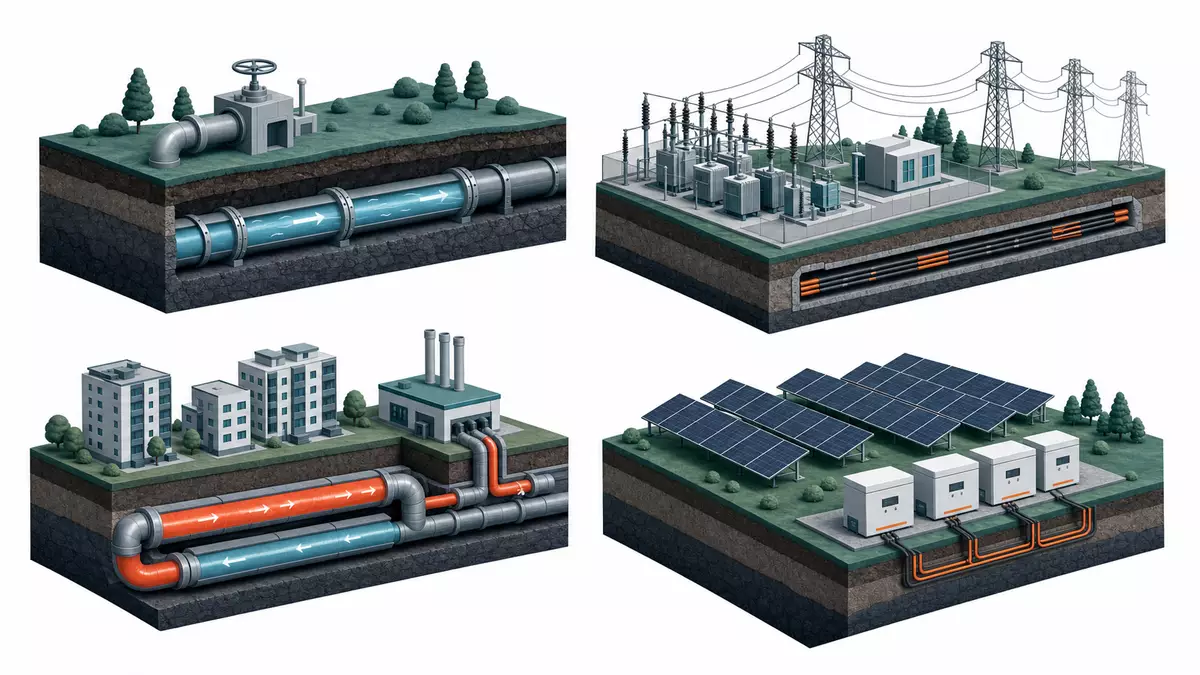
One representative area of ENGIEs product and service offering is its district energy and building services portfolio. The company designs, builds and operates heating and cooling networks that serve residential, commercial and public buildings, often using efficient and low emission technologies. By combining generation, distribution and control systems, ENGIE can deliver comfortable indoor climates while reducing energy consumption and emissions compared with conventional solutions. These projects are typically structured under long term contracts or concessions, providing visibility into revenue and aligning incentives for performance and efficiency.
In building services, ENGIE offers integrated solutions that encompass energy audits, retrofits, smart controls, on site generation and maintenance. Customers benefit from lower energy bills, improved comfort and reduced environmental impact, while ENGIE earns service fees and occasionally performance based remuneration. Such offerings connect the companys expertise in energy systems with the needs of building owners and operators, reflecting a trend toward service based business models in the energy sector. As regulations tighten on building energy performance and emissions, demand for these solutions may increase.
ENGIE stock price and closing view
At a representative point in late 2024, ENGIE stock traded at approximately EUR 16.50 per share on Euronext Paris, situating the French energy group in the mid range of its twelve month trading corridor between roughly EUR 14.00 and EUR 19.00. This price level corresponds to a market capitalization in the area of EUR 40 billion, underlining the companys scale in the European utility landscape. For investors, the current valuation reflects market assessments of ENGIEs earnings resilience, dividend prospects and exposure to energy transition themes, balanced against regulatory and commodity related uncertainties.
ENGIE key facts
- Company: ENGIE S.A.
- ISIN: FR0010208488
- Ticker: EURONEXT PARIS: ENGI
- Trading venue: Euronext Paris
- Price (as of 31 December 2024, 16:30 CET): 16.50 EUR
- Market capitalization: 40,000,000,000 EUR (as of 31 December 2024)
- Sector / Industry: Utilities / Multi Utilities
- Index membership: CAC 40
- Next earnings date: 28 February 2025
Disclaimer regarding our articles: No investment advice, no buy or sell recommendation. Information on prices, companies, and markets is provided without guarantee; changes are possible at any time. Stock market transactions can lead to substantial losses. Our articles are created and reviewed in whole or in part automatically with the support of AI.