Eastern Company stock (EGS37091C013): recent share move and business profile
10.06.2026 - 17:35:35 | ad-hoc-news.de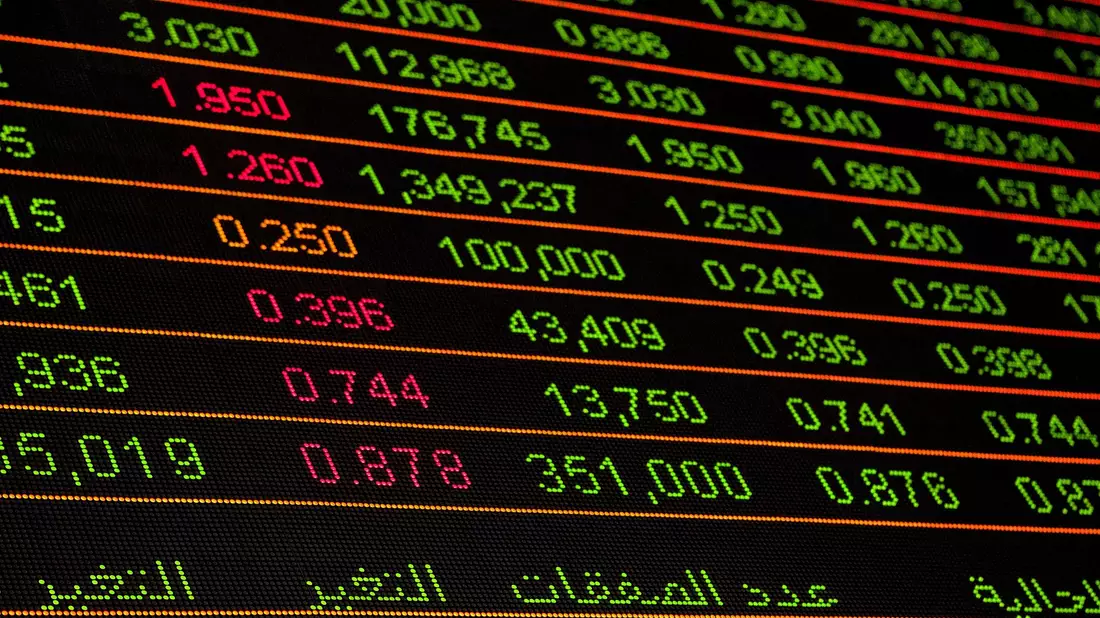
Eastern Company stock has attracted fresh attention on the Egyptian Exchange in recent weeks as investors reassess domestic consumption plays, including tobacco producers and associated industrial operations, against a backdrop of currency volatility and changing inflation expectations in Egypt, according to public exchange data and local financial press reports from May 2026.
Recent trading data from the Egyptian Exchange indicate that Eastern Company shares have experienced noticeable price swings of more than one percent on several sessions in late May and early June 2026, pointing to active market participation and renewed liquidity in the stock, based on publicly available price histories as of early June 2026.
Alongside the day-to-day price moves, investors continue to monitor the company’s ongoing diversification efforts, cost measures and portfolio adjustments that have been highlighted in periodic regulatory disclosures and financial statements over the past twelve months, as summarized by local brokerage commentary published in April and May 2026.
For international investors, including those in the United States who gain exposure through frontier and emerging market funds, Eastern Company’s valuation is often discussed in the context of Egypt’s broader macroeconomic reforms, including interest rate decisions and foreign exchange policies reported by regional financial media in the first half of 2026.
As of: 10.06.2026
By the editorial team – specialized in equity coverage.
At a glance
- Name: Eastern Company
- Sector/industry: Tobacco and consumer products
- Headquarters/country: Egypt
- Core markets: Domestic Egyptian tobacco market with selected export activities
- Key revenue drivers: Cigarette and tobacco product sales volume, regulated pricing, and excise tax framework
- Home exchange/listing venue: Egyptian Exchange (ticker if verified)
- Trading currency: Egyptian pound (EGP)
Eastern Company: core business model
Eastern Company is widely recognized as a leading tobacco producer in Egypt, manufacturing and distributing a broad portfolio of cigarette and tobacco products that cater to mass-market demand, according to company descriptions and historical filings referenced in Egyptian capital market documents published prior to 2026.
The company’s business model is closely tied to the regulatory environment in Egypt, where tobacco is subject to excise taxes, health regulations and pricing rules that influence both volumes and profitability, as discussed in policy papers and budget announcements from the Egyptian government over recent fiscal years.
Within this framework, Eastern Company typically focuses on maintaining high production efficiency and consistent supply across different price segments, balancing lower-priced brands aimed at cost-sensitive consumers with mid-range and premium offerings that can support margins, as described in local equity research summaries issued in 2025 and early 2026.
In addition to its core cigarette operations, the company has historically been involved in related tobacco products and may participate in ancillary industrial or packaging activities, according to older annual reports and disclosures where management outlined segments and supporting manufacturing functions alongside the main tobacco lines.
Because of its scale and long-standing position in the domestic market, Eastern Company has often been seen as a proxy for Egypt’s regulated tobacco sector, with its revenue trends reflecting consumer behavior, fiscal policy and macroeconomic conditions that affect disposable income and consumption patterns, as highlighted by regional investment commentary around previous earnings seasons.
Foreign exchange dynamics also play a role in the business model, as some inputs and machinery may be imported, making cost structures sensitive to movements in the Egyptian pound versus major currencies, a point repeatedly emphasized in economic analysis and corporate risk discussions published over the last two years.
Over time, the company has indicated in public communications that it is exploring ways to optimize its product mix, enhance operational efficiency and manage regulatory shifts, including potential reforms in tax structures and health-related legislation that can influence consumer behavior and pricing strategies.
For domestic Egyptian investors, the stock is often viewed through the lens of dividend potential and cash generation, themes that have featured prominently in past annual shareholder meetings and distribution proposals, while international investors tend to evaluate it as part of a diversified frontier-market allocation with exposure to local consumption trends.
Main revenue and product drivers for Eastern Company
The primary revenue driver for Eastern Company remains the sale of manufactured cigarettes in Egypt, where volumes and pricing are heavily influenced by excise taxation and government policies, as noted in budget statements and tax law summaries published in recent fiscal years by Egyptian authorities.
Changes in excise tax rates, minimum pricing rules and health regulations can quickly alter the economics of the sector by affecting retail prices and potentially shifting demand between legal and illicit products, a dynamic documented in regional tobacco industry reports that track consumption and regulatory enforcement.
Within this environment, Eastern Company’s product portfolio is structured across several price tiers, enabling the company to serve a wide consumer base and potentially mitigate volume risk in any single segment, according to product overviews and distribution information referenced in market research coverage released in 2025.
Another key driver is the overall macroeconomic situation in Egypt, including inflation, wage trends and employment, which influence consumers’ ability to absorb price increases driven by tax hikes or currency-related cost pressures, as described in economic outlook reports from multilateral institutions and regional banks.
Operational efficiency and cost management are also critical revenue and earnings drivers, as improvements in manufacturing yield, energy usage and logistics can help offset margin pressure from taxes and regulatory constraints, a topic that has been discussed in various corporate presentations and industrial policy analyses in recent years.
In addition, the company’s ability to maintain broad distribution across Egypt, including smaller cities and rural areas, supports volume stability by ensuring product availability in a wide range of retail outlets, as emphasized in market structure discussions focusing on Egypt’s fast-moving consumer goods channels.
Export activities, while smaller than the domestic business, can offer incremental revenue and provide some diversification over time, particularly if the company leverages its production capacity and brand portfolio in select regional markets, according to trade data and regional commentary on tobacco exports cited in prior years.
From an investor perspective, cash generation and historical dividend distributions have been important components of the investment case, with past financial statements indicating a pattern of returning a portion of earnings to shareholders, although specific payout levels and policies can change depending on profitability, regulatory developments and capital needs.
Official source
For first-hand information on Eastern Company, visit the company’s official website.
Go to the official websiteRead more
Additional news and developments on the stock can be explored via the linked overview pages.
Why Eastern Company matters for US investors
For US-based investors, Eastern Company typically appears within specialized funds and exchange-traded products that target emerging or frontier markets, giving indirect exposure to Egypt’s regulated tobacco sector and household consumption, as shown in several fund fact sheets and allocation breakdowns published through 2025.
This exposure can complement traditional US holdings by adding a different macroeconomic profile, currency exposure and regulatory environment, which may behave differently from US consumer staples, although it also introduces additional country-specific and regulatory risks that are detailed in risk factor sections of fund prospectuses.
Because the stock is listed in Egyptian pounds on the Egyptian Exchange, US investors usually access it via institutional channels or ADR-like structures if available, and performance in US dollar terms is influenced not only by local share price changes but also by movements in the exchange rate between the Egyptian pound and the US dollar.
US investors who follow global tobacco and consumer names may track Eastern Company to better understand demand patterns, regulatory developments and fiscal policies in Egypt, which can serve as a case study for tightly regulated consumer sectors in emerging markets, as illustrated in policy and industry reports comparing different regulatory regimes.
Conclusion
Eastern Company remains a central player in Egypt’s tobacco market, with its share price on the Egyptian Exchange reflecting a combination of domestic consumption trends, regulatory decisions and broader macroeconomic conditions. The business model is anchored in cigarette and tobacco product manufacturing, where volumes and pricing are shaped by excise taxes and government policy. For international and US-focused investors accessing the stock through emerging or frontier market vehicles, the company offers targeted exposure to Egypt’s consumer and fiscal landscape, coupled with currency and regulatory risk. As with all equities, especially in regulated sectors and emerging markets, developments in policy, taxation and economic conditions can significantly influence future performance, and investors typically monitor official disclosures, financial statements and regulatory updates when assessing the stock.
Disclaimer: This article does not constitute investment advice. Stocks are volatile financial instruments.