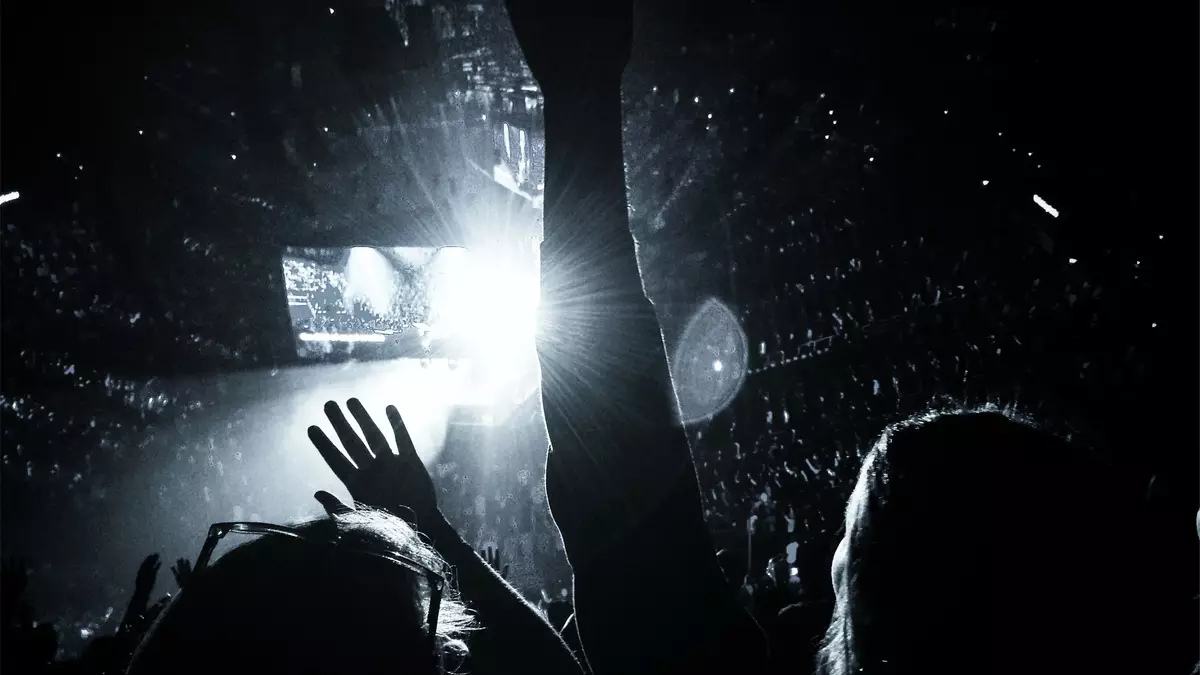
Eagles extend Long Goodbye tour with final US arena dates
Published on 06/01/2026 at 16:13 | Editorial responsibility: Rafael Müller, Editor-in-Chief AD HOC NEWS
The Eagles are not landing just yet. The Rock & Roll Hall of Famers have quietly extended their Long Goodbye farewell tour with a fresh slate of 2026 US arena dates, pushing the band’s long-running send-off into a third year and giving American fans more chances to see the classic-rock giants one last time on home turf.
What’s new: more 2026 Long Goodbye dates and why now
After launching the Long Goodbye in 2023 and adding waves of shows through 2024 and 2025, the Eagles have now confirmed additional US arena stops for 2026, keeping the tour’s focus squarely on American cities as demand remains strong. As of June 1, 2026, the band’s official tour hub lists new and updated dates in major US markets, signaling that the Long Goodbye has effectively become a multi-year residency on the road rather than a quick farewell lap.
According to Billboard, the Long Goodbye has ranked among the top-grossing North American tours of the past two years, with strong per-show averages driven by a deep catalog of hits, multi-generational audiences, and premium ticket tiers. Per Variety, the band has repeatedly extended the run in response to high demand, particularly in legacy classic-rock strongholds like Los Angeles, New York, and Dallas, where initial onsales sold briskly.
What makes the latest update notable is timing. The Eagles had initially framed Long Goodbye as a final tour with a defined runway, but the 2026 additions underscore how flexible that concept has become in the modern touring economy. As veteran acts from the Rolling Stones to Elton John have shown, “farewell” often means a lengthy, carefully managed phase of touring rather than a sharp cutoff, especially when box office numbers remain robust and fan appetite is far from exhausted.
How the extended tour is structured for US fans
The newly extended run continues the tour’s strategy of targeting US arenas and select marquee venues rather than attempting a sprawling global itinerary. As of June 1, 2026, the Eagles’ routing leans heavily into NBA- and NHL-sized arenas, favoring centrally located, climate-controlled rooms that allow consistent production values and reliable ticket demand across multiple nights when needed.
Per Rolling Stone’s coverage of the tour’s earlier legs, the band has favored two-night stands in major markets, with an emphasis on comfortable sightlines, strong sound reinforcement, and a sleek but not overly flashy stage design anchored by large video screens and warm, analog-leaning lighting. According to the Los Angeles Times, the Long Goodbye’s production aesthetic leans into nostalgia without sliding into retro kitsch, pairing archival visuals with contemporary live sound and high-resolution screens that keep the focus on the performers.
The 2026 shows are expected to retain the core framework: a two-set performance that stretches past two hours, covering radio-defining singles and deep cuts from across the band’s 1970s and 1980s output alongside later-era material. The continued presence of both Don Henley and Joe Walsh solidifies the Long Goodbye as a definitive last look at the band’s most recognizable live lineup in the post-Glenn Frey era, with Deacon Frey and Vince Gill still rounding out guitar and vocal duties.
While exact venue lists and seating configurations vary by city, the overall design remains tightly optimized for the US arena circuit, a world the Eagles have dominated for decades. Their choice to keep the Long Goodbye largely within American borders aligns with where their core touring business has historically been strongest and where legacy rock touring has remained remarkably resilient despite broader industry uncertainty.
Setlists: how the Eagles are framing their legacy
The extended Long Goodbye dates aren’t just about more nights on the road; they also extend a carefully curated narrative about the band’s own history. Earlier legs of the tour have leaned heavily on a career-spanning setlist that functions almost like a live documentary, tracing the band’s evolution from California country-rock upstarts to architects of radio-dominating soft rock and FM giants.
According to Variety’s review of the tour’s initial arena runs, the Eagles have consistently anchored the show around pillars like “Hotel California,” “Take It Easy,” “One of These Nights,” “Life in the Fast Lane,” and “Desperado,” while finding space for fan-favorite deep cuts and solo material from Henley and Walsh. Per Rolling Stone, the setlists have subtly evolved from city to city, with surprise inclusions of less frequently performed tracks and occasional rearrangements meant to keep the pacing fresh.
For 2026, fans can reasonably expect the core hits to remain in place, given how crucial they are to the band’s identity and to the expectations of a farewell tour audience. Multi-generational crowds — parents who grew up on 1970s FM radio, younger fans who discovered the band through classic-rock playlists, and everyone in between — rely on those touchstone songs as emotional anchors. The extended run therefore doubles as a rolling, city-by-city reaffirmation of the band’s place in US rock history.
At the same time, the Eagles have historically shown willingness to adjust for context. When notable anniversaries or local connections line up — for instance, playing Southern California dates that echo the geography of their earliest recordings — the band has been known to highlight songs whose lyrics and imagery are especially tied to place. That dynamic may continue in 2026, particularly as the Long Goodbye returns to markets with deep Eagles history.
Tickets, prices, and how to plan for 2026 shows
The economics of a veteran arena tour in 2026 are a crucial part of the story. As of June 1, 2026, ticket availability and pricing for new Eagles dates vary widely by city, venue, and seat location, with the familiar tiering that now defines major-artist touring: standard reserved seats, mid-tier options, and high-priced VIP and premium packages.
Per Billboard’s touring and box office data, earlier Long Goodbye legs have seen strong demand in US markets, especially for lower-bowl and floor seats, with many primary allocations selling fast and secondary-market prices rising correspondingly. According to Pollstar’s industry reporting, the Eagles’ combination of legacy status, relatively limited touring frequency over the past two decades, and a clearly framed “farewell” narrative has sustained premium pricing while still filling arenas across multiple nights.
For fans looking ahead to 2026, the best strategy remains proactive: monitor presale announcements tied to credit card partners or promoter programs, pay close attention to official onsale times, and consider weeknight shows or secondary markets for better seat availability. With an act as established as the Eagles, mid-size markets can sometimes offer a more relaxed buying experience and less intense competition than coastal majors, even though the core show remains essentially identical.
Crucially, the Eagles’ camp has emphasized that all official tour details and ticket links should be accessed through Eagles's official website or the major national promoters that typically handle US arena routing. This is consistent with broader industry advice to avoid informal resellers and ensure that barcodes and digital tickets are legitimate. As of June 1, 2026, the tour’s extended run makes it likely that additional on-sales, upgrades, and limited-view seat releases will continue to appear as production holds are released in each market.
How Long Goodbye fits into the modern farewell-tour era
The Eagles’ decision to extend Long Goodbye through 2026 places them squarely within a wider trend of elongated farewell tours in classic rock. According to The New York Times’ coverage of legacy acts on the road, artists like Elton John, Kiss, and the Rolling Stones have all redefined what “farewell” means, often turning an initial exit announcement into a multi-year global run that can evolve into a soft rebranding rather than a hard stop.
Per Variety, the Eagles occupy an especially significant place in that landscape because of their particular impact on American rock and pop radio. The band’s catalog, stretching from early 1970s country-rock to late 1970s and early 1980s soft-rock blockbusters, has remained a staple on US classic-rock and adult contemporary formats, ensuring intergenerational recognition that underpins their continued touring power. The Long Goodbye, in this light, functions as both a business decision and a cultural ritual, offering fans a structured moment to say goodbye while also extending the band’s presence in the live ecosystem.
For US audiences, there is an additional layer: the Eagles’ music is deeply intertwined with modern conceptions of the American West, open-road mythology, and the soft-focus version of 1970s Los Angeles. Songs like “Take It Easy” and “Hotel California” have become shorthand for a specific American mood, one that resonates across decades. A long farewell tour in American arenas effectively turns that mood into an itinerant museum exhibit, traveling from city to city and inviting audiences to inhabit it for an evening.
Industry observers have also noted that extended farewell tours can act as a stabilizing force in the live-music economy, particularly in years when younger headliners are still growing into stadium or arena headlining roles. According to Billboard’s year-end touring analysis, veteran acts like the Eagles provide promoters and venues with reliable, high-demand nights that anchor schedules and balance risk across seasons. In 2026, as the touring landscape continues to reckon with shifting fan behavior and economic pressures, the Eagles’ extended run offers a form of continuity.
Impact on rock, pop, and the US live scene
Beyond ticket sales and tour routing, the Eagles’ extended Long Goodbye has broader implications for rock and pop culture in the United States. The band’s origins in the early 1970s California scene positioned them at the crossroads of country, folk, and rock; their evolution into one of the best-selling American bands of all time helped codify a smooth, radio-ready style that would heavily influence soft rock and adult contemporary formats for decades.
According to the RIAA, the Eagles have sold tens of millions of albums in the US, with their “Their Greatest Hits (1971–1975)” compilation long recognized as one of the country’s all-time best-selling albums. Per Rolling Stone, the band’s blend of tight vocal harmonies, storytelling lyrics, and guitar-driven arrangements created a blueprint for countless later artists, from country-rock revivalists to pop songwriters borrowing the group’s melodic sensibilities.
In the live realm, the Eagles’ continued ability to fill arenas at scale underscores the enduring appeal of 1970s rock as a live commodity. Legacy acts remain a crucial component of the US concert business, and the Long Goodbye’s expanded schedule serves as a case study in how to sustain that appeal without oversaturating markets. By emphasizing high production standards, predictable setlist anchors, and clear storytelling around the idea of a farewell, the band has turned their final tour into a rolling cultural event rather than a simple series of gigs.
The ripple effects extend to younger acts as well. Modern country and Americana artists often cite the Eagles as an influence, and the visibility of a major farewell tour can spark renewed fan interest in that lineage. Streaming spikes around tour dates, back-catalog rediscovery, and renewed critical attention all contribute to a broader ecosystem in which the band’s legacy continues to shape new music even as they wind down their own touring days.
Where to find more Eagles coverage and updates
For US readers planning travel, comparing setlists, or tracking box office performance, staying on top of the Eagles’ extended Long Goodbye requires a mix of official and editorial sources. Official tour dates, venue details, and ticket links are centralized on the band’s own channels, while outlets like Billboard, Variety, and Rolling Stone provide on-the-ground reviews, industry analysis, and context for how the tour fits into larger trends.
Fans looking for deeper context around the band’s history, discography, and influence can also explore more Eagles coverage on AD HOC NEWS at more Eagles coverage on AD HOC NEWS, where ongoing reporting tracks developments in both the band’s live activity and its place in the evolving rock and pop landscape. As of June 1, 2026, that context is particularly valuable, given how the Long Goodbye’s extended timeline blurs the line between “current events” and the slow-moving story of how classic rock ages in public.
FAQ: Eagles’ Long Goodbye tour, 2026 edition
Are the new 2026 dates really the last US shows for the Eagles?
The band has consistently framed the Long Goodbye as a farewell tour, but like many legacy acts, the precise endpoint has remained flexible. According to Variety’s reporting, earlier legs of the tour were described as the beginning of the end rather than an immediate shutdown, leaving room for added dates as demand warranted. Per Billboard, the addition of 2026 shows reflects that demand and the band’s ongoing ability to fill arenas, rather than a sudden change of heart.
For US fans, the safest assumption is that these 2026 dates are part of the final chapter rather than an entirely new one. The band’s advancing age, the emotional framing of the tour, and the exhaustive reach of the routing all suggest an eventual wind-down, even if the exact “last show” has not yet been etched in stone.
Who is in the Eagles lineup for the extended Long Goodbye dates?
Since Glenn Frey’s passing, the Eagles’ touring lineup has centered on founding member Don Henley and longstanding guitarist Joe Walsh, with Timothy B. Schmit, Vince Gill, and Deacon Frey completing the core group on the road. According to Rolling Stone, this configuration has become the stable live identity of the band, with Gill and Deacon Frey handling portions of the vocal and guitar duties once associated with Glenn Frey.
As of June 1, 2026, there has been no indication from major outlets that the lineup will substantially change for the newly extended dates. That continuity has been a selling point for fans who want to experience the Eagles’ catalog in a form that feels both respectful of the band’s history and realistically grounded in the present.
How long do Eagles shows run, and what can fans expect from the production?
Earlier legs of the Long Goodbye have typically run for more than two hours, often approaching the two-and-a-half-hour mark when encores are included. According to Variety, the band favors a no-nonsense performance style: the focus rests on musicianship, vocal harmonies, and songcraft, with stage visuals supporting rather than distracting from the music.
Per the Los Angeles Times, the production uses large-format video screens, carefully designed lighting, and curated archival imagery to provide context for the songs without overwhelming the performance. Fans attending 2026 dates can expect that approach to remain in place, especially given how central it has been to the tour’s identity thus far.
How does the extended farewell affect the Eagles’ legacy for younger listeners?
The extended Long Goodbye keeps the Eagles highly visible at a time when catalog artists increasingly depend on touring and streaming to maintain cultural presence. According to Billboard’s analysis of catalog streaming trends, high-profile tours and documentaries often drive spikes in listenership among younger demographics; a multi-year farewell tour functions as a sustained version of that effect.
For younger US listeners encountering the band’s music in playlists, films, and TV syncs, the continuing tour offers a living reference point. It turns songs that might otherwise feel like distant classic-rock staples into part of an ongoing story, one that connects the band’s 1970s heyday to the contemporary live-music ecosystem.
What should US fans watch for next from the Eagles camp?
As the Long Goodbye extends into 2026, several potential developments bear watching. One is whether the band or its label chooses to mark the tour with a new live album, streaming special, or archival release, a strategy other legacy acts have used to capture the final touring phase. According to The New York Times’ reporting on farewell tours, such releases can serve as both a commercial product and a historical document, crystallizing a moment when multiple generations of fans converge on a band’s music.
Another is whether the Eagles’ success in this extended farewell model influences how other veteran American rock and pop acts structure their own exits from touring. In a live industry hungry for stability and marquee names, the Long Goodbye’s continued momentum in US arenas could become a template, reinforcing the idea that a farewell tour is as much a curated era as it is a finite run of dates.
As the Eagles’ Long Goodbye stretches into 2026, the band’s final bow increasingly looks like a long, carefully staged curtain call across American arenas — one that allows fans to say goodbye on their own timeline, city by city, night after night.
By the AD HOC NEWS Music Desk » Rock and pop coverage — The AD HOC NEWS Music Desk, with AI-assisted research support, reports daily on albums, tours, charts, and scene developments across the United States and internationally.
Published: June 1, 2026 · Last reviewed: June 1, 2026
Share this article
Know someone planning to see the Eagles on the Long Goodbye tour? Copy the link and send it via text, email, or your favorite social app to help them stay ahead of new 2026 US dates and ticket updates.
Disclaimer regarding our articles: No investment advice, no buy or sell recommendation. Information on prices, companies, and markets is provided without guarantee; changes are possible at any time. Stock market transactions can lead to substantial losses. Our articles are created and reviewed in whole or in part automatically with the support of AI.