E.ON KomfortStrom by E.ON SE - flexible power tariff with digital control
Published on 07/22/2026 at 10:15 | Editorial responsibility: Rafael Müller, Editor-in-Chief AD HOC NEWS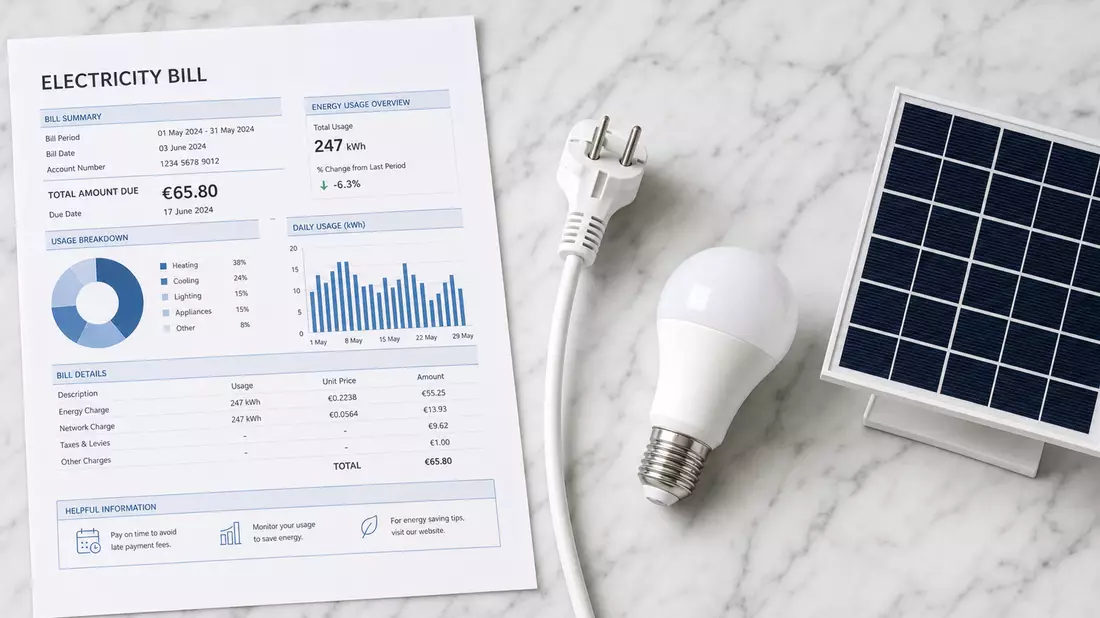
E.ON KomfortStrom is the kind of tariff you notice the first evening you scroll through your energy app on the sofa, watching your usage bars rise as you turn on the oven. The interface is bright, the numbers clear, and the promise is simple: electricity that fits your daily rhythm.
What E.ON KomfortStrom includes
At its core, E.ON KomfortStrom is a standard household electricity tariff with a fixed basic fee and a consumption-based price per kilowatt hour, bundled with digital meter integration where available. Customers sign a contract with E.ON for their home supply, typically with an initial 12-month term, and the tariff is offered in multiple German regions.
Product manager Julia Schneider from E.ON describes the target user as a “household that wants predictability but still keeps an eye on their usage every week”. Her team oversees the tariff configuration and the integration into the E.ON apps.
E.ON KomfortStrom and E.ON SE stock
How E.ON's retail electricity tariffs such as KomfortStrom contribute to recurring revenue and influence investor expectations.
Digital management and meter data
KomfortStrom is bundled with access to the E.ON customer portal and mobile app, where users can view invoices, submit meter readings, and track contractual details. When a modern smart meter is installed, consumption data can be updated more regularly, giving near-real-time insights into usage.
The E.ON app shows hourly, daily, and monthly consumption charts, coloured from cool blue for low use to warm orange for higher peaks. That colour shift from blue to orange after a long cooking session is a physical cue many users remember, linking digital visuals and tangible behaviour.
Pricing structure and regional differences
Prices for E.ON KomfortStrom vary by region, grid operator and tax regime. On the official E.ON tariff pages, the company requires the customer’s postal code and annual consumption estimate before displaying the specific basic fee and per-kWh rate. This reflects the regulated, grid-fee-heavy nature of German electricity pricing.
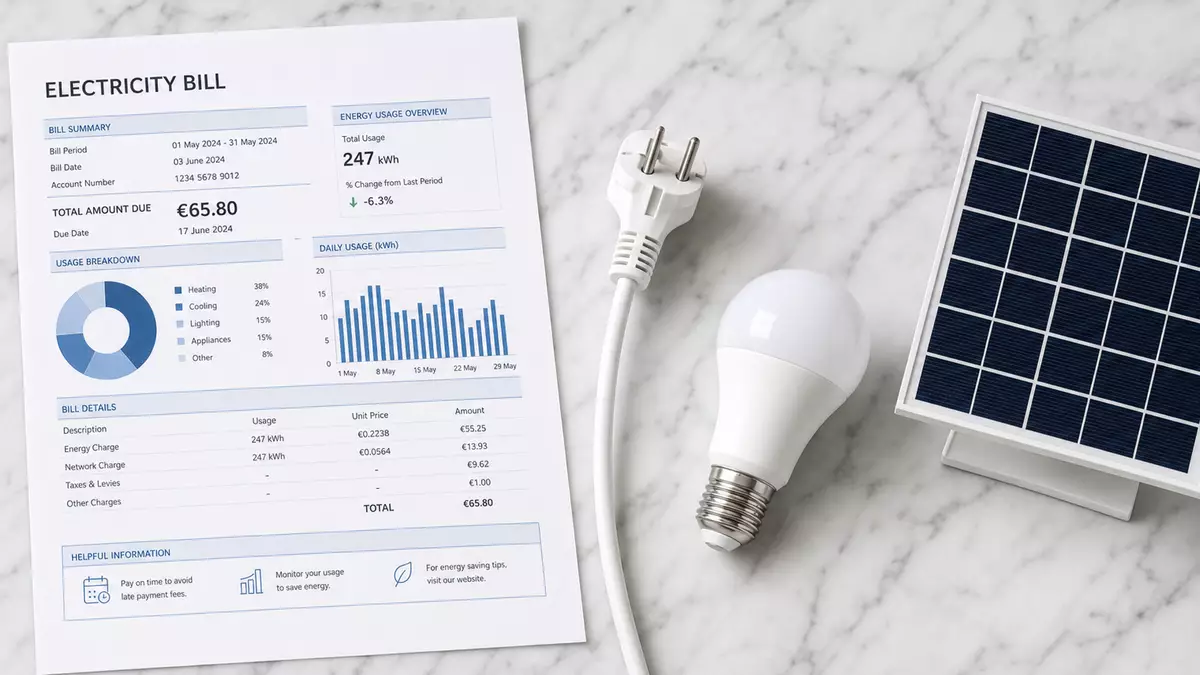
The offer is usually presented with a clear breakdown between energy costs, network fees, taxes and levies. For a typical household with 3,000 kilowatt hours per year, E.ON’s calculator shows total annual costs that help users compare KomfortStrom with other tariffs directly.
Contract terms and bonus structure
KomfortStrom contracts generally run for twelve months initially, with automatic extension unless terminated, and E.ON states notice periods of one month before the end of the term. In some regions, E.ON offers a new customer bonus that reduces the effective annual price for the first year.
Marketing materials detail the bonus separately from the ongoing energy price. Financial analysts often note that such introductory bonuses increase customer acquisition but can compress margin in the first year, before stabilising when the bonus expires.
Customer service and support channels
KomfortStrom customers access E.ON service via phone hotlines, online forms and chat, with service hours listed on the portal. The company emphasises digital self-service options, from bank detail changes to meter reading submissions, to keep waiting times low.
Customer operations manager Markus Vogel is responsible for coordinating these channels and monitoring response times. In internal briefings, he highlights average call and chat durations in minutes and tracks satisfaction scores after contacts.
Integration with other E.ON products
E.ON often cross-sells comfort-oriented tariffs like KomfortStrom alongside other services such as photovoltaic installations, home batteries and electric vehicle charging solutions. Bundles are pitched as ways to align household demand with self-generated solar power.
On E.ON’s energy solutions pages, customers can simulate how a solar roof, home storage and KomfortStrom interact. The model uses typical generation curves and consumption profiles to estimate how much grid electricity would be replaced by self-generated power over a year.
Role in E.ON’s retail strategy
KomfortStrom fits into E.ON’s broader retail strategy to anchor customers in long-term relationships rather than short-term switching. With millions of residential contracts in Germany, stable tariffs like KomfortStrom form part of the recurring revenue base that underpins E.ON’s earnings.
CEO Leonhard Birnbaum regularly points out the importance of reliable products for households during quarterly earnings calls. He frames tariff stability and digital transparency as key factors in building trust in large energy suppliers.
Stock context and investor view
For investors, KomfortStrom is one tile in a larger mosaic of E.ON’s regulated grids and customer solutions. Retail tariffs are less volatile than wholesale trading, and they help smooth earnings over time. Analysts at major banks often model household customer numbers alongside average margins per contract.
On Xetra, E.ON SE stock trades in euros and reacts most to regulatory decisions, grid investments and long-term margin expectations, but the stability of retail tariffs like KomfortStrom supports recurring revenue in the background.
Key facts on E.ON KomfortStrom
- Product: E.ON KomfortStrom
- Manufacturer: E.ON SE
- Category: Accessory/Spare part - household electricity tariff
- Market launch: KomfortStrom has been offered for several years in E.ON’s German portfolio, with current conditions updated regularly.
- MSRP / Price: Regionally variable tariff; price shown only after entering postal code and usage data on E.ON’s calculator.
- Availability: Available to residential customers in multiple German regions served by E.ON and its subsidiaries.
- Target group: Private households seeking predictable electricity costs, simple contracts and digital consumption tracking.
- Highlight / USP: Combination of classic fixed-term tariff with app-based usage monitoring and online self-service.
Disclaimer regarding our articles: No investment advice, no buy or sell recommendation. Information on prices, companies, and markets is provided without guarantee; changes are possible at any time. Stock market transactions can lead to substantial losses. Our articles are created and reviewed in whole or in part automatically with the support of AI.