DroneShield's Record Cash Flow Can't Mask the ASIC Cloud Hanging Over the Stock
Published on 06/13/2026 at 03:31 | Redaktion boerse-global.de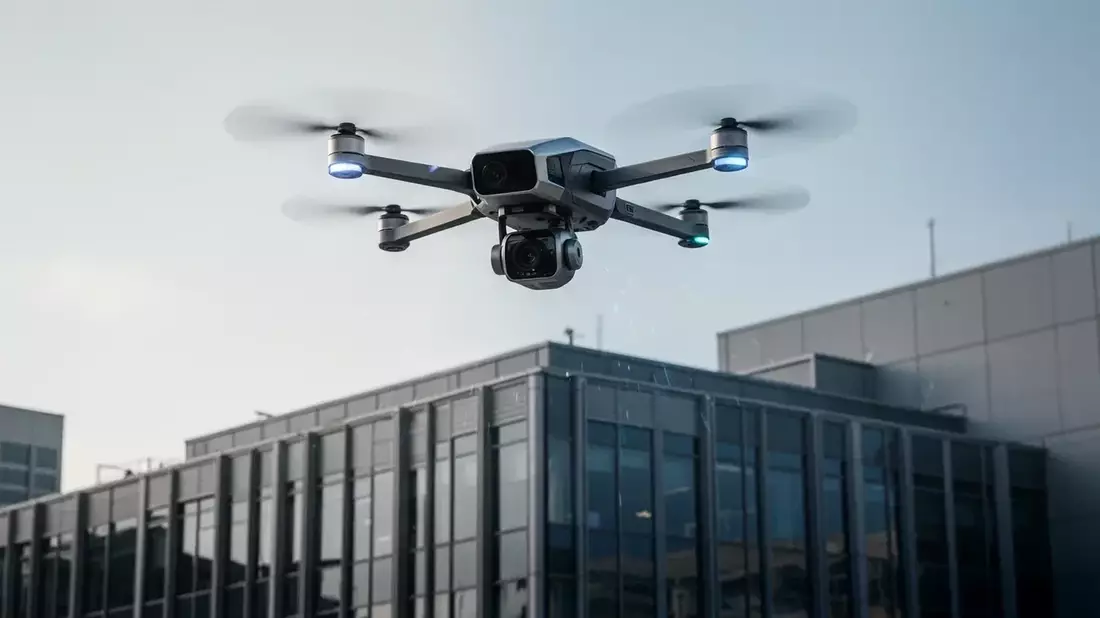
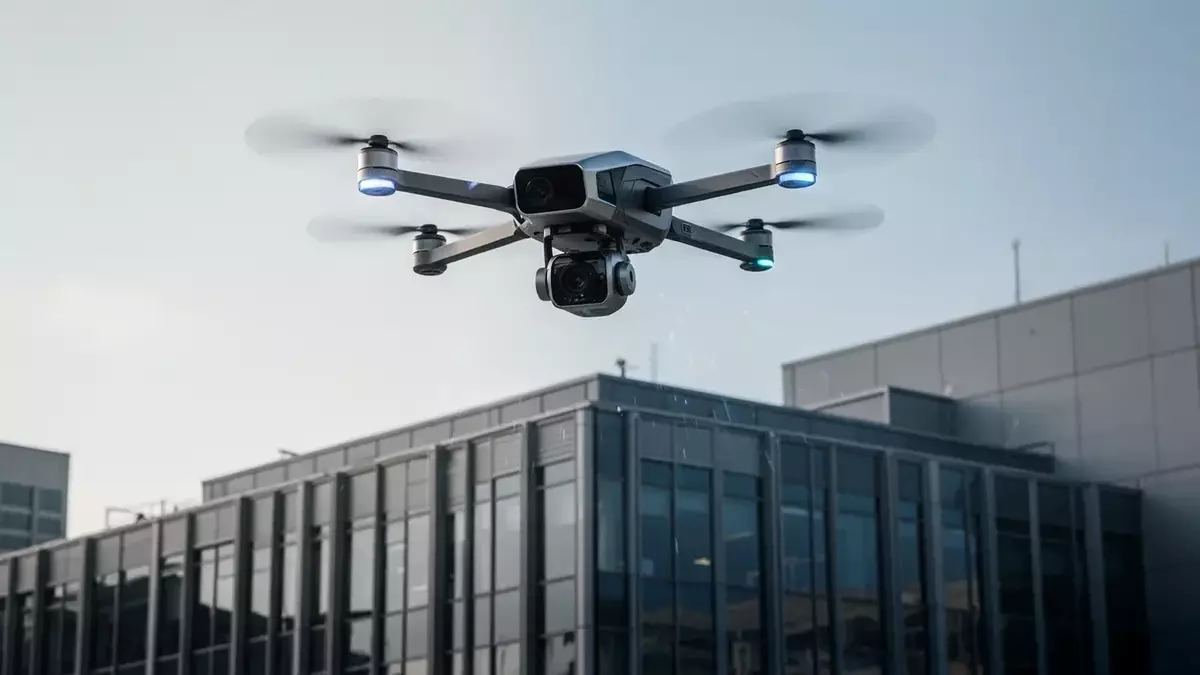
DroneShield is living a double life. On the operating side, the counter-drone specialist just turned in a record quarter with revenue more than doubling and a fat, debt-free balance sheet. Yet its stock sits nearly 51% below last October's all-time high of €3.65, weighed down by a regulatory probe that has sapped investor confidence. The tension between operational momentum and governance uncertainty is now the defining feature of this investment story.
The numbers from the first quarter of 2026 are hard to argue with. Revenue surged 121% to AUD 74.1 million, while customer payments came in even higher at AUD 77.4 million. Operating cash flow hit AUD 24.1 million, proving that growth is translating into real money. The company ended the period with AUD 222.8 million in cash and zero debt, giving it ample firepower to expand capacity and chase new contracts. This is not a cash-burning start-up — it is a profitable, scaling enterprise.
A freshly signed contract with the US Joint Interagency Task Force 401 underscores the demand tailwind. The deal is worth up to AUD 24.9 million, with AUD 19.3 million already firm and an additional AUD 5.6 million in options spread over five years. Broader industry trends also favour DroneShield: the US recently approved a roughly USD 2 billion sale of counter-drone systems to Kuwait, and the US Space Force awarded USD 3.2 billion in contracts for the "Golden Dome" defence project. Anti-drone technology has moved from tactical niche to strategic priority.
Should investors sell immediately? Or is it worth buying DroneShield?
The company is repositioning itself accordingly. Management is shifting focus from selling individual jammers to becoming a long-term partner for NATO governments. A new European headquarters in Amsterdam and plans for local EU production signal a serious commitment to the continent's planned drone shield. At the same time, the product narrative is tilting from hardware to software. A major update slated for the second quarter of 2026 will lean heavily on artificial intelligence to fuse sensor data automatically — a critical capability as drone swarms grow more complex. The real value, the company argues, now lies in the digital brain rather than the physical gear.
Yet none of that has been enough to shake the shadow cast by the Australian Securities and Investments Commission. ASIC is investigating past share purchases and market disclosures, though the exact allegations remain undisclosed. The probe has visibly eroded trust. With 450 employees and a new factory in Sydney, DroneShield is in the midst of a radical transformation, and the regulatory cloud is making investors hesitant to ride along.
Friday offered a brief reprieve. The share price jumped 5.77% to €1.78, helped by a broader Australian market rally of nearly 2% on hopes of a diplomatic thaw between the US and Iran. Still, the stock remains down roughly 12% since the start of the year. The relative strength index sits at 39, neither oversold nor overbought, suggesting the market is still trying to find a direction. Technically, a sustained recovery would require reclaiming the 200-day moving average at €2.07 — a level that looks distant without further major contract wins.
For all the operational strength, the ASIC overhang keeps the shares in volatile territory. The company's market capitalisation of €1.56 billion reflects both the promise of a booming sector and the uncertainty of an unfinished investigation. The next quarterly numbers will be crucial: solid results could start to overwhelm the regulatory noise, but until then, DroneShield's stock remains a tug-of-war between a thriving business and a trust deficit.
Ad
DroneShield Stock: New Analysis - 13 June
Fresh DroneShield information released. What's the impact for investors? Our latest independent report examines recent figures and market trends.
Disclaimer regarding our articles: No investment advice, no buy or sell recommendation. Information on prices, companies, and markets is provided without guarantee; changes are possible at any time. Stock market transactions can lead to substantial losses. Our articles are created and reviewed in whole or in part automatically with the support of AI.