DroneShield’s Own Study Exposes a 70% Detection Gap, Yet the Stock Keeps Sliding
30.06.2026 - 22:23:29 | boerse-global.de
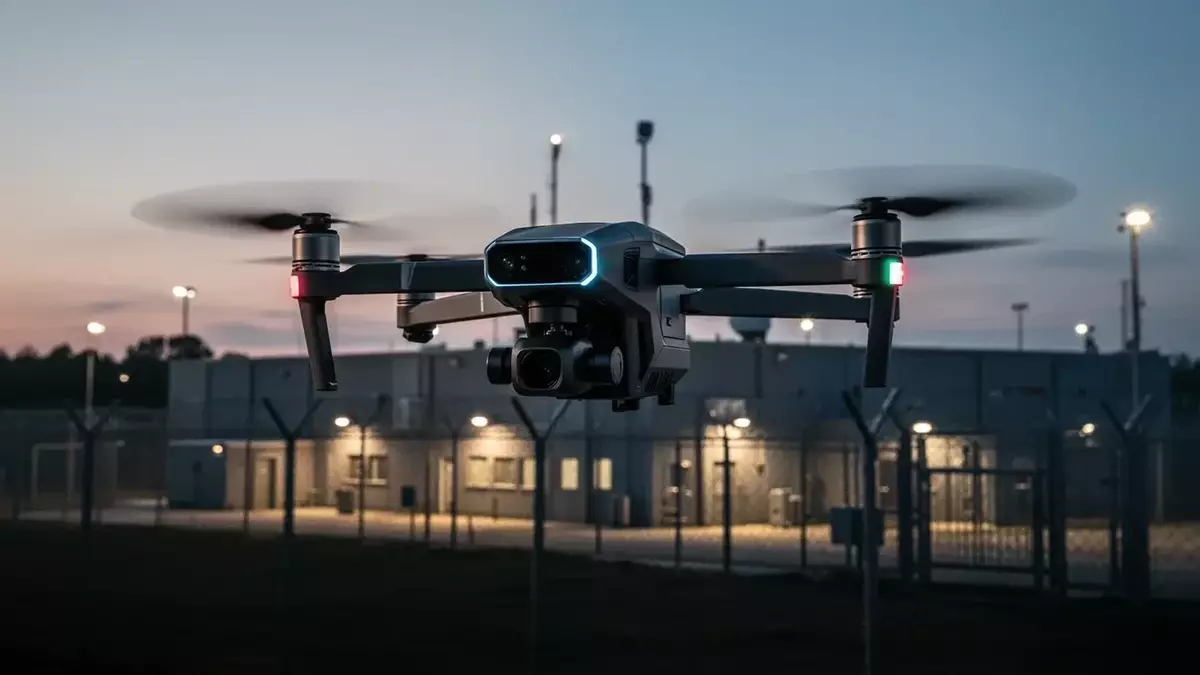
In a move that doubles as both a marketing campaign and a stark warning, DroneShield this week released a global industry study revealing that seven out of ten critical infrastructure operators lack adequate drone detection capabilities. The findings, based on surveys of 23 airports, ports, prisons and utilities across five continents, underscore the immense addressable market for counter-drone technology. Yet the same day the report landed, DroneShield shares closed at €1.43, shedding 3.5% and extending a slide that has wiped more than 60% from the stock since its October 2025 peak of €3.65.
The disconnect is hard to miss. The British government on Tuesday confirmed a £15 billion military investment package, with £5 billion earmarked specifically for drones and autonomous systems. US rival AeroVironment, fresh off a 133% revenue surge, saw its shares notch double-digit gains. DroneShield, by contrast, has now lost more than a quarter of its value in the past month alone, and the year-to-date deficit stands at roughly 27%.
The company’s own study reinforces the narrative of runaway demand. Beyond the 70% detection gap, six out of ten operators said they lack the legal authority to engage unauthorized drones, even in clear threat scenarios. A further 17% have no formal counter-drone plan at all. The US Transportation Security Administration, meanwhile, seized more than 300 drones around recent FIFA World Cup events — a vivid illustration of the problem DroneShield aims to solve.
Operationally, the Australian firm is hardly standing still. First-quarter 2026 revenue jumped 121% to A$74.1 million, operating cash flow turned positive for the fourth consecutive quarter, and the balance sheet shows A$223 million in cash with zero debt. This month alone, DroneShield made first deliveries from its new European factory, kicked off a supply chain initiative in Poland, and scooped a Pentagon contract worth approximately US$25 million. The project pipeline now contains 312 orders with a combined value of A$2.2 billion, including one expected single order of A$730 million that management hopes to finalize in the second half.
Should investors sell immediately? Or is it worth buying DroneShield?
Yet every operational win arrives with a footnote. The Australian Securities and Investments Commission has been investigating DroneShield since May over disclosure obligations and insider sales by former CEO Oleg Vornik and ex-chairman Peter James, who offloaded large share parcels in autumn 2025 shortly before a multi-million-dollar contract was announced and then withdrawn hours later. Allegations of potential double revenue recognition also hang over the probe.
To steady the ship, the new leadership duo — CEO Angus Bean and Chairman Hamish McLennan — has begun reshaping the board. Effective Wednesday, retired Rear Admiral Lee Goddard CSC joins as an independent director. Goddard, founding CEO of the Australian Missile Corporation and a director of Austal Limited and Southern Launch, brings more than three decades of defense and national security pedigree.
The technical picture offers a glimmer of hope for the bulls. The relative strength index sits at 35.3, just shy of the oversold threshold. With the stock trading roughly 60% below its all-time high, a snapback toward the 50-day moving average at €1.90 is not out of the question — particularly if DroneShield secures a slice of the UK’s £1.3 billion submarine-drone initiative.
DroneShield at a turning point? This analysis reveals what investors need to know now.
But the bears have plenty of ammunition. Competition is intensifying as big defense primes such as Lockheed Martin integrate rival technology from Sentrycs into their own platforms. In India, Paras Defence is building the Guardian-1 interceptor under license. In Israel, Magos Systems just locked in a multi-million-dollar radar contract. DroneShield’s annualized volatility of 75% tells the story of a market questioning whether the company can defend its share against the sector’s heavyweights.
The next major proving ground comes on August 26, when DroneShield reports first-half 2026 earnings. Until then, the stock is caught between a pipeline that screams growth and a regulatory shadow that won’t lift. A break below the psychological €1.00 mark would open the door to the year low of €0.82; a material contract from the US Pentagon, UK Ministry of Defence or a major airport operator could just as easily send the shares back toward the 200-day moving average of €2.05. For now, investors are watching the order book — not the study slides — for the only signal that truly matters.
Ad
DroneShield Stock: New Analysis - 30 June
Fresh DroneShield information released. What's the impact for investors? Our latest independent report examines recent figures and market trends.