DroneShield's $77 Million Cash Quarter Can't Calm Investor Fears as ASIC Probes Deepen
10.06.2026 - 09:41:42 | boerse-global.de
The Australian counter-drone specialist is serving up a paradox that has left the market scratching its head. DroneShield just posted record customer payments of 77.4 million Australian dollars in the first quarter of 2026 – a 360% surge year-on-year – and secured a fresh Pentagon contract worth up to US$24.9 million over five years. Yet the stock has cratered more than 54% from its October 2025 peak of €3.65, currently trading around €1.66.
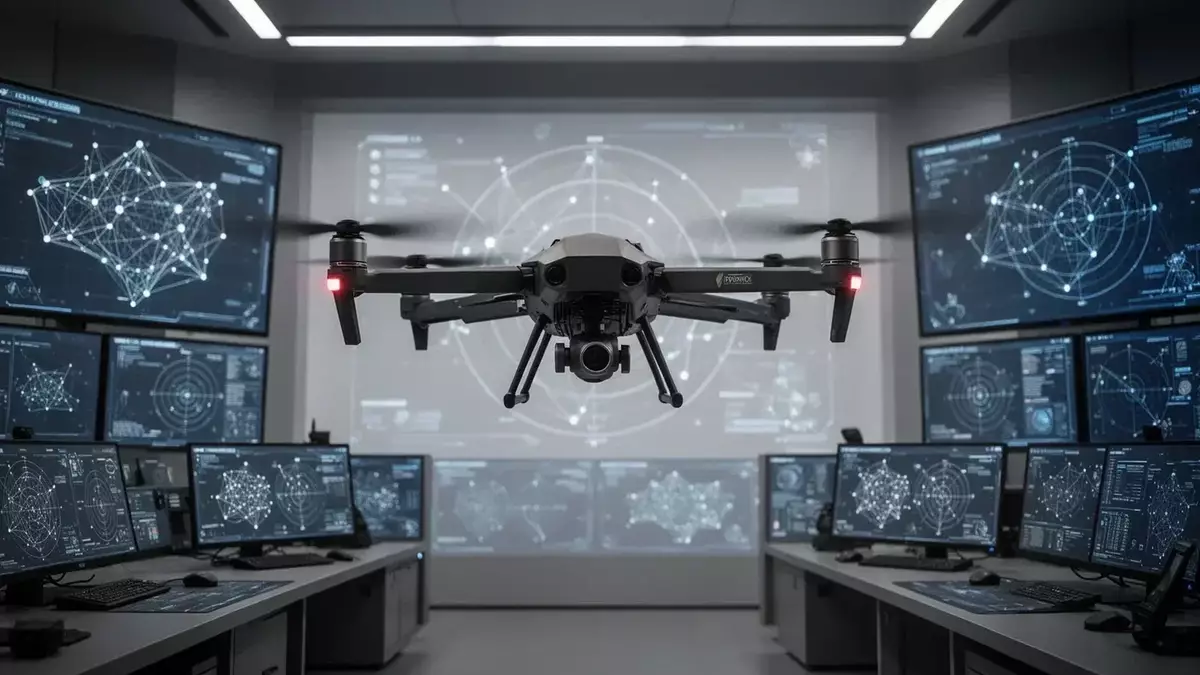
Operational milestones keep coming. Since June 10, DroneShield has been protecting the airspace around Kansas City during the 2026 FIFA World Cup, deploying a multi-layered configuration of mobile and stationary systems that permanently monitors low-altitude zones near match venues. The tournament kicked off on June 11, giving the company a high-profile live demonstration of its technology. That deployment follows the US$19.3 million initial award from the Joint Interagency Task Force 401, with options that could lift the total to US$24.9 million. Deliveries are scheduled across 2026 and 2027.
The first-quarter numbers are striking by any measure. Revenue hit 74.1 million Australian dollars, up 121% from the prior-year period, while the confirmed order book for the current fiscal year stood at 154.8 million Australian dollars. The company also took part in the "ASX Hidden Champions" webinar on June 9, pitching itself to European investors as a firm that has evolved from niche player into a scalable defence contractor with NATO links.
Should investors sell immediately? Or is it worth buying DroneShield?
But the share price tells a different story. Over the past seven days alone, the stock has lost 12.5%. Year-to-date the decline sits at roughly 15%, and the gap between the €3.65 peak and today's level is more than 54 cents on the dollar. Two catalysts have spooked the market: a sudden leadership vacuum and a regulatory investigation.
CEO Oleg Vornik departed on April 8, and board chairman Peter James stepped down at the end of May following the annual general meeting. The exits of two key figures in quick succession have raised governance questions. More troubling is the probe launched by the Australian Securities and Investments Commission, which is examining company disclosures and share trading dating back to November 2025. DroneShield has pledged full cooperation, but the uncertainty is weighing heavily on sentiment.
Technically, the stock is flirting with oversold territory. The 14-day relative strength index has fallen to 31.1, close to the threshold of 30 that many analysts view as a potential stabilisation trigger. The share price is now roughly 21% below its 50-day moving average. Whether that technical signal translates into a floor depends on how the ASIC investigation unfolds – and on DroneShield's ability to convert its bulging order book into recognised revenue.
Clarity could come on August 26, when the company is scheduled to report half-year results. Those numbers will show how quickly the current backlog is being turned into billable work and whether the World Cup deployment has given the services segment a meaningful lift. Until then, the market appears content to watch from the sidelines, weighing record cash flows against a deepening governance storm.
Ad
DroneShield Stock: New Analysis - 10 June
Fresh DroneShield information released. What's the impact for investors? Our latest independent report examines recent figures and market trends.