DroneShield Lands Parsons Deal but ASIC Cloud Keeps Stock Grounded
11.06.2026 - 16:31:45 | boerse-global.de
The symmetry is hard to ignore: a company that builds technology to detect and neutralise drones is itself caught in a regulatory crossfire. DroneShield’s latest operational win — integration of its electronic warfare sensor into a US defence giant’s anti-drone system — should be a clear tailwind. Yet the stock continues to drift lower as the glare of a formal investigation by the Australian Securities and Investments Commission (ASIC) overshadows every piece of good news.
Shares in the Sydney-headquartered counter?drone specialist last changed hands at €1.69, down roughly eight percent over the past week and a full 54 percent below their 52?week high of €3.65. The price action paints a picture of a market that is pricing in reputational and governance risk, even as the underlying business posts record numbers.
A US seal of approval
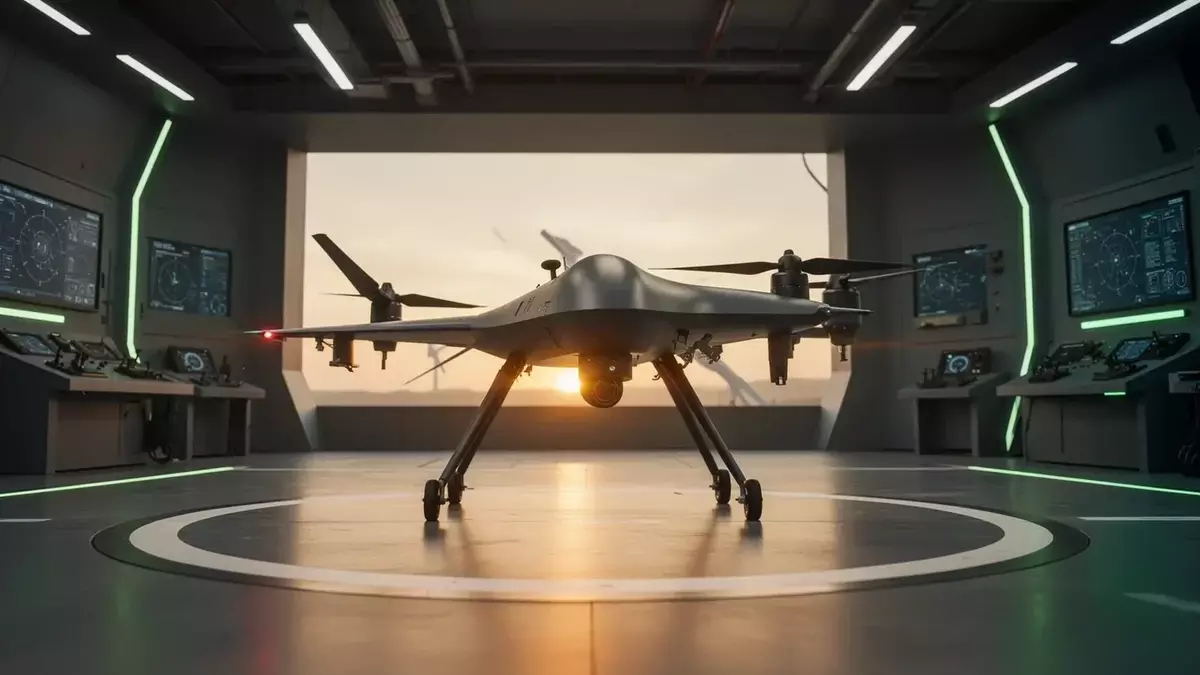
The most recent proof of DroneShield’s technological relevance came on 10 June, when Parsons Corporation, a major US defence contractor, demonstrated its new DroneArmor counter?UAS system. The system uses DroneShield’s sensor for electronic warfare, autonomously detecting and neutralising drones. More importantly, the integration shows that the Australian firm’s hardware slots seamlessly into third?party, AI?driven networks that are already in the field — the system is currently protecting a US security agency’s southern border.
For DroneShield, that endorsement carries weight. It validates the company’s RF?sensing and sensor?fusion technology at a time when the global anti?drone market is expanding at a compound annual rate of between 10 and 29 percent, depending on the forecast. According to industry estimates, the market was worth roughly US$4.1 billion in 2025 and could reach anywhere from US$12.6 billion to almost US$40 billion by 2036.
Should investors sell immediately? Or is it worth buying DroneShield?
The tailwind is real. Rival Boresight this week celebrated a blowout IPO, with its shares surging 90 percent on the first day of trading. DroneShield itself posted a first?quarter 2026 revenue record of approximately US$74 million and carries a backlog of confirmed orders worth A$155 million for the full year. Over the past twelve months, its stock has still gained about 85 percent — a reminder of how far it has come, even as near?term sentiment sours.
When the regulator calls
That souring has a specific cause. In May 2026, DroneShield disclosed that ASIC had opened an investigation into company announcements and insider share trading during the period from 1 to 20 November 2025. The probe zeroes in on a particularly sensitive window between 6 and 12 November, when former CEO Oleg Vornik, chairman Peter James and director Jethro Marks sold substantial blocks of stock.
The timing looks damning. On 10 November, the same day as those insider sales, DroneShield issued a press release announcing a A$7.6 million contract as new business. Hours later, the company retracted the statement, explaining that the figure represented re?issued purchase orders following administrative changes — not fresh wins. The episode, while not evidence of wrongdoing, creates an optics problem that has unnerved investors.
DroneShield has stated it is co?operating fully with the regulator. But the damage to sentiment is done. The stock now trades below its 50?, 100? and 200?day moving averages. The relative strength index sits at 33.6, a level that signals deeply oversold conditions — yet analysts caution that such readings alone do not constitute a buy signal in the middle of an open inquiry. The annualised 30?day volatility of nearly 56 percent underlines just how sensitive the share price has become to any new information.
New leadership, same uncertainty
Complicating matters further, DroneShield underwent a leadership shake?up in April 2026. Angus Bean took over as chief executive, replacing Vornik, while Hamish McLennan was appointed as the incoming chairman. Such transitions can inject fresh strategic direction, but they also generate uncertainty, especially when they coincide with a regulatory investigation.
DroneShield at a turning point? This analysis reveals what investors need to know now.
Whether the ASIC probe proves to be a temporary drag or a more lasting liability hinges entirely on what the investigators unearth. Until then, the market is caught in a tug?of?war: each positive operational signal — a Parsons deal, record revenue, booming sector demand — is weighed against the unseen risks of the inquiry.
Eyes will turn to 26 August, when DroneShield reports its half?year results. Hard numbers on cash flow, margins and order intake will need to be compelling enough to overshadow the regulatory noise. For now, the company’s technology may be winning in the field, but on the ASX, the battlefield is a different game entirely.
Ad
DroneShield Stock: New Analysis - 11 June
Fresh DroneShield information released. What's the impact for investors? Our latest independent report examines recent figures and market trends.