DroneShield Flips the Switch on European Production as Parsons Partnership Opens a Second Front
16.06.2026 - 21:46:05 | boerse-global.de
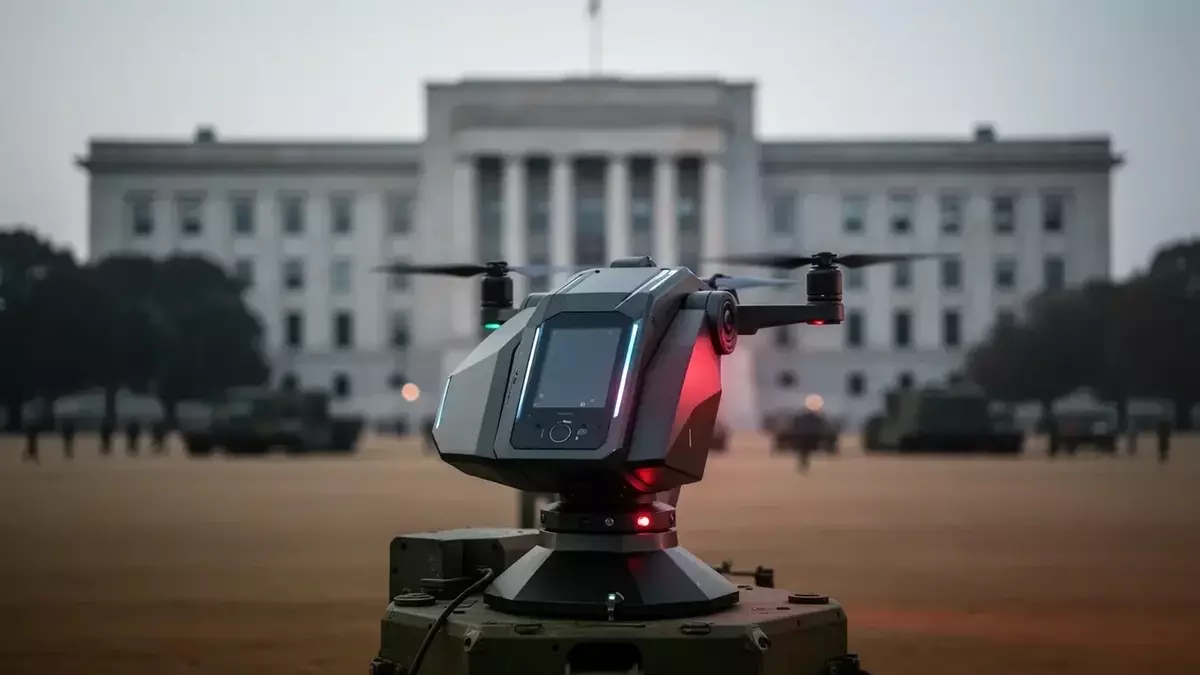
DroneShield has crossed a critical threshold in its push to capture a slice of Europe’s booming counter-drone market. The Australian defence technology firm rolled out its first European-manufactured counter-UAS system just as it demonstrated a new integration with US contractor Parsons Corporation — a dual-pronged strategy designed to unlock both regional procurement budgets and transatlantic interoperability.
The timing is no accident. Brussels’ European Defence Industrial Programme (EDIP) comes with €1.5 billion in funding and a hard requirement: suppliers must source at least 65% of components from the EU, Norway or Ukraine. DroneShield’s new assembly line, anchored by its Amsterdam headquarters, now meets that bar. “The first EU-produced units mark a milestone,” said chief commercial officer Louis Gamarra. The company’s bet is that localised supply chains will shorten delivery lead times, reduce geopolitical exposure and speed up response to government tenders.
Production kicked off on 15 June 2026, with the first system rolling off the line a day before the company unveiled its partnership with Parsons at a joint demonstration. The two firms integrated detection, electronic warfare and countermeasure technologies into Parsons’ DroneArmor™ command-and-control platform. The architecture is open — designed to let different vendors’ systems work together rather than locking customers into proprietary silos. For DroneShield, tapping into Parsons’ established footprint in cybersecurity and electronic warfare provides a ready-made channel to US and allied defence customers.
Should investors sell immediately? Or is it worth buying DroneShield?
The European push arrives as the counter-drone space gets crowded. At the Eurosatory defence exhibition in Paris this week, Thales showcased its “RapidStriker” system and several Baltic suppliers unveiled competing offerings. DroneShield is banking on institutional repeat contracts through Nato and US defence channels. A Nato small-drone defence procurement framework has been running since 2024, and the UK’s National Police Chiefs’ Council has separately opened an £8 million framework agreement for national drone-defence capacity.
All of that operational momentum, however, sits beneath a stock that has been cut in half from its peak. Shares trade at €1.74 — roughly 52% below the 52-week high of €3.65 set in October 2025. Over the past twelve months the stock is still up nearly 71%, and the relative strength index of 39.6 signals oversold territory. A small dilution overhang adds to the pressure: DroneShield issued about 823,000 new shares tied to employee options that vested in January and May 2026. Such grants are standard under performance-linked compensation plans but can produce short-term selling flow.
The company’s market capitalisation stands at roughly A$2.7 billion, with annual revenue in the aerospace and defence segment of about A$217 million. Whether the European production base can translate into a sustained re-rating depends on how quickly concrete EDIP contracts materialise. The infrastructure is in place; the order book will tell the story.
Ad
DroneShield Stock: New Analysis - 16 June
Fresh DroneShield information released. What's the impact for investors? Our latest independent report examines recent figures and market trends.