Dow Jones: Silent Crash Loading Or Once-In-A-Decade Buy-The-Dip Opportunity?
15.02.2026 - 07:59:37 | ad-hoc-news.de
Get the professional edge. Since 2005, the 'trading-notes' market letter has delivered reliable trading recommendations – three times a week, directly to your inbox. 100% free. 100% expert knowledge. Simply enter your email address and never miss a top opportunity again. Sign up for free now
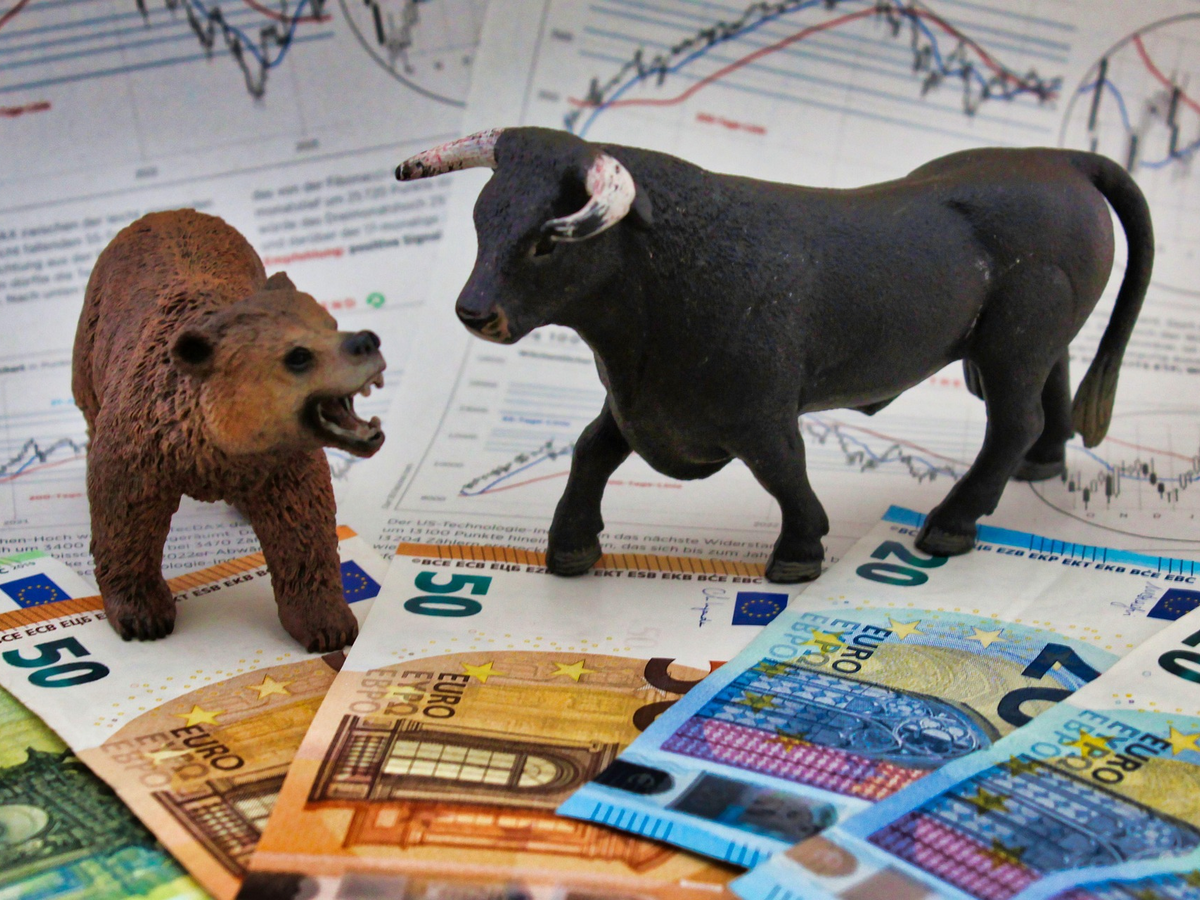
Vibe Check: The Dow Jones is in a tense, high-volatility zone right now. Not a meltdown, not a clean breakout – a brutal tug-of-war where every headline can flip the mood from cautious relief to panic in a single session. Bulls and bears are trading heavy punches, and blue chips are getting repriced fast as the market digests Fed expectations, inflation surprises, and mixed corporate earnings. No one’s cruising here – this is pro-level tape.
Want to see what people are saying? Check out real opinions here:
- Watch live Dow Jones battle streams and trader breakdowns on YouTube
- Scroll Insta for fresh Wall Street chart art and market mood shots
- Binge viral TikTok plays and fast-fire investing tips
The Story: The latest Dow Jones action is all about one question: how much pain will the Fed force the market to absorb to keep inflation under control, and how much can corporate America earn in that environment?
On the macro side, traders are obsessing over every hint from Jerome Powell and every line of the latest inflation prints. CPI and PPI are no longer background noise – they are the steering wheel. When inflation data comes in hotter than expected, rate-cut hopes get smashed, bond yields spike, and the Dow sees heavy selling, especially in interest-rate-sensitive names like industrials, financials, and consumer cyclicals. When inflation cools even slightly, you see relief rallies where short sellers get squeezed and dip buyers flex hard.
The Fed narrative is stuck in that uncomfortable middle: not aggressively cutting, not aggressively hiking, but keeping the door open to staying restrictive for longer if inflation stalls. That is pure uncertainty fuel. The market hates that. That uncertainty is why you’re seeing these sharp intraday swings and overnight gap moves in the Dow rather than a calm, trending market.
On the earnings front, the Dow’s old-school blue chips are split into clear winners and losers. Some mega-cap industrials and healthcare names are posting resilient numbers, defending margins with cost cuts and price power. Others are guiding cautiously, warning about softer demand, sticky wage pressures, and a still-fragile global supply chain. When a heavyweight Dow component disappoints, it drags the entire index sentiment with it – even if the broader economy is not in crisis.
Consumer confidence adds another layer. Households are not in full-on panic, but they are clearly not in a euphoric, spend-at-will mood either. High borrowing costs, expensive mortgages, and lingering price pressures keep the consumer cautious. That hits Dow sectors like retail, travel, discretionary goods, and some financials that depend on credit growth.
Put it all together and you get this current Dow regime: a nervous, headline-driven grind where every data point either reinforces the soft-landing dream or revives recession fears. That is why you’re seeing sudden risk-off days followed by aggressive buy-the-dip sessions. The tug-of-war is real.
Sector Rotation: Where the Money Is Sneaking To
Inside the Dow, the real story is rotation – not a one-way crash or a one-way melt-up. Money is sliding around the chessboard rather than just leaving the table.
Tech and Growth Tilt: When bond yields cool off, Dow components with more growth flavor and tech exposure tend to catch a bid. The logic: lower yields boost the present value of future earnings, so growth gets rewarded. These sessions feel like mini-risk-on parties – investors rotate into anything with secular growth, digital exposure, or strong innovation narratives.
Industrials and Cyclicals: Classic Dow industrials are trading like real-time macro indicators. On days when traders price in a soft landing – steady growth, inflation edging down, no hard recession – industrial names enjoy solid flows. But whenever growth fears flare, these same stocks get hammered as investors imagine order books shrinking, capex being cut, and global trade slowing down.
Energy: Energy inside and around the Dow has been acting like a wild card. When oil spikes on geopolitical risk or supply constraints, energy names suddenly turn into defensive darlings, printing strong free cash flow and dividend support. When crude cools off, those same names fade. For active traders, these swings are opportunity-rich; for long-only investors, they are a volatility tax.
Defensives – Healthcare, Staples: As fear waves roll through Wall Street, smart money quietly rotates into the safer corners of the Dow: healthcare giants, consumer staples, and other reliable cash-flow machines. They may not moon, but they often hold up better when the tape gets ugly. That tells you funds are hedging, not blindly aping into risk.
So instead of asking, “Is the Dow bullish or bearish?” you should really be asking: “Which sectors are getting love, and which ones are being used as an ATM?” That rotation is where the real edge is.
Deep Dive Analysis: Macro, Bond Yields, and the Dollar – The Hidden Levers Behind Every Candle
To understand the Dow’s current behavior, you have to track three big macro levers: bond yields, Fed expectations, and the US dollar.
1. Bond Yields – The Market’s Lie Detector
When US Treasury yields spike, especially in the mid to long part of the curve, the message is clear: either inflation is perceived as sticky, or the market believes the Fed will keep rates higher for longer. For the Dow, that usually means pressure. Higher yields raise the cost of capital, compress equity valuations, and hit leveraged firms harder.
On days when yields ease off, the pressure valve on stocks releases a bit. You often see sharp reversals where the Dow turns a shaky open into a strong close because traders suddenly feel more comfortable taking risk again. That yield-versus-equity dance is one of the cleanest intermarket tells you can watch right now.
2. Fed Policy – The Invisible Hand at the Opening Bell
Jerome Powell does not need to raise or cut at every meeting to move markets. Even his tone can shift trillions. Hawkish hints (talking tough on inflation, signaling “higher for longer”) tend to unleash selling in the Dow, especially in rate-sensitive, highly valued sectors. A more dovish or balanced tone (acknowledging progress on inflation, nodding to growth risks) can ignite rallies as traders quickly reprice the path of future cuts.
The problem: the Fed is boxed in. Cut too fast and they risk an inflation resurgence. Stay tight for too long and they risk choking off growth and triggering a harder downturn. The Dow is trading that dilemma every single day.
3. The Dollar Index – Quiet But Ruthless
The US dollar index is a sneaky driver of Dow performance. A firm, strong dollar tightens financial conditions globally – it pressures US multinationals by making their overseas earnings worth less in dollar terms and can weigh on global risk appetite. A softer dollar, on the other hand, tends to be a tailwind: it eases conditions, supports commodities, and helps big exporters within the Dow.
So when you see the Dow struggling despite no new headlines, check the dollar. Sometimes the pain is coming from FX, not just equity flows.
- Key Levels: With data uncertainty and no verified real-time quote here, traders are zoning in on broad important zones rather than single magic numbers. Think: a wide resistance band where previous rallies stalled, a heavy support region where panic lows were bought aggressively, and the mid-range chop where algorithms and short-term funds fight for control. Watch how price behaves near prior swing highs, recent panic lows, and the mid-channel area – rejection or breakout in those zones will define the next big move.
- Sentiment: Right now, sentiment is stuck between cautious and anxious. Not full fear, not full greed – call it a jittery middle. Short-term traders are quick-trigger, dumping risk on bad news and piling in on any sign of relief. Options flow shows active hedging and tactical downside protection, not complacency. That usually means bears have the emotional edge, but bulls can unleash powerful short-covering rallies whenever data surprises positively.
The Global Context: Why Europe and Asia Matter for the Dow
The Dow might be a US index, but its heartbeat is global. European and Asian markets are shaping overnight futures, liquidity, and sentiment before the US Opening Bell even rings.
Europe: When European data prints weak – think sluggish growth, recession chatter, or banking stress – global risk appetite tends to fade before Wall Street wakes up. European equity sell-offs can spill into US futures, setting up the Dow for a risk-off open. On the flip side, if European indices stabilize and their central banks signal a more supportive stance, that can ease global growth fears and provide a bid under US blue chips.
Asia: Asia’s session often sets the tone for how the Dow opens. Big moves in major Asian indices, especially on China growth news, policy announcements, or tech regulation, echo directly into US multinational names. Weak Asian trade and manufacturing data feed global slowdown fears; strong prints revive the global cycle narrative and help cyclicals and exporters in the Dow.
Currency moves, cross-border capital flows, and global bond market correlations mean you cannot analyze the Dow in isolation anymore. Overnight risk is real. A trader ignoring European and Asian sessions is trading with one eye closed.
Sentiment: Fear, Greed, and the Smart Money Footprint
Sentiment indicators point to a market that is nervous but still very much engaged. Think of the emotional scale like this: extreme greed was earlier in the cycle; now we are in the anxious, second-guessing phase where investors still want upside but are terrified of being the last ones holding the bag.
Retail flow is split – some are doomscrolling "Dow Jones crash" content and sitting in cash, others are aggressively buying every dip as if each red candle is a gift from the market gods. Meanwhile, institutional players – the so-called smart money – are doing something more nuanced: trimming extended winners, adding to high-quality laggards, leaning into defensives, and using options to hedge tail risks rather than panic-selling everything.
That combination creates a fertile setup for big moves: if data improves and the Fed tone softens, there is plenty of sidelined cash that can rush back in and drive a powerful relief rally. If data worsens or inflation re-accelerates, hedges get tested, volatility spikes, and you can see a more aggressive risk-off wave with forced de-risking.
Conclusion: Crash Risk Or Golden Opportunity?
The Dow Jones right now is a pressure cooker. You have:
- A Fed balancing inflation control against growth risk.
- Bond yields swinging as the market constantly rewrites the rate-cut timeline.
- Corporate earnings that are good but not bulletproof, with cautious guidance everywhere.
- Sector rotation sending brutal signals – some blue chips quietly breaking down while others grind higher.
- Global markets adding overnight volatility from Europe and Asia.
- Sentiment stuck in that dangerous zone between denial and fear.
Is that a crash setup? It can be – if inflation re-flares, if growth rolls over faster than expected, or if a left-field risk (geopolitical shock, credit event, policy misstep) hits when positioning is offside. In that scenario, the Dow can see a heavy, relentless sell-off where support zones fail and liquidity thins out on the way down.
Is it a buy-the-dip opportunity? It can also be – if inflation keeps trending lower, if the Fed slowly pivots toward a more growth-friendly stance, and if earnings prove more resilient than the market currently fears. Then today’s choppy Dow environment may look like classic accumulation in hindsight: smart money scooping quality blue chips while headlines scream uncertainty.
The reality: you do not have to predict – you have to prepare.
- Know your time frame. Long-term investors can use broad weakness to scale into high-quality Dow names with strong balance sheets and durable dividends.
- Short-term traders should respect volatility, watch those important zones, and track bonds and the dollar like hawks.
- Risk management is not optional. This is the kind of market that punishes oversized ego and oversized positions.
The Dow is not dying – it is recalibrating to a new macro era. Whether this becomes a historic bull trap or a generational entry point will depend on the data path and how the Fed reacts. Either way, this is not the time to be asleep at the wheel. Stay informed, stay flexible, and treat every Opening Bell like it actually matters – because right now, it does.
Tired of poor service? At trading-house, you trade with Neo-Broker conditions (free!), but with real professional support. Use exclusive trading signals, algo-trading, and personal coaching for your success. Swap anonymity for real support. Open an account now and start with pro support
Risk Warning: Financial instruments, especially CFDs on indices like the Dow Jones, are complex and come with a high risk of losing money rapidly due to leverage. You should consider whether you understand how these instruments work and whether you can afford to take the high risk of losing your money. This content is for informational purposes only and does not constitute investment advice.
So schätzen die Börsenprofis Aktien ein!

Für. Immer. Kostenlos.