Dow Jones: Hidden Opportunity or Imminent Crash Risk for Wall Street Traders?
09.02.2026 - 14:34:13 | ad-hoc-news.de
Get the professional edge. Since 2005, the 'trading-notes' market letter has delivered reliable trading recommendations – three times a week, directly to your inbox. 100% free. 100% expert knowledge. Simply enter your email address and never miss a top opportunity again. Sign up for free now
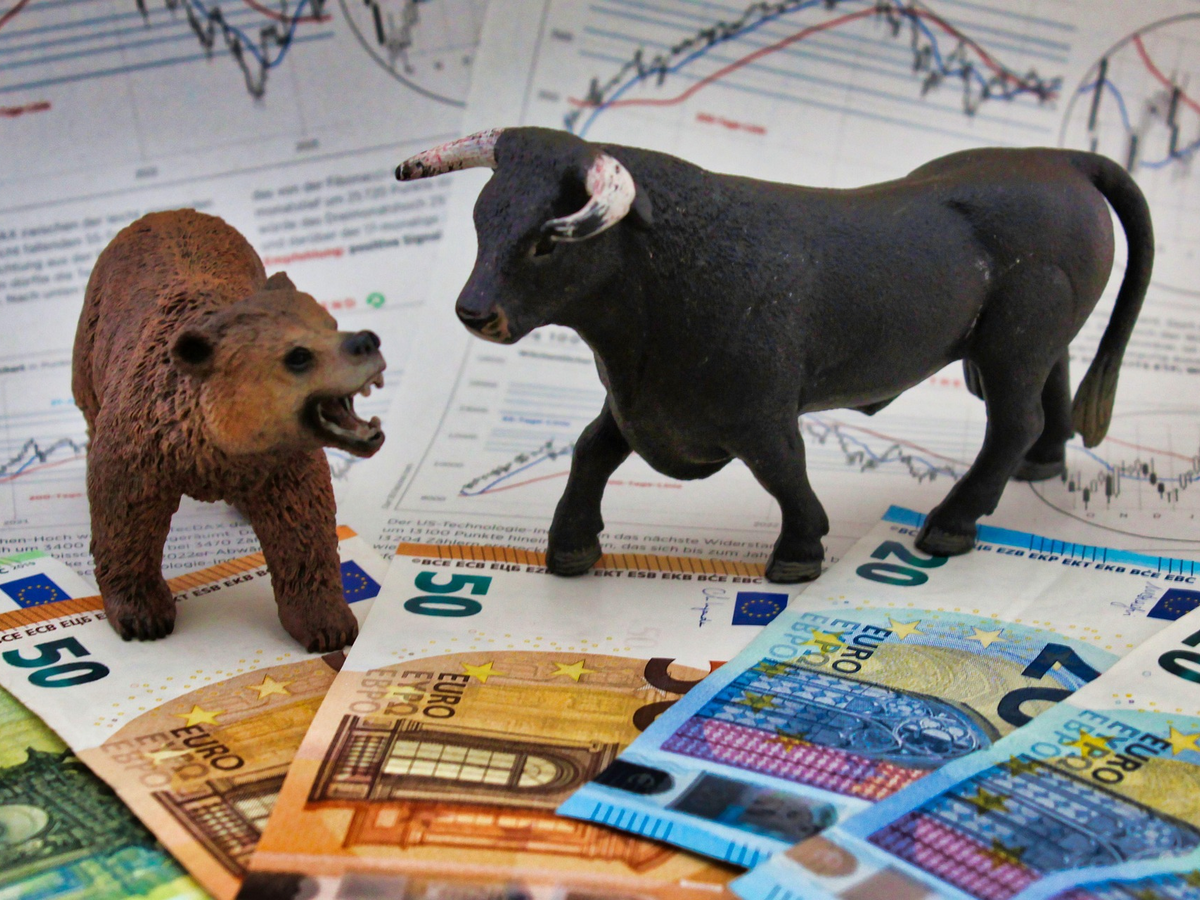
Vibe Check: The Dow Jones Industrial Average is locked in a tense standoff between nervous bears and stubborn dip-buyers. With the latest moves showing choppy, indecisive price action, traders are watching every macro headline like a hawk. No clean breakout, no total collapse – just a high-stakes tug-of-war where momentum can flip in a single session.
Want to see what people are saying? Check out real opinions here:
- Watch live Dow Jones trading streams and market breakdowns on YouTube
- Scroll the latest Wall Street market mood and chart posts on Instagram
- Binge short, viral investing tips and Dow trading hacks on TikTok
The Story: Right now the Dow is trading like a stressed-out veteran of every past cycle: it has seen bubbles, crashes, and everything in between, and the current environment is another classic macro showdown.
The narrative driving this index is a three-layer cocktail:
- Fed Policy Whiplash: Traders are constantly repricing how many rate cuts they expect from the Federal Reserve this year. Every speech from Jerome Powell, every line in the FOMC statement, every Fed dot-plot update turns into a battlefield. A softer tone from the Fed sparks relief rallies in blue chips, while any hint of “higher for longer” on interest rates quickly triggers defensive selling.
- Inflation vs. Growth Tug-of-War: CPI and PPI reports have turned into live events for the whole market. Slightly cooler inflation numbers fuel hopes of a soft landing: slow, controlled disinflation, steady employment, and corporate earnings that are pressured but not crushed. But any upside surprise in inflation keeps the ghost of renewed tightening alive, which weighs heavily on industrials, consumer names, and rate-sensitive sectors inside the Dow.
- Earnings Season Reality Check: The Dow is packed with real-economy giants: banks, industrials, healthcare, consumer staples, and a few megacap tech names. Earnings season has become the truth serum. Strong numbers with confident outlooks support the idea that America might skate through without a hard recession. But cautious guidance, cost-cutting, and talk of weaker consumer demand fuel recession fears, and the index reacts with swift sell-offs in individual names that bleed into the overall benchmark.
Add to that the endless stream of geopolitical headlines, energy price swings, and political noise, and you get exactly what we are seeing now: a market that is not in full panic, but not fully convinced either. This is classic late-cycle energy: rallies that feel fragile and dips that attract aggressive bottom-fishers.
Tech vs. Industrials: The Sector Rotation Game Inside the Dow
One of the most underrated stories inside the Dow is the ongoing rotation between growth-heavy tech plays and old-school industrial and energy names.
When yields slip and the market becomes more optimistic about future rate cuts, you usually see:
- Big tech and communication names catching a strong bid as discounted future cash flows suddenly look more attractive.
- High-quality growth within the Dow getting chased by momentum traders and passive flows.
But when yields pop higher or the Fed sounds tougher than expected, the script flips:
- Long-duration assets like tech and high PE names come under pressure.
- Defensive sectors (healthcare, staples) and value-heavy industrials sometimes outperform on a relative basis, even if the overall index is under stress.
Recently, the rotation has felt chaotic rather than clean. Some days, the Dow behaves like a boomer cousin of the Nasdaq, with tech leadership dragging the whole thing higher. Other days, it looks more like a pure macro barometer, with banks, energy, and machinery names reacting directly to bond yields, the dollar, and commodity prices.
For active traders, this means one thing: the index is masking huge internal battles. Under the hood, you have:
- Blue chips in stealth uptrends, grinding higher quietly.
- Lagging names stuck in grinding downtrends or nasty sideways ranges that are shaking out weak hands.
- High-volatility earnings plays that explode in either direction on a single line of guidance.
In other words, the Dow as a headline number might look like it is just drifting, but stock pickers know the real game is inside the components.
The Global Context: Why Europe and Asia Still Matter for the Dow
Even though the Dow is a US index, its heartbeat is undeniably global. Here is how external markets are feeding into Wall Street liquidity and sentiment:
- Europe: Weak European growth, energy uncertainty, and fragmented political risk tend to push global investors toward the perceived safety and liquidity of US large caps. That can support flows into Dow components, particularly global multinationals in industrials, consumer, and healthcare. But if European banks or sovereign debt ever show serious cracks, risk-off waves can smash US equities too, including the Dow.
- Asia: China’s growth trajectory, manufacturing data, and property sector headlines are a constant background driver. Dow components that rely on global trade, industrial exports, or supply chains react quickly to any sign of slowdown or stimulus in Asia. At the same time, strong sessions in Japan and other Asian markets ahead of the US open can set a positive tone for the Dow at the opening bell, while sharp overnight declines abroad often pre-load Wall Street with fear.
- Currency & Dollar Flows: When the US dollar strengthens, it pressures multinational earnings (foreign revenues translate back into fewer dollars) and makes US assets relatively more expensive for foreign investors. A softer dollar, on the other hand, supports risk assets and boosts the EPS of global exporters inside the index.
Put simply: the Dow might be quoted in New York, but it trades on global risk appetite. If Europe and Asia wobble in sync, the Dow rarely stays calm for long.
Deep Dive Analysis: Macro-Economics, Bond Yields, and the Dollar Index
To understand the current Dow environment, you cannot just stare at candles and moving averages. You have to look across the macro chessboard: bonds, rates, the dollar, and credit conditions.
Bond Yields: The US 10-year yield is the market’s truth detector. When it surges, it is usually because traders are demanding more compensation for inflation risk, stronger growth expectations, or both. For equities, especially a mature index like the Dow, rising yields are a double hit:
- They increase the discount rate used to value future earnings, pressuring P/E multiples.
- They compete as an alternative: at some level of yield, conservative capital starts preferring Treasuries over stocks.
When yields retreat, it gives the bulls breathing room. Value and dividend names inside the Dow often look more attractive relative to bonds when real yields compress, which can trigger fresh allocations from pensions and long-only institutions.
The Fed and the Path of Policy: The market is constantly trying to front-run the Fed. If incoming data suggests cooling inflation and stable employment, futures markets start to price in an easier policy path. That is when the narrative of a soft landing gains momentum, and the Dow can stage confident, broad-based rallies.
If, however, data shows sticky inflation or re-accelerating prices, traders start whispering about the possibility of fewer or later cuts. That is when you see sudden risk-off days: heavy selling in cyclicals, pressure on financials, and investors hiding in cash-like instruments.
The Dollar Index (DXY): A strong dollar often aligns with risk-off mood: emerging markets struggle, commodity prices can get hit, and global trade becomes more strained. For many Dow components with big overseas sales, a strong dollar is an earnings headwind. Conversely, a weakening dollar tends to support risk assets, boost commodity-linked plays, and improve the translation of foreign revenues into USD.
Consumer Confidence & Real Economy Signals: Since the Dow is loaded with companies that touch the everyday economy, consumer confidence surveys, retail sales, and employment data are crucial:
- Solid job markets and steady wages support spending, credit quality, and earnings resilience.
- Falling confidence, rising delinquencies, or weakening retail numbers all flag potential trouble ahead for corporate revenues.
Right now, the data mix is messy rather than clearly bullish or clearly recessionary. That is why the index is showing jittery but not catastrophic behavior. It is a market trying to price a path that is neither boom nor bust.
- Key Levels: With the latest data on the underlying website not fully verified for today, traders should focus less on exact numbers and more on important zones: visible support areas where recent dips have bounced, and resistance bands where repeated rallies have stalled. Those zones act as psychological battle lines between bulls and bears.
- Sentiment: The mood is not pure fear, but not full greed either. Social feeds show plenty of crash calls, but also an army of dip-buyers itching to deploy cash on every deeper pullback. This feels like a classic late-cycle standoff: funds are cautious but still invested, while short-term traders try to scalp both sides of the volatility.
The Sentiment: Fear, Greed, and Smart Money Flow
Scroll through YouTube thumbnails and TikTok clips and you will see it immediately: the narrative is polarised. On one side, you have creators screaming about a looming Dow crash, echoing every negative macro headline. On the other, you have disciplined traders calmly explaining why temporary corrections in blue chips have historically been opportunities, not endings.
Sentiment indicators and positioning data suggest:
- Retail traders are split: some are all-in on the rally narrative, others are sitting in cash waiting for a bigger wipeout.
- Institutional and so-called smart money is not euphoric, but also not fleeing. They are rotating, hedging, and tightening risk, not simply abandoning equities.
- Volatility is elevated enough to create trading setups, but not high enough yet to scream systemic panic.
That is a powerful combination for active traders: fear is high enough to create mispricings, but not so extreme that the world is burning.
Conclusion: Crash Risk or Stealth Opportunity?
The Dow Jones right now is not giving easy answers. It is trading like a veteran index in a complex macro regime: nervous, jumpy, but still fundamentally anchored by global blue chip earnings.
Risk factors are very real:
- Sticky inflation that could pressure the Fed into tighter-for-longer policy.
- A potential earnings slowdown if consumer spending cracks under higher rates and higher prices.
- Global growth scares from Europe or Asia that could drag down multinational revenues.
On the opportunity side, you have:
- Massive, deep-pocketed investor bases that still see diversified US blue chips as core holdings.
- The possibility of a genuine soft landing, where inflation cools without a brutal jobs shock.
- Rotations creating discounts in individual Dow components even when the headline index is not crashing.
For day traders and swing traders, this is prime hunting season: a market full of sharp intraday swings, earnings catalysts, macro-driven gaps, and clear sentiment flips. For longer-term investors, it is a moment to be brutally honest about risk tolerance, but also aware that every previous cycle of fear in the Dow eventually turned into a new chapter of opportunity.
Bottom line: this is not a lazy index drift. It is a real-time stress test of the global economy, corporate resilience, and Fed policy. Whether you see the current Dow environment as a trap or a gift depends on your time horizon, your discipline, and your understanding of macro. But one thing is certain: ignoring it is not a strategy.
If you want to navigate this environment like a pro, you need a framework: watch bonds and the dollar, track sector rotation inside the index, respect the important zones on the chart, and always overlay sentiment. The game is on, the stakes are high, and the Dow Jones is once again the main stage where global risk is being priced in.
Tired of poor service? At trading-house, you trade with Neo-Broker conditions (free!), but with real professional support. Use exclusive trading signals, algo-trading, and personal coaching for your success. Swap anonymity for real support. Open an account now and start with pro support
Risk Warning: Financial instruments, especially CFDs on indices like the Dow Jones, are complex and come with a high risk of losing money rapidly due to leverage. You should consider whether you understand how these instruments work and whether you can afford to take the high risk of losing your money. This content is for informational purposes only and does not constitute investment advice.
So schätzen die Börsenprofis Aktien ein!

Für. Immer. Kostenlos.