Dow Jones: Hidden Crash Risk or Once-in-a-Decade Buy-the-Dip Opportunity?
13.03.2026 - 05:10:35 | ad-hoc-news.de
Get the professional edge. Since 2005, the 'trading-notes' market letter has delivered reliable trading recommendations – three times a week, directly to your inbox. 100% free. 100% expert knowledge. Simply enter your email address and never miss a top opportunity again. Sign up for free now
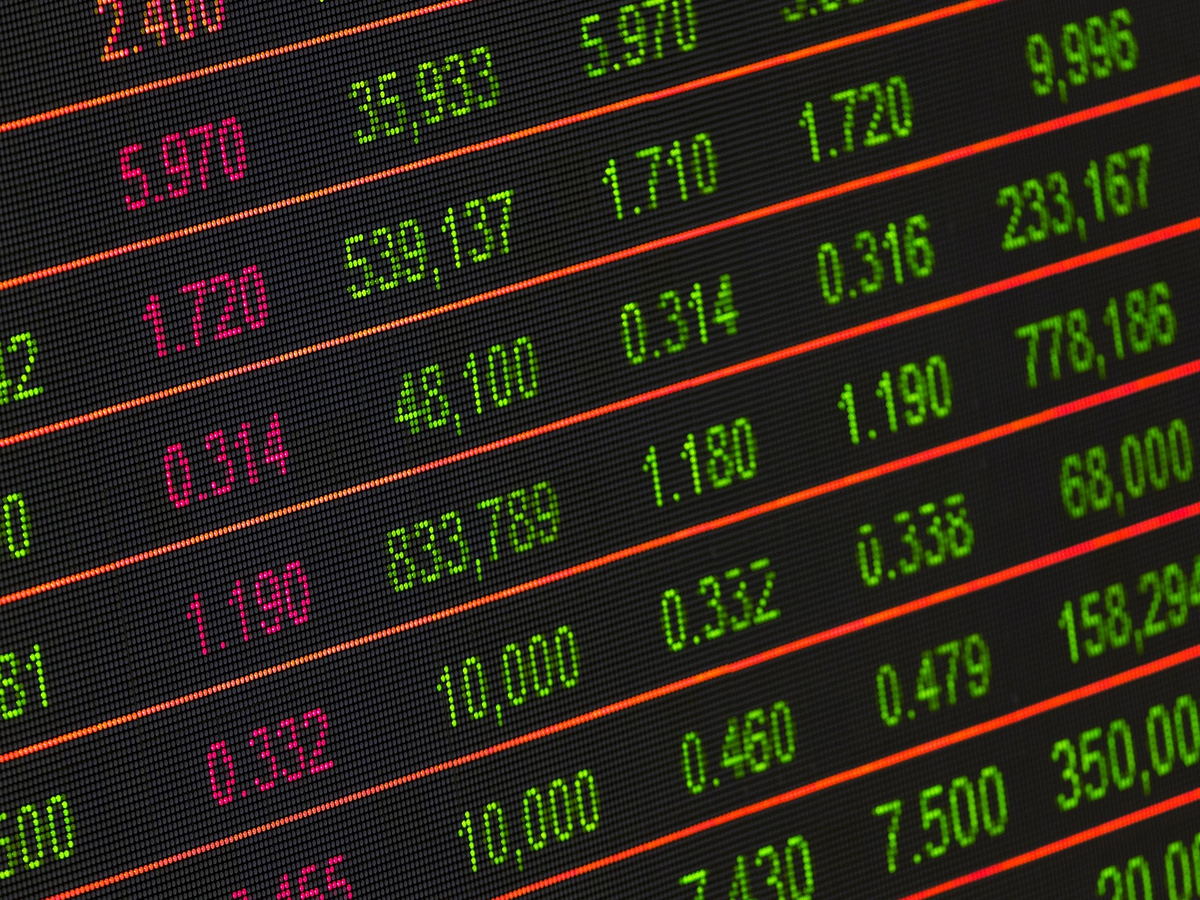
Vibe Check: The Dow Jones right now is in a tense, high-stakes stand-off between Bulls dreaming of a new blue-chip breakout and Bears calling for a painful reset. Price action has flipped between aggressive rallies and sharp, confidence-shaking pullbacks, sending a clear message: this is not a calm market, this is a battleground. We are in SAFE MODE, so instead of quoting exact points, we’re talking about violent swings, heavy intraday reversals, and a tone on Wall Street that feels edgy, opportunistic, and one headline away from an explosive move.
Want to see what people are saying? Check out real opinions here:
- Watch live Dow Jones battle streams and trader reactions on YouTube
- Scroll the latest Wall Street mood swings and chart posts on Instagram
- Binge viral TikTok hacks on Dow trading and day-trade setups
The Story: The Dow Jones Industrial Average, the OG barometer of American blue-chip strength, is stuck in a high-volatility chapter where macro, policy, and global flows collide. You’ve got the Fed trying to walk a tightrope, inflation refusing to fully chill, bond yields swinging like a meme stock, and every new data release turning the Opening Bell into a mini event.
At the core is the Federal Reserve’s balancing act. Markets spent months fantasizing about clean, fast rate cuts. That fantasy has been repeatedly challenged by sticky inflation data and resilient labor numbers. So instead of a smooth glide into a low-rate environment, we’re getting a choppy, stop-and-go narrative: one week, traders are pricing in more easing and the Dow rips; the next, a hot inflation print or hawkish Fed commentary slams expectations and the index gets hit with a heavy risk-off wave.
Inflation is no longer in full crisis mode, but it’s not back to the comfortable, boring levels that let the Fed just chill. The Dow, as a basket of big, global, often dividend-paying companies, lives and dies on two macro stories:
- Can earnings keep expanding in a world of higher-for-longer rates?
- Will the cost of capital finally start to ease, giving cyclicals and industrials a second wind?
On top of that, corporate America is in a late-stage earnings cycle vibe. A lot of mega-cap names have already proven they can survive tighter conditions, but forward guidance is mixed. Some CEOs are flexing with confident outlooks, others are quietly slipping in cautious language about consumer fatigue, rising input costs, or global demand slowing. Every big Dow component that reports becomes a mini referendum on the next leg of the index.
That’s why the Dow has been trading like a mood ring. Positive earnings surprises and dovish hints from the Fed fuel powerful relief rallies. But any disappointment or hawkish twist sparks sudden air pockets in price, turning what looked like a clean breakout into a nasty bull trap. Swing traders love this environment. Long-only investors? They’re sweating a bit more than usual.
Macro-Economics: Why the Dow Is So Jumpier Than Usual
The macro backdrop right now is like a messy group chat: too many voices, too many narratives, and everyone thinks they’re right. To really understand the Dow’s current behavior, you have to zoom out into three core macro levers: bond yields, Fed policy, and the real economy (especially the US consumer).
Bond Yields – The Invisible Gravity on Blue Chips
Bond yields have become the hidden boss level behind every intraday swing. When yields on longer-dated Treasuries push higher, the Dow often feels a heavy gravitational pull. Why?
- Higher yields mean safer assets suddenly look more attractive compared to stocks.
- Big Dow components with significant leverage face higher financing costs over time.
- Valuations get squeezed as discount rates rise, making future cash flows less valuable.
So when yields spike on the back of strong economic data or hawkish Fed talk, you often see a quick, broad-based selloff in blue chips: industrials, financials, even some defensive plays. On the flip side, when yields cool off—maybe due to softer data, dovish Fed energy, or renewed recession fears—the Dow tends to catch a strong bid as investors rotate back into the safety and income profile of established names.
Fed Policy – The Master Narrative
The Fed is the scriptwriter of this entire saga. The US30 doesn’t just react to actual rate decisions; it front-runs and overreacts to expectations. Traders are obsessing over three things:
- How many cuts (if any) are realistically on the table in the next 12 months.
- Whether the Fed will tolerate slightly higher inflation in exchange for growth stability.
- How aggressively the Fed will communicate to avoid a rerun of past policy mistakes.
Every press conference, every line in the FOMC statement, every random soundbite from a Fed official becomes a volatility trigger. A single phrase like “higher for longer,” “data dependent,” or “not yet confident” can flip the intraday bias from bullish euphoria to defensive selling.
The Real Economy – Consumer vs. Corporate
The US consumer is still the backbone of the narrative. Retail sales, consumer confidence, and labor market data are all feeding into the same core question: are we heading for a clean soft landing, a drawn-out slowdown, or a full-blown recession scare?
The Dow is particularly sensitive here because many of its components are tied to:
- Global trade and manufacturing cycles
- Consumer spending on durable goods and services
- Financial health via banks and insurers
When consumer confidence looks resilient and job data stays solid, the Dow leans into a bullish, soft-landing narrative: industrials catch a bid, financials look healthier, and cyclicals rally on optimism. But any cracks—rising delinquencies, weaker retail numbers, corporate layoffs—quickly feed the Bears’ argument that earnings are living on borrowed time.
Sector Rotation: Tech vs. Industrials vs. Energy Inside the Dow
Here’s where it gets really spicy: the Dow might be an old-school index, but under the hood, the sector game is evolving fast.
Tech & Growth-y Names in the Dow
Even though the Nasdaq is the home of hyper-growth, the Dow still has heavyweight tech and tech-adjacent players that inject volatility into the mix. When the market is in FOMO mode about innovation, AI, and digital transformation, those names drag the Dow higher with strong momentum. But when yields jump and risk appetite fades, they also become pressure points that weigh on the whole index.
Industrials – The Cyclical Heartbeat
Industrials remain the soul of the Dow. These are the companies that live off capital expenditure, infrastructure, logistics, travel, and global trade. When markets believe in a global growth upswing, industrials light up: order books expand, margin outlooks improve, and analysts start upgrading price targets.
Right now, industrials are in a tug-of-war:
- Tailwinds: Re-shoring, infrastructure spending, defense budgets, and capex cycles.
- Headwinds: Higher funding costs, wage pressure, and uncertainty about global demand.
The result: choppy but potentially powerful upside if the soft-landing story stays intact.
Energy – Volatility Amplifier
Energy names in the Dow act like a volatility amplifier. They swing with oil prices, geopolitics, and OPEC decisions. When crude spikes on supply fears or geopolitical shocks, energy stocks can cushion Dow downside—or even lead mini rallies. But when global growth fears dominate and oil prices weaken, these names can drag hard.
Traders watching the Dow need to pay close attention to the energy complex: it often tells you whether the market is more worried about inflation and supply risk or about demand destruction and slowdown.
Financials – The Interest Rate Barometer
Banks, insurers, and financial infrastructure names inside the Dow are pure interest rate plays. Steeper yield curves are usually bullish for their margins, while flat or inverted curves keep them under pressure. Add in credit risk, commercial real estate concerns, and regulatory chatter, and you’ve got another pocket of the index that reacts violently to macro headlines.
Global Context: How Europe and Asia Are Driving US Liquidity
The Dow doesn’t trade in a vacuum. Overnight sessions in Asia and morning action in Europe now set the emotional tone before the New York Opening Bell even rings.
Asia – The First Mover
Asian markets, especially in Japan and China, have become crucial leads for Dow futures:
- Japan: Moves in Japanese equities and yield policy can shift global risk appetite. If Japanese yields climb or local equities wobble, global carry trades and risk sentiment can reverse, spilling into US futures.
- China: Data on manufacturing, exports, property, and stimulus drive the global growth narrative. A positive surprise from Beijing can trigger risk-on flows into cyclicals and commodities, lifting the Dow. Negative news feeds global slowdown fears and pushes investors into safer assets.
Europe – The Pre-Game Session
European trading hours have turned into a live rehearsal for Wall Street. When European indices sell off hard on recession worries, energy shocks, or political stress, the Dow often opens with a heavy tone. When Europe rallies on strong earnings or softer inflation, US futures tend to ride the wave.
On top of that, European central bank policy influences global bond markets. If European yields move sharply, US yields often react in sympathy, indirectly impacting Dow valuations.
Global Liquidity and the Dollar
The US Dollar itself is another big lever. A strong dollar pressures multinational Dow constituents by:
- Making US exports more expensive.
- Reducing foreign earnings when converted back into dollars.
A softer dollar, on the other hand, tends to be bullish for global trade, commodities, and risk assets—creating a friendlier backdrop for the Dow.
Deep Dive Analysis: Let’s stitch this together into a tradable, strategy-ready view of what’s really driving Dow flows right now.
Bond Yields and the Dollar Index – The Macro Combo You Can’t Ignore
When you combine bond yields and the Dollar Index, you get a powerful macro signal for the Dow.
If bond yields are rising and the dollar is firm or strengthening, that’s usually a double headwind for the index. It screams tighter financial conditions, global pressure on earnings, and less appetite for risk. The typical reaction in that regime is:
- Multiple compression in blue chips.
- Outflows from cyclicals and rate-sensitive sectors.
- Rotation into defensive names or short-duration assets.
On the flip side, when yields ease and the dollar softens, the market narrative often flips into:
- Reflation or soft-landing optimism.
- Rotation into industrials, financials, and energy.
- Stronger bids for dividend-paying Dow components as income investors feel less competition from bonds.
Key Levels: Important Zones on the Dow Radar
Because we’re in SAFE MODE and not using specific point levels, think in terms of zones and behavior rather than hard numbers.
- Upper Resistance Zone: The Dow has a clear band above current trading where rallies keep stalling. Each time price probes into this upper zone, profit-taking and algorithmic selling kick in, signalling hesitation. This is where failed breakouts and bull traps have been forming.
- Middle Range Zone: This is the choppy, sideways battlefield where Bulls and Bears wrestle day after day. Volume is high, reversals are frequent, and intraday breakouts often get faded. It’s a trader’s playground but a long-term investor’s headache.
- Lower Support Zone: Beneath current trading lies a cluster of demand where previous selloffs have bounced. Each test of this lower zone becomes a referendum on whether this is still a buy-the-dip market or if we’re transitioning into a deeper correction. If this zone breaks decisively, sentiment could flip from cautious optimism to genuine fear.
Sentiment: Who Owns Wall Street Right Now – Bulls or Bears?
Sentiment is not one-directional; it’s split and noisy.
Retail Crowd: The social feeds are a mix of doom thumbnails screaming “Dow Crash Incoming” and ultra-bullish clips hyping “inevitable ATH breakouts.” That polarization tells you one thing: emotion is high, conviction is low. The crowd is jumpy, reacting to every headline with either panic or euphoria.
Smart Money: Institutional flows appear more tactical. There is evidence of hedging via options, rotation between sectors instead of full-on exits, and selective buying of quality names on dips. That suggests the big money is not all-in on a crash scenario, but it’s also not blindly trusting a smooth rally.
Fear vs. Greed: The overall vibe is somewhere between cautious and opportunistic. Not full panic, but not carefree greed either. Think of it as a high-alert environment: participants are ready to strike on opportunity, but equally ready to slam the exits if macro conditions deteriorate.
Risk vs. Opportunity: How to Think Like a Pro in This Dow Environment
So, is this a hidden crash risk or a once-in-a-decade buy-the-dip setup?
Crash Risk Drivers:
- If inflation re-accelerates and forces the Fed into a more aggressive stance than the market expects, the Dow could see a sharp, disorderly repricing.
- If global growth data—from China, Europe, or emerging markets—rolls over hard, earnings estimates for Dow components could fall in a hurry.
- If credit stress emerges (for example, in commercial real estate or high-yield credit), financials could become a drag and spill over into broader risk-off selling.
Opportunity Drivers:
- If inflation continues to grind lower while growth remains positive, the soft-landing narrative becomes base case, and blue chips could rerate higher.
- If bond yields stabilize or trend down, valuations for the Dow’s dividend and cash-flow machines suddenly look very attractive.
- If global central banks broadly shift from tightening to a more friendly or neutral stance, risk appetite can return quickly, with the Dow benefiting as a core allocation for institutional portfolios.
Mindset for Traders and Investors
For short-term traders, this is a dream environment: volatility, rotation, fake-outs, and explosive moves around news events. It rewards those who can read sentiment, respect risk, and avoid marrying a bias.
For longer-term investors, the message is more nuanced. You’re navigating a late-cycle, policy-sensitive phase where:
- Quality balance sheets matter more than hype.
- Duration and leverage risk must be watched closely.
- Diversification across sectors within the Dow can dampen single-theme shocks.
Instead of chasing every rally or panicking at every dip, the pro move is to define your time frame, know your max drawdown tolerance, and align your strategy with the macro path you believe is most likely—while still respecting that the market can and will surprise you.
Conclusion: The Dow’s Crossroads Moment
The Dow Jones isn’t just another index right now; it’s the arena where global growth expectations, Fed credibility, and corporate resilience are all colliding in real time. Price action is telling you that the market is undecided: neither the Bulls nor the Bears are fully in control. Instead, we’re trading through a series of high-stakes tests—on inflation, on earnings, on growth.
The risk side of the ledger is real: a policy mistake, a surprise inflation flare-up, a global growth scare, or credit event could flip this from controlled volatility into a deeper blue-chip correction. Anyone pretending those risks don’t exist is not being honest.
But the opportunity side is just as real: if we do get a genuine soft landing, if the Fed manages a careful pivot, and if earnings hold up even moderately well, the Dow could emerge from this choppy phase as a powerful long-term winner. For disciplined traders and investors, this kind of uncertainty is not something to fear—it’s the raw material from which outsized returns are built.
So, is this a looming crash or a generational buy-the-dip setup? The truth is, it could become either. Your edge will not come from predicting the future perfectly, but from:
- Reading macro signals (bond yields, the dollar, inflation, and growth data) without emotion.
- Respecting technical zones of support and resistance instead of trading blind.
- Understanding sector rotation inside the Dow rather than treating it as a single monolithic block.
- Positioning size and risk management so that you can survive if you’re early—and press harder when the market finally shows its hand.
Right now, Wall Street is offering you a choice: stand on the sidelines and let volatility scare you, or step in strategically, treat the Dow like the professional playground it is, and use this stormy phase to build positions that could look very smart when the dust settles.
Whatever you do, don’t sleepwalk through this chapter. The Dow is broadcasting a clear message: this is not the time for autopilot. This is the time for a plan.
Tired of poor service? At trading-house, you trade with Neo-Broker conditions (free!), but with real professional support. Use exclusive trading signals, algo-trading, and personal coaching for your success. Swap anonymity for real support. Open an account now and start with pro support
Risk Warning: Financial instruments, especially CFDs on indices like the Dow Jones, are complex and come with a high risk of losing money rapidly due to leverage. You should consider whether you understand how these instruments work and whether you can afford to take the high risk of losing your money. This content is for informational purposes only and does not constitute investment advice.
So schätzen die Börsenprofis Aktien ein!

Für. Immer. Kostenlos.