
Dole Stock - Long-term fresh produce business model in focus
Published on 06/20/2026 at 19:04 | Editorial responsibility: Rafael Müller, Editor-in-Chief AD HOC NEWS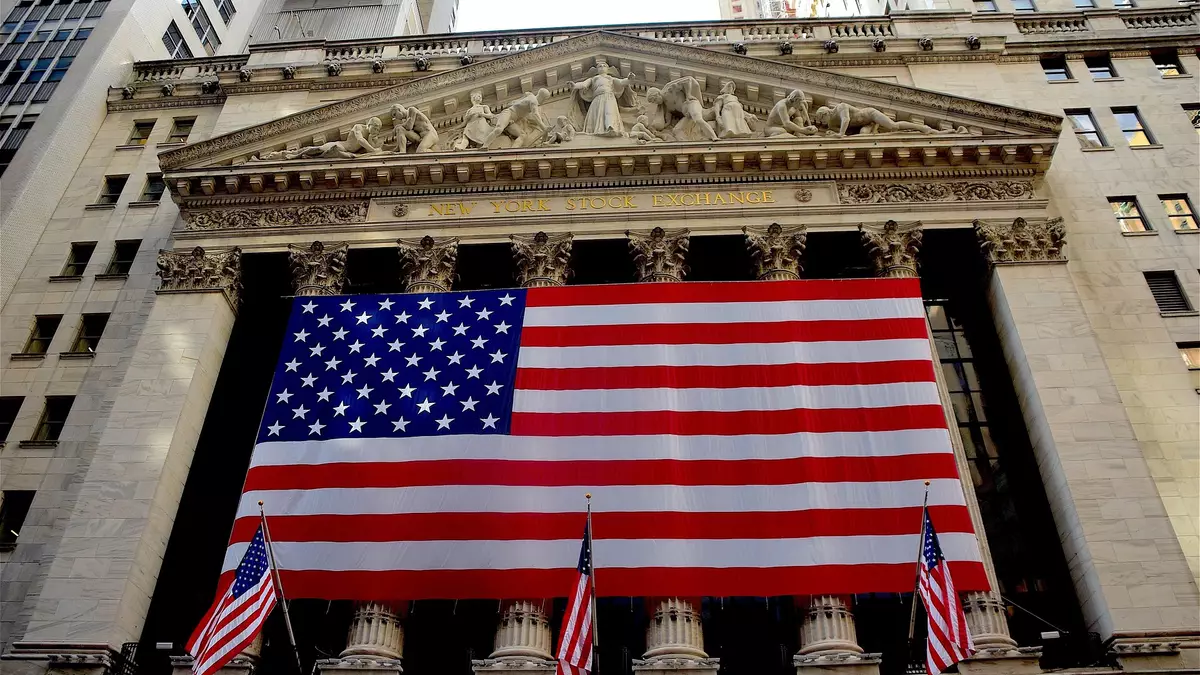
Edited by ad hoc news Long-Term & Business-Model Desk. Verified prior to publication on 06/20/2026, 18:59 CET. Details in the imprint.
Dole plc (IE00B8XWBS41) is one of the world’s largest fresh produce companies with a broad portfolio spanning bananas, pineapples, fresh vegetables and salads. With no new company-specific filings or major analyst moves reported today, the focus turns to the group’s long-term business model and positioning in the global food supply chain.
Background and price data on Dole stock
Dole combines a global fruit franchise with value-added salads and vegetables; additional company news and historical data are available in the ad hoc news topic overview and on the group’s investor-relations pages.
How Dole earns its money
At its core, Dole operates a vertically integrated model in fresh produce. The group sources, grows, packs, ships and markets bananas, pineapples, other tropical fruits, fresh vegetables and prepared salads to retailers and foodservice customers worldwide.
This integration is capital-intensive. Plantations, refrigerated ships, port facilities and distribution centers tie up significant capital, but they also create barriers to entry in a market where quality, food safety and reliable delivery are critical for supermarket contracts.
Long-term strategy and scale effects
Dole’s long-term strategy builds on scale, diversification and value-added products. Scale matters because major retail chains increasingly consolidate suppliers and demand consistent year-round volumes, which favors large players with global sourcing networks.
Diversification across fruits, geographies and customer channels is designed to cushion swings in individual crops or regions. Weather shocks, diseases and local demand weakness can hit single product lines, but the wider portfolio can soften the financial impact across the group.
Fresh produce demand and structural drivers
Fresh fruit and vegetables are staple products in most households, which provides a relatively resilient demand base across economic cycles. Health and wellness trends in many developed markets support long-term consumption of produce and ready-to-eat salad offerings.
At the same time, competition in bananas and other bulk fruit categories remains intense, especially from low-cost producers and regional brands. Retailers use bananas as a traffic driver and tend to negotiate aggressively on price, which compresses margins over time.
Cost pressures and margin sensitivity
Input costs are a crucial factor in Dole’s long-term profitability. Fuel for ships, fertilizer, labor and packaging costs directly affect margins in a business where selling prices are often set in competitive retail tenders.
Because the company cannot always pass on higher costs immediately, profitability can be volatile from year to year. Currency swings between growing regions and end markets add another layer of complexity for reported earnings and cash flow.
Capital allocation and balance sheet
For a long-term investor, capital allocation is central. The company needs to balance investment in farms, logistics and processing facilities with shareholder returns and debt reduction, particularly after larger acquisitions or expansion phases.
Over time, a disciplined approach to leverage is important in a cyclical, low-margin industry. High interest costs can quickly eat into thin operating margins, so manageable debt levels and stable refinancing conditions are key to safeguarding financial flexibility.
Competitive landscape in fresh produce
Dole competes with other multinational produce groups and large regional players. Scale in sourcing and logistics is one pillar of competition; the other is the ability to offer reliable, high-quality supply to large retailers and foodservice chains.
Private-label programs play a major role. Many supermarket groups sell bananas, pineapples and salads under their own brands, with Dole supplying the product behind the label. This shifts some consumer-facing power toward retailers but can still offer volume stability for the supplier.
Value-added products and branding
Beyond bulk fruit, Dole has pushed into value-added categories such as pre-packaged salads, salad kits and fresh-cut vegetables. These products generally carry higher unit prices and can offer better margins than commodity bananas.
However, they also require strict cold-chain management and have shorter shelf lives, which raises operational complexity. Branding matters more in salads and fresh-cut than in generic bananas, creating scope for differentiation through taste, convenience and packaging.
ESG factors and sustainability
Environmental, social and governance topics are increasingly relevant for a company that relies on agricultural land, water, labor-intensive harvesting and long-distance shipping. Investors pay attention to pesticide use, water management and biodiversity on plantations.
Labor conditions, worker safety and wages in producing countries can also become reputational and regulatory risks. Certifications and third-party audits help address these concerns, but sustained improvements require ongoing investment and management attention.
Climate risk and resilience
Climate change is a structural risk for Dole’s business model. More frequent extreme weather events, shifts in rainfall patterns and temperature changes can affect yields and disease pressure in tropical crops such as bananas and pineapples.
Building resilience means diversifying growing regions, investing in more robust varieties and improving agronomic practices. It also involves adapting logistics networks to more frequent disruptions in ports, shipping lanes or local infrastructure.
Technology in farming and logistics
Over the long term, technology can partially mitigate these risks. Precision agriculture, better forecasting tools and improved cold-chain monitoring provide management with more data to optimize yields and reduce losses from spoilage or delays.
Digitization in logistics, from vessel routing to inventory tracking, helps manage working capital and reduce waste. However, the underlying biological nature of crops means technology can improve, but not eliminate, volatility.
Regulation and trade patterns
Regulation shapes the operating environment. Food safety rules, pesticide limits and labeling requirements in the United States and the European Union create compliance costs but also form barriers to entry for smaller producers.
Trade policies, tariffs and sanitary rules influence where produce can be shipped economically. Over the long term, shifts in trade agreements or import restrictions can force companies like Dole to adjust sourcing and route planning.
Consumer trends and packaging
Consumer expectations around convenience and sustainability pull in different directions. On one hand, demand for ready-to-eat salads and fresh-cut fruits supports value-added categories; on the other, concerns about plastic waste push retailers and suppliers to rethink packaging choices.
In response, Dole and its peers test lighter packaging, recyclable materials and new formats such as resealable bags. Finding solutions that maintain shelf life while cutting plastic content is an ongoing development task across the industry.
Importance of retailer relationships
In the long run, stable relationships with major international and regional retailers are critical for Dole. Large supermarket chains allocate shelf space and can decide whether to emphasize global brands, private label or regional suppliers in each category.
Supplying multiple product lines to the same retail group can deepen relationships and support cross-category negotiations. However, this can also concentrate customer risk if a major retailer restructures its supplier base.
Emerging markets growth
Structural growth in emerging markets provides an additional long-term demand driver. Rising incomes in parts of Asia, Latin America and Africa support higher consumption of imported fruits and packaged salads, particularly in urban centers.
Dole’s global footprint can help capture some of this growth, but execution depends on building efficient logistics into new markets and navigating local competition and regulatory regimes.
Financial profile over the cycle
Over a full cycle, the financial profile of a large produce company is characterized by relatively low operating margins but significant asset turnover. Cash flow generation tends to vary with crop prices, input costs and logistics efficiency.
For long-term investors, the key questions are whether management can sustain or gradually improve margins, maintain disciplined capital spending and allocate free cash flow in a way that supports both balance-sheet strength and shareholder returns.
Dividend policy and shareholder returns
Dole has historically emphasized returning part of its cash generation to shareholders when conditions allow, often via ordinary dividends. The sustainability of future payouts will depend on earnings stability, capital needs and leverage targets.
In a capital-intensive business exposed to weather and price cycles, dividend decisions tend to be conservative relative to more asset-light sectors, particularly in years following major investments or acquisitions.
Role in a diversified portfolio
From a portfolio-construction angle, Dole stock offers exposure to the global food and agriculture value chain rather than technology or financials. Its earnings drivers differ from those of software, energy or industrial names.
At the same time, the stock remains sensitive to macro factors such as consumer spending, fuel prices and exchange rates. It is not a pure defensive play, even if demand for basic food products is relatively steady through cycles.
The product behind the stock
Dole is best known to many consumers for its branded bananas and pineapples, which appear in supermarket fruit aisles worldwide alongside packaged salad mixes and other fresh vegetable products under the Dole name.
Where the stock trades today
The shares of Dole plc (IE00B8XWBS41) trade on the New York Stock Exchange under the ticker DOLE; the latest observable price information in US dollars should be checked on the exchange or the company’s investor-relations site as of 06/20/2026, 18:59 CET before making decisions.
Dole at a glance
- Company: Dole plc
- ISIN: IE00B8XWBS41
- WKN: A3CS8G
- Ticker: DOLE
- Venue: NYSE
- Price (as of 06/20/2026, 18:59 CET): latest quote in USD via NYSE
- Market cap: latest available figure in USD (as of June 2026)
- Sector / Industry: Consumer Staples / Packaged Foods & Meats, Fresh Produce
- Index membership: not a member of major flagship indices such as the S&P 500 or Dow Jones Industrial Average
- Next earnings date: next quarterly results date to be confirmed on the company’s financial calendar
This article was AI-assisted and editorially reviewed. Price and company data without warranty; prices and dates may change at short notice. No investment advice, no buy or sell recommendation. Trading securities involves risk up to total loss of capital.


