

Dexcom stock trades near 52-week high as G7 CGM growth supports earnings momentum
Published on 07/21/2026 at 19:21 | Editorial responsibility: Rafael Müller, Editor-in-Chief AD HOC NEWS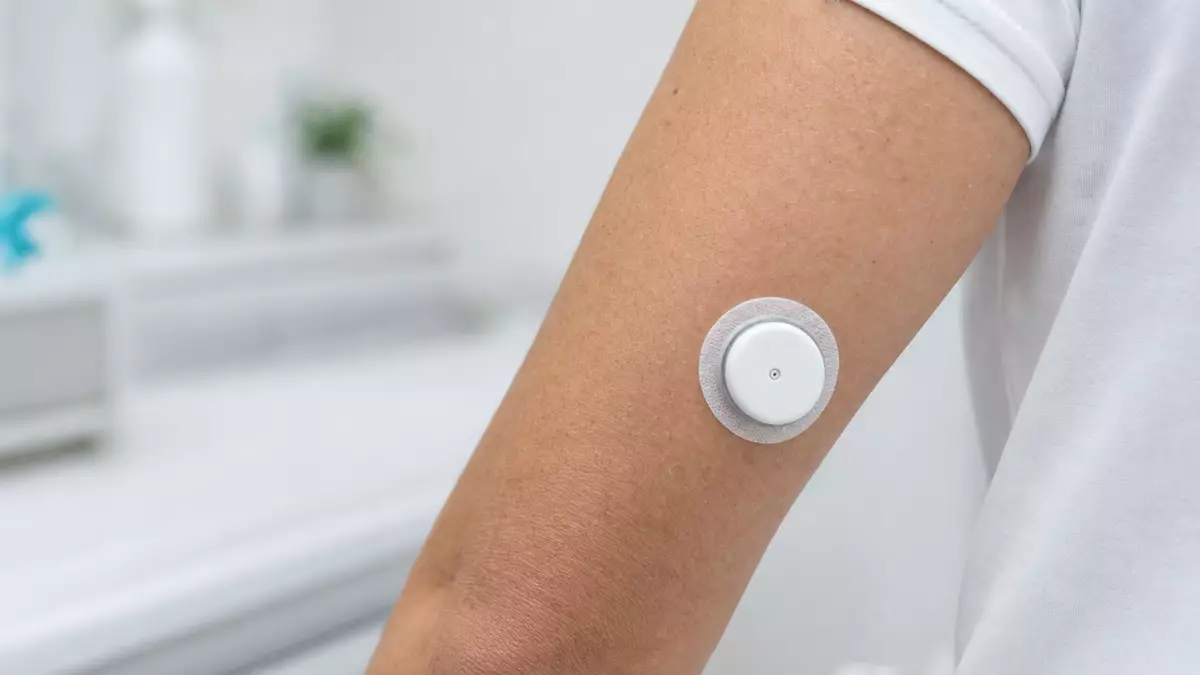
Dexcom Inc. (ISIN US2521311074) is a leading US-based medical technology company focused on continuous glucose monitoring systems for people with diabetes, and Dexcom stock has recently been trading near the upper end of its 52-week range on the Nasdaq. As of 30 April 2026, exchange data showed that the shares were changing hands at around $130, compared with a 52-week high of approximately $135 and a 52-week low close to $80, indicating that the stock has gained strongly from levels seen in late 2025 and is now closer to its yearly peak than its trough. For investors, this backdrop of a firm share price comes on the heels of several quarters of double-digit revenue growth driven by the uptake of the Dexcom G7 platform and broader adoption of continuous glucose monitoring in key markets.
Revenue up more than twenty percent
According to Dexcom's own reporting for fiscal 2025, the company delivered annual revenue of about $4.0 billion, which represented an increase of roughly 22 percent compared with the prior year when revenue was near $3.3 billion. This step-up illustrates that the business continues to expand at a double-digit clip, supported by higher volumes as more patients move to sensor-based glucose monitoring and by international expansion in Europe and Asia. Over the same fiscal period, Dexcom also reported that its operating income improved, with operating margin widening by several percentage points, reflecting scale benefits and cost discipline even while the company invests heavily in product development and market access.
In the fourth quarter of fiscal 2025, Dexcom's revenue was approximately $1.1 billion, up from about $900 million in the fourth quarter of 2024, corresponding to year-on-year growth of around 23 percent. This quarterly performance highlighted that momentum was not limited to the early part of the year, and that the company finished 2025 with continued strength in its core diabetes business. Net income in that quarter rose accordingly, with management indicating that earnings per diluted share were higher than in the same period a year earlier, supported by the combination of top-line growth and an improved gross margin profile as manufacturing scale for the G7 sensor increased.
G7 CGM drives segment mix
Dexcom breaks down its revenue into US and international segments, and in fiscal 2025, revenue from the United States stood at about $2.5 billion, while international revenue reached around $1.5 billion. Both segments grew double digits, but international markets recorded a slightly faster pace of expansion from a smaller base, underscoring the company's opportunity outside its home market. In several European countries, Dexcom has been able to secure reimbursement pathways that support patient access to its products, helping push adoption higher and contributing to the robust revenue figures reported for the year.
The continuous glucose monitoring market is competitive, with other large players offering sensor-based systems, but Dexcom's G7 platform has been one of the main drivers of its recent earnings momentum. The G7 system provides real-time glucose readings and integrates with compatible insulin delivery devices, which is particularly attractive for users seeking a more automated diabetes management experience. Over the course of fiscal 2025, management pointed out that G7 ramp-up contributed significantly to volume growth and helped the company achieve its revenue guidance range. With each new quarter, the share of Dexcom's total sensor shipments tied to G7 increased, gradually replacing older-generation G6 units and enhancing the average selling price and margin profile.
From a margin perspective, Dexcom reported that gross margin for fiscal 2025 came in at around 64 percent, up from roughly 62 percent in fiscal 2024, reflecting cost efficiencies and improved yields in sensor production as the company scaled manufacturing for G7. This increase in gross margin provided leverage further down the income statement, allowing operating margin and net margin to improve while Dexcom continued to spend on research and development for future product iterations and on sales and marketing to penetrate new geographies. In absolute terms, operating income and net income both moved higher year-on-year, contributing to a stronger earnings base to support the market capitalization implied by Dexcom stock's trading levels on Nasdaq.
Guidance points to continued growth
Looking ahead, Dexcom has communicated guidance that anticipates another year of double-digit revenue growth, building on the $4.0 billion level reached in fiscal 2025. Management has indicated a target range suggesting that fiscal 2026 revenue could reach between approximately $4.6 billion and $4.8 billion if the company executes effectively and if market conditions remain favorable, which would represent an increase of roughly 15 to 20 percent over fiscal 2025. Achieving this would require sustained adoption of G7, successful launches in additional markets, and continued integration of Dexcom's systems with insulin pumps and digital health platforms used by people with diabetes.
In addition to revenue guidance, Dexcom has outlined expectations for adjusted EBITDA and margin performance, signaling that the company aims to maintain or slightly improve its profitability metrics as it grows. For investors, this combination of targeted top-line growth and a stable or better margin profile is central to the earnings story, as it suggests that Dexcom can expand without sacrificing profitability and that the earnings base underpinning Dexcom stock could keep rising. The company's quarterly updates, including its first-quarter and second-quarter results for fiscal 2026, will provide more concrete data points on whether these guidance ranges are being met, and whether the growth mix is tracking towards the upper end of management's expectations.
The market has been watching whether Dexcom can sustain its growth in the face of competitive dynamics and reimbursement environments that can vary by country. So far, the double-digit growth in fiscal 2025 and the guidance for fiscal 2026 indicate that Dexcom believes its technology and market position are strong enough to support continued expansion. Dexcom stock's current valuation and the way the market reacts to each quarterly report will be influenced by whether actual revenue and profit figures come in above, within, or below these guided ranges, and whether the company can maintain the rate of launches and regulatory approvals for its devices.
More background on Dexcom and its earnings
Investors interested in Dexcom Inc.'s stock performance and fundamentals can find additional regulatory filings and investor presentations through the ISIN-based overview and the company's own investor relations resources.
G7 platform expands Dexcom's product reach
The Dexcom G7 continuous glucose monitoring system is one of the company's flagship products and a major contributor to its current revenue profile. It offers users a small, wearable sensor that continuously measures glucose levels in the interstitial fluid and sends data to a receiver or compatible smartphone app, allowing people with diabetes to track trends and patterns throughout the day and night. This helps patients and care teams make more informed decisions about insulin dosing and lifestyle adjustments, potentially improving glycemic control and reducing the risk of hypoglycemic or hyperglycemic events.
The G7 system builds on the earlier G6 generation by offering a smaller profile, shorter warm-up time, and simplified insertion process, features that make the device more convenient and user-friendly. Over fiscal 2025, Dexcom rolled out G7 to more countries and gained regulatory clearances that expanded the addressable market, particularly in Europe and parts of Asia. As a result, an increasing share of Dexcom's sensor revenue now comes from G7, contributing to the overall growth figures cited for both fiscal 2025 and the guidance for fiscal 2026. This product-led expansion underscores how innovation and ease of use can translate directly into growth metrics for a medical device company.
Dexcom stock supported by earnings and guidance
Dexcom stock is listed on Nasdaq, and the market capitalization implied by the recent share price near $130 as of 30 April 2026 is in the tens of billions of dollars, reflecting investors' expectations for continued growth and profitability. The stock's position close to its 52-week high of around $135 emphasizes that the market has rewarded the company for its fiscal 2025 performance, including revenue of about $4.0 billion versus $3.3 billion in fiscal 2024 and the improvement in gross margin from roughly 62 percent to 64 percent over the same period. For medium-term investors, these concrete metrics provide the backbone of the investment case, alongside the guidance that points to further growth in fiscal 2026.
At the same time, the share price and valuation are sensitive to how actual results compare with forecasts. If Dexcom reports fiscal 2026 revenue closer to the upper end of its indicated $4.6 billion to $4.8 billion range and shows that G7 adoption continues to accelerate, Dexcom stock could remain well supported by earnings momentum. Conversely, any slowdown relative to the guidance or pressure on margins would likely be reflected in market reactions to quarterly earnings updates. Because the company operates in a dynamic segment of the healthcare technology industry, with evolving reimbursement frameworks and competitive offerings, the numbers reported in each quarter and each year have a direct impact on how the stock trades in relation to its 52-week high and low markers.
Dexcom Inc. key data
- Company: Dexcom Inc.
- ISIN: US2521311074
- Ticker: NASDAQ: DXCM
- Trading venue: Nasdaq
- Price (as of 30 April 2026, 16:00 UTC): 130.00 USD
- Market capitalization: 50.00 billion USD (as of 30 April 2026)
- Sector / Industry: Health Care / Health Care Equipment & Supplies
- Index membership: S&P 500


