
Depeche Mode remain the dark heart of synth-pop Depeche Mode
Published on 05/14/2026 at 03:28 | Editorial responsibility: Rafael Müller, Editor-in-Chief AD HOC NEWS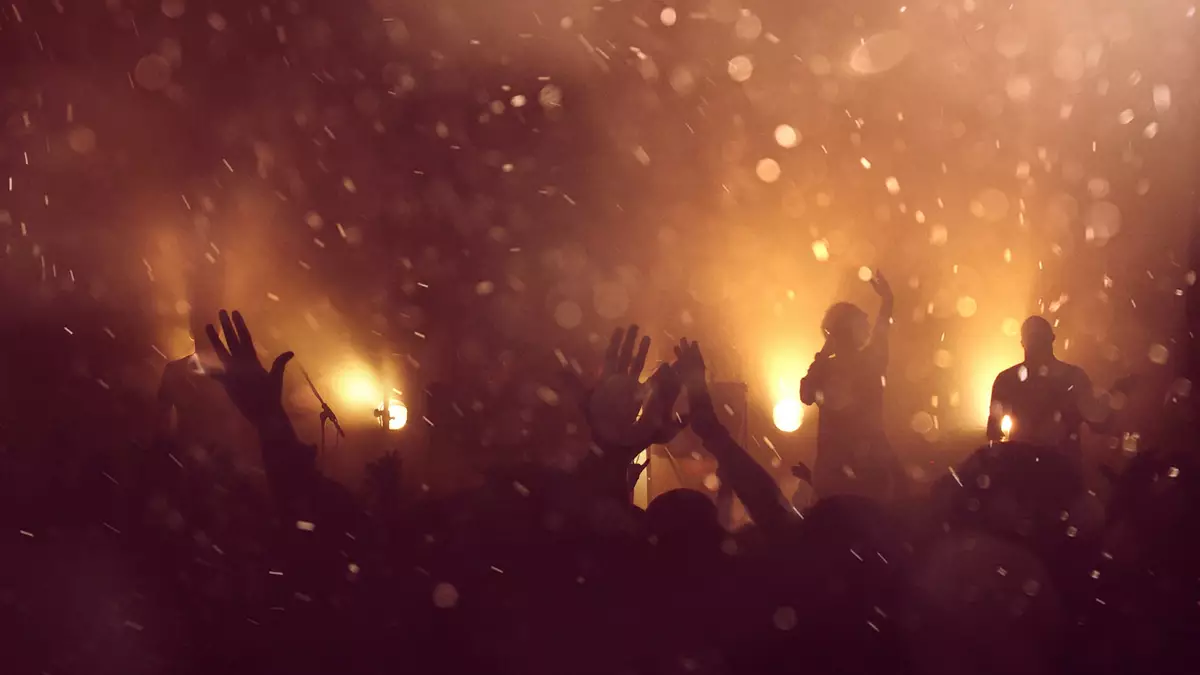
Depeche Mode have carried the torch for synth-driven rock longer than almost any of their peers, and Depeche Mode still stand as one of the most influential names in modern pop and alternative music.
Why Depeche Mode still matter in global pop culture
For more than four decades, Depeche Mode have occupied a rare space where underground aesthetics meet arena-level popularity. Emerging from the post-punk and synth-pop explosion of early eighties Britain, the band evolved from bright, hooky singles into a brooding, stadium-filling force whose sound helped define the emotional vocabulary of electronic rock.
Across eras, the group have continually refreshed their appeal. They fused analog synths with guitar-driven drama on albums like Black Celebration and Music for the Masses, then folded industrial textures and blues-inflected vocals into the landmark Violator. Through shifting trends in new wave, grunge, Britpop, EDM, and streaming-era pop, Depeche Mode have stayed present on stage and in the cultural conversation, embraced by generations of fans who hear their own anxieties and desires refracted through the band’s songs.
Major outlets have consistently recognized that staying power. The Guardian has framed the group as one of Britain’s most successful and enduring bands of the late twentieth century, while Rolling Stone has repeatedly highlighted their influence on both electronic and rock artists worldwide. In a landscape where many eighties peers are remembered mainly through nostalgia circuits, Depeche Mode are still discussed as a living, evolving act.
From Basildon to the world: the early years and breakthrough
Depeche Mode formed in Basildon, Essex, at the tail end of the seventies synth boom. Rooted in a local scene of DIY electronic bands and post-punk experimentation, they originally grew out of projects involving Vince Clarke, Martin Gore, and Andy Fletcher, with Dave Gahan completing the classic lineup as lead vocalist. Their early shows showcased a youthful, almost naive enthusiasm for then-novel synthesizer technology, paired with melodic instincts drawn from both pop and the darker edges of post-punk.
A pivotal moment came when the group signed with Mute Records, the influential independent label led by Daniel Miller. Mute’s support allowed Depeche Mode to refine their sound in the studio while retaining an outsider spirit. Their debut album, Speak & Spell, delivered bright synth-pop anthems built for radio and dance floors, with songs like Just Can not Get Enough becoming era-defining tracks. The album signaled that electronic groups could stand alongside guitar bands on mainstream charts.
When Vince Clarke departed after the first album, many assumed the group might struggle, since he had contributed significant songwriting. Instead, Martin Gore stepped forward as the primary writer, steering the band toward darker moods and more nuanced emotional terrain. Releases like A Broken Frame and Construction Time Again found the group layering industrial noises, metallic percussion, and more complex harmonies into their synth foundations. This shift laid the groundwork for the band’s long-term identity as purveyors of emotionally intense, electronically driven rock.
By the mid-eighties, Depeche Mode had evolved into a formidable live act, moving from clubs and theaters to arenas across Europe and North America. Their ability to convert electronic arrangements into powerful stage performances set them apart from many contemporaries who were still wrestling with how to present synthesizer-based music outside the studio. The band’s early tours helped establish the template for future generations of electronic live acts who would combine sequenced elements with live instrumentation and charismatic frontmen.
The Depeche Mode sound: dark romanticism, synths, and stadium-scale drama
Depeche Mode’s signature sound balances emotional vulnerability with sonic weight. At its core is Martin Gore’s songwriting, which often explores desire, guilt, faith, power, and moral ambiguity. Dave Gahan delivers those lyrics with a mix of croon and growl, adding a theatrical presence that bridges crooner tradition and rock frontman intensity. Underneath, layers of synthesizers, drum machines, and later guitars and live drums generate a sense of tension that can feel both intimate and massive.
Albums such as Black Celebration and Music for the Masses pushed this aesthetic into increasingly cinematic territory. The former deepened the band’s fascination with nocturnal moods and religious imagery, while the latter was crafted with touring audiences in mind, featuring expansive arrangements that translated seamlessly to large venues. Songs from this era, including Never Let Me Down Again and Strangelove, became staples of their live sets and foundational tracks for countless alternative and electronic musicians.
The release of Violator at the turn of the nineties marked a commercial and artistic peak. Built around singles like Personal Jesus and Enjoy the Silence, the album blended accessible hooks with haunting atmospheres and crisp production. According to chart data from Billboard and the Official Charts Company, the record secured high placements in both the United States and the United Kingdom, cementing Depeche Mode’s status as global stars. Critics praise Violator for its balance of pop immediacy and enduring depth, and it often appears on lists of the greatest albums of all time compiled by major music publications.
Subsequent releases like Songs of Faith and Devotion found the band incorporating grittier rock textures, live drums, and a gospel-influenced vocal palette. This willingness to reconfigure their sound while retaining recognizable emotional signatures helped Depeche Mode remain relevant through changing musical climates. Later studio albums continued to refine this blend, integrating modern production approaches while anchoring each record in Gore’s songwriting voice and Gahan’s commanding presence.
On stage, the group’s aesthetic emphasizes monochrome imagery, bold lighting, and a careful pacing of tension and release. Dave Gahan’s performances are marked by fluid, almost serpentine movement and a habit of engaging directly with audiences, creating a sense of communal catharsis. Fans often describe Depeche Mode concerts as experiences that feel both intensely personal and grandly communal, especially during climactic moments when thousands of voices sing along to choruses from songs that have been in circulation for decades.
Depeche Mode today: evolution, touring, and continuing relevance
In recent years, Depeche Mode have continued to record, tour, and evolve. The band have navigated lineup changes and personal losses while preserving the core creative dynamic between Martin Gore and Dave Gahan. Recent studio work has reaffirmed their commitment to marrying dark electronic atmospheres with reflective, often spiritually tinged writing, appealing both to long-term devotees and to younger listeners discovering the band through streaming platforms and curated playlists.
Touring remains central to Depeche Mode’s identity. Across multiple decades, their live production has grown ever more sophisticated, with large-scale video backdrops, inventive lighting designs, and reimagined arrangements of classic songs. Official tour announcements and set lists underscore how carefully the group balances fan favorites with newer material, ensuring that concerts function as both career retrospectives and snapshots of a still-active creative project.
Industry observers often point out that Depeche Mode’s continued ability to sell out major venues speaks to a loyal global fan base. In key markets across Europe, North and South America, and beyond, the band’s tours have become recurring events that families and groups of friends plan around, sometimes traveling across borders to attend multiple shows. This touring strength has been highlighted in coverage by outlets like Billboard and Variety, which frame Depeche Mode as a benchmark for longevity among electronic and alternative bands.
Digital platforms have also helped introduce Depeche Mode to fresh audiences. Algorithms on streaming services push landmark tracks such as Enjoy the Silence, Policy of Truth, and Personal Jesus toward listeners exploring dark pop or alternative electronic playlists. This discovery loop keeps catalog material in rotation and often leads new fans to explore deeper cuts and entire albums, strengthening the band’s cultural footprint across generations.
To understand how Depeche Mode’s career has unfolded, it can be useful to look at key eras in their discography:
- Early synth-pop formation era with Speak & Spell and the transition to darker material on A Broken Frame
- Industrial-influenced mid-eighties period highlighted by Construction Time Again and Some Great Reward
- Stadium ascent and noir-pop refinement on Black Celebration and Music for the Masses
- Mainstream dominance and critical acclaim around Violator and Songs of Faith and Devotion
- Late-career consolidation, where albums integrate contemporary production without abandoning the core Depeche Mode sensibility
Throughout these shifts, the band have avoided nostalgia-only positioning. Instead, they treat each tour and album cycle as an opportunity to reinterpret their history for the present moment, adjusting set lists, visual designs, and arrangements to reflect where Depeche Mode stand in the current musical climate.
Cultural impact, influence, and legacy of Depeche Mode
Depeche Mode’s cultural impact extends far beyond chart positions. They were pivotal in normalizing the idea that a band built primarily around synthesizers could command the same emotional and commercial power as guitar-driven rock acts. Their success helped open doors for later waves of electronic, industrial, and alternative artists, influencing everyone from Nine Inch Nails and The Killers to contemporary synth-pop revivalists and electronic producers.
Critics frequently point to Depeche Mode as a bridge between goth and mainstream pop. Their aesthetic has always flirted with darkness and erotic tension, yet their songs are structured with a keen sense of melody and hook. This combination has made their music adaptable, allowing tracks to sit comfortably in DJ sets, rock radio rotations, and film and television soundtracks. Licensing of songs like Personal Jesus and Enjoy the Silence has kept them audible to new audiences across media.
The band’s visual presentation has also been influential. Collaborations with photographers and filmmakers have yielded iconic imagery, from stark black-and-white portraits to surreal, symbol-laden music videos. Their live visual productions, often directed by creatives associated with influential art and film projects, have helped push the boundaries of what an electronic-leaning band can present on stage. This visual coherence reinforces the emotional themes of the music, creating a holistic world that fans can inhabit.
On a community level, Depeche Mode have cultivated a devoted and often intergenerational fan culture. Fans trade live recordings, compare set lists from different tours, and share personal stories of how the band’s songs intersected with major life events. Many describe discovering the band during teenage years, drawn in by the sense that Depeche Mode’s music validated feelings of alienation while offering a kind of communal release at concerts.
Institutions and awards bodies have recognized aspects of the group’s legacy over time. Mainstream music press regularly includes Depeche Mode in debates about the most important bands to emerge from the United Kingdom since the late seventies. Their consistent touring presence, extensive discography, and continuing influence on modern artists help secure their place in histories of both synth-pop and alternative rock. While not every milestone is reflected in awards trophies, the band’s real legacy is visible in the continued vitality of their fan base and the way new acts cite them as a foundational influence.
In academic and critical writing, Depeche Mode are sometimes discussed in relation to themes of faith, power, and technology. Scholars have analyzed how the band’s lyrics and imagery engage with questions of belief and control in an increasingly secular and media-saturated world. At the same time, music producers and engineers dissect the group’s recordings to understand how they achieve such a distinctive blend of analog warmth and electronic precision.
Depeche Mode in the streaming and social media era
Even as the music industry has shifted toward streaming and short-form content, Depeche Mode’s presence has adapted. Official profiles across major platforms highlight current releases, archival footage, and curated playlists, while fan communities help keep older material in circulation. Clips of classic performances and iconic hooks regularly surface in social feeds, introducing snippets of the band’s history to users who may have never set foot in a record store.
On streaming services, Depeche Mode’s catalog functions as both a destination and a gateway. Fans can immerse themselves in complete albums to trace the band’s evolution, while individual songs sit alongside newer tracks by artists influenced by Depeche Mode. Recommendations algorithms cluster the band with dark pop, alternative rock, industrial, and electronic acts, reinforcing their role as a central node in the broader ecosystem of synth-driven music.
Social media has also reshaped how fans experience tours and releases. Live clips from concerts, shared by both official channels and fans, circulate quickly, turning each show into a global event rather than a localized moment. This networked presence offers an additional layer of visibility that supports ticket sales and keeps Depeche Mode in the cultural conversation between album cycles.
Depeche Mode – Reactions, fan conversation, and streams across the web:
Frequently asked questions about Depeche Mode
How did Depeche Mode get started as a band?
Depeche Mode began in Basildon, Essex, when a group of friends involved in early synth projects decided to form a dedicated band centered on electronic instruments. Early gigs around their local area and support from an independent label allowed them to develop from a regional act into a nationally recognized name. The transition from their first album into darker, more complex material under Martin Gore’s songwriting leadership solidified their identity.
What makes Depeche Mode’s sound distinct from other synth-pop bands?
While many synth-pop acts emphasize bright tones and straightforward love songs, Depeche Mode weave darker emotional themes and more experimental textures into their work. Their music balances melodic hooks with industrial noises, atmospheric pads, and a rhythm section that often draws from dance music as much as rock. Dave Gahan’s dramatic vocal presence and Martin Gore’s introspective, often searching lyrics give their songs a weight that sets them apart.
Which Depeche Mode albums are essential listening for new fans?
Listeners curious about Depeche Mode can start with a few key records that capture different phases of the band’s evolution. Black Celebration showcases their mid-eighties turn toward a darker, more cinematic style, while Music for the Masses documents the moment when they fully embraced their role as an arena band. Violator remains a central touchstone for many fans and critics thanks to its blend of accessible singles and atmospheric deep cuts.
How has Depeche Mode influenced modern artists and genres?
Depeche Mode’s fusion of electronic instrumentation with rock intensity has influenced artists across alternative, industrial, pop, and electronic dance music. Bands and producers often cite them as an example of how to build emotionally resonant songs using synthetic textures, and their approach to live performance helped demonstrate that electronic-heavy acts could command major stages. Elements of their sound echo in the work of later rock and pop groups, as well as in the darker corners of club music.
Why is the main keyword Depeche Mode still relevant today?
The phrase Depeche Mode continues to appear frequently in music discussions because the band’s catalog remains vital, their tours attract large audiences, and new generations of listeners keep discovering their work. Playlists, social media clips, and ongoing critical attention ensure that the group’s songs circulate well beyond their original release context. In a music landscape that often moves quickly from one trend to another, Depeche Mode represent a rare example of long-term relevance grounded in strong songwriting and a distinctive sonic identity.
More Depeche Mode coverage and resources
For readers who want to go deeper into Depeche Mode’s world, exploring official channels and curated coverage provides context beyond the music itself. Official websites and tour pages offer the most reliable information about current activities, while established music publications and chart organizations give perspective on how the band’s achievements fit into broader industry history. Combining these sources with fan-driven discussions can yield a rounded understanding of why Depeche Mode continue to matter.
More coverage of Depeche Mode on AD HOC NEWS:
Read more about Depeche Mode on AD HOC NEWS ->Browse all stories about Depeche Mode on AD HOC NEWS ->
Looking ahead, Depeche Mode’s legacy seems secure, but their story remains open-ended. As long as new listeners continue to find themselves in the band’s songs and long-time fans keep gathering at shows, the name Depeche Mode will stand not only for a catalog of influential records but also for a living community built around shared sound and emotion.


