Deep Purple 2026: Tours, Rumours & Setlist Hype
Veröffentlicht am: 01.03.2026 um 11:02 Uhr | Redaktionelle Verantwortung: Rafael Müller, Chefredakteur AD HOC NEWS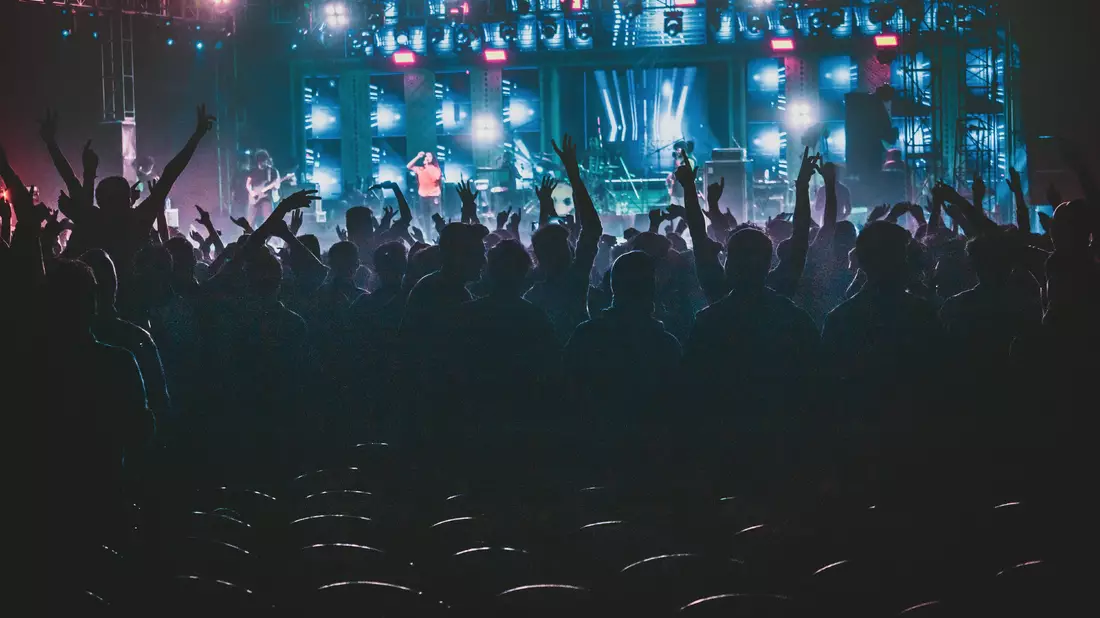
If you're seeing Deep Purple all over your feed again, you're not imagining it. Between fresh tour dates quietly popping up, fans arguing over whether this is the last big run, and setlists packed with classics and deep cuts, the Deep Purple conversation in 2026 is louder than it has been in years. And yes, if you're wondering where to actually find the latest official dates instead of getting lost in old posters and sketchy ticket resellers, there is a legit place to start.
Check the official Deep Purple tour dates & updates here
This isn't just another legacy band victory lap. Deep Purple are treating these shows like a victory sprint: tighter sets, cleaner production, and crowds that skew way younger than people expect. Let's break down what's really happening, what the setlists say about where their heads are at, and why Reddit and TikTok both think something bigger is coming.
The Backstory: Breaking News in Detail
Deep Purple have been on what feels like a "long goodbye" for a while now, but 2026 has a different energy. Over the past weeks, fans watching venue announcement calendars in the US, UK, and mainland Europe have noticed a wave of new listings: classic 5,000–12,000 capacity arenas, a few outdoor summer stages, and a cluster of festival slots that look very intentionally placed.
While there hasn't been a dramatic all-caps "FINAL TOUR" press release, there has been careful wording in interviews. In recent conversations with rock and heritage music outlets, members of the band have repeated two themes: they don't want to be "dragged offstage" by age, and they want to stop while they still feel fierce onstage. That kind of language is exactly what has fans labeling this run as the de facto "last big cycle," even if nobody in the band is putting it on the poster.
Euro venues for spring and early summer 2026 are the first wave: think major capitals and rock-leaning regions that always go hard for Purple. You'll see packages where Deep Purple top the bill with one or two younger support acts from the hard rock or prog-adjacent world, loosely echoing the way they themselves climbed up with bigger bands in the late '60s and early '70s. Fans in the UK are especially watching midsize arena calendars in cities like London, Birmingham, Manchester, Glasgow, and Cardiff, where dates tend to appear in clusters—usually a sign that routing is locked and announcements are imminent.
In the US, things traditionally move a little later, but if you look at the pattern from earlier runs, the band typically follows a European leg with a North American sweep that hits coastal cities first, then major inland markets. Ticket price whispers are already circulating, with fans bracing for a split between more "heritage rock fair" amphitheatre pricing and premium packages with meet-and-greet or early entry for die-hards who have stuck around for decades.
The bigger story, though, is emotional: Deep Purple aren't just another nostalgia act tuning up "Smoke on the Water" on autopilot. Their recent tours have leaned heavily on songs from later albums and the Steve Morse/Simon McBride eras, proving that this band has treated the last two decades as a new chapter, not just an afterword. So the 2026 buzz isn't only about seeing them "one last time"; it's about seeing a version of the band that actually still cares about momentum and craft.
For younger fans in their 20s and 30s, the implications are huge. This might be the only realistic window to see a generational hard rock pillar in full big-stage mode rather than a quiet one-off festival afternoon slot. And for older fans who were kids during the Mk II or Mk III eras, these dates feel like a closing circle: a chance to bring their own kids and experience those riffs together.
The Setlist & Show: What to Expect
If you're trying to guess what a 2026 Deep Purple set looks like, recent shows are your best cheat sheet. While details shift night to night, there are certain anchors that never move, and they shape the show's entire mood.
Almost every recent gig has kicked off with a high-energy opener from the more modern catalog—think tracks in the lane of "Highway Star" intensity but drawn from albums released post-2000. The band likes to arrive onstage with something that signals, "We're still writing, we're still hungry." From there, they slide quickly into a run of 1970s essentials: "Highway Star," "Pictures of Home," "Lazy," and of course "Smoke on the Water." These songs remain the spine of the show, but what surprises newer fans is how elastic they are live: extended organ breaks, guitar/keyboard call-and-response sections, and rhythmic shifts keep them from feeling locked to the album versions.
Mid-set, Deep Purple usually carve out space for at least one or two deeper cuts and several songs from their 2010s and 2020s output. Tracks like "Vincent Price," "Uncommon Man," or more recent singles often slide in here, giving Ian Gillan room to lean into his current vocal strengths instead of chasing the exact shrieks of the '70s. Don Airey and the guitarist (with Simon McBride taking over duties in more recent years) use these songs as jam incubators, stretching intros and outros, sneaking in nods to classical phrases or blues standards.
The ballad-ish moment—songs in the emotional neighborhood of "When a Blind Man Cries"—tends to be where crowds go quiet and phone lights go up. TikTok clips from recent tours show younger fans discovering that yes, the "Smoke on the Water" band can absolutely crush a slow, soulful song. That contrast is part of what keeps the atmosphere electric rather than just nostalgic.
Set closers are almost always a one-two punch: "Space Truckin'" or another early '70s barnburner, followed by "Smoke on the Water" toward the end, then one or two encore tracks that rotate depending on the city. "Hush" and "Black Night" often play encore tag, with the crowd chant on "Black Night" turning arenas into giant, ragged choirs.
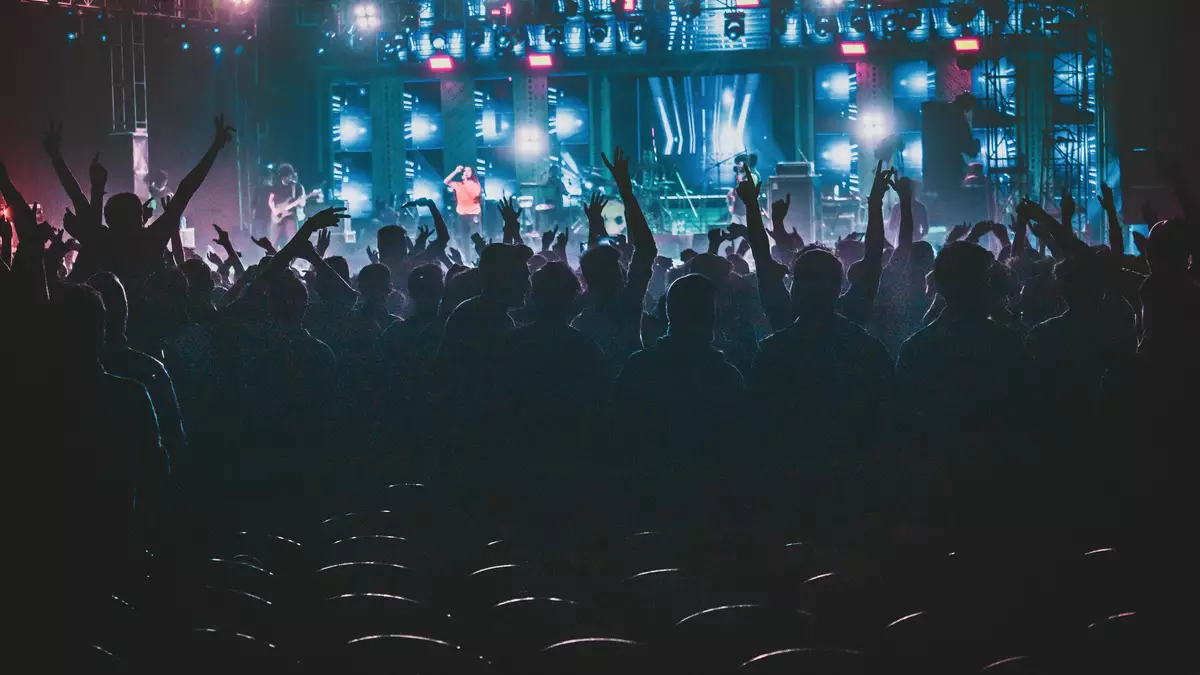
Sonically, expect a show that's loud but not messy. Fans who have been around long enough to remember the wild, uneven 1980s tours often note how polished the band has become: tight tempos, thoughtful dynamics, and a mix that actually lets you hear the bass and Hammond-style keys clearly. Visually, this isn't a laser-drenched pop spectacle; it's old-school rock staging upgraded with modern lighting and clean screens. The emphasis is still on musicianship. Extended solos remain a core part of the identity, but they're more curated now—less random noodling, more purposeful storytelling.
If you're building your personal "dream Deep Purple 2026 setlist" before you go, assume you'll get:
- All-time essentials like "Highway Star," "Smoke on the Water," "Space Truckin'," and "Black Night."
- At least three to five songs from the Morse/McBride-era records.
- One or two deep cuts rotated in for longtime fans.
- A feature moment for keys and guitar that leans into improvisation.
The atmosphere? Part multi-generational family reunion, part metalhead field trip. You'll see teenagers in brand-new merch next to people wearing faded tour shirts from the early '80s, and both groups will sing the "Smoke" riff like it dropped yesterday.
What the web is saying:
Rumor Mill: What Fans Are Speculating
If you spend more than five minutes on Reddit threads or TikTok comments about Deep Purple right now, you'll see three major topics come up over and over: "Is this the last big tour?" "Is a new album secretly in the works?" and "Why are ticket prices so chaotic?"
On r/music and niche classic rock subs, older fans are side-eyeing the "long goodbye" narrative, pointing out that the phrase has hung around for years. Some argue that as long as the band feels healthy and the shows sell, they'll keep doing selective legs instead of disappearing completely. Others think the 2026 routing looks suspiciously like a "hit everywhere we can one more time" move. With no official hard stop date, both theories can live side by side, but the emotional tone of fans planning trips, meetups, and multi-city runs suggests they're treating this as "better safe than sorry"—see them now, assume this level of activity won't repeat forever.
New album speculation is the juicier piece. Short, offhand comments in interviews about "having ideas" or "writing never really stopping" have spun into full-blown conspiracy charts on TikTok. Some fans point out gaps in the schedule where studio time could be blocked. Others note how previous albums emerged after touring cycles once the band had road-tested riffs and grooves. There's no firm confirmation of a 2026 or 2027 studio release, but the pattern of their last few decades suggests it's not insane to imagine at least new songs being worked up behind the scenes.
Ticket pricing, though, is where the vibe gets heated. Reddit threads share screenshots of wildly inconsistent numbers: one city has reasonable base prices with a modest bump for closer seats, while another jumps straight into what feels like high-tier "classic rock nostalgia tax." Some of this is on promoters and dynamic-pricing algorithms rather than the band directly, but for fans who have supported Deep Purple through multiple eras, it's a sore point. You'll also see discourse about VIP experiences—are they worth it for a band whose appeal is mainly the music, not a hyper-produced photo op?
On TikTok and Instagram Reels, a different kind of narrative is forming: "My parents took me to Deep Purple and now I'm obsessed." Short clips of "Highway Star" solos and Don Airey keyboard spotlights are going mildly viral among younger rock fans, often stitched with comments like "I didn't know they still played like this" or "Why does this sound heavier than half the bands I listen to?" That cross-generational surprise is helping push the rumour that this might be the last chance to see a vintage heavy rock band operating at near-full power.
Another smaller but persistent theory: guest appearances. Because Deep Purple have influenced basically every guitar-forward rock and metal act ever, fans are speculating about surprise cameos in key markets—especially London, Los Angeles, and festival stages where other major acts are already booked. So far, this is wishful thinking rather than solid reporting, but it makes sense creatively. Tribute moments, extended jams with younger players, or multi-guitar finales would be a fitting way for the band to underline just how long their shadow really is.
Underneath all the noise, one thing is clear: nobody is talking about Deep Purple as a museum piece. The rumours, the debates, the theory threads—all of it treats them as a living, evolving band whose next move isn't totally predictable. For a group that started making records before most of today's streaming users were born, that's a wild place to be.
Key Dates & Facts at a Glance
- Official tour hub: The most up-to-date list of Deep Purple tour dates, cities, and venues is maintained on their official site under the Tours section.
- 2026 focus regions: Europe and the UK in spring/summer, with strong hints of a North American leg following later in the year based on venue holds and routing patterns.
- Typical show length: Around 90–110 minutes, usually one main set plus an encore.
- Core classics you can almost always expect: "Highway Star," "Smoke on the Water," "Space Truckin'," "Black Night," and "Hush."
- Recent-era songs frequently in rotation: Selections from the band's 2010s and 2020s albums, often three to five songs per night.
- Stage setup: Full band with prominent Hammond-style keys, guitar, bass, drums, and vocals, backed by modern lighting and screens but focused on musicianship over theatrics.
- Audience profile: Strong crossover between classic rock veterans and younger fans discovering the band via streaming, TikTok clips, and parents' record collections.
- Ticket tiers: Standard seating, floor/standing (where available), and VIP / early entry packages depending on venue and promoter.
- Typical encore: One to two songs, often including "Black Night" or another early hit.
- Show atmosphere: Loud but controlled, with extended solos, room for improvisation, and plenty of crowd singalongs on the big choruses.
FAQ: Everything You Need to Know About Deep Purple
Who are Deep Purple in 2026, and why do they still matter?
Deep Purple are one of the defining hard rock bands of the late '60s and '70s, often mentioned in the same breath as Black Sabbath and Led Zeppelin when people talk about the roots of metal and heavy rock. What makes them matter in 2026 isn't just legacy or nostalgia, though. It's the fact that they've kept touring, recording, and refining their sound instead of freezing themselves in a greatest-hits museum loop.
Across multiple lineups over the decades, the band has combined heavy guitar riffs, powerful vocals, and that iconic Hammond organ tone into something that still feels muscular alongside modern rock. Younger fans stumble onto "Smoke on the Water" or "Highway Star" via playlists, then discover the deeper catalog and the later records, and realise this isn't just "dad rock"—it's the DNA blueprint for a ton of bands they already love.
What can new fans expect at a Deep Purple concert in 2026?
If you've never seen Deep Purple before and 2026 is your first shot, expect a show that feels more like a high-level jam band with precision than an oldies revue. You'll hear the huge songs you know from memes and playlists: "Smoke on the Water" with its instantly recognisable riff, "Highway Star" with its almost proto-speed-metal drive, and classics like "Space Truckin'" and "Hush." But between those are extended instrumental sections where keys and guitar push each other, shifting grooves and textures in real time.
The crowd is surprisingly mixed in age, which changes the energy. You get the emotional weight of people who lived through the original vinyl era, plus the curiosity and excitement of younger listeners who are there because they've heard the songs everywhere and want to experience them at full volume. There isn't a lot of scripted banter or theatrics; the band mostly lets the playing do the talking.
Where should you look for reliable Deep Purple tour info?
Because Deep Purple have been around for so long, there's a ton of outdated or half-accurate info floating around on old fan sites, random blogs, and even some ticketing platforms. If you want current, reliable information, the official tour section on their own website should be your first stop. From there, cross-check with major authorised ticket sellers and venue websites, which will typically mirror the dates and details listed officially.
Reddit and social media can help with real-world tips—things like how early to arrive, what the merch situation is like, and which songs have actually been played on the current leg—but when it comes to whether a show is real, postponed, or sold out, you'll want that official source first and foremost.
When are Deep Purple likely to tour the US and UK in 2026?
Exact dates will depend on how the full itinerary shapes up, but if the current pattern holds, European and UK shows should cluster in spring and early summer 2026, aligning with festival seasons and good travel windows. That typically means major UK cities get slotted around festival weekends, with standalone arena shows before or after those events.
The US often follows later, either late summer into fall or in a separate wave, with the band hitting key markets along the East and West Coasts plus a handful of central hubs. Because these tours are increasingly carefully paced—fewer back-to-back nights, more rest days between travel—you can expect each leg to be compact but intense rather than a months-long grind.
Why are some Deep Purple tickets so expensive?
The short answer: dynamic pricing, promoter choices, and demand. As with most heritage acts who can still fill large venues, there's a tension between making tickets accessible to longtime fans and capitalising on the fact that this may be one of the last large-scale runs. Promoters often use flexible pricing models that raise prices when demand spikes, especially for prime seats or final remaining sections.
On top of that, VIP or "premium" packages—early entry, better sightlines, exclusive merch—get bundled at higher price points. These aren't always controlled directly by the band, which is why you'll see some cities with more reasonable tiers and others with eye-watering numbers for front rows. If cost is a concern, look for standard seating a bit further back in arenas, or check for presales where prices haven't yet been driven up by demand algorithms.
Why are fans so emotional about this particular run?
There's a real sense that we're nearing the end of an era. Deep Purple's core members have spent most of their lives on the road, and even though they still play with focus and intensity, age is a factor everyone is aware of. When band members themselves talk about wanting to step back before their abilities fade, it puts a soft frame around every new date announcement: people rush to buy tickets not just because they love the music, but because they understand this might be the last time they see this version of the band on a big stage.
Social media amplifies that emotion. Clips of older fans tearing up during "When a Blind Man Cries" or younger fans headbanging to "Highway Star" next to their parents turn each show into a little generational story. Those moments spread fast, pulling in people who didn't even realise Deep Purple still toured, and suddenly they're scrambling to see if there's a date near them.
What's next for Deep Purple after 2026?
The future beyond this tour cycle is the big question mark. Based on recent interviews and historical patterns, it's reasonable to expect:
- More selective touring rather than endless annual runs—fewer shows, but in special locations or under specific themes.
- The possibility of new material, whether as a full album or standalone songs, especially if the band feels creatively energised by the current fan response.
- Deeper archival projects: remasters, live vault releases, or carefully curated box sets that give new context to the early years and the more modern eras alike.
Even if large-scale world tours gradually wind down, the music itself isn't going anywhere. Deep Purple's influence is baked into rock culture at this point, from metal bands who grew up learning Ritchie Blackmore riffs to prog groups inspired by their long-form jam approach. The 2026 shows feel less like an ending and more like a high, bright underline on a story that will keep echoing through other artists for decades.
For you, practically, that means this: if Deep Purple hit a city within reach, and you've ever air-guitared the "Smoke on the Water" riff or cranked "Highway Star" in a car, this is the time to turn those private moments into a live one. Decades from now, people will still be discovering these songs for the first time. Being able to say, "Yeah, I saw them do it for real," is something no stream can replace.
Disclaimer zu unseren Artikeln: Keine Anlageberatung, keine Kauf- oder Verkaufsempfehlung. Angaben zu Kursen, Unternehmen und Märkten ohne Gewähr; Änderungen jederzeit möglich. Börsengeschäfte können zu hohen Verlusten führen. Unsere Beiträge werden ganz oder teilweise automatisiert mit Unterstützung von AI erstellt und geprüft.