DAX Index Drops Sharply 2.7% on April 2 Amid Global Selloff, Reversing Prior Gains as German Equities Face Pressure
03.04.2026 - 03:16:09 | ad-hoc-news.de
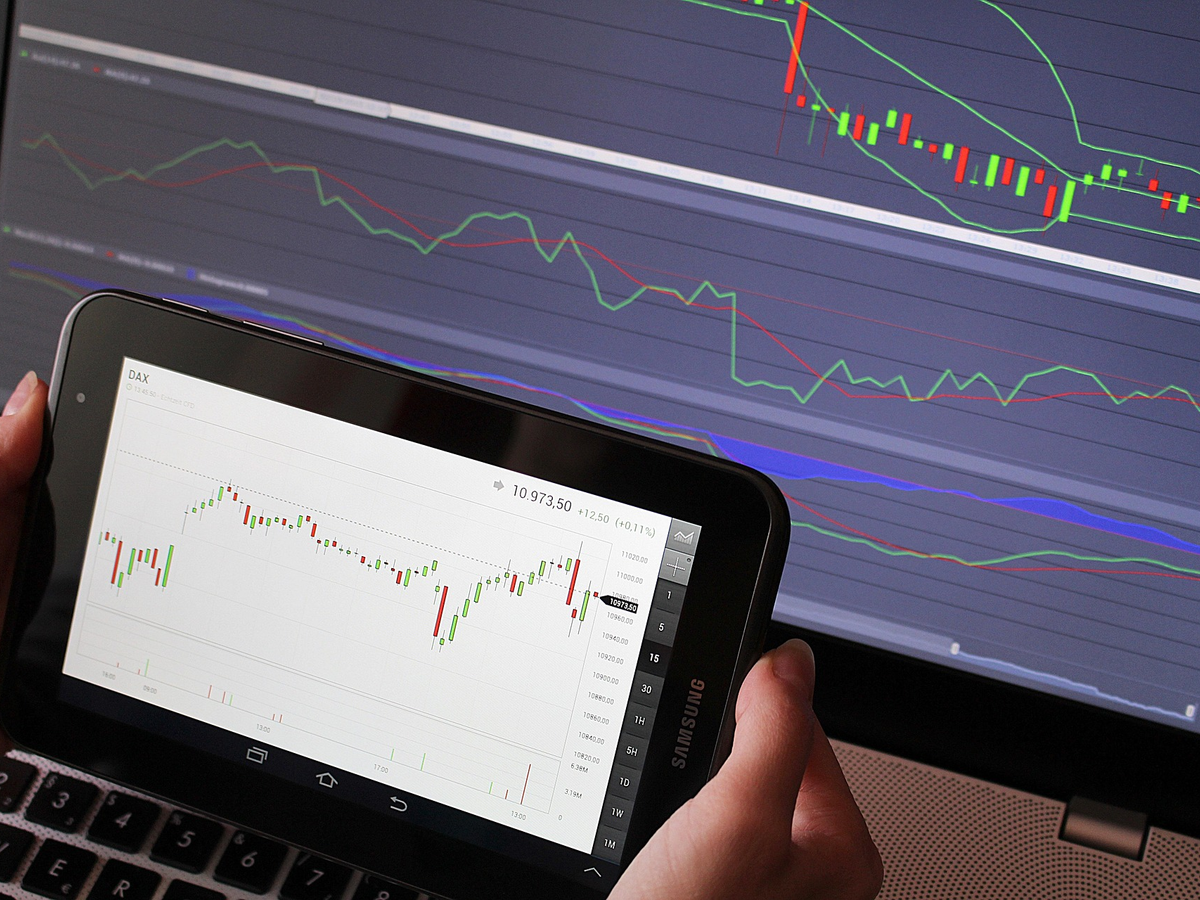
The DAX index, Germany's benchmark for its 40 largest listed companies by market capitalization, experienced a significant downturn on April 2, 2026, declining 2.26% or 526.79 points to close at 22,772.10. This sharp reversal followed a robust 2.7% rally to 23,298.89 on April 1, driven by Middle East de-escalation hopes that had eased oil prices and supported exporters via a weaker euro.
As of: Friday, April 03, 2026, 03:15 Europe/Berlin (converted from 01:15 UTC)
This latest move underscores the DAX's sensitivity to global risk sentiment, particularly as U.S. markets like the S&P 500 fell 1.74% in the corresponding session, amplifying downward pressure on European cyclicals. Unlike the more stable STOXX 600, the DAX's heavy weighting in export-oriented industrials and autos amplified the losses.
Recent DAX Trajectory: From Surge to Sharp Pullback
On April 1, 2026, the DAX cash index surged 2.7% to 23,298.89, outperforming the STOXX 600's 2.5% gain and the FTSE 100's 1.9% rise. Lower oil prices from anticipated Middle East de-escalation relieved energy costs for Germany's import-dependent economy, while euro depreciation boosted competitiveness for DAX heavyweights like Volkswagen and Siemens.
April 2 saw a stark reversal, with the index dropping 2.26% to 22,772.10, as reported in global index updates. This made the DAX the standout loser among major indices, contrasting with mixed but less severe declines elsewhere. By early April 3 Europe/Berlin time, after-hours indications from Deutsche Boerse showed the DAX at 23,114.07, down 182.60 points or about 0.8% from the April 2 close, reflecting ongoing pre-market caution.
Historical context reveals volatility: the DAX hit intraday highs near 24,355 in recent sessions but has pulled back from year-to-date gains of around 0.94%. Year-over-year, it remains up significantly, with growth near 29% from levels around 18,325 a year prior.
Key Drivers Behind the April 2 Decline
The primary transmission mechanism for the DAX's drop stems from broader European risk-off sentiment tied to U.S. economic resilience data, including a strong ISM manufacturing index at 52.7, which reignited inflation fears and pressured equity valuations. Germany's export-heavy index, with over 40% exposure to industrials and autos, suffers disproportionately when global growth signals tighten financial conditions.
Unlike the CAC 40's utility buffer, the DAX lacks defensive ballast, making it more correlated to cyclical recovery bets now unwinding. Bund yields, while not spiking dramatically, edged higher in tandem with U.S. Treasury moves, adding headwinds for rate-sensitive sectors like real estate and financials within the index.
Euro movements played a counter-role: after supporting the April 1 rally via depreciation, any stabilization reduced the currency tailwind for exporters. Geopolitical relief from the Middle East faded as focus shifted to persistent inflation and potential ECB hawkishness.
DAX Constituents: Selective Pressures Emerge
While index-level data dominates, constituent moves highlight vulnerabilities. On April 1, Rheinmetall (+9.5%) and ASML (+6.1%) led gains, leveraging defense demand and semiconductor momentum. Reversals likely hit these cyclicals hardest on April 2, though exact closes require session confirmation.
Other notables include Deutsche Boerse (+1.91%), EON (+2.20%), and Qiagen (+1.61%) in broader rankings, but these reflect mixed prior sessions. Autos like BMW and Volkswagen, key DAX anchors, face tariff risks and softening China demand, amplifying downside in risk-off environments.
The DAX 40's methodology—free-float market-cap weighted—means mega-caps like SAP and Siemens dictate direction, with limited influence from smaller names unless sector rotation intensifies.
DAX Futures and ETF Implications for Investors
Eurex DAX futures, distinct from the cash index, trade nearly 24 hours and signaled caution into April 3, aligning with the 23,114 after-hours print. Investors tracking DAX-linked ETFs/ETPs, such as those tracking ISIN DE0008469008, saw mirrored losses, with liquidity impacts in U.S.-listed products during overlapping hours.
For international audiences, this volatility highlights DAX futures as a liquidity vehicle for hedging Eurozone exposure, separate from spot moves. Options positioning likely built protective puts amid the swing, potentially capping rebounds without fresh catalysts.
European Divergences: DAX Lags Regional Peers
The DAX underperformed the STOXX 600 on April 2, dropping more than the pan-European benchmark amid Germany-specific industrial slowdown signals. The CAC 40 (-0.98% in some prints) and FTSE 100 held firmer relatively, thanks to energy and consumer staples weightings absent in the DAX.
Vs. S&P 500 (-1.74%), the DAX's steeper fall reflects higher beta to global tightening fears, given Germany's export reliance (over 50% of GDP). U.S. context matters: New York closes around 22:00 Berlin time feed into European opens, explaining the April 2 transmission.
Outlook: Macro Catalysts and Risks Ahead
Upcoming German Ifo and PMI data, alongside ECB rhetoric, will test DAX resilience. If inflation cools, rate cut odds rise, supporting cyclicals; persistent pressures favor defensives. Sector rotation from tech/industrials to staples could stabilize the index.
Risks include escalated tariffs on EU autos, euro strength eroding competitiveness, and oil rebounds hitting importers. Upside hinges on U.S. softening, easing global yields.
For DAX ETF holders, volatility implies tactical positioning via futures overlays. Long-term, the index's 8.78% annualized growth supports buy-on-dip strategies for patient capital.
Further Reading
- DAX April 1 Surge Analysis
- Global Indices Report April 2
- Deutsche Boerse Live Data
- GuruFocus DAX Historicals
Disclaimer: Not investment advice. Indices, ETFs and financial instruments are volatile.
So schätzen die Börsenprofis Aktien ein!

Für. Immer. Kostenlos.