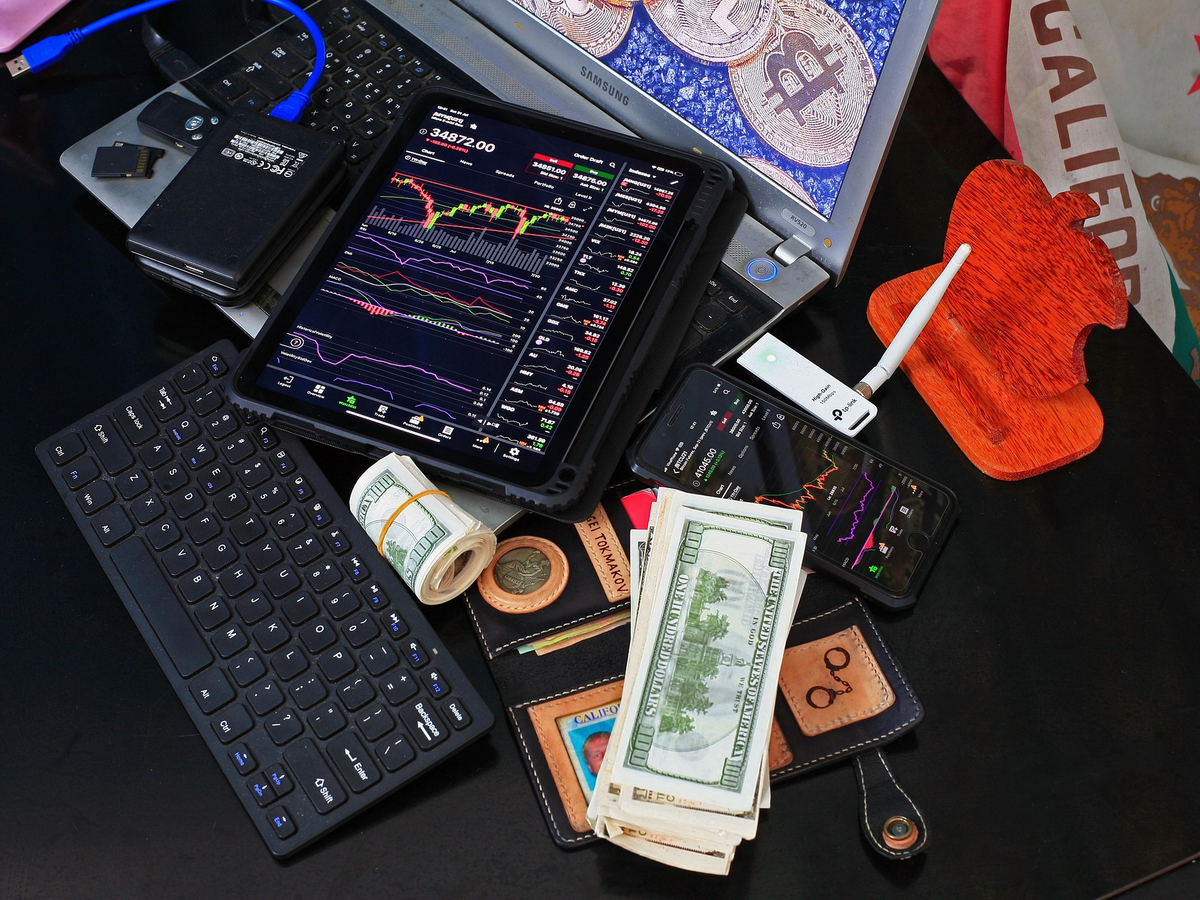
DAX Futures Point to Cautious Open Amid Pre-Market Lull on April 15, 2026
16.04.2026 - 15:49:56 | ad-hoc-news.de
The DAX index, Germany's benchmark equity gauge tracking 40 leading blue-chip companies, shows limited movement in early pre-market trading on Wednesday, April 15, 2026. With European cash markets yet to open, DAX futures are trading flat, signaling a cautious start for the German stock market as investors digest ongoing global risk sentiment and await fresh economic catalysts.
As of: Wednesday, April 15, 2026, 6:35 Europe/Berlin (converted from 4:35 UTC)
Pre-Market DAX Futures Signal Steady Tone
DAX futures on Eurex, which provide an early indication of cash index direction, are hovering near the previous session's close without significant deviation. This stability comes as liquidity remains thin before the 9:00 AM Europe/Berlin open. The cash DAX closed the prior session on April 14 at levels consistent with recent range-bound trading, underscoring the index's resilience amid broader European equity consolidation.
For international investors, particularly those tracking DAX-linked ETFs like the popular iShares Core DAX UCITS ETF (ISIN: DE0005933931), this pre-market lull offers a moment to position ahead of anticipated volatility. The futures-cash basis remains tight, with no unusual positioning evident in available Eurex data.
Macro Backdrop: ECB Expectations and Bund Yields in Focus
The current DAX development is heavily influenced by expectations around European Central Bank (ECB) policy. With recent Eurozone inflation prints showing disinflationary trends, markets are pricing in a higher probability of rate cuts later in 2026. German 10-year Bund yields, a key transmission mechanism to the DAX, have stabilized around multi-month lows, providing a supportive floor for rate-sensitive sectors within the index.
DAX constituents in banking and insurance, such as Deutsche Bank and Allianz, stand to benefit from lower yields, as cheaper funding costs bolster profitability. Conversely, the index's heavy weighting in exporters like Volkswagen and Siemens exposes it to euro strength risks. The common currency has traded sideways against the U.S. dollar recently, limiting headwinds for these components.
Sector Rotation Dynamics Within the DAX 40
Sector rotation remains a dominant theme for the DAX index. Industrials and chemicals, representing significant index weight, have led recent gains on hopes of stabilizing global demand. BASF and Bayer shares, key DAX components, have outperformed amid positive supply chain updates. Meanwhile, luxury goods exposure via companies like Adidas provides a buffer against cyclical slowdowns.
Autos, a perennial DAX driver, face mixed pressures. While electrification tailwinds support long-term narratives for BMW and Mercedes-Benz, short-term tariff threats from U.S. policy shifts weigh on sentiment. The DAX's outperformance relative to the Euro Stoxx 50 in recent sessions stems directly from Germany's export-heavy composition, diverging from more domestically focused peers like France's CAC 40.
Geopolitical Risks and German Economic Data Ahead
Geopolitical tensions, including ongoing trade frictions and energy security concerns, continue to influence DAX positioning. Investors are monitoring upcoming German Ifo business climate data, due this week, which could sway sentiment toward cyclicals. Recent PMI readings have shown manufacturing resilience, a positive for DAX heavyweights in machinery and engineering.
Eurozone-wide data, including inflation metrics, will further calibrate ECB cut bets. A softer-than-expected print could propel the DAX higher, as lower rates favor its growth-oriented constituents. U.S. investors should note the time zone handoff: New York trading from April 14 evening (Berlin time April 15 early morning) sets the overnight tone without major disruptions.
DAX-Linked Products: ETFs and Options Activity
DAX-linked ETFs and ETPs have seen steady inflows, reflecting international appetite for German equities. Products tracking the full DAX index, such as those from Lyxor and Amundi, mirror the cash index closely during regular hours. Options positioning on Eurex shows balanced put-call ratios, indicating no extreme bearish bets.
Futures open interest remains elevated, pointing to committed positioning from institutional players. For U.S.-based investors, DAX ETFs traded on NYSE Arca provide after-hours exposure, though liquidity pales compared to European sessions. The index's low volatility environment favors covered call strategies overlaid on DAX trackers.
Comparative Performance: DAX vs. Peers
The DAX has diverged positively from the FTSE 100, which grapples with UK-specific fiscal worries, while holding pace with the S&P 500 on risk-on days. Against the CAC 40, Germany's index benefits from superior earnings momentum in autos and chemicals. This relative strength underscores the DAX's appeal for sector-specific bets within Europe.
Year-to-date, the DAX has navigated volatility better than broader European benchmarks, thanks to robust corporate balance sheets among its 40 constituents. Investors rotating into quality cyclicals find the DAX a prime vehicle.
Investment Implications and Risks
For international portfolios, the DAX offers targeted exposure to Europe's export engine. Hedging via DAX futures allows U.S. investors to isolate German equity beta from euro FX moves. Key risks include escalated tariffs impacting autos (over 20% index weight) and a hawkish ECB pivot disrupting rate narratives.
Upside catalysts include strong Q2 earnings from Siemens and SAP, potentially lifting the index toward all-time highs. Downside protection comes from defensive tilts in utilities and telecoms like Deutsche Telekom.
Outlook: Watching Key Levels and Catalysts
Technically, the DAX cash index eyes support at its 200-day moving average, with resistance near recent highs. A break higher would confirm bullish continuation, driven by macro tailwinds. Pre-open futures suggest no immediate fireworks, but data releases could shift momentum swiftly.
Global investors should monitor U.S. futures handoff and Asian close for final pre-open cues. The DAX's liquidity and depth make it a cornerstone for European equity allocation.
Further Reading
Disclaimer: Not investment advice. Indices, ETFs and financial instruments are volatile.
So schätzen die Börsenprofis Aktien ein!

Für. Immer. Kostenlos.