Crown Castle stock trades steady as small-cell demand and tower cash flows support long-term outlook
Veröffentlicht: 18.07.2026 um 16:33 Uhr, Redaktion AD HOC NEWS, Redaktionelle Verantwortung: Rafael Müller (Chefredaktion)
Crown Castle stock is backed by a portfolio of wireless towers, small cells, and fiber assets in the United States, with the real estate investment trust (REIT) operating under the legal name Crown Castle Inc. (ISIN US22822V1017). The company reports billions of dollars in annual site rental revenue and generates substantial funds from operations, giving investors exposure to long-term mobile-data and 5G infrastructure demand. While short-term share-price fluctuations depend on interest rates and sector sentiment, the underlying business model centers on contracted cash flows from major U.S. wireless carriers.
Revenue and cash flow trends
Crown Castle derives the vast majority of its income from site rental revenue, which includes long-term contracts for macro towers, small-cell nodes, and fiber connections. In recent financial reporting, the company has disclosed annual site rental revenue figures in the multi-billion-dollar range, reflecting incremental growth compared with prior years as tenants continue to deploy equipment on its infrastructure. These revenue streams support funds from operations and adjusted funds from operations, key cash-flow metrics used by REIT investors to evaluate dividend sustainability and debt service capacity.
The REIT structure means that a high proportion of Crown Castle’s net income and cash flow is returned to shareholders as dividends. Over recent fiscal periods, Crown Castle has distributed dividends measured in dollars per share each year, with the payout ratio tied to adjusted funds from operations rather than conventional earnings per share. The company also records depreciation and amortization on its towers and fiber assets, which reduces GAAP net income but does not diminish cash available for distribution because many costs are non-cash. Investors therefore pay close attention to revenue growth, leasing activity, and churn rather than headline earnings figures.
Debt profile and interest-rate sensitivity
Like many infrastructure REITs, Crown Castle finances its network of towers, small cells, and fiber with a mix of equity and long-term debt. The company has reported total debt in the order of several billions of dollars, structured as senior notes and term loans with staggered maturities. This financing supports large capital expenditures required to build and maintain network assets, but it also creates sensitivity to interest-rate expectations, which can influence Crown Castle stock valuation multiples.
Recent filings and investor presentations indicate that Crown Castle manages its leverage using metrics such as net debt to EBITDA and interest-coverage ratios. These ratios help stakeholders assess whether cash flows from site rentals are sufficient to service interest payments and maintain investment-grade credit ratings. Over the latest reported periods, the company has highlighted stable or improving leverage metrics, aided by recurring tower and small-cell revenues and disciplined capital allocation across new projects and portfolio optimization.
Dividend policy and shareholder returns
Crown Castle’s dividend policy is central to the appeal of Crown Castle stock for income-focused investors. The company has a history of paying regular quarterly dividends, expressed as a fixed dollar amount per share, and periodically reviewing the payout in line with adjusted funds from operations. Over successive years, management has emphasized a balance between returning capital to shareholders and investing in network expansion and upgrades.
Because REITs must distribute a significant portion of taxable income, Crown Castle’s dividend yield can be an important factor in its total return profile. When the share price moves in response to interest-rate changes or sector rotation, the yield adjusts accordingly; higher yields may attract income investors, while lower yields often reflect stronger price performance and market confidence in long-term growth. The sustainability of the dividend depends on leasing activity, contract escalators, and churn dynamics across the tower and small-cell portfolios.
U.S. tower and small-cell portfolio
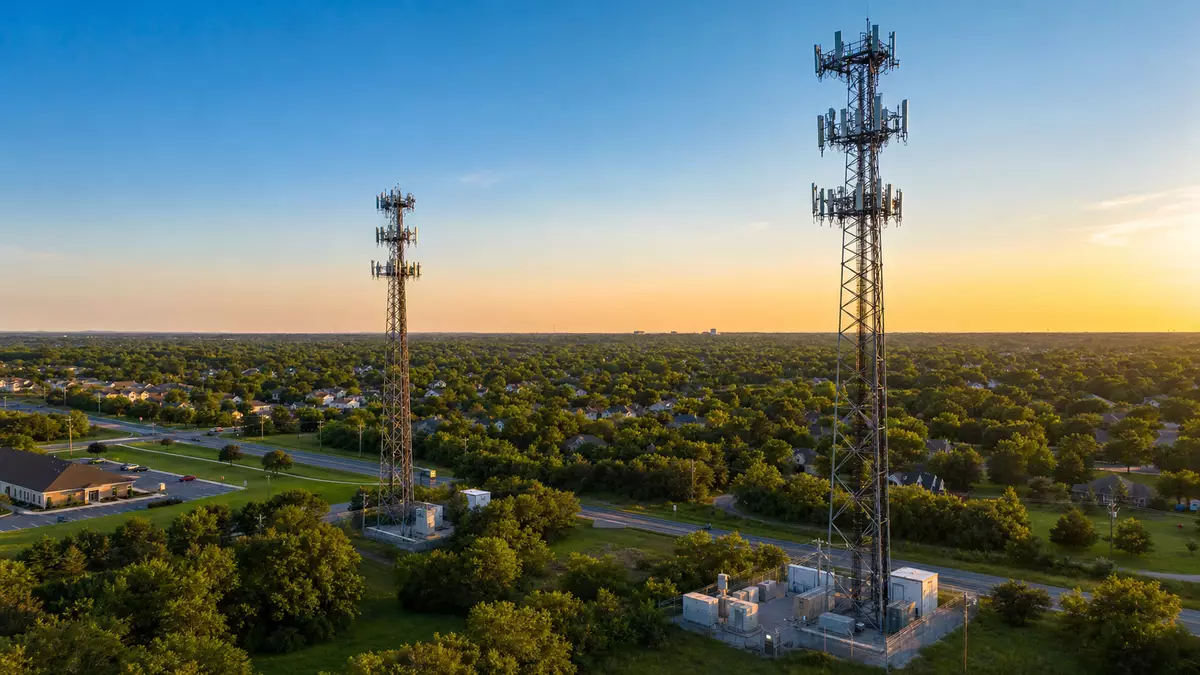
Crown Castle owns and operates thousands of macro cell towers across the United States, typically located on land parcels or rooftop sites under long-term arrangements. In addition to towers, the company has invested heavily in small-cell infrastructure, deploying nodes and fiber backhaul in dense urban and suburban areas to support mobile-data demand. This combination of assets allows Crown Castle to offer carriers capacity and coverage solutions tailored to different geographies and traffic patterns.
The tower business benefits from multi-tenant economics, where multiple carriers colocate equipment on the same structure. Each additional tenant increases returns without requiring a proportional increase in capital costs, improving margin and cash-flow characteristics over time. Small cells and fiber, by contrast, require more upfront capital in densely built environments but position Crown Castle to serve evolving 5G and future-generation networks, particularly where macro towers cannot fully meet capacity requirements.
Contract structure and lease escalators
Revenue visibility for Crown Castle stock is underpinned by long-term lease contracts with major wireless operators. These agreements often have initial terms of several years with renewal options, and they include built-in annual escalators that increase rental payments over time. Escalator clauses help Crown Castle offset inflation and maintain or grow cash flows even if new leasing activity moderates.
Lease contracts also govern responsibilities for maintenance, power, and access. Crown Castle typically bears the cost of operating and maintaining its sites, while tenants pay recurring fees for the right to install equipment and use the location. Churn, or the loss of tenants or decommissioning of equipment, can reduce revenue, but diversification across thousands of sites and multiple carriers helps mitigate the impact of any single customer decision. The company’s investor communications regularly track leasing volumes and churn levels to demonstrate the resilience of its cash-flow base.
Capital expenditure and network investments
Crown Castle’s growth strategy involves ongoing capital expenditure on new towers, small cells, and fiber routes. Annual capex, expressed in hundreds of millions to billions of dollars depending on the period, is allocated between sustaining projects that maintain the existing network and growth initiatives that expand capacity and coverage. Management evaluates returns based on lease-up potential, expected tenant demand, and overall strategic fit within regional network plans.
Capex decisions are closely linked to carrier deployment cycles and technology transitions. For example, 5G rollouts require dense small-cell networks and upgraded backhaul, while earlier generations of wireless technology focused more on macro tower coverage. Crown Castle aims to time investments to align with customer needs and minimize periods where assets are underutilized. The company also occasionally divests non-core assets or repositions capital to higher-return opportunities within its portfolio.
Regulatory and zoning environment
Operating a large network of towers and small cells requires navigating zoning laws, permitting processes, and local regulatory frameworks. Crown Castle works with municipalities and regulators to secure approvals for new structures, modifications, and fiber trenching. These processes can extend project timelines, influencing when assets become revenue-generating. However, the company’s experience and scale often help streamline negotiations and standardize deployment practices.
Regulatory developments that encourage broadband expansion and 5G infrastructure can create favorable conditions for Crown Castle’s business. Conversely, more restrictive zoning or community opposition to tower siting can increase costs or limit growth in certain areas. The company monitors policy trends and participates in industry discussions to advocate for deployment frameworks that balance community concerns with the need for reliable mobile and data connectivity.
Competitive landscape in U.S. towers
Crown Castle competes with other tower and infrastructure owners in the U.S. market, including large listed REITs and private operators. In the macro tower segment, competition centers on securing attractive locations and tenant lease commitments, while in small cells and fiber, the field includes both telecom carriers and specialized network providers. Crown Castle’s differentiation lies in its focus on U.S. infrastructure, integrated small-cell and fiber offerings, and long-standing relationships with major wireless carriers.
The competitive environment influences pricing, lease terms, and expansion opportunities. For example, carriers may negotiate volume agreements or seek flexible terms across multiple vendors. Crown Castle responds by emphasizing reliability, coverage, and speed of deployment, and by tailoring its offerings to carrier network strategies. The company’s scale helps spread fixed costs and enables standardized processes, which can be advantageous compared with smaller competitors.
Technology evolution and 5G implications
Advances in wireless technology, such as the transition to 5G, shape the demand profile for Crown Castle’s assets. 5G networks rely on a mix of macro coverage and dense small-cell deployments, particularly in urban corridors where data usage is highest. Crown Castle’s investment in small cells and fiber backhaul positions it to benefit from these trends as carriers expand coverage and add capacity to meet consumer and enterprise needs.
In addition to mobile handsets, 5G supports new use cases in industrial automation, smart cities, and Internet of Things applications. These developments may increase the value of well-located infrastructure and create opportunities for Crown Castle to lease space for emerging network solutions. However, the pace and distribution of 5G deployments depend on carrier investment plans and regulatory support, making long-term planning and flexible capital allocation important components of Crown Castle’s strategy.
Financial reporting and key metrics
Crown Castle communicates its performance through quarterly and annual financial reports, presenting metrics that go beyond net income. Key indicators include site rental revenue, segment-level performance across towers, small cells, and fiber, funds from operations, adjusted funds from operations, and leverage ratios. These measures allow investors to assess the stability and growth of cash flows and evaluate management’s progress against strategic priorities.
Segment reporting breaks down how different asset categories contribute to overall results. Towers typically deliver high-margin recurring revenue, while small cells and fiber may show different margin and growth trajectories due to their capital intensity and deployment stages. Crown Castle uses this data to adjust investment priorities, manage risk, and communicate the long-term rationale for its portfolio mix. The stock’s valuation often reflects market expectations about these segment trends, alongside broader REIT and interest-rate dynamics.
Risk considerations for investors
Investing in Crown Castle stock involves several risk factors, including interest-rate sensitivity, regulatory changes, tenant concentration, and technology shifts. Because REITs are often compared with fixed-income investments, changes in benchmark interest rates can affect valuation multiples and investor appetite for infrastructure stocks. Higher rates may raise discount rates applied to future cash flows, while lower rates can increase the relative attractiveness of dividend yields.
Tenant concentration is another key risk, as a substantial portion of Crown Castle’s revenue comes from a limited number of major wireless carriers. While long-term contracts and multi-tenant sites mitigate the impact of individual decisions, strategic shifts among carriers or consolidation in the telecom industry could affect leasing demand. Technology developments that alter network architectures in ways that reduce tower or small-cell requirements could also influence long-term growth. Crown Castle addresses these risks through diversification, contract structuring, and ongoing engagement with customers regarding network plans.
Environmental and community factors
Crown Castle’s infrastructure has environmental and community dimensions. Towers and small cells must be integrated into landscapes and cityscapes, and fiber construction can affect public spaces during installation. The company works with stakeholders to minimize disruption, comply with environmental regulations, and manage visual impact where possible. Infrastructure enabling reliable connectivity can also support public-safety communications and digital inclusion, giving Crown Castle’s assets broader societal relevance.
Environmental considerations extend to energy use and emissions associated with network operations. While Crown Castle’s assets themselves are largely passive structures, supporting equipment and associated power consumption contribute to overall network footprints. The company can influence these profiles by adopting efficient technologies, collaborating with tenants on sustainable practices, and exploring opportunities for renewable energy integration where feasible.
Corporate governance and strategy oversight
Crown Castle’s board of directors oversees corporate governance, risk management, and strategic planning. The board reviews capital allocation, dividend policy, and major investment decisions, ensuring alignment with long-term shareholder interests. Governance frameworks also address executive compensation, succession planning, and compliance with regulatory requirements relevant to REITs and infrastructure operators.
Strategic oversight includes evaluating market trends, technology developments, and competitive dynamics. Crown Castle’s leadership team presents scenarios and projections to guide decisions about where to deploy capital and how to position the company’s assets for future demand. The board’s role is to challenge assumptions, monitor performance metrics, and ensure that risk is managed appropriately across the portfolio and balance sheet.
Market perception and analyst coverage
Crown Castle stock is widely followed by analysts who specialize in REITs, infrastructure, and telecom-related sectors. Analyst reports discuss topics such as revenue growth, dividend sustainability, leverage, and the impact of interest-rate changes on valuation. Consensus views often incorporate detailed modeling of site rental revenue, adjusted funds from operations, and capital expenditure plans, providing market participants with frameworks for assessing potential scenarios.
Market perception of Crown Castle can vary over time, reflecting changes in macroeconomic conditions, sector sentiment, or company-specific developments. For example, broader rotations between growth and income investments, or between REITs and other asset classes, can influence how Crown Castle stock trades relative to its fundamental performance. Analysts and investors monitor sector indices and peer performance to contextualize Crown Castle’s share-price behavior and long-term positioning.
Long-term demand drivers
The long-term demand drivers for Crown Castle’s infrastructure are rooted in the growth of mobile data, broadband usage, and digital services. As consumers and businesses rely more on streaming, cloud applications, remote work, and connected devices, carriers require robust networks with extensive coverage and capacity. Towers, small cells, and fiber form the backbone of these networks, making Crown Castle’s assets central to ongoing connectivity expansion.
Demographic trends such as urbanization and population growth in high-usage regions, along with enterprise adoption of new technologies, contribute to a structural need for infrastructure. Crown Castle’s U.S.-focused portfolio positions it to benefit from these trends in a large, technologically advanced market. The company’s ability to adapt to evolving requirements and maintain high service levels is likely to be a key factor in sustaining long-term demand for its sites.
Operational efficiency and cost management
Operational efficiency is critical for Crown Castle as it manages a geographically dispersed network of assets. The company invests in systems and processes that streamline site maintenance, tenant coordination, and regulatory compliance. Efficient operations help control costs, improve margins, and enhance the reliability of infrastructure services, which in turn supports tenant satisfaction and lease renewals.
Cost management also involves negotiating favorable terms with suppliers and contractors involved in construction, maintenance, and services. Crown Castle’s scale allows it to leverage purchasing power and standardize practices across regions and asset types. The company continuously assesses opportunities to optimize operations, including the use of data analytics and digital tools for asset management and performance monitoring.
Portfolio optimization and asset management
Beyond day-to-day operations, Crown Castle engages in portfolio optimization to align its asset base with strategic and financial goals. This can include acquiring new sites in attractive locations, divesting non-core assets, or rebalancing investments between towers, small cells, and fiber. Asset management decisions are informed by analysis of leasing trends, regional demand, and return on invested capital.
Portfolio optimization seeks to enhance overall cash-flow stability and growth potential. For example, focusing on locations with strong multi-tenant prospects or high-demand corridors can improve utilization and returns. Similarly, divesting assets that no longer meet strategic criteria can free capital for higher-priority projects. Crown Castle’s active management of its portfolio is a notable aspect of its approach to infrastructure investment.
Customer relationships and service quality
The strength of customer relationships is another pillar supporting Crown Castle stock. Major wireless carriers rely on Crown Castle’s infrastructure for network deployment, making service quality and reliability essential. The company invests in customer support, project management, and technical expertise to ensure that deployments and upgrades proceed smoothly, minimizing disruption and meeting timelines.
Long-term partnerships with carriers are built on trust and performance. Crown Castle’s ability to respond to evolving network plans, coordinate complex projects, and maintain high uptime helps foster these relationships. Positive customer experiences can lead to incremental leasing opportunities, contract extensions, and collaborative planning for future infrastructure needs, reinforcing Crown Castle’s role as a key partner in U.S. connectivity.
ESG considerations and disclosure
Environmental, social, and governance (ESG) factors are increasingly important for investors in infrastructure and REIT sectors. Crown Castle addresses ESG topics through disclosures that cover areas such as environmental impact, community engagement, workplace practices, and governance structures. Transparent reporting helps stakeholders understand how the company manages non-financial risks and opportunities.
ESG considerations may intersect with operational and strategic decisions. For example, efforts to reduce environmental footprints, support digital inclusion, or maintain robust governance practices can influence investor perception and access to capital. Crown Castle’s approach to ESG can therefore play a role in its broader reputation and long-term positioning in the market.
Macro environment and sector context
The macroeconomic environment, including growth trends, inflation, and monetary policy, shapes the context in which Crown Castle operates. Economic expansion can support higher data usage and infrastructure investment, while slower growth or tighter financial conditions may moderate spending. Inflation influences costs and can affect the value of lease escalators in Crown Castle’s contracts.
Within the broader sector, Crown Castle is part of a category of listed infrastructure and REIT companies that provide essential services. Sector indices and benchmarks track performance and can influence index fund flows and relative valuation. The interplay between macro factors and sector-specific trends contributes to how Crown Castle stock is viewed in diversified portfolios.
Crown Castle’s focus on U.S. markets
Unlike some peers with international exposure, Crown Castle concentrates its operations in the United States. This focus allows the company to specialize in navigating U.S. regulatory frameworks, customer needs, and market dynamics. It also ties Crown Castle’s fortunes closely to the U.S. economy and policy environment, which can be both a source of stability and a determinant of risk.
U.S. market characteristics, such as high smartphone penetration, strong demand for broadband, and competitive wireless sectors, shape infrastructure requirements. Crown Castle’s understanding of these factors supports its planning and deployment strategies. The domestic focus also means that currency risk is limited compared with companies that derive significant revenues from multiple jurisdictions.
Small cells and urban connectivity
Small cells play a particularly important role in urban connectivity, where population density and data usage are high. Crown Castle’s small-cell nodes, connected by fiber, are often deployed on street furniture, building facades, or dedicated poles. These nodes supplement macro tower coverage and provide localized capacity where traffic is concentrated, such as busy intersections, transit hubs, and commercial districts.
The economics of small cells differ from towers, with higher capital requirements per node and complex permitting processes. However, successful small-cell networks can create valuable long-term assets with strong demand. Crown Castle’s experience in deploying and operating small cells is a competitive asset, allowing it to offer carriers integrated solutions that combine macro coverage with targeted capacity.
Fiber backhaul and network performance
Fiber backhaul is essential for connecting towers and small cells to core network infrastructure. Crown Castle’s fiber assets form a critical part of its value proposition, enabling high-speed, low-latency connections that support modern wireless services. The quality and reach of fiber networks influence network performance and can affect carrier decisions about where to locate equipment.
Investments in fiber involve careful planning and coordination with local authorities. Crown Castle designs fiber routes to serve current and anticipated demand, balancing cost, construction feasibility, and future scalability. Fiber assets also have potential applications beyond mobile backhaul, including enterprise connectivity and other data services, creating optionality within the company’s portfolio.
Tenant mix and contract diversity
The mix of tenants on Crown Castle’s infrastructure includes major national wireless carriers and, in some cases, regional operators and other users requiring connectivity. Contract diversity across tenants and asset types supports revenue resilience. For example, if one tenant adjusts its network plans, others may continue or expand their deployments, helping to offset potential revenue changes.
Crown Castle manages tenant relationships with attention to contract terms, renewal cycles, and service needs. Diverse contract structures, including master lease agreements, site-specific leases, and volume arrangements, provide flexibility and accommodate different customer strategies. This diversity contributes to a balanced revenue profile and underpins the long-term investment case for Crown Castle stock.
Digital services and data growth
Digital services, including streaming, cloud computing, online gaming, and remote collaboration, drive ongoing data growth that ultimately flows through to demand for network infrastructure. As users consume more data, carriers must expand capacity, upgrade equipment, and optimize network design. Crown Castle’s towers, small cells, and fiber provide the physical foundation for these upgrades and expansions.
Data growth is influenced by technological innovation, content trends, and business adoption of digital tools. While near-term usage patterns can fluctuate, the long-term trajectory has historically been upward, supporting incremental infrastructure needs. Crown Castle’s role in this ecosystem positions it as a beneficiary of broad digitalization trends, even though it does not directly provide consumer-facing services.
Urban planning and infrastructure integration
Integrating communications infrastructure into urban plans is an evolving field. Municipalities increasingly recognize the importance of connectivity for economic activity and quality of life, and they seek ways to include towers and small cells in planning frameworks. Crown Castle engages with local authorities to align deployments with urban development goals, balancing aesthetic concerns and functional requirements.
Infrastructure integration can involve designing small-cell installations that blend with streetscapes, coordinating fiber routes with other utilities, and ensuring that tower siting respects environmental and community constraints. Crown Castle’s experience in these areas can facilitate smoother deployment processes and support long-term relationships with municipalities, which in turn benefit the reliability and reach of the company’s network.
Corporate resilience and adaptation
Resilience in the face of changing conditions is a key attribute for Crown Castle. The company must adapt to shifts in technology, regulatory frameworks, customer strategies, and macroeconomic factors. Its long-lived assets, recurring revenue model, and REIT structure provide a foundation, but ongoing adaptation is necessary to maintain relevance and performance.
Adaptation can encompass revising capital allocation priorities, refining product offerings, and updating operational practices. Crown Castle’s focus on infrastructure that supports essential connectivity gives it a structural role in the economy, but the details of how that role is executed evolve over time. Maintaining resilience involves continuous analysis, innovation within operational boundaries, and disciplined execution.
Investor communication and transparency
Crown Castle’s investor communication, delivered through reports, presentations, and other materials, aims to provide transparency about strategy, performance, and risk. Clear explanations of revenue composition, cash-flow metrics, capital expenditure, and leverage help investors understand the company’s financial profile. Disclosure about operational initiatives, regulatory developments, and market trends adds further context.
Transparency can influence investor confidence and the stability of Crown Castle stock in the market. When stakeholders have a clear view of the company’s priorities and performance, they can make more informed assessments about long-term prospects. Crown Castle’s commitment to detailed reporting is thus an important element of its relationship with capital markets.
Representative infrastructure product
A representative example of Crown Castle’s product offering is its small-cell solution, which pairs compact radio nodes with fiber connections to deliver localized capacity in dense areas. These small cells can be integrated into existing urban structures or placed on dedicated poles, providing flexible deployment options for carriers. The combination of small cells and fiber is designed to support high-speed, low-latency services that are increasingly important for modern wireless applications.
Crown Castle stock and trading venue
Crown Castle stock is primarily listed on the New York Stock Exchange, where shares are quoted in U.S. dollars and traded under a ticker symbol commonly associated with the company’s name. The stock’s trading reflects a blend of REIT and infrastructure characteristics, with investor attention focused on dividend yield, cash-flow stability, and long-term growth prospects. For market participants, Crown Castle represents a way to gain exposure to U.S. wireless infrastructure through an established, cash-flow-generating platform.
Crown Castle at a glance
- Company: Crown Castle Inc.
- ISIN: US22822V1017
- Ticker: NYSE: CCI
- Trading venue: NYSE
- Sector / Industry: Real Estate / Specialized REITs (Telecom Infrastructure)
- Index membership: S&P 500
Disclaimer zu unseren Artikeln: Keine Anlageberatung, keine Kauf oder Verkaufsempfehlung. Angaben zu Kursen, Unternehmen und Märkten ohne Gewähr; Änderungen jederzeit möglich. Börsengeschäfte können zu hohen Verlusten führen. Unsere Beiträge werden ganz oder teilweise automatisiert mit Unterstützung von AI erstellt und geprüft.