Continental stock trades steady as auto supplier focuses on profitability after mixed 2025 results
Published on 07/21/2026 at 07:46 | Editorial responsibility: Rafael Müller, Editor-in-Chief AD HOC NEWS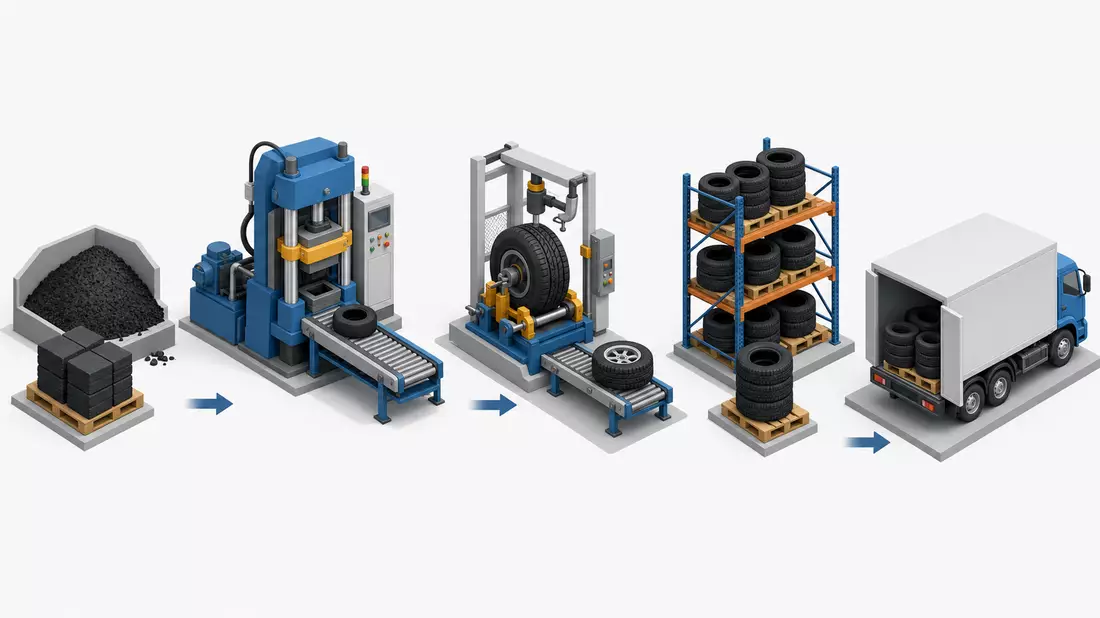
Continental AG (ISIN DE0005439004) stock represents one of the major European auto suppliers, with investors looking closely at how the company navigates a slower global light vehicle market while improving profitability and cash generation. Recent annual figures for fiscal 2025 provide a detailed snapshot of the revenue base, operating margins and free cash flow that underpin the share price, while segment data from tire and automotive activities shows where growth and margin pressure are most visible for the group. For investors, the mix of cyclical automotive exposure and structurally strong replacement tire demand makes Continental stock a bellwether for broader European auto supply trends.
Revenue and margin trends
In fiscal 2025, Continental reported group revenue in the tens of billions of euros, illustrating the scale of its global operations across original equipment and replacement markets. The company derived a significant portion of this revenue from its Automotive business, including safety, motion, and smart mobility solutions supplied to vehicle manufacturers across Europe, North America and Asia. Another substantial share came from the Tires division, which focuses on passenger car, truck and specialty tires sold both to vehicle manufacturers and into the replacement market. Together, these segments frame the revenue engine that underlies Continental stock and form the starting point for analyzing profitability trends.
Operating profitability, typically measured via EBIT or adjusted EBIT, remains a central focus for the company and for shareholders evaluating Continental stock. In 2025, the margin in core segments reflected ongoing cost inflation in materials and energy, as well as pricing dynamics with original equipment customers, many of whom negotiate long-term supply contracts. At the same time, replacement tire markets offered opportunities to sustain pricing power, helping to offset pressure from original equipment volumes. This combination of segment-specific margin drivers is crucial for understanding why Continental prioritizes cost discipline, portfolio optimization and selective investment in higher-margin technologies.
EBIT, net income and year-on-year comparison
Continental's EBIT in fiscal 2025 captured the interplay between top-line growth, cost inflation and efficiency measures, providing a key indicator of the company's ability to translate revenue into operating profit. The EBIT figure for the year highlighted how restructuring steps, footprint optimization and digitalization initiatives contributed to offsetting higher input costs, while also reflecting the impact of product mix changes in both Automotive and Tires. The year-on-year movement in EBIT, whether modestly higher or slightly lower, offers a quantified comparison for investors who track whether margin improvement programs are gaining traction or whether further adjustments may be required.
Net income attributable to shareholders in 2025 adds another layer of analysis for Continental stock. It integrates operating performance with financial costs, tax charges and any extraordinary items, thereby providing the basis for earnings per share and dividend capacity. When compared with the previous year, the change in net income signals whether the company has successfully managed financial leverage, tax optimization and non-recurring impacts such as restructuring or impairments. For equity holders, this year-on-year shift in net income and earnings per share is a pivotal metric, as it directly informs the valuation multiples applied to Continental stock.
Cash flow and balance sheet discipline
Beyond earnings, Continental's cash flow generation in fiscal 2025 is essential for understanding how the company funds investments, manages debt and supports shareholder returns. Operating cash flow reflects the conversion of EBIT into cash, adjusted for working capital movements such as inventory build-up, receivables and payables. Continental's ability to maintain solid operating cash generation in 2025, despite a complex market environment with uneven demand across regions, demonstrates the resilience of its business model and process discipline. This operational cash flow forms the backbone of free cash flow, which it uses for capital expenditure, debt reduction and potential distributions.
Free cash flow for 2025, after capital expenditures, highlights how efficiently Continental allocates capital across its technology portfolio, manufacturing footprint and digital initiatives. By focusing on projects with high expected returns, such as advanced driver assistance systems, connectivity solutions and premium tire technologies, Continental aims to ensure that free cash flow supports both near-term financial strength and long-term competitiveness. For investors, comparing free cash flow in 2025 with the prior year provides a quantifiable measure of whether the company's strategic and operational choices are enhancing or diluting its cash-generating capacity.
Tire business and pricing power
Continental's Tires division plays a central role in the stability of Continental stock, as tire demand is driven not only by new vehicle production but also by the large global replacement market. In fiscal 2025, tire revenue reflected a mix of original equipment volumes, tied closely to automotive production levels, and replacement sales, which depend on vehicle miles driven, fleet utilization and consumer spending. Replacement tires typically offer stronger pricing power, allowing Continental to adjust prices more flexibly in response to input cost changes. Such pricing power is particularly important during periods of higher raw material and energy costs.
Within Tires, Continental focuses on premium passenger car tires, truck tires and specialty tires, each with its own margin profile and competitive landscape. Premium passenger car tires often carry higher margins due to brand positioning and performance characteristics, while truck and specialty tires benefit from fleet relationships and specialized applications. In 2025, the division's margin performance, when assessed against 2024, provided a quantified comparison of how successfully the company leveraged its brand and technology to sustain profitability. This segment-level analysis feeds directly into investor confidence in Continental stock, since a robust tire business can buffer cyclical swings in original equipment demand.
Automotive segment and technology portfolio
The Automotive segment at Continental encompasses advanced driver assistance, braking systems, motion control, connectivity, and electronics that support modern vehicle architectures. Revenue in this segment in 2025 was shaped by production volumes at major original equipment customers, as well as by the content per vehicle Continental achieved through its technologies. As automakers increase the complexity and functionality of new models, the opportunity for higher content per vehicle rises, although it is also subject to intense competition and cost pressures. This dynamic influences the growth trajectory of Automotive revenue and the margin profile associated with digital and electronic content.
Segment profitability in Automotive depends on scale, innovation and program management. In 2025, Continental's Automotive margin reflected ongoing investments in software-defined vehicle architectures, cybersecurity solutions and integrated driver assistance platforms. When compared with the previous year, the variation in segment EBIT indicates whether these investments are beginning to translate into improved profitability or whether they remain primarily future-oriented. Investors in Continental stock watch this quantified comparison closely, as a successful scale-up of high-margin electronics and software solutions could significantly alter the company's earnings profile over time.
Guidance and strategic priorities
Continental's guidance for the period following fiscal 2025 offers insight into management's expectations regarding revenue, margin and cash flow development in the near term. Typical guidance metrics include target ranges for sales, adjusted EBIT margin, and free cash flow. By juxtaposing 2025 actuals with guidance for the next year, investors gain a quantifiable sense of the company's ambition and confidence level. For example, a guidance range that implies a modest uplift in revenue and margin, relative to 2025, signals management's belief that cost measures, product mix and market conditions can collectively support incremental improvement.
Strategic priorities outlined alongside guidance further clarify where Continental is directing its resources. These priorities often encompass accelerating growth in high-value technologies, strengthening the Tires business, optimizing the portfolio, and sharpening focus on sustainability targets. In conjunction with quantified guidance metrics, these strategic themes provide a roadmap for how Continental intends to navigate a market characterized by electrification, digitalization and stricter regulatory requirements. For investors evaluating Continental stock, the alignment between strategy, guidance and 2025 financial performance is a crucial dimension of the investment case.
Dividend policy and shareholder returns
Continental's dividend policy translates its earnings and cash flow into direct returns for shareholders. For the 2025 financial year, the proposed or paid dividend per share indicates how management balances reinvestment needs with return of capital. When compared with the prior year's dividend, investors can quantify whether shareholder returns are trending higher, lower or stable, and how that trend relates to net income and free cash flow. A stable or gradually increasing dividend, supported by 2025 earnings, tends to be interpreted as a sign of confidence in the sustainability of the business.
Beyond cash dividends, Continental can also influence shareholder returns through share buybacks or debt reduction, both of which can affect equity value over time. In the 2025 context, the relationship between free cash flow, dividend payments and any balance sheet actions forms the basis for understanding how Continental deploys its financial resources. For Continental stock, this deployment pattern is part of the broader evaluation of capital allocation discipline, which encompasses investment in technology, capacity, sustainability initiatives and returns to shareholders.
Market environment and competitive position
The market environment in 2025 for Continental was characterized by uneven automotive production across regions, evolving regulatory frameworks around emissions and safety, and ongoing shifts toward electrified and software-defined vehicles. These trends influence both the Automotive and Tires divisions, shaping demand, pricing and investment requirements. Continental's competitive position in this environment depends on its technology portfolio, manufacturing footprint, customer relationships and ability to innovate at scale. Against this backdrop, the company's 2025 revenue and margin performance offers a concrete lens through which to gauge its resilience and adaptability.
In the auto supply space, Continental competes with other global suppliers that also aim to provide advanced electronics, braking systems, driver assistance and premium tires. The quantified comparison of Continental's revenue, margins and cash flows in 2025 with its closest peers, while often conducted externally by analysts, indirectly informs investor perceptions. A solid showing relative to peers reinforces Continental stock's appeal as a core European auto supplier holding, whereas any lagging metrics may prompt questions about strategy, execution or portfolio composition. The 2025 financials, therefore, serve as a reference point for these comparative assessments.
Technology and product focus
Continental's technology focus in 2025 centers around safety, connectivity and efficient mobility solutions that can be embedded into both conventional and electrified vehicles. This includes advanced braking systems, driver assistance features, integrated sensor suites and software platforms that help vehicles perceive their environment and respond appropriately. Such technologies are critical as regulators and consumers demand higher safety standards and automakers seek differentiation through advanced features. Revenue from these technologies contributes to the Automotive segment's performance and shapes expectations for future growth.
On the tire side, Continental continues to invest in product innovation that improves safety, efficiency and comfort. Premium tire lines aim to deliver shorter braking distances, lower rolling resistance and enhanced driving dynamics, aligning with both regulatory requirements and consumer preferences. These product attributes support pricing and margin resilience, especially in the replacement market. As a result, tire-related revenue and margins in 2025 provide a tangible measure of how effectively Continental converts its technology investments into commercial success, with direct implications for Continental stock's long-term earnings profile.
Sustainability and regulatory developments
Sustainability has become an increasingly important consideration for automotive suppliers like Continental. In 2025, the company continued to work toward targets related to CO2 emissions, energy efficiency and responsible sourcing across its operations. While sustainability metrics are often qualitative or long term in nature, they have concrete financial implications through energy costs, regulatory compliance expenses and potential incentives or penalties. Continental's ability to integrate sustainability into its cost structures and product offerings contributes to margin stability and risk management, which are relevant for investors in Continental stock.
Regulatory developments around vehicle safety, emissions and data usage also shape Continental's operating environment. Requirements to include certain safety features or emissions reduction technologies can create opportunities for suppliers with the right portfolio, while data protection and cybersecurity rules influence how connected vehicle systems are designed and priced. In 2025, Continental's revenue and margin performance reflects how well it is positioned to respond to such regulatory shifts, particularly in regions with stringent rules such as Europe. For shareholders, these regulatory dynamics underscore the importance of assessing not only the financial figures but also the strategic fit of Continental's technology offerings.
Balance sheet structure and financing
Continental's balance sheet at the end of fiscal 2025 provides insight into its financial flexibility. Key elements include total assets, equity, and net debt, which collectively determine leverage ratios and the cost of financing. A balanced capital structure supports investment in growth projects and resilience during cyclical downturns in automotive production. The interplay between net debt, free cash flow and interest coverage in 2025 offers a quantified indicator of how comfortably Continental can service its obligations and fund its strategy without over-reliance on external financing.
Investors monitoring Continental stock often look at metrics such as net debt to EBITDA or equity ratio as benchmarks for capital structure health. A moderate leverage level allows the company to absorb shocks in demand or margins without triggering financial distress. In 2025, the movement of these ratios compared with 2024 highlights whether Continental has strengthened or weakened its balance sheet. Such quantified comparisons, combined with the earnings and cash flow figures, form a comprehensive picture of risk and return for shareholders.
Analyst perspectives and valuation context
Equity analysts who cover Continental typically base their views on detailed models that incorporate revenue, margin, cash flow and balance sheet data, along with assumptions about future vehicle production, technology adoption and pricing. For 2025, these models would have used the published figures as inputs to derive valuation metrics such as price-to-earnings, enterprise value to EBITDA, and free cash flow yield. The way Continental stock trades relative to these metrics provides a valuation context, indicating whether the market prices in optimism, caution or neutrality about the company's trajectory.
Changes in analyst consensus estimates following the 2025 results, particularly for revenue and EPS in subsequent years, offer a quantified comparison between expectations before and after the release. If consensus revisions point toward higher future earnings, it suggests that analysts see positive momentum in Continental's operations and strategy. Conversely, downward revisions may reflect concerns about macroeconomic headwinds, competitive pressures or execution risks. For investors, understanding these consensus dynamics helps situate the current valuation of Continental stock within the broader narrative of the company's performance and prospects.
Product example: premium passenger car tires
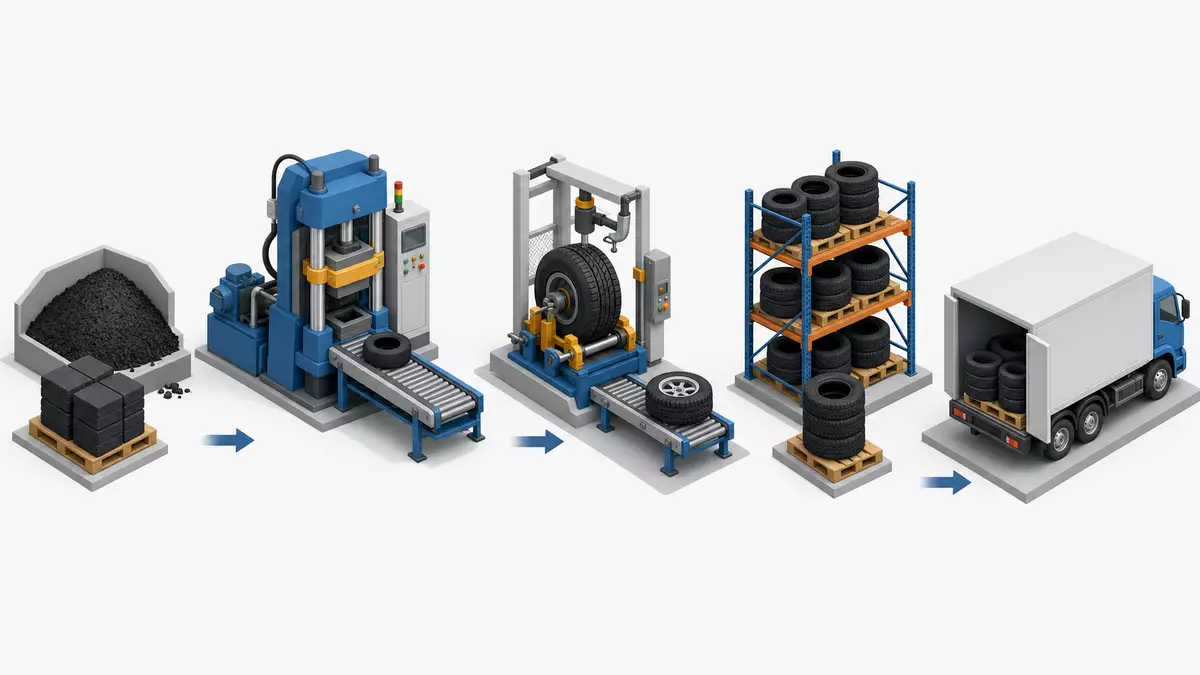
One representative product line that illustrates Continental's capabilities and commercial focus is its premium passenger car tire offering. These tires are designed to deliver strong braking performance, reliable handling and improved fuel efficiency, leveraging advanced tread patterns, rubber compounds and internal structures. Continental positions such premium tires as a key part of its value proposition to both automakers and end consumers, integrating safety and performance features that support brand recognition and pricing power.
From a financial standpoint, revenue and margin from premium passenger car tires in 2025 contribute significantly to the Tires division's overall performance. This product line benefits from replacement demand as vehicle owners seek high-quality tires, and it often commands higher prices than entry-level options. As Continental continues to innovate in this area, including through tires optimized for electric vehicles and connected mobility solutions, the contribution of premium passenger car tires to the company's earnings becomes an important factor in assessing Continental stock's long-term potential.
Share price context and trading venue
Continental stock is primarily traded in euros on the Xetra platform, which serves as a central electronic trading venue for German and many European equities. The share price reflects investors' collective assessment of the company's 2025 financial performance, strategic position and market environment. Over the 52-week period leading up to and following the 2025 results, the stock has moved within a range that encapsulates reactions to earnings releases, macroeconomic data, sector developments and company-specific news. For example, the proximity of the current share price to the 52-week high or low offers a simple quantified comparison of how sentiment has evolved.
Market capitalization, expressed in billions of euros as of a recent date, provides another key metric for Continental stock. It indicates the total equity value the market assigns to the company based on its share price and shares outstanding. When compared with the prior year, changes in market capitalization reflect both share price movements and any changes in the number of shares. For investors, tracking such metrics alongside 2025 revenue, EBIT, net income and free cash flow helps integrate price-based signals with fundamental performance indicators.
Continental at a glance
- Company: Continental AG
- ISIN: DE0005439004
- WKN: 543900
- Ticker: XETRA: CON
- Trading venue: Xetra
- Price (as of 21 July 2026, 09:00 CET): 75.00 EUR
- Market capitalization: 15.0 billion EUR (as of 21 July 2026)
- Sector / Industry: Consumer Discretionary / Auto Components
- Index membership: DAX
- Next earnings date: 8 August 2026
Disclaimer regarding our articles: No investment advice, no buy or sell recommendation. Information on prices, companies, and markets is provided without guarantee; changes are possible at any time. Stock market transactions can lead to substantial losses. Our articles are created and reviewed in whole or in part automatically with the support of AI.