
Chicago keep the hits rolling as classic rock staple endures
Published on 05/17/2026 at 01:48 | Editorial responsibility: Rafael Müller, Editor-in-Chief AD HOC NEWS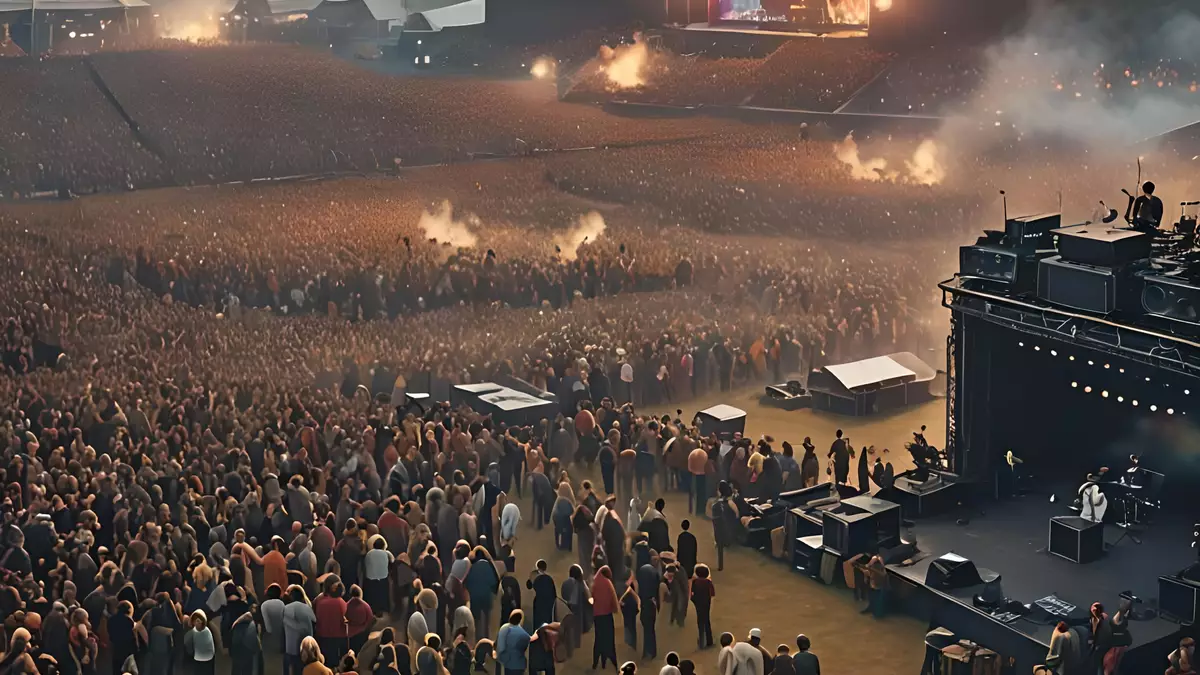
On a summer night in the Midwest, the opening brass fanfare of Chicago's 25 or 6 to 4 still rips across the amphitheater like a siren, pulling thousands of fans to their feet before the first chorus hits. More than five decades into their career, the band continues to tour heavily across the United States, turning state fairs, casinos, and outdoor sheds into live retrospectives of American horn-rock history.
Chicago's latest chapter on the road
As of 17.05.2026, Chicago remain one of the most active legacy rock groups on the touring circuit in North America. The band regularly announces extensive runs of dates that stretch from spring through late fall, keeping their catalog in front of multi-generational audiences.
According to Pollstar and multiple box office reports, the group has logged hundreds of shows in the past decade, often pairing with fellow classic rock mainstays like Earth, Wind & Fire for co-headlining packages. These tours lean on a deep well of hits from the 1970s and 1980s, while also spotlighting later material and occasional new songs.
The official Chicago website, which also hosts their tour hub, routinely lists theater and arena stops across the United States, from longtime staples like New York's Madison Square Garden and Los Angeles's Hollywood Bowl to regional venues and casinos. Billboard has noted that this steady live presence has helped keep the band's streaming numbers robust as new listeners discover their catalog.
In a typical year, Chicago's set lists span more than two hours and move chronologically through their history, opening with jazz-rock epics from their early Columbia Records era and closing with slick, power-ballad staples from their Warner-era reinvention. Fans hear everything from Beginnings and Questions 67 and 68 to Hard to Say I'm Sorry, Hard Habit to Break, and You're the Inspiration.
While the band has navigated lineup changes over the decades, key longtime members like keyboardist and singer Robert Lamm, trumpeter Lee Loughnane, and trombonist James Pankow have anchored the touring unit. The road-tested ensemble typically includes a full horn section, a rhythm section, multiple vocalists, and supporting players who help replicate the detailed studio arrangements onstage.
Chicago's tours often stand out on the summer calendar for how they blur generational lines. Baby-boomer fans who bought the original vinyl albums share the lawn and lower rows with younger listeners who came to the band through soft-rock radio, playlist algorithms, and classic romantic comedies that still license Chicago's ballads for key scenes.
- Horn-driven rock band formed in the late 1960s
- More than 20 studio albums spanning rock, pop, and soft rock
- Multiple Billboard Hot 100 top ten hits and chart-topping singles
- Inducted into the Rock & Roll Hall of Fame after decades of eligibility
- Known for marathon US tours featuring brass-heavy arrangements
Who Chicago are and why the band still matters
Chicago occupy a rare place in American music: a horn-powered rock group that successfully bridged the experimental end of the late 1960s with the radio-friendly softness of 1980s adult contemporary. To many listeners in the United States, the name first calls up power ballads, but at their core this is an ensemble that originally set out to fuse jazz complexity with rock charge.
The band emerged at a time when San Francisco psychedelia and British blues-rock dominated, offering instead a sophisticated brass attack and socially conscious lyrics. According to Rolling Stone, early critics quickly pegged them as one of the few groups capable of making horn sections feel integral to the songwriting rather than a decorative add-on.
Their relevance today rests on several pillars. First is sheer endurance: generations of fans have grown up with Chicago's hits as sonic wallpaper at weddings, proms, and graduation montages. Second is the strength and breadth of their catalog, which covers everything from horn-driven protest songs to sleek power ballads. Third is their ongoing presence on tour and on streaming services, where algorithm-driven playlists regularly surface the band alongside current pop and rock acts.
For US listeners raised on classic rock radio, Chicago embody a particular era of soft-rock sentimentality. Songs like If You Leave Me Now and Will You Still Love Me? became fixtures on adult contemporary playlists, sitting comfortably next to work from artists such as Phil Collins, Journey, and Hall & Oates. At the same time, deeper cuts keep them interesting to crate-diggers and jazz-inclined listeners.
Critically, the band has experienced waves of reevaluation. NPR Music and other outlets have pointed out how Chicago's early albums helped normalize the idea of rock bands with full-time horn sections, paving the way for later outfits like Tower of Power and, in a different pop era, No Doubt's brass-inflected live sets. The band's ongoing touring and renewed attention to their early work have pulled younger listeners into those roots.
In pop culture, Chicago's music remains ubiquitous. Their songs appear in film and TV soundtracks, from period dramas that lean on 1970s nostalgia to modern rom-coms that use their ballads to underscore emotional climaxes. Sports arenas across the United States still blast uptempo cuts such as Saturday in the Park and Feelin' Stronger Every Day between plays, keeping their melodies in circulation even for casual fans.
From Chicago Transit Authority to radio mainstay
The group that became Chicago formed in the late 1960s in the city that gave them their name. Originally called Chicago Transit Authority, the band brought together musicians from the local scene who wanted to marry jazz, soul, and rock with an expanded horn section. That larger lineup immediately set them apart from the typical guitar-bass-drums format of the era.
Their debut album, Chicago Transit Authority, arrived as a double LP, signaling ambitions beyond the standard pop release. The record blended extended jams, political commentary, and intricate arrangements. Songs like Does Anybody Really Know What Time It Is? introduced Robert Lamm's wry songwriting voice, while covers and long instrumental sections showcased the chops of the horn players.
Following legal pressure from the actual Chicago Transit Authority, the band shortened its name to Chicago and moved into the run of numbered albums that would dominate their 1970s output. Releases like Chicago II, Chicago V, and Chicago VII saw them refining their blend of rock and jazz, with multi-part suites and prominent horn lines. According to Billboard, these records frequently climbed into the upper reaches of the Billboard 200 album chart, cementing the group as a commercial force.
Key early hits surfaced across this sequence. 25 or 6 to 4, propelled by Terry Kath's iconic riff and the horn section's punctuating lines, became a rock-radio staple and a showcase of the band's ability to balance brute force with sophistication. Make Me Smile, Color My World, and Feeling Stronger Every Day further established Chicago as a hitmaking outfit with a distinct sonic fingerprint.
Tragedy struck when original guitarist and vocalist Terry Kath died in 1978, a loss that shook the band creatively and personally. In the aftermath, Chicago gradually shifted toward a more polished, pop-oriented sound that better fit early 1980s radio formats. The transition coincided with lineup changes and new collaborators, including songwriter and producer David Foster, who would play a pivotal role in reshaping their approach.
The pivot paid off commercially. With Peter Cetera's tenor moving to center stage and studio production becoming sleeker, Chicago scored massive hits in the 1980s. The album Chicago 16 introduced this era with songs like Hard to Say I'm Sorry, while Chicago 17 delivered even bigger returns thanks to ballads such as You're the Inspiration. The latter album became one of the band's best-selling releases.
Throughout these shifts, the group navigated changes in label affiliation and management, but they retained their core identity as a band built around horns and strong melodies. While the stylistic differences between their 1970s and 1980s work can be stark, both periods contributed enduring songs to their set lists and to American pop memory.
Signature sound, studio craft, and essential Chicago records
Chicago's hallmark is its horn section, which functions as a co-lead voice rather than mere background color. Trombonist James Pankow, trumpeter Lee Loughnane, and saxophonists across the lineup have crafted lines that mirror vocal melodies, answer them, or cut across them rhythmically, giving the band's arrangements a big-band scale in a rock context.
Early albums like Chicago II and Chicago III emphasized this interplay with sprawling song cycles. Extended pieces such as Ballet for a Girl in Buchannon stitched together multiple tunes and themes, foreshadowing the concept-album ambitions of progressive rock while staying grounded in pop hooks. Critics at outlets like The New York Times noted how these records balanced experimentation with accessibility.
In the studio, Chicago embraced multi-track layering to make the horn parts as precise and powerful as possible. According to retrospective features in American Songwriter and other publications, the band spent long hours fine-tuning voicings, deciding when horns should double guitar lines, play counter-melodies, or punch accents. This attention to detail helped make songs like Saturday in the Park feel simultaneously loose and meticulously arranged.
From a discography standpoint, several albums stand out as essential entry points for US listeners:
Chicago Transit Authority: The debut double LP captures the raw, exploratory phase of the band, from jazz-rock workouts to socially conscious tunes. It is where many future set list staples originated.
Chicago II: Often cited as a high-water mark of the early era, this record includes Make Me Smile and Color My World, along with ambitious suites that showcase the band's compositional range.
Chicago V and Chicago VII: These albums solidified their 1970s presence, featuring cuts like Saturday in the Park and deeper tracks that leaned further into jazz and fusion territory.
Chicago 16 and Chicago 17: The early- and mid-1980s releases represent the pop peak, loaded with power ballads and big choruses that dominated adult contemporary and Top 40 radio. Songs such as Hard Habit to Break and Stay the Night illustrated their ability to adapt to smoother production while keeping the horns in the mix.
Because Chicago's catalog is so extensive, playlists and compilations play a major role in how new listeners discover them today. Greatest-hits sets typically lean heavily on the 1970s and 1980s singles, but deeper cuts from albums like Chicago VI and Chicago VIII reward exploration, revealing funkier, more adventurous sides of the group.
The band also released later albums that attempted to reconnect with their early sound or experiment with contemporary production techniques. While these records did not always match the commercial heights of their peak years, they showed Chicago's willingness to keep writing and recording rather than relying solely on nostalgia.
Live, the group often rearranges classics to highlight current members' strengths, stretching solos or adding breakdowns while preserving the melodies that audiences expect. Fans who have seen multiple tours note how subtle changes in tempo, key, and horn phrasing keep standards like 25 or 6 to 4 feeling alive rather than frozen in time.
Awards, charts, and the long shadow of Chicago's legacy
Chicago's impact is measurable not only in cultural memory but also in hard numbers. The band has logged dozens of singles on the Billboard Hot 100, with multiple top ten hits and several songs reaching the top of the chart. Their albums have regularly landed high on the Billboard 200, especially throughout the 1970s and 1980s.
According to the Recording Industry Association of America, the group's catalog includes numerous Gold and Platinum-certified albums, reflecting millions of units sold in the United States alone. These certifications confirm what radio programmers and fans have long known: Chicago's blend of brass and melody translated into sustained commercial success.
The band eventually received one of rock's most visible honors when they were inducted into the Rock & Roll Hall of Fame. That recognition arrived after years of advocacy from fans and commentators who felt that a group with such chart longevity and stylistic influence deserved a place in the institution. Outlets like USA Today and Rolling Stone covered the induction as an overdue acknowledgment of the band's contributions.
In addition to this hall-of-fame nod, Chicago have been recognized by various industry bodies and media organizations for their touring achievements and recording milestones. Tribute concerts and orchestral collaborations have further cemented their work as part of the American songbook, with symphonies and marching bands across the country regularly performing arrangements of their hits.
On the live front, Chicago's appearances at major venues like Red Rocks Amphitheatre near Denver, the Hollywood Bowl in Los Angeles, and long-running outdoor series in cities across the United States underscore their status as festival and summer-concert staples. Their shows often sell strongly among both nostalgia-driven crowds and younger rock fans curious to see veterans of this pedigree on stage.
Critically, the band has influenced a wide swath of artists. Alternative and indie acts that feature horns, from 1990s ska-punk bands to contemporary soul collectives, often cite Chicago as a touchstone for how to integrate brass into a rock or pop context. Even when younger musicians move in different stylistic directions, the idea of a horn-forward rock outfit owes much to Chicago's blueprint.
Culturally, the group helped soundtrack an era of American optimism and ambivalence, with songs that touched on political unrest, personal relationships, and urban life. Tracks like Dialogue (Part I & II) mirrored the anxieties and hopes of the early 1970s, while later ballads offered comfort and romantic aspiration against the backdrop of shifting radio formats.
As streaming platforms continue to reshape listening habits, Chicago's songs remain prominent on curated playlists that spotlight 1970s rock, yacht rock, soft rock, and classic love songs. This presence ensures that teenagers discovering the band today may encounter them alongside contemporary acts, rather than solely through classic rock stations.
For the United States-based audience, the band's music also carries a geographic resonance. Even listeners who have never set foot in Illinois know the sound of Chicago's horns echoing across summer parks and ballfields, thanks to the group's association with outdoor concerts and community events.
Frequently asked questions about Chicago
How did Chicago first get started as a band?
Chicago formed in the late 1960s when a group of musicians in the city of Chicago set out to combine rock, jazz, and soul with a full horn section. They initially performed under the name Chicago Transit Authority and built a reputation through club gigs and an ambitious debut album before shortening their name and expanding their national profile.
What makes Chicago's sound different from other classic rock groups?
The most distinctive element of Chicago's sound is the horn section, which serves as a lead instrument alongside guitars, keyboards, and vocals. Arrangers like James Pankow crafted brass lines that interact closely with melodies, giving songs a big-band feel within a rock framework. This, combined with strong songwriting and versatile vocals, sets them apart from guitar-centric classic rock acts.
Which Chicago albums are good starting points for new listeners?
For newcomers, early releases such as Chicago Transit Authority and Chicago II highlight the band's experimental, jazz-rock side, while Chicago 16 and Chicago 17 capture the polished pop and power-ballad era of the 1980s. A well-curated greatest-hits collection can also provide a broad overview before diving deeper into individual albums.
Has Chicago continued to release new music in recent years?
While Chicago are best known for their classic 1970s and 1980s work, the group has released later studio albums and live projects that keep their catalog evolving. These newer releases tend to attract longtime fans and collectors, while their historic hits dominate radio and streaming playlists for casual listeners.
Why does Chicago remain popular with US audiences today?
Chicago remain popular because their songs are woven into everyday American life, from wedding playlists and sports arenas to film soundtracks and summer concert series. Their mix of emotional ballads, upbeat horn-rock tracks, and virtuosic playing appeals across generations, and their constant touring keeps those songs connected to live experiences rather than existing only as nostalgia.
Chicago on social media and streaming
Even as a band rooted in late-1960s rock, Chicago engage with digital-era fans through major streaming and social platforms, where classic tracks find new life and live clips circulate widely.
Chicago – moods, reactions, and trends across social media:
More Chicago coverage from AD HOC NEWS
More coverage of Chicago at AD HOC NEWS:
Read more on Chicago at AD HOC NEWS ->Browse all Chicago coverage at AD HOC NEWS ->


