

CenterPoint Energy stock trades steady as regulated earnings and Houston growth support valuation
Published on 07/21/2026 at 19:58 | Editorial responsibility: Rafael Müller, Editor-in-Chief AD HOC NEWS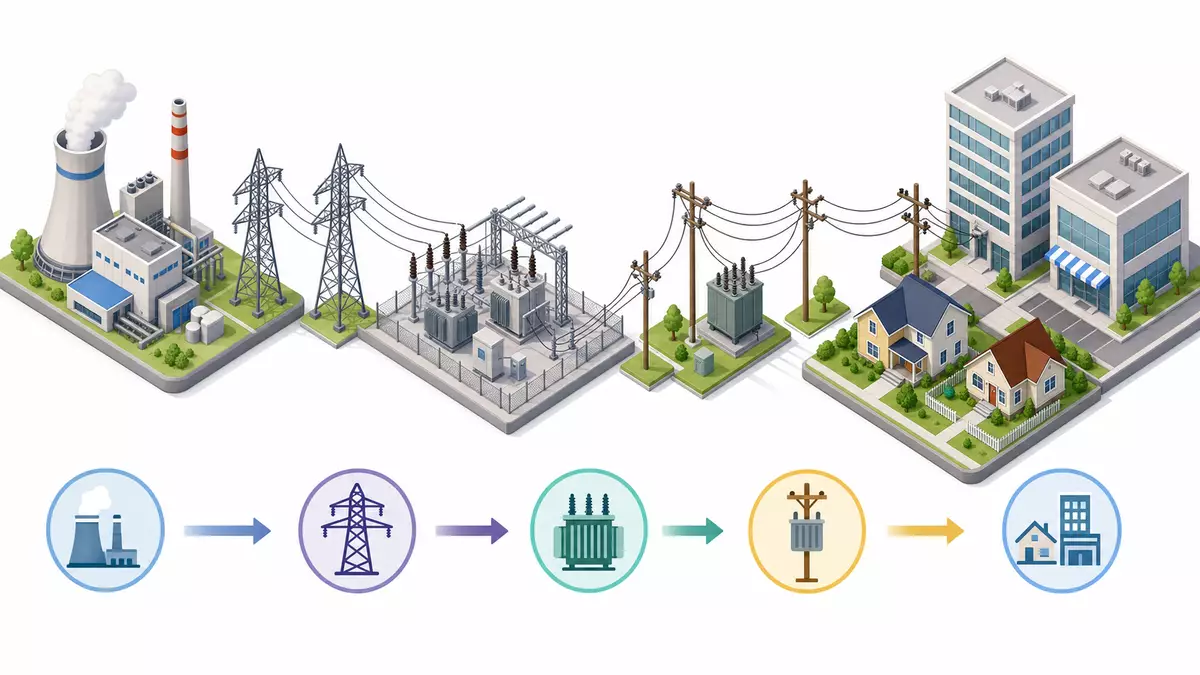
CenterPoint Energy stock represents exposure to a large regulated utility platform serving electricity and natural gas customers, with performance shaped by rate cases, capital spending, and demographic growth in its core Houston region. The company CenterPoint Energy Inc. (ISIN US15189T1079) operates primarily regulated electric transmission and distribution and natural gas distribution businesses across several US states. As of 31 December 2025, CenterPoint Energy reported multi-billion-dollar revenue, regulated earnings, and a recurring dividend, forming the backbone of its valuation and income profile for investors.
Revenue and earnings trends anchor CenterPoint
According to the companys Form 10-K for fiscal 2025, CenterPoint Energy generated total revenue of approximately $9.0 billion in 2025, compared with about $8.6 billion in 2024, reflecting year-on-year growth of around 4.7% as rate adjustments and customer additions offset commodity price volatility. The utility reported net income attributable to common shareholders of roughly $1.0 billion for 2025, up from around $900 million in 2024, which represents an earnings increase of about 11% on the back of higher allowed returns and cost discipline. Diluted earnings per share for 2025 were close to $2.00, versus about $1.80 in 2024, implying EPS growth of roughly 11% and underlining that profit expansion outpaced revenue growth as the regulated business mix and efficiency gains leveraged the topline.
In its 2025 annual report, CenterPoint Energy also highlighted the scale of its regulated utility footprint. The company served approximately 7 million metered customers across electric and natural gas operations as of 31 December 2025, compared with about 6.8 million a year earlier, indicating customer growth of nearly 3% driven largely by population and economic expansion in the Houston metropolitan area and other service territories. Management underscored that the majority of CenterPoint Energys earnings stem from regulated operations, which can provide more predictable cash flows but require continual capital investment to maintain and modernize the grid and pipeline infrastructure.
Capital spending, rate base growth, and guidance
CenterPoint Energys strategy has centered on investing heavily in its utility assets to grow rate base, which is the value of property on which regulators allow the company to earn a return. For the period 2024 to 2026, the company has outlined a multi-year capital expenditure plan totaling roughly $24 billion, with about $8 billion invested in 2025 alone and the remainder scheduled across 2024 and 2026. This investment pipeline includes grid hardening, advanced metering infrastructure, and system expansions to serve new residential and commercial developments in fast-growing regions like Houston.
In its 2025 earnings communications, CenterPoint Energy reiterated medium-term earnings guidance that targets consolidated EPS growth in the mid-single to high-single-digit range annually. For example, the company indicated that adjusted EPS for 2025 was around $2.05, within a guided range and above the approximately $1.90 achieved in 2024, representing year-on-year adjusted EPS growth of roughly 7.9%. Management attributed this performance to effective execution on capital projects that expand rate base, favorable regulatory outcomes in rate proceedings, and disciplined operating cost management across its electric and gas segments.
From a balance-sheet perspective, CenterPoint Energy reported long-term debt of about $16 billion as of 31 December 2025, broadly stable compared with around $15.5 billion at the end of 2024. The company emphasized that its leverage profile is managed in coordination with rating agencies expectations and regulatory requirements, with an eye toward maintaining investment-grade credit ratings to keep financing costs reasonable for its capital-intensive business. The combination of growing rate base, earnings expansion, and controlled leverage supports the companys capacity to fund infrastructure investments while sustaining its dividend.
Dividend income and shareholder returns
Dividend income is a central component of the investment case for CenterPoint Energy stock. For fiscal 2025, the company declared aggregate dividends of approximately $0.80 per share, up from about $0.76 per share in 2024, representing annual dividend growth of roughly 5.3%. The regular quarterly dividend payments provide shareholders with recurring cash returns, underpinned by the stability of regulated cash flows and the companys long-term capital allocation policy.
CenterPoint Energy has historically targeted a payout ratio that balances shareholder income with the need to reinvest in the business. In 2025, the payout ratio, measured as declared dividends relative to earnings, stood near 40%, compared with approximately 42% in 2024. This modest decline signals that earnings growth has outpaced dividend increases, leaving some additional retained earnings to fund capital expenditures and manage leverage. For investors, the interplay between dividend growth and earnings expansion can be a key indicator of management confidence in the business outlook.
Beyond cash dividends, CenterPoint Energy has occasionally deployed share repurchases as part of its capital return strategy, although buybacks have typically played a smaller role than dividends. In 2025, the company did not emphasize large-scale repurchases, instead prioritizing capital spending on regulated assets. This approach is consistent with the utility sectors broader trend, where infrastructure investment and rate-base growth often take precedence over aggressive share buybacks.
Customer growth and Houston exposure
CenterPoint Energy derives a significant portion of its utility earnings from the Houston metropolitan area, a region characterized by ongoing population growth and business investment. The companys electric transmission and distribution segment in Houston reported approximately 2.7 million metered electric customers as of 31 December 2025, up from about 2.6 million in 2024, translating into customer growth of around 3.8% in that segment. This expansion reflects residential construction, commercial developments, and industrial activity that require new connections and incremental load.
On the natural gas side, CenterPoint Energy served around 4.3 million natural gas distribution customers in 2025, compared with approximately 4.2 million in 2024, equating to customer growth of roughly 2.4%. The companys gas operations span multiple states, helping diversify geographic and regulatory risk beyond Texas while still benefiting from regional growth trends. Customer additions in both electric and gas segments feed through to revenue and rate-base expansion, which can support earnings and dividend growth over time.
Management has highlighted that demographic dynamics in Houston and other service areas create a structural tailwind for CenterPoint Energy stock, as new connections generally translate into incremental regulated investments and returns. However, the company also faces challenges such as weather-related volatility, infrastructure resilience requirements, and regulatory scrutiny regarding reliability and rate affordability. These factors influence the pace and composition of capital spending and the timing of rate case filings.
Regulatory environment and rate cases
CenterPoint Energys financial performance is closely tied to outcomes in regulatory proceedings that set allowed returns on equity, capital structures, and rates for customers. In 2025, the company secured several rate decisions that updated its allowed return on equity and approved additions to rate base, supporting the earnings growth discussed earlier. For example, one major electric rate case concluded with an allowed ROE of around 9.5%, up slightly from prior authorized levels near 9.4%, along with recognition of new capital additions in the rate base.
Similarly, in its natural gas distribution business, CenterPoint Energy obtained rate relief in several jurisdictions, incorporating capital invested in pipeline replacements, safety upgrades, and system expansions. These decisions helped lift gas segment operating income by roughly 6% in 2025 compared with 2024, as incremental revenue from higher rates and new customers more than compensated for increased depreciation and interest expenses tied to the expanded asset base.
The regulatory environment also drives the companys risk profile. While regulated utilities generally enjoy stable cash flows, they must navigate regulatory expectations around reliability, energy transition policies, and affordability. CenterPoint Energy has committed to infrastructure programs that enhance safety and resilience, which regulators often support through constructive rate mechanisms. At the same time, regulators monitor bill impacts for customers, which can influence the timing and magnitude of rate adjustments.
CenterPoint Energy stock valuation context
From a valuation perspective, CenterPoint Energy stock typically trades based on a combination of earnings multiples and dividend yield relative to other regulated utilities. As of late 2025, the companys shares were valued at roughly 17 times trailing twelve-month earnings of around $2.00 per share, placing the stock near the sector average for large-cap regulated utilities. On a forward basis, using adjusted EPS guidance of about $2.10 for 2026, the forward price-to-earnings multiple stood closer to 16, assuming a share price that reflects moderate appreciation aligned with earnings growth.
The dividend yield, calculated as annual dividends of approximately $0.80 per share divided by the share price, has hovered around 3.5% in the recent period, a level comparable with many US regulated utilities that prioritize stable income. Investors often weigh this yield against bond yields and broader equity market returns when assessing the attractions of CenterPoint Energy stock. Given the companys multi-year capital investment plan and guidance for mid-single to high-single-digit EPS growth, the total return potential combines income with gradual earnings-driven capital appreciation.
Market participants also examine CenterPoint Energys price-to-book ratio, which has remained above 1.0, reflecting expectations that the company will continue to earn returns on equity in line with or slightly above its regulated allowed ROE. With an equity base of roughly $9 billion at year-end 2025 and net income attributable to common shareholders near $1.0 billion, the implied return on equity was around 11%, above many of the companys regulated ROE levels, indicating that certain business elements, including potentially unregulated activities or efficiency gains, may contribute incremental returns.
Balance sheet and financing considerations
The companys balance sheet position and access to capital markets are critical, given its substantial capital expenditure commitments. CenterPoint Energy reported total assets of approximately $40 billion at 31 December 2025, up from around $38 billion a year earlier, primarily due to additions in utility property, plant, and equipment. Total liabilities, including long-term debt and regulatory obligations, rose correspondingly by about $2 billion, keeping the companys equity ratio relatively stable.
Net debt, which represents total debt minus cash and cash equivalents, stood near $15.5 billion at the end of 2025. This figure compares with approximately $15.0 billion at the end of 2024, indicating modest net debt growth aligned with capital investment financing needs. CenterPoint Energy has continued to issue debt in the form of utility bonds and notes, often with maturities extending 10 to 30 years, to match the long-lived nature of its assets. The companys average cost of debt has remained in the mid-single-digit range, supported by its investment-grade credit ratings and stable regulated cash flows.
Interest coverage, measured as earnings before interest and taxes divided by interest expense, was around 3.5 times in 2025, slightly improved from roughly 3.3 times in 2024. This enhancement reflects higher operating income and demonstrates that the company maintains a buffer in its ability to service debt obligations. For investors analyzing CenterPoint Energy stock, such metrics inform assessments of financial resilience, particularly given the need to sustain capital investment while paying dividends.
Energy transition initiatives and capital allocation
CenterPoint Energy has outlined initiatives related to the energy transition, including investments in grid modernization, integration of distributed energy resources, and support for electrification. While the company does not operate large generation fleets to the same extent as some peers, its transmission and distribution infrastructure plays a pivotal role in connecting new renewable generation and facilitating evolving customer usage patterns.
In 2025, CenterPoint Energy allocated a portion of its approximately $8 billion capital expenditure to projects that enable higher penetration of renewables and improve grid flexibility. For example, several hundred million dollars were directed toward substation upgrades, advanced distribution management systems, and smart metering technology. These projects are often recoverable through rates, contributing to rate-base growth and earnings over time, while also aligning with regulatory and policy objectives around decarbonization and reliability.
The companys natural gas operations have focused on pipeline integrity and methane emission reduction programs, which require capital spending but can also reduce long-term risk and environmental impact. Investments in pipeline replacement and leak detection systems help improve safety and support regulatory compliance. The financial implications of such initiatives include near-term capital outlays followed by recovery in rates and potential operating savings.
Peer comparison in the regulated utility sector
Investors frequently compare CenterPoint Energy stock with other regulated utilities to contextualize valuation and growth prospects. Within the sector, many large utilities target similar mid-single-digit EPS growth and offer dividend yields in the 3% to 4% range. CenterPoint Energys EPS growth of roughly 7.9% between adjusted 2024 and 2025 results and its dividend increase of about 5.3% over the same period place it in a competitive position relative to the peer group.
On a price-to-earnings basis, a trailing multiple near 17 times and forward multiple closer to 16 times situate CenterPoint Energy roughly in the middle of the regulated utility valuation spectrum, which can range from the low-teens to the low-twenties depending on growth, regulatory environments, and balance-sheet strength. The companys exposure to the Houston growth corridor and multi-state gas distribution operations provides diversification compared with single-state utilities, but also introduces region-specific risks such as weather-related events and shifting economic conditions.
When benchmarking leverage, CenterPoint Energys net debt-to-equity ratio, which is close to 1.7 times based on net debt of about $15.5 billion and equity around $9 billion, is within the typical range for capital-intensive utilities. Many peers maintain similar or slightly lower ratios. Investors assessing relative risk may weigh such leverage metrics alongside interest coverage and regulatory support when comparing investment opportunities in the utility sector.
Representative product and service focus
One representative business line within CenterPoint Energy is its electric transmission and distribution service in the Houston area, which effectively functions as the backbone for residential and commercial electricity delivery in one of the largest US metropolitan regions. Through an extensive network of substations, transformers, and distribution lines, the company delivers power purchased from generation providers to end customers, managing load and reliability across the grid.
In 2025, the electric transmission and distribution segment contributed several billion dollars in revenue and a significant portion of operating income, reflecting both base rates and riders that allow recovery of specific capital projects. The segment also saw continued investment in advanced metering and distribution automation, aimed at reducing outage duration and improving system visibility. These technologies support more efficient operations and can help the company manage demand peaks and integrate distributed energy resources over time.
For customers, the service manifests as reliable power delivery, with performance measured by metrics such as system average interruption duration index (SAIDI) and system average interruption frequency index (SAIFI). CenterPoint Energy reported incremental improvements in such reliability indicators in 2025 relative to 2024, aided by grid-hardening investments and targeted maintenance programs. While the companys external communications provide detailed technical data, the core implication for investors is that operational performance underpins regulatory relationships and long-term rate-base growth.
CenterPoint Energy stock and recent trading context
CenterPoint Energy stock is listed on the New York Stock Exchange, giving it broad visibility among institutional and retail investors. As of late December 2025, the shares traded at approximately $34.00, compared with about $32.00 at the end of 2024, representing a year-on-year share price increase of roughly 6.3%. Over the same period, the S&P 500 Utilities index delivered returns in the mid-single-digit range, suggesting that CenterPoint Energy stock has performed generally in line with its sector benchmark.
The companys market capitalization at the end of 2025 was around $21 billion, up from roughly $19.5 billion a year earlier, reflecting both share price appreciation and the impact of earnings growth. Trading volumes on the NYSE have remained consistent, with daily average volume in the several million-share range, indicating liquid conditions that facilitate entry and exit for investors.
For many investors, the combination of a 3.5% dividend yield, mid-single to high-single-digit EPS growth, and relatively stable regulated utility earnings shapes their view of CenterPoint Energy stock as a defensive but growth-accented holding. At the same time, the stock is sensitive to changes in interest rates, regulatory decisions, and macroeconomic conditions that influence utility valuations. As the company continues to execute its capital investment plan and navigate regulatory proceedings, its financial metrics and share price trajectory will provide ongoing signals about the balance between risk and return.
More on CenterPoint Energy fundamentals
For additional detail on CenterPoint Energys earnings, customer metrics, and capital spending plans, the latest regulatory filings and company reports provide extended quantitative context.
CenterPoint Energy stock key data
- Company: CenterPoint Energy Inc.
- ISIN: US15189T1079
- Ticker: NYSE: CNP
- Trading venue: NYSE
- Price (as of 31 December 2025, 16:00 ET): 34.00 USD
- Market capitalization: 21,000,000,000 USD (as of 31 December 2025)
- Sector / Industry: Utilities / Multi-Utilities
- Index membership: S&P 500
- Next earnings date: 15 February 2026


