BYD Shares Recover from 52-Week Low After Topping Tesla in Q2, but Home-Market Woes and Battery Bottleneck Loom
02.07.2026 - 15:02:39 | boerse-global.de
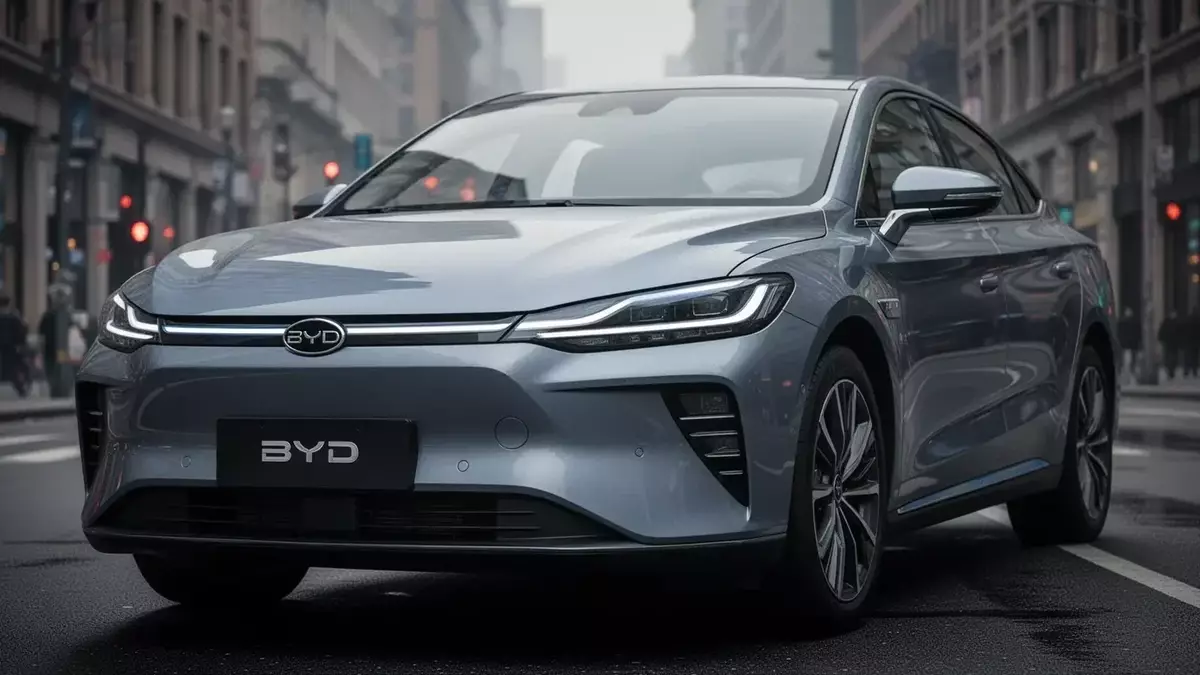
BYD shares surged nearly 5% to €9.02 on Wednesday, snapping a streak of weakness that had driven the stock to a 52-week low of €8.03 just a day earlier. The catalyst was clear: the Chinese electric-vehicle giant reported it delivered roughly 557,000 pure battery-electric vehicles in the second quarter, comfortably outpacing Tesla's 397,000 units and reclaiming the global crown in that segment.
June alone saw total new-energy vehicle sales hit a fresh monthly record of more than 403,000 units, with the premium Denza brand crossing the 20,000-delivery threshold for the first time. The numbers provided a welcome dose of relief for a stock that has shed 19.85% since the start of the year and 33.51% over the past twelve months.
Yet the rally, while sharp, snaps a technical picture that remains deeply damaged. The stock still trades 12.13% below its 50-day moving average of €9.99, and the gap to the 100-day and 200-day averages — at €10.54 and €10.77 respectively — is even wider. The relative strength index sits at 40.4, suggesting there is room for further upside before any overbought signal, but the annualized 30-day volatility of 31.46% underscores how wide the range of outcomes remains.
Exports surge as BYD pivots overseas
The delivery numbers also highlighted a strategic shift that is gathering pace. Overseas sales surged 95% year-on-year in June to more than 175,000 vehicles, meaning international markets now account for nearly half of all BYD sales. European expansion is a key pillar, despite the threat of EU tariffs of up to 45%. In Germany, the Dolphin Surf Boost model starts at around €27,000, undercutting rivals such as the new Renault 5.
Should investors sell immediately? Or is it worth buying BYD?
To sustain that growth, BYD is accelerating local production plans. The first wholly owned European factory in Hungary is due to start operations in the fourth quarter of 2026, and the board is evaluating a second site in either France or Spain. The company is targeting exports of 1.6 million vehicles by the end of 2026. At the same time, it is modernising its battery production and building what will be Poland's largest battery storage facility.
The home-market headache
The overseas push is partly a response to mounting pressure in China. Government subsidies for entry-level EVs and plug-in hybrids have been scaled back, and the brutal price war that has gripped the domestic market shows no sign of abating. BYD's recent profit decline was directly linked to weak home-market sales and intensifying competition from local rivals.
Chinese authorities have signalled they want to cool the price war, but that also limits BYD's ability to use discounts as a quick fix. The real question, as one analyst quoted by Reuters noted, is whether the company can command higher prices at home through technology rather than promotions — and so far, buyers in the lower price segments have not been convinced.
Blade Battery and Flash Charging take centre stage
The answer to that dilemma lies in BYD's second-generation Blade Battery and its Flash Charging technology, unveiled in March. Chairman Wang Chuanfu has described the ramp-up of the new battery as a central bottleneck for the current year. If production remains tight, the technology story may only benefit a handful of models. But if it scales, it could become a broad demand driver.
The bull case hinges on exactly that: that the technology shift will move the conversation away from price wars and toward genuine product differentiation. Flash Charging is designed to address range anxiety — a key barrier for combustion-engine holdouts — and is being rolled out across more models. If upcoming monthly sales data show that technology-led models are gaining traction without sparking another round of discounting, the recent bounce could mark the beginning of a real bottom.
BYD at a turning point? This analysis reveals what investors need to know now.
The bear case is that even a superior battery may not be enough. The Chinese market remains "gnadenlos" — merciless — and rivals are squeezing BYD's mass-market position from every angle. On top of that, BYD has to invest heavily in charging infrastructure and the new production lines, limiting its ability to cut prices further even if demand falters. A repeat of the 52-week low at €8.03 cannot be ruled out if the next batch of deliveries fails to show a genuine lift in domestic demand without incentives.
What to watch now
The immediate technical target is the 50-day moving average at €9.99. A sustained move above that level, accompanied by evidence that the Blade Battery and Flash Charging rollouts are translating into healthier sales in China, would lend credibility to the recovery. Missing that mark and slipping back toward €8.03 would reinforce the view that the stock is still in a bearish consolidation.
There is no fixed calendar date for the next catalyst. The condition is clear: the availability of the second-generation Blade Battery must increase, and demand must rise without renewed price pressure. Until then, the shares — now worth €74.42 billion in market cap — remain a bet on whether BYD can turn its technological edge into the pricing power that has so far eluded it in its home market.
Ad
BYD Stock: New Analysis - 2 July
Fresh BYD information released. What's the impact for investors? Our latest independent report examines recent figures and market trends.