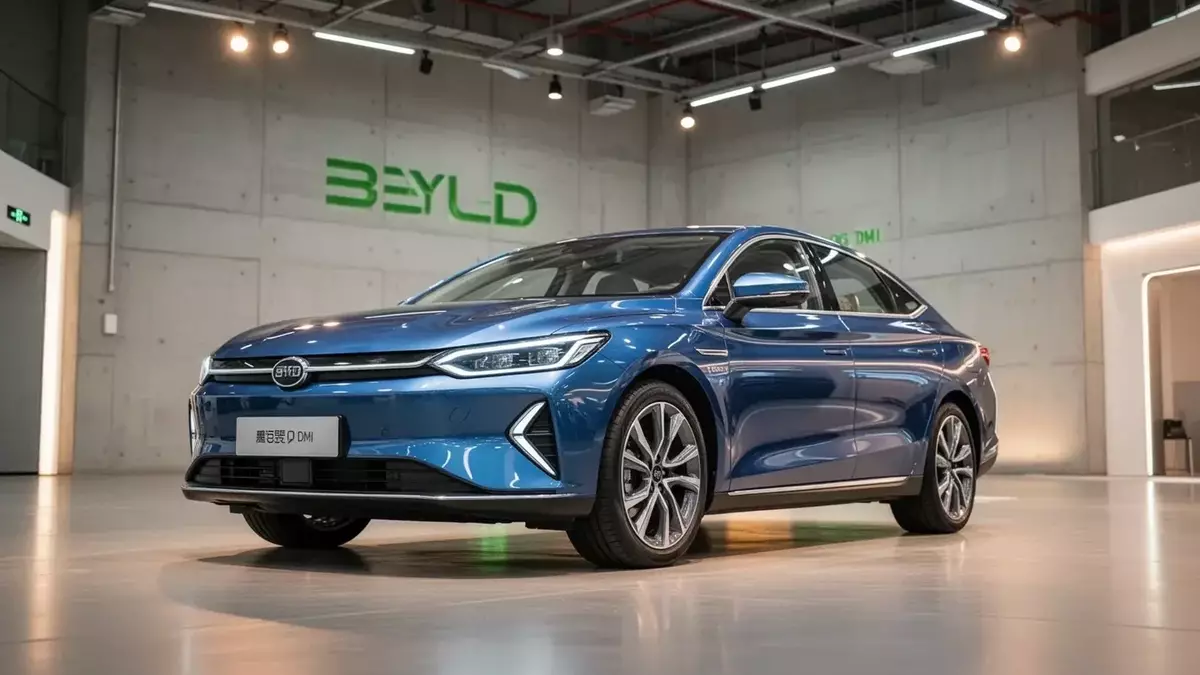
BYD’s Profit Plunge and Pentagon Headwinds Mask Export Surge as Battery Bottlenecks Slow Production
Published on 06/11/2026 at 10:52 | Redaktion boerse-global.de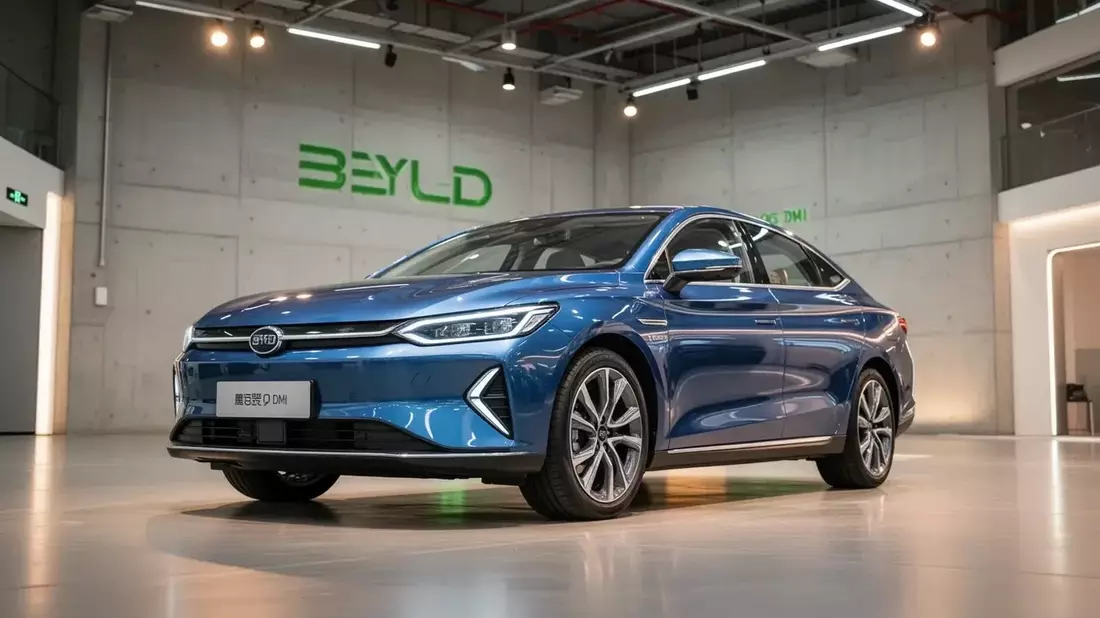
The Chinese automaker is sprinting towards a five-year goal of unseating Toyota as the world’s biggest carmaker, but the immediate picture is anything but smooth. BYD’s export business is booming, yet a series of operational and geopolitical obstacles have pushed its stock to the edge of a 52-week low.
Overseas demand is providing a rare bright spot. From January to May, export volumes surged 65% year-over-year, with the UK emerging as a standout market. During the first four months of the year, BYD carved out a 3.4% share of the electric-vehicle segment in Britain, overtaking both Tesla and Volvo. Chief executive Wang Chuanfu used the company’s annual shareholder meeting in Shenzhen to raise the export target for 2026 to over 1.5 million vehicles.
Still, the home market tells a different story. Total deliveries in the first five months of the year fell more than 20%, and the first quarter delivered a brutal profit shock: net income tumbled 55% from a year earlier to roughly 4 billion yuan (about €480 million), while revenue dropped 12%. The eight-month sales slump only ended in May, when BYD moved around 383,000 vehicles globally, boosted by a new record in foreign sales.
One of the main drags on production is the eagerly awaited next-generation Blade battery. This unit can charge a car from 10% to 97% in nine minutes, but the conversion of assembly lines to manufacture it has caused a bottleneck that is expected to persist through the year. Wang said monthly capacity is now rising by up to 30,000 units, though exactly when that will translate into smoother output remains uncertain.
Should investors sell immediately? Or is it worth buying BYD?
Beyond the factory floor, BYD is locked in a dispute with the Pentagon. The U.S. Department of Defense has placed the company on a list of Chinese military-linked firms — a designation BYD vehemently denies. Management is exploring legal options. From mid-2026, new direct contracts with listed entities will be banned in the United States, though BYD does not sell passenger cars there; it only runs an electric-bus plant.
Shareholders have also signalled unease. At the Shenzhen meeting, investors near-unanimously approved the proposed profit distribution, but when it came to financing plans, the mood soured. Over 22% of votes opposed new debt programmes, and a similar proportion resisted a framework authorising the issuance of H-shares — effectively allowing the board to dilute equity by up to 20%. The high rejection rate is a clear warning to management.
The stock market reflects this tangled outlook. Shares listed in Hong Kong have shed almost half their value from their peak. On Wednesday, the session after Wang’s bold ambitions were aired, the stock dropped a further 4.3%. The shares trade in Frankfurt at €9.34, just five cents above the 52-week trough of €9.29, and have lost roughly 41% over the past twelve months. The relative strength index stands at 31, a technically oversold reading.
BYD at a turning point? This analysis reveals what investors need to know now.
Investors are increasingly discounting grand targets without tangible progress. BYD sold roughly 4.6 million vehicles last year, ranking sixth globally, while Toyota shifted more than double that number. Wang’s five-year timetable to close that gap will require a swift resolution of battery constraints, a stabilisation of China sales, and a clear legal path around the Pentagon’s blacklist. Until then, the narrative of a world-beating future is running headlong into the reality of a very difficult present.
Ad
BYD Stock: New Analysis - 11 June
Fresh BYD information released. What's the impact for investors? Our latest independent report examines recent figures and market trends.
Disclaimer regarding our articles: No investment advice, no buy or sell recommendation. Information on prices, companies, and markets is provided without guarantee; changes are possible at any time. Stock market transactions can lead to substantial losses. Our articles are created and reviewed in whole or in part automatically with the support of AI.