Bruce Springsteen 2026: Tour Buzz, Setlists & Wild Fan Theories
22.02.2026 - 21:12:27 | ad-hoc-news.de
If you feel like every other post on your feed is suddenly about Bruce Springsteen again, you're not imagining it. From fresh tour chatter to fans swapping setlists like trading cards, the Bruce Springsteen hype cycle is firmly back in overdrive. And if you're even half-considering grabbing tickets, you probably want to know what you're walking into: the shows, the songs, the chaos, the emotions.
Check the latest official Bruce Springsteen tour dates and ticket links here
Because when Bruce Springsteen tours, it's not just another night out. It's three hours of sweat, stories, and songs that somehow make an arena feel like a tiny bar. Here's the full breakdown of what's actually going on, why fans are freaking out, and how to make sure you're not reading about the show on Reddit the morning after while wishing you'd been there.
The Backstory: Breaking News in Detail
Bruce Springsteen's touring life has always moved in waves: massive world runs, then periods of quiet, then suddenly he's everywhere again, playing marathon shows that make younger bands look lazy. The current buzz comes off the back of his recent touring cycle with the E Street Band, which reignited in a huge way after pandemic delays and health scares that had fans genuinely worried about whether we'd see him back on stage at full power.
In late interviews with big US and UK music outlets, Springsteen talked about how much he missed the "contact" with crowds. He described touring as the place where his songs finally feel fully real, because they live and change in front of people who scream every line of "Badlands" like it's the first time they've ever heard it. That longing to be back has shaped everything that's happening now: longer shows, more emotionally heavy song choices, and a visible urgency in his performances that fans keep calling out online.
Recent tour announcements and updates have focused heavily on major US and European cities, with a strong emphasis on the UK and continental Europe. Stadiums and arenas in cities like London, Dublin, Paris, Berlin, and multiple US markets have become repeat stop-offs. Fans tracking the official page are noticing patterns: weekday shows in big cities, back-to-back nights in key markets where demand is traditionally insane, and a mix of indoor arenas and open-air venues where long summer nights match the energy of a three-hour "Born to Run" scream-along.
Behind the scenes, one of the biggest reasons this new wave of touring matters is Springsteen's age and history. He's in his mid-70s and has spoken openly in recent years about mortality, legacy, and watching his friends and bandmates grow older. When he plays songs like "Ghosts" or "Last Man Standing," it's not subtle – he knows exactly what he's saying to the crowd. That awareness makes each tour announcement feel less like just another run and more like a chapter you'd be foolish to skip.
Ticket demand has reflected that. Even in a touring economy where a lot of big acts are struggling to sell out instantly, Bruce Springsteen dates often spark queues, crashes, and frustration. Part of that is fanbase loyalty – people who've been seeing him since the '70s are now bringing kids and even grandkids – and part of it is the reputation of the show itself. You don't just get 90 minutes and out; you get a full emotional workout.
For fans in the US and UK, there's also a sense of unfinished business. Pandemic cancellations, rescheduled dates, and health-related postponements left a lot of people sitting on unused tickets or memories of tours that never fully happened. This latest run – and any fresh dates that appear on the official tour page – feel like a chance to close that loop properly.
So when people talk about this moment as "unmissable," it isn't pure hype. It's shaped by everything that's come before: the delays, the health scares, the online clips of him still going full-throttle at an age when most rock legends are picking comfy chairs over encore runs. That context is why every new date lands like a mini news event in fan circles.
The Setlist & Show: What to Expect
If you're wondering what an actual night with Bruce Springsteen and the E Street Band looks like in 2026, the short answer is: long, intense, and very, very loud. The longer answer is that setlists shift just enough to keep hardcore fans guessing, while still anchoring every night with the songs that made him a global icon.
Recent setlists have usually opened with a burst of energy – songs like "No Surrender," "Lonesome Day," or "Night" – the kind of tracks that let the band lock in early and give the crowd a signal: you're not here to stand still. From there, the shows usually weave between eras. Classic anthems like "Badlands," "The Promised Land," "Born to Run," "Thunder Road," and "Dancing in the Dark" are basically non-negotiable at this point, and fans would riot if he tried to drop them completely.
Then there are the emotionally heavier mid-show runs that have defined the more recent tours. Songs like "The River," "Racing in the Street," "Thunder Road" in slower arrangements, and newer cuts like "Letter to You" and "Ghosts" hit differently now. Springsteen often uses that middle stretch to talk – telling stories about old friends, bar bands, New Jersey, lost bandmates, or the early days with the E Street Band. For younger fans who grew up hearing their parents' bootleg stories, this section feels like stepping directly into that mythology.
Towards the end, the tone flips back into all-out celebration. That's when you get "Born in the U.S.A." roaring across the stadium, "Glory Days" turning into a massive singalong, "Rosalita (Come Out Tonight)" making an appearance on nights where he's clearly in a playful mood, and "Tenth Avenue Freeze-Out" becoming a tribute moment to Clarence Clemons and fallen E Street comrades. "Dancing in the Dark" remains the crowd-pleaser it's always been, often with someone pulled from the audience for that iconic dance moment.
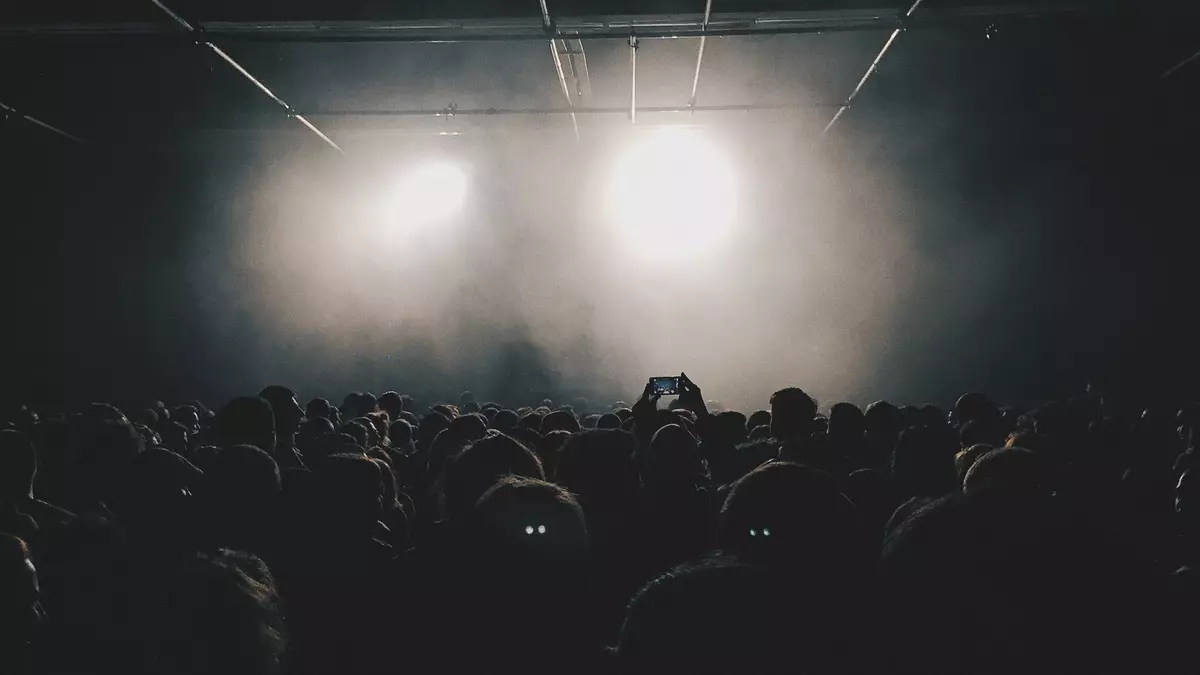
Atmosphere-wise, these shows are not polite, sit-down-and-clap affairs. The floor is usually packed shoulder to shoulder with fans who know every word, while the stands are full of people who might start out sitting and end up on their feet by song three. It's sweaty, joyful, and oddly intergenerational: thirtysomethings in vintage tour shirts next to teenagers who discovered him through their parents, plus older fans who've seen him twenty-plus times and still scream like it's their first.
One thing that stands out in recent tours is how tight the E Street Band still sounds. Nils Lofgren, Steven Van Zandt, Max Weinberg, Garry Tallent, Roy Bittan, Jake Clemons and the rest lock into grooves that feel both precise and loose in the best way. Solos rarely feel indulgent; they feel like necessary exclamation points. Fans online keep pointing out that the band plays with the intensity of a group that knows every show could be someone's first – or someone's last.
Expect show lengths in the 2.5 to 3-plus hour range, with very few breaks. Bruce is notorious for not leaving the stage much, and he still sprints across large setups like he's trying to prove a point. If you're going: comfortable shoes, water, and a plan for getting home late are essential.
Setlist flexibility is real, but there are some fan-favorite deep cuts that rotate in and out: "Backstreets," "Atlantic City," "Because the Night," "Prove It All Night," "Jungleland," and "Candy's Room" all show up often enough that you can realistically hope for them. Some nights he'll pull out something rarer just to keep diehards on their toes, sparking instant Reddit threads and TikToks of "You won't believe what he played tonight."
What the web is saying:
Rumor Mill: What Fans Are Speculating
If you scroll through Reddit threads or music TikTok right now and type "Bruce Springsteen" into search, you'll see a few big themes looping over and over: ticket price anger, wish lists for deeper cuts, and nonstop speculation about new material or "final" tours.
On subreddits like r/music and other dedicated Springsteen communities, fans are locked in heated debates about dynamic pricing and resale. Some users argue that the prices reflect demand and the reality of a legacy act in 2026, while others say that the whole point of Bruce's music – working-class stories, small-town struggles – clashes hard with triple-digit nosebleed seats. There are lengthy comment chains with people swapping strategies: joining queues early, waiting for last-minute ticket drops, or hunting face-value resales from other fans instead of scalpers.
TikTok has added a whole new layer. There are viral clips of parents surprising their kids with tickets, older fans crying during "Thunder Road," and POV videos from the pit where the camera just shakes while thousands shout the "Born to Run" bridge in unison. CapCut-style edits pair Springsteen tracks like "I'm on Fire" or "Streets of Philadelphia" with moody, nostalgic visuals, pulling in younger listeners who might only know him from their parents' playlists or movie soundtracks.
Then there are the theories. Every time a tour extends or a new date is rumored, people start asking the same question: is this the last big world run? Springsteen hasn't labeled anything as a farewell, and he's pushed back in the past on the idea of a neat, tidy goodbye. But fans openly talk about treating every tour as if it could be the last, just in case. That fuels a kind of "now or never" urgency that you can feel in comment sections whenever new dates are mentioned.
Another ongoing fan obsession: will he debut new songs live before they hit streaming, the way he's done at earlier points in his career? Speculation about a future album of newer material, or more archival releases in the spirit of his past projects, pops up regularly in discussions. Some fans point to the more reflective tone of songs like "Letter to You" and "I'll See You in My Dreams" as proof that he's in a creative phase heavily focused on memory and legacy – the kind of mindset that often leads to strong late-career albums.
Setlist discourse is also nonstop. Every time a rare track gets played – think "Incident on 57th Street" or "New York City Serenade" – fans on Reddit immediately rank that show as "top tier" and start hoping their own date will get similar treatment. There are big threads where people post mock setlists they'd love to hear, mixing hits with deep album cuts from records like "Nebraska," "Darkness on the Edge of Town," or "Tunnel of Love."
Some fans are convinced he might do more album-themed nights, the way he's performed records start to finish in the past. Others think the balance he's striking now – a heavy hits core with rotating extras – is his ideal formula and won't change radically.
In short, the fan vibe is a mix of gratitude, panic, and FOMO: grateful that he's still out there playing at this level, panicked about whether they can afford tickets or make the travel work, and terrified of missing "that one show" everyone talks about for years afterward.
Key Dates & Facts at a Glance
Here's a quick-reference snapshot to keep your Springsteen brain organized. Always double-check the official page for real-time updates.
| Type | Region | Example Date | City / Note | Need-to-Know |
|---|---|---|---|---|
| Tour Stop | USA | Summer / Fall 2026 | Major arenas & stadiums | High demand, expect queues and dynamic pricing on key markets. |
| Tour Stop | UK | Summer 2026 | London, Manchester, more | Often multiple nights in London; watch for extra dates added after sellouts. |
| Tour Stop | Europe | Mid–Late 2026 | Paris, Dublin, Berlin, etc. | Outdoor shows can run especially late; plan travel accordingly. |
| Typical Show Length | Global | — | 2.5–3+ hours | Minimal breaks, full-band performance start to finish. |
| Encore Highlights | Global | — | Varies nightly | Often includes "Born to Run," "Dancing in the Dark," "Tenth Avenue Freeze-Out." |
| Classic Album Eras | Global | 1975–1984 | "Born to Run," "Darkness…", "The River," "Born in the U.S.A." | Most shows heavily feature songs from these albums. |
| Recent Material | Global | 2020s | "Letter to You" era | Emotional newer songs are often placed mid-show for maximum impact. |
FAQ: Everything You Need to Know About Bruce Springsteen
To make planning easier – and to help if you're newer to the Bruce Springsteen universe – here's a detailed FAQ that covers what fans keep asking online.
Who is Bruce Springsteen, and why do people treat his concerts like a life event?
Bruce Springsteen is a New Jersey-born songwriter, singer, and bandleader who broke out in the 1970s and became one of rock's defining live performers. His albums like "Born to Run," "Darkness on the Edge of Town," "The River," and "Born in the U.S.A." turned him into a global icon, but the real obsession comes from his shows. For decades, he's been known for multi-hour sets packed with high energy, long stories, crowd interaction, and a willingness to pour absolutely everything into the performance.
For many fans, going to a Bruce Springsteen concert isn't just about hearing songs they like. It's a kind of emotional reset: songs about working, failing, dreaming, escaping, and coming home hit in a way that feels directly personal. That's why people describe the experience in almost spiritual terms and travel across countries just to catch another night.
What can I actually expect if I go to a Bruce Springsteen show in 2026?
Expect to be on your feet a lot. Most nights, the show starts with a fast burst – a song like "No Surrender" or "Lonesome Day" – and rarely lets up. The first third of the show usually locks in the mood with crowd-pleasers, then the middle section can get more introspective: songs like "The River," "Backstreets," or "Racing in the Street" often appear here, plus newer material that digs into memory, time, and loss.
By the final stretch, you're in full celebration mode. "Born to Run" almost always turns the entire venue into one massive choir. "Dancing in the Dark" and "Glory Days" become cathartic shout-alongs. In between, expect Bruce to talk. He might share stories from the early days in Jersey, dedicate songs to friends, or talk openly about aging, grief, and what music still means to him. It feels strangely intimate, even in a packed stadium.
Where can I find the most accurate Bruce Springsteen tour dates and ticket links?
The only truly reliable source for up-to-date tour dates, presale info, and official ticket links is the official website. Social media posts, fan forums, and rumor accounts can give you early hints, but they can also be wrong or out of date within hours.
If you're serious about going, bookmark the official tour page and refresh it regularly around announcement cycles. When new dates drop, ticket links and venue info appear there first, and you'll be able to see if additional nights are added in your city due to demand.
When do Bruce Springsteen tickets usually go on sale, and how fast do they sell out?
On-sale timings depend on the region and promoter, but typically you'll see a presale window (fan clubs, specific cardholders, or venue lists) followed by a general on-sale date. In major markets – especially big US cities, London, Dublin, and key European capitals – initial allocations can move very fast.
Even when a show appears sold out, though, don't assume it's over. Fans regularly report last-minute official ticket releases in the weeks or days leading up to the show as production holds are released and seat maps are finalized. The trick is to stick to primary sellers and avoid panic-buying overpriced resale tickets unless you're absolutely comfortable paying the markup.
Why are Bruce Springsteen ticket prices such a big conversation right now?
Because they sit at the collision point between fandom, nostalgia, and the reality of modern touring economics. Bruce's music has always centered working people, small towns, and survival, so when some tickets end up at price points that feel out of reach, fans understandably feel conflicted.
Dynamic pricing and high-demand markets have led to screenshots of extreme prices circulating online, sparking debates about who these shows are really for. At the same time, others point out that there are still cheaper seats available if you're flexible and quick when sales open, and that the three-hour-plus show length and live reputation help justify the cost for many.
In short: it's complicated, and fan communities are very vocal about both their love for the music and their frustration with the system.
What songs does Bruce Springsteen usually play – and is there any chance I'll hear deep cuts?
You can almost bank on hearing "Born to Run," "Thunder Road," "Badlands," "The Promised Land," "Dancing in the Dark," "Glory Days," and "Born in the U.S.A." on any given night. Those are tentpole songs in his sets, and newer fans often come specifically for those moments.
But part of the fun is in the surprises. Depending on the tour leg and the city, he rotates in tracks like "Prove It All Night," "Candy's Room," "Because the Night," "Jungleland," and "Atlantic City." Hardcore fans obsessively track setlists online; if you care about hearing certain songs, checking recent nights from the same leg of the tour can give you a sense of what's realistic.
There's always a chance of a shock addition – especially in cities with deep history for him, like New York, Philadelphia, or specific European stops where he's had legendary shows before. That unpredictability is part of what keeps long-time fans coming back.
Why do people keep saying you should see Bruce Springsteen "at least once"?
Because even if you're not a diehard fan, the live experience hits on multiple levels: it's a history lesson in rock performance, a communal emotional wallop, and a rare example of an artist in his 70s still performing as if he has everything to prove. You don't have to know every B-side to feel the impact of thousands of people shouting "tramps like us" together or to get chills during a quiet solo moment.
For many younger fans, seeing Bruce now is also about timing. They've grown up hearing that "you had to be there" about past tours and now have a real shot at building their own stories. It's the kind of show you talk about for years, even if you only go once.
How should I prep if this is my first Bruce Springsteen concert?
Practical prep first: wear comfortable shoes, bring a light layer if it's outdoors, charge your phone, and eat before the show. Three-hour sets are incredible but also physically demanding if you're not used to standing that long. Hydration is your friend.
Musically, you don't need to cram the entire discography, but running through a playlist with core tracks from "Born to Run," "Darkness on the Edge of Town," "The River," and "Born in the U.S.A." will make the night hit harder. Add a few newer songs like "Letter to You," "Ghosts," and "I'll See You in My Dreams" so you're not lost during the emotional center of the show.
Most importantly, go in ready to actually participate. These shows aren't background noise. You'll be singing, clapping, yelling, and maybe crying next to total strangers. Lean into it – that's how you really get why people keep showing up tour after tour.
Get the professional edge. Since 2005, 'trading-notes' has provided reliable trading recommendations. Sign up for free now
So schätzen die Börsenprofis Aktien ein!

Für. Immer. Kostenlos.