
Bruce Springsteen 2026: Tour Buzz, Rumors & Setlist Talk
Veröffentlicht am: 25.02.2026 um 09:16 Uhr | Redaktionelle Verantwortung: Rafael Müller, Chefredakteur AD HOC NEWS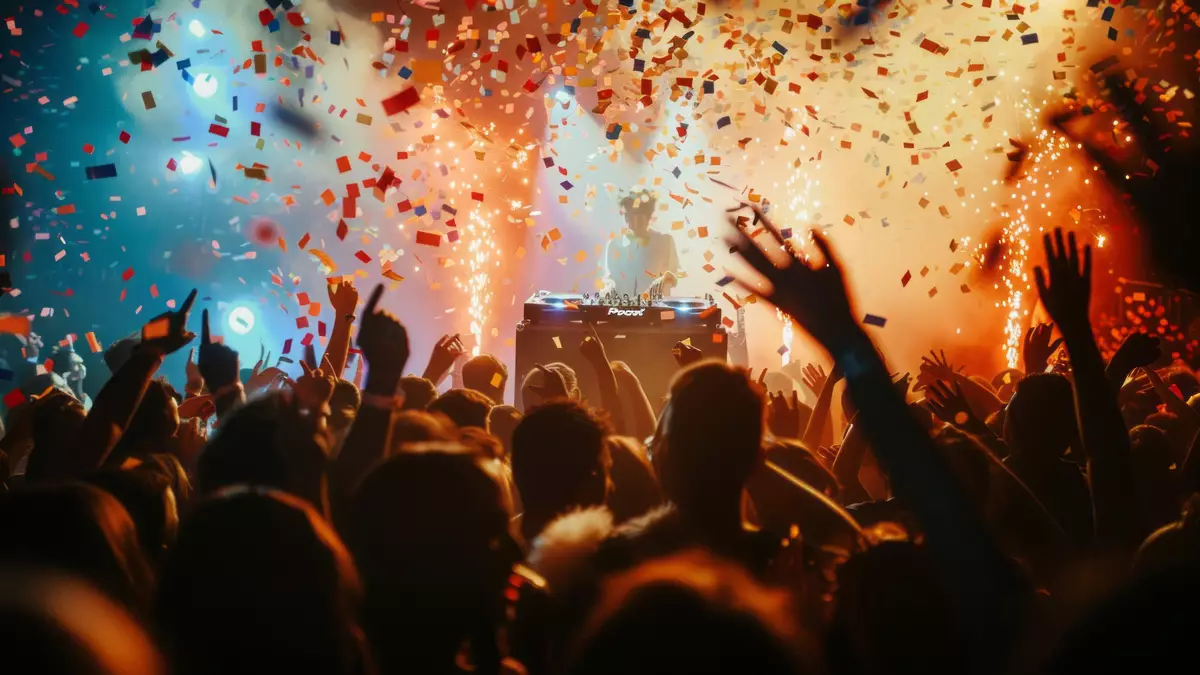
If you feel like Bruce Springsteen is suddenly everywhere in your feed again, you're not imagining it. Search spikes, fan forums waking up, and people asking the same question in all caps: “Is Bruce Springsteen about to hit the road again?” For a lot of fans, especially younger listeners who discovered him through streaming or their parents' vinyl, the idea of seeing The Boss in 2026 feels urgent, emotional, almost like a deadline.
Check the official Bruce Springsteen tour page for the latest updates
Official channels are being cautious and measured, but fans are filling in the gaps with theories, leaked screenshots, and setlist wishlists. If you're trying to make sense of the noise around Bruce Springsteen right now, here's a deep read on what's actually happening, what's rumor, and what it all means if you're hoping to sing along to Born to Run at full volume in a stadium soon.
The Backstory: Breaking News in Detail
As of early 2026, there hasn't been a fully announced, globally locked Bruce Springsteen tour schedule published on major outlets with all the usual fanfare. That said, several important threads are pushing the current wave of buzz.
First, Springsteen's recent activity over the past few years has re-centered him as a live act, not just a legacy name. His tours with the E Street Band in the early 2020s, especially the extensive 2023 runs across the US and Europe, reminded audiences and critics that he still plays marathon-length shows with very little compromise in energy. Those concerts consistently pulled in raving reviews, with writers noting that even in his 70s, he was still staying on stage for close to three hours, rotating deep cuts with staples like Thunder Road, Dancing in the Dark, and Badlands.
Second, health-related pauses and reschedules in recent years added a layer of urgency and emotion. When an artist like Springsteen has to delay dates due to health, fans immediately start asking hard questions: How many full-scale tours are realistically left? Will he keep hitting the same number of cities? If you've seen older fans online using phrases like "last chance" or "bucket list", that's where it's coming from. Younger fans feel that pressure too, especially those who got into him through TikTok edits, movie soundtracks, or "dad rock" playlists and haven't had their own arena moment yet.
Third, the official site's tour page — the one hardcore fans refresh constantly — has become a focal point. When small tweaks happen to layouts, colors, or date formatting, fans read it like it's the Dead Sea Scrolls. A minor update is enough to set off speculation threads: Is the team preparing to drop fresh dates? Are they aligning with festival announcements? Are they spacing routing for Europe vs. North America again?
Layered on top of this is the standard Springsteen release cycle pattern. Even without a formally announced brand-new studio album for 2026 at the time of writing, there are constant whispers about archival projects, expanded editions, or surprise EPs. Commenters on fan forums regularly point out that Springsteen historically doesn't sit still for long. If he's in the press or teasing material, a run of live shows often follows, even if it's a shorter leg or a themed residency.
For fans, the implications are clear: you might not have solid dates and venues in your calendar yet, but this is the window where you start thinking about saving, planning travel, and paying attention to presale codes. When Bruce moves, he moves fast — and tickets tend to disappear even faster.
The Setlist & Show: What to Expect
Even without a fully locked 2026 tour map, recent Springsteen shows give a pretty sharp picture of what you can expect when he finally steps back onto a US or UK stage.
Start with the core identity of a Bruce show: it's long, emotional, and strangely intimate for such a big production. Recent tours routinely featured 25–30 songs a night, with very little talk that wasn't intentional storytelling. Tracks like Born to Run, Badlands, Thunder Road, Born in the U.S.A., and Dancing in the Dark are basically untouchable pillars. If you're seeing him for the first time, you can safely expect most of those to show up in some form. They're not just songs — they're communal screams. You'll see people in their 60s crying and singing the bridge of Thunder Road right next to zoomers streaming the lyrics on their phones.
Beyond the obvious hits, recent setlists have leaned into different eras of his catalogue depending on the city and overall tour arc. One night might bring out The River, Prove It All Night, or Backstreets, the next could slide in Rosalita (Come Out Tonight) or Because the Night. When he was supporting more recent studio records like Letter to You, songs such as Ghosts, Letter to You, and I'll See You in My Dreams became emotional climaxes, not bathroom-break moments. Expect that pattern to continue: if new material appears in 2026, it will be folded into the set in a way that makes it feel like part of the canon, not an interruption.
One key thing younger fans should know: you don't just stand there at a Springsteen show. The E Street Band's energy pushes the crowd into a full-body experience. From pounding through rockers like Radio Nowhere or No Surrender to slow-building epics like Jungleland, the pacing is more like a DJ carefully constructing a perfect night than a classic rock act trudging through the hits in album order.
Another reason people obsess over setlists is the unpredictability. Fans still trade stories about rare pulls and one-off surprises. Maybe he digs out Incident on 57th Street for the first time in a while, throws in a stripped-down Atlantic City, or sneaks in a cover. That sense that tonight might be the night he plays your song keeps hardcore collectors and casual listeners equally engaged.
Atmosphere-wise, the contrast is wild: you're in a massive stadium or arena, but it often feels like you're watching someone hold a conversation with tens of thousands of people at once. He'll talk about getting older, about bandmates, about America and working life, then slam directly into something explosive like Born in the U.S.A. or Glory Days. For fans who grew up with festival culture and pop tours that rely heavily on visuals and choreography, a Springsteen show hits different: the production is solid, but the focus is performance, storytelling, and stamina.
So if and when the 2026 dates lock in, expect a set that spans decades, bends toward emotionally heavy recent songs, and still makes time for the shout-along anthems that made your parents fall in love with him in the first place.
What the web is saying:
Rumor Mill: What Fans Are Speculating
The wildest part of the current Springsteen buzz isn't coming from official announcements — it's from fans. Reddit threads and TikTok comment sections have basically turned into a live group chat trying to predict the next move.
On Reddit, especially in music subs and Springsteen-focused communities, you'll see a few dominant theories:
- The "Farewell-But-Not-Really" Theory: Some fans think the next run of dates could be framed as a final major world tour, even if he continues to perform in smaller formats later. People point to his age, health pauses, and the physical demands of three-hour shows as signs that we may be approaching the last huge global sweep. No official statement backs that, but the math is on everyone's mind.
- The "Anniversary" Angle: Springsteen's catalogue is full of albums hitting big anniversaries in the mid-2020s, from Born to Run and Darkness on the Edge of Town milestones to later records that Gen X and Millennial fans grew up with. The theory: a 2026 tour focusing heavily on one classic album each night, or rotating "theme" shows where entire eras get spotlighted.
- The "Residency" Rumor: After his Broadway run proved how powerful a more intimate, story-driven show could be, people keep speculating about a limited residency — maybe in New York, maybe in London — that trades sheer length for depth and narrative. Think: more storytelling, curated setlists, maybe stripped-back arrangements.
On TikTok, the vibe is slightly different. You get edits set to Dancing in the Dark and I'm on Fire tied to "main character" aesthetics, but you also see a younger crowd confused about ticket pricing. Clips of older stadium tours, where tickets were relatively cheap by modern standards, are being stitched with jokes like, "My dad paid this much in 1985 and I'm paying rent-level money in 2026."
Ticket price anxiety is real. Fans across socials regularly complain that big-venue shows — not just Springsteen, but him included — have become borderline luxury events. Dynamic pricing, VIP packages, and re-sale markups are constant sources of anger. People share screenshots of high prices and ask if it's "worth it" to pay that much for an artist who once pointed his songs at working-class realities. That tension is now part of every big Springsteen tour conversation.
Then there are the deep-cut nerd debates. Will he reach further into the vault for songs like Stolen Car, Racing in the Street, or Drive All Night on the next run? Some fans swear they can "predict" rare songs based on the city's previous setlists, local history, or even the day of the week. Others argue that, at this point, he's earned the right to lean hard on the hits and newer material that feels emotionally urgent.
All of this speculation has a side effect: it builds demand before a single official on-sale date appears. By the time anything becomes official, the hype machine — powered mostly by fans — is already running full speed.
Key Dates & Facts at a Glance
- Official Tour Info Hub: The central place for current and future tour updates, ticket links, and announcements is the official tour page: the one hosted on Springsteen's own site.
- Typical Show Length: Historically, full-band Springsteen shows often run between 2.5 and 3+ hours, with around 25–30 songs per night.
- Core Setlist Staples: Songs that most fans expect to hear at a typical E Street Band show include Born to Run, Thunder Road, Badlands, Dancing in the Dark, and Born in the U.S.A..
- Recent Tour Pattern: Recent years have seen Springsteen tour North America and Europe in separate legs, usually spacing them across the calendar year.
- Fan Demographic Shift: While his original fanbase remains deeply loyal, there is observable growth in Gen Z and Millennial attendance, driven by streaming, social media edits, and parental hand-me-down fandom.
- Ticket Demand: Recent tours have sold out quickly in most major US and European cities, with high re-sale demand in markets like New York, London, Dublin, and Barcelona.
- Show Atmosphere: Expect a mix of stadium-sized sing-alongs, emotionally heavy storytelling moments, and occasional rare deep cuts pulled from across his entire discography.
FAQ: Everything You Need to Know About Bruce Springsteen
Who is Bruce Springsteen and why do people care so much in 2026?
Bruce Springsteen is a singer, songwriter, bandleader, and live performer who rose to prominence in the 1970s and 1980s with records like Born to Run, Darkness on the Edge of Town, The River, and Born in the U.S.A.. What makes him still relevant in 2026 isn't just nostalgia — it's the way his songs keep finding new audiences. His writing about working life, small towns, family pressure, and the tension between hope and disappointment still hits hard for younger listeners dealing with their own economic anxiety.
On top of that, his live reputation is legendary. For decades, he's been known for delivering long, physically intense shows that feel like a mix of rock concert, theatre, and group therapy. The idea that you can see someone in their 70s command a stadium with that kind of stamina is part of the appeal. He's not a hologram of his past; he's still actively performing, which makes each tour feel like an event instead of a museum visit.
What kind of music does Bruce Springsteen actually make?
If you only know him from one or two songs, you might think "heartland rock" or "classic rock", but his catalogue is more varied than that label suggests. There are huge anthems like Born to Run, Badlands, The Promised Land, and Glory Days that fit the stadium-rock mold. There are stark, stripped-down acoustic records like Nebraska that lean closer to folk storytelling. There are more polished, pop-leaning moments from the Born in the U.S.A. era, and later albums that flirt with Americana, soul, and modern rock textures.
For new fans in 2026, his music often serves as a bridge between generations. You might recognize his voice from playlists your parents played, but the themes — economic struggle, mental health, craving freedom — translate easily into the streaming era. A track like The River can emotionally stand next to modern indie or alt-pop songs about burnout and broken promises.
Where can I find accurate, up-to-date Bruce Springsteen tour information?
The only truly reliable starting point is his official site, specifically its tour section. That page typically lists confirmed dates, cities, venues, and official ticket links. Anything floating around social media or fan forums before it appears there should be treated as speculation or rumor, not fact.
Beyond that, major ticketing platforms and big music news outlets will usually pick up announcements fairly quickly after they go live. But if you want to avoid scams, always cross-check a date against either the official site or a trusted major ticket partner listed there. Screenshots of "leaked date grids" on Instagram stories or random X/Twitter posts shouldn't be enough to make you pull out your card details.
When do Bruce Springsteen tickets usually go on sale and how fast do they sell out?
Timing varies by tour, but typically, once the dates are officially announced, you'll see a schedule: fan presales, card-partner presales, local presales, then a general on-sale window. Presale codes can come through official mailing lists, fan clubs, or specific partnerships. In bigger markets — think New York, London, Los Angeles, Dublin — many shows sell out within minutes of the general on-sale, especially for prime seats.
Because of this, it's smart to decide before the announcement how far you're willing to travel and roughly what you can afford. Once tickets drop, refreshing pages in a panic is the worst time to be making big money decisions. Also, if a date sells out instantly, don't be shocked if a second or even third show gets added in that city; that move has been common on previous tours.
Why are Bruce Springsteen tickets sometimes so expensive?
Multiple factors drive pricing: dynamic pricing algorithms that raise prices when demand spikes, VIP or "platinum" packages, service fees, and re-sale markups. Springsteen is far from the only artist caught in this conversation, but because his songs often center on working-class lives, there’s extra scrutiny when ticket prices climb.
Fans vent online about the gap between the stories in the songs and the reality of modern touring economics. At the same time, the production costs for large-scale, global tours in 2026 are significantly higher than in past decades, and artists of his stature generally work with big promoters and venues that use the same pricing mechanics as pop superstars. That tension — emotional accessibility vs financial accessibility — is now part of how people talk about seeing him live.
What should I expect from the crowd and vibe at a Bruce Springsteen show?
Expect a wide age range, from people who saw him in the 1980s to teenagers and twenty-somethings experiencing their first rock legend show. It's normal to see families spanning three generations. The crowd tends to be passionate but generally respectful; you're more likely to get pulled into a sing-along than shoved in a mosh pit.
You should be ready to stand for long stretches, shout lyrics, and ride out quieter, heavier emotional moments. The communal feel is strong: strangers will high-five you during Born to Run, tear up during The River, and share stories in the concourse about the first time they heard Thunder Road. It's less about having a perfectly curated social-media moment and more about being part of a shared, live memory.
Why does Bruce Springsteen still matter to younger listeners?
For Gen Z and Millennials, Springsteen lands as both "classic" and surprisingly current. The soundtracks of shows, movies, and TikTok edits keep older songs circulating. Lyrics about working jobs you hate, feeling trapped in your hometown, or wanting to run toward something better feel brutally on point in a world of gig work, burnout, and housing stress.
There's also a real hunger for authenticity in live performance. In an era of heavy backing tracks and tightly choreographed pop shows, watching a band actually play for hours, make mistakes, take requests, and still hit big emotional peaks feels refreshing. Springsteen represents a version of rock stardom that's messy, earnest, and endurance-based, which hits a different emotional button than polished, short-run tours.
So when fans obsess over possible 2026 tour dates, they're not just chasing a nostalgia trip. They're chasing a chance to plug into a living, breathing piece of music history that still has something to say about right now.


