
Bon Jovi 2026: Is This The Last Big Tour Era?
Veröffentlicht am: 05.03.2026 um 00:35 Uhr | Redaktionelle Verantwortung: Rafael Müller, Chefredakteur AD HOC NEWS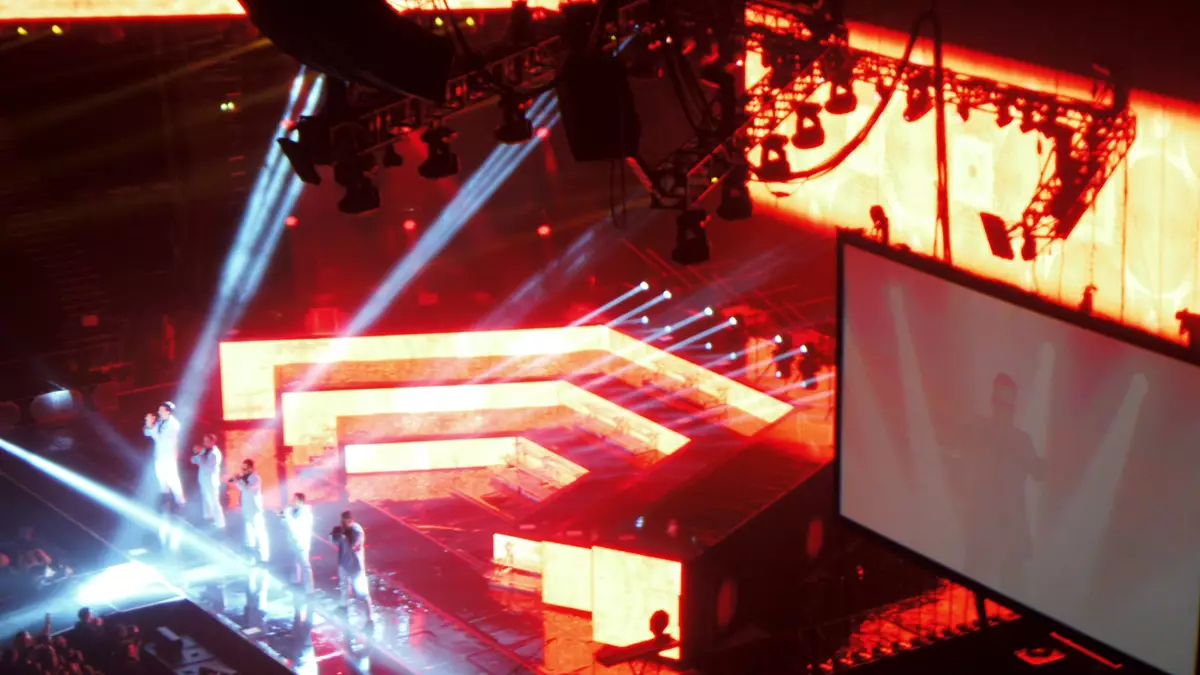
If you’ve scrolled TikTok or music Twitter lately, you’ve felt it: Bon Jovi are suddenly everywhere again. From Gen Z kids discovering “Livin’ on a Prayer” through memes to lifelong fans refreshing tour pages like it’s a sport, the Bon Jovi machine is humming in 2026. Everyone’s asking the same thing: is this the last truly massive Bon Jovi tour era, or the start of a whole new chapter?
Check the latest Bon Jovi tour dates here
There’s comeback energy in the air: whispers of fresh US and UK arena stops, renewed debates about Jon’s voice, and a wave of nostalgic fans determined to hear these songs screamed back in a stadium one more time. If you’re wondering whether to spend your 2026 concert budget on Bon Jovi, this deep read walks you through what’s really happening, what the shows feel like now, and why the fanbase is acting like it’s 1986 and 2010 at the same time.
The Backstory: Breaking News in Detail
Bon Jovi are in that rare legacy zone where any hint of activity becomes news. Over the past weeks, fan communities have zeroed in on a few key signals: updated official tour pages, local venue leaks, and interview soundbites where Jon talks about being "back in fighting shape" after years of vocal challenges.
While the band hasn’t dropped a full-blown world tour press release covering every city on the planet yet, the official tour hub has quietly become the place fans stalk daily for new dates. Historically, Bon Jovi announce dates in waves: a major US leg, then a Europe/UK sprint, occasionally followed by South America or Asia. That pattern is why diehards right now are treating every new city added as a clue to how big this run will actually be.
Recent interviews in US and UK outlets have fed the hype. Jon has been candid about his vocal surgery, the rehab grind, and the mental stress of not knowing if he’d ever perform at a high level again. Instead of pretending everything is perfect, he’s leaned into honesty, saying in various chats that he’s working smarter with his range, focusing more on connection and storytelling than just belting the highest notes. Fans who saw him in the 2020–2024 period know the vocals were a hot topic, so this “rebuilt voice” narrative is a major part of the 2026 story.
Industry reporters also point out that Bon Jovi sit in an interesting lane: they’re not a nostalgia cruise act, but they’re also not chasing pop radio trends. They live in that stadium rock comfort zone, similar to acts like Def Leppard and Bryan Adams, but with a bigger mainstream footprint thanks to massive crossover hits from the ’80s and ’90s. That’s why any big tour rumor triggers not just rock fans but casuals who know three songs and still want to shout them from the cheap seats.
On the business side, promoters are betting hard that rock nostalgia is still very much alive. VIP experiences, early entry, and city-specific merch drops are being teased or hinted at in fan circles, suggesting that this cycle could be as merch-heavy and experience-focused as anything you’ve seen from Bon Jovi before. And because the band is now four decades deep into their career, every headline carries an unspoken question: how many more of these runs are left?
For fans, that “maybe last era, maybe not” tension is exactly what’s driving the urgency. People who skipped tours in the 2010s are suddenly telling themselves, "If Bon Jovi hits my city in 2026, I’m not missing it again." Whether you discovered them with "You Give Love a Bad Name" on rock radio, "It’s My Life" on MTV, or through your parents’ burned CDs, the idea of seeing these songs live in 2026 feels strangely emotional.
The Setlist & Show: What to Expect
Bon Jovi shows in the last few years have followed a consistent formula: front-load the hits, sprinkle in deeper cuts for the faithful, test-drive newer songs, and then end with the classics that absolutely everyone can scream even after three overpriced beers. Expect the 2026 setlists to evolve, but certain anchors are basically guaranteed.
Core songs that almost never leave the set include:
- Livin’ on a Prayer
- You Give Love a Bad Name
- Wanted Dead or Alive
- It’s My Life
- Bad Medicine
- Born to Be My Baby
- Always (often as a big ballad moment)
- Have a Nice Day
Fans tracking recent gigs have also noticed that album cuts rotate in and out: Runaway might show up early in the set for old-school heads, while mid-2000s tracks like Who Says You Can’t Go Home and Lost Highway lean into that country-rock crossover energy. Don’t be shocked if they throw in a newer ballad or an under-loved late-era anthem for the hardcore followers who can sing every word from row 300.
Show atmosphere-wise, Bon Jovi still lean into big, communal moments. "Woah-oh" chant sections, crowd call-and-response, and those lights-up, arm-in-the-air choruses are baked into how these songs are built. Even if Jon doesn’t push every high note like it’s 1987, he knows how to shape a moment so that the crowd basically becomes the lead singer. If you’ve watched recent tour clips online, you’ll see him stepping back from the mic during the big hooks and letting tens of thousands of people do the heavy lifting. It feels less like watching a rock god and more like joining a giant karaoke cult for two hours.
Production-wise, don’t expect pyrotechnic chaos like a metal festival, but do expect a slick, modern stadium show: huge LED screens, archival visuals of the band through the decades, city-specific shoutouts, and the kind of polished lighting you’d expect from an arena-level rock franchise. Bon Jovi have always cared about production, but the newer shows also carry a documentary-like vibe, with footage and graphics reminding you just how long they’ve been soundtracking people’s lives.
Another thing to watch: pacing. Recent tours have often run around the two-hour mark, with the band balancing mid-tempo tracks and big anthems so Jon can manage his voice across the night. That means you might get a softer, more intimate mid-show segment—acoustic takes on favorites, maybe "Wanted Dead or Alive" in a stripped-down version—before the full band blows the roof off again with "It’s My Life" or "Bad Medicine." If you’re going for mosh-pit-level chaos, Bon Jovi isn’t that kind of show anymore; but if you’re going for emotional nostalgia, singalongs, and a "my whole life just flashed before my eyes" soundtrack, this is exactly your lane.
What the web is saying:
Rumor Mill: What Fans Are Speculating
Head to Reddit or TikTok right now and you’ll see a wild mix of hope, skepticism, and straight-up conspiracy-level setlist math. Bon Jovi fans are in full rumor mode.
One huge thread of speculation: will this be marketed as some version of a "farewell" or "final" large-scale tour? On forums, some users argue that the band will never officially use the word "farewell" because it locks them in, while others insist that a "last big stadium run" angle would sell out instantly. With Jon openly talking about mortality, legacy, and protecting his voice, the idea of a soft goodbye tour has people making spreadsheets of cities they’d be willing to travel to, just in case their hometown doesn’t make the cut.
Another big talking point is ticket pricing. Fans saw what happened with dynamic pricing for other major rock and pop acts, and they’re bracing for the same chaos. On social media, you’ll find users comparing screenshots of presale queues, grumbling about VIP packages that cost as much as short holidays, and analyzing which cities historically had more reasonable prices. There’s a live debate over whether you should grab early tickets the second they drop or wait out the resale market in hopes of a deal.
Then there’s the vocal debate, which has basically become its own subculture. Clips of Jon’s vocals from different years get stitched, slowed down, captioned, and overanalyzed. Some TikTok creators argue that fans need to adjust expectations: this is a 2026 Jon Bon Jovi, not the 1986 version. Others are weirdly hyped about the more vulnerable performances, saying it hits harder to watch someone fight for a note than to just crush it effortlessly. In fan spaces, you’ll see people saying things like, "I cried during ‘Always’ because you could tell he was giving everything," alongside classic rock purists who want every chorus to sound like the record.
There’s also classic setlist chaos: will deep cuts like "Dry County" or "These Days" get any love? Are we going to see "In These Arms" back in rotation? Reddit threads are full of fantasy setlists that read like three-hour epics, plus arguments over whether newer songs deserve space among the giants. Some fans beg for a rotating-slot format where every night gets one rare track; others want a no-risk, all-killer Greatest Hits barrage.
On the more hopeful side, younger fans on TikTok—many of whom discovered Bon Jovi through their parents, or from "It’s My Life" edits—are just desperate to be in the room at least once. You’ll see posts like, "I don’t care if he talks the verses and we sing the rest, I just want to be in that stadium." That emotional, almost protective energy around Jon is a big part of why this era feels different. It’s less "prove you can still do it" and more "let’s celebrate that you’re still here doing it at all."
Key Dates & Facts at a Glance
- Core keyword: Bon Jovi (rock band formed in New Jersey, USA)
- Known for: Stadium-size anthems like "Livin’ on a Prayer," "You Give Love a Bad Name," "Wanted Dead or Alive," and "It’s My Life"
- Tour info hub: Official dates, ticket links, and announcements are centralized on the band’s tour page at the time of writing.
- Typical US routing pattern: Major coastal arenas and stadiums (New York / New Jersey region, Los Angeles, Chicago, Boston, Dallas, Atlanta), with occasional secondary markets on additional legs.
- Typical UK/Europe focus: London and other UK arenas, plus large venues in Germany, Spain, Italy, the Netherlands, and Scandinavia, depending on demand and scheduling.
- Average show length (recent years): Around 2 hours, with approx. 18–22 songs performed, depending on city, Jon’s voice, and curfew.
- Guaranteed hits: "Livin’ on a Prayer" and "You Give Love a Bad Name" are near-locks in all but the most unusual sets.
- Fan-favorite deep cuts often requested: "Dry County," "These Days," "In These Arms," "Bed of Roses." Whether they appear depends on the night and tour concept.
- Original formation era: Early 1980s, with Jon Bon Jovi as frontman and Richie Sambora (now departed) as the classic-era lead guitarist.
- Arena vs. stadium: Recent cycles have mixed indoor arenas (for tighter production and controlled sound) with stadiums in markets where demand can fill 40,000+ seats.
- Streaming footprint: Bon Jovi continue to pull strong catalog numbers on major platforms thanks to soundtrack placements, TikTok trends, and evergreen rock playlists.
- Audience age mix: Multigenerational—original ’80s fans, ’00s comeback kids from the "It’s My Life" era, and younger listeners discovering them online or via parents.
FAQ: Everything You Need to Know About Bon Jovi
Who are Bon Jovi, really, and why do people care this much in 2026?
Bon Jovi are more than just a classic rock band; they’re one of the few acts that crossed multiple eras without entirely losing the plot. They broke in the mid-’80s with big-hair, big-chorus anthems, survived the grunge era that killed off most of their peers, and then reinvented themselves as adult-contemporary stadium heroes in the 2000s with songs like "It’s My Life" and "Have a Nice Day." By 2026, their appeal isn’t about chasing trends; it’s about providing a soundtrack that people have grown up, broken up, and gotten married to.
The reason people still care is emotional muscle memory. Those key-change choruses and talkbox intros are tied to school dances, first cars, and late-night drives. Even younger fans who weren’t around in the ’80s have inherited that nostalgia through parents, playlists, and social media. A Bon Jovi show in 2026 is less about discovering new music and more about stepping into a shared memory with thousands of strangers.
What can you expect from Jon Bon Jovi’s voice and performance now?
This is the question everyone dances around, but it’s fair to ask. Jon’s voice in recent years has clearly changed; long touring, age, and medical issues have all taken a toll. The band and Jon himself have acknowledged this reality rather than pretending nothing happened. Instead of trying to blast every note like it’s 1987, he’s adjusted keys, leaned on the crowd, and focused on phrasing and emotion over sheer power.
If you go to a 2026 show expecting studio-perfect high notes, you’ll probably be disappointed. If you go in expecting a veteran frontman who is aware of his limits but still knows how to command a stadium, you’ll have a completely different experience. Watching thousands of fans sing the "we’ve got to hold on" section of "Livin’ on a Prayer" while Jon gestures the mic out to them hits on a different level. It’s not flawless; it’s human—and that’s become part of the appeal.
Where should you sit or stand for the best Bon Jovi experience?
It depends on your vibe and your budget. If you want to see every facial expression and feel like you’re basically on stage, close floor seats or golden circle standing sections are ideal—but they’re pricey and can be physically intense. If your priority is sound and atmosphere, mid-level side or lower-tier bowl seats often hit the sweet spot: clear sightlines, solid acoustics, and enough distance to take in the screens and light show.
Fans who’ve done multiple tours often swear by being slightly off-center rather than dead center front, because you can watch the entire band and production without craning your neck. If you’re going with family or you’re not a regular gig-goer, picking a seated section with easy access to exits, restrooms, and merch stands will make your night smoother. Bon Jovi crowds skew mixed-age, so you’ll see everything from teenagers to parents to grandparents in the same row.
When is the best time to buy tickets for Bon Jovi’s 2026 dates?
This is where strategy and luck collide. Presales (fan club, cardholder, or promoter presales) usually get the best selection but can also be the most chaotic. If you absolutely need a specific section or you’re targeting a city with huge demand (like London or New York), jumping into presale is your safest bet.
However, fans have noticed a pattern in recent years: some high-priced tickets soften closer to the show if the venue isn’t fully sold, especially in secondary markets. That means if you’re flexible and not dead set on one city or one exact seat, waiting can sometimes pay off. The risk is obvious: the show might sell out or only leave scattered single seats and nosebleeds. If this might be your only chance to see the band, it’s smarter to secure something early, then watch for potential upgrades later via official resale or legit platforms rather than risky third-party sellers.
Why does Bon Jovi still matter to younger fans who weren’t alive in the ’80s?
Two big reasons: story and memeability. Bon Jovi’s songs are structured like mini-movies—characters fighting for love, money, survival, or all three. "Tommy and Gina" in "Livin’ on a Prayer" feel like they exist in a full movie universe even though they’re just in a four-minute rock track. That kind of storytelling still slaps in the age of Netflix and TikTok; it gives people something to latch onto emotionally.
On top of that, Bon Jovi have become meme fuel in the best way. The key change in "Livin’ on a Prayer" is basically a built-in TikTok transition. The talkbox hook in "It’s My Life" has been used in edits for everything from gym thirst traps to road trip clips. Younger listeners might arrive irony-first, but they often stay because the songs are actually well-written and easy to shout along to. Discovering these tracks in 2026 can feel like unlocking a secret level of your parents’ youth.
What should you wear and bring to a Bon Jovi show in 2026?
Think comfort with a touch of glam rock or Y2K flare. Vintage band tees (real or thrifted), leather or denim jackets, and boots or sneakers you can stand in for two hours straight are your best friends. Some fans go full ’80s cosplay with big hair and eyeliner; others lean into a modern, low-key look with just a logo tee and a jacket. There’s no strict dress code, but you’ll fit right in with anything that nods to rock or pop-punk energy.
As for what to bring: ear protection (especially if you’re sensitive to volume or bringing kids), a portable charger, and a clear bag if your venue requires one. Check the venue’s bag policy ahead of time; many large arenas and stadiums now enforce size limits and metal detection. Hydration is key, and while you can’t usually bring outside drinks, grabbing water early once you’re inside is smart. Most importantly, bring a voice you’re willing to lose. These choruses weren’t built for quiet humming; they’re built for yelling with thousands of strangers who know exactly what "we’ve got to hold on to what we’ve got" feels like.
How long does a Bon Jovi era usually last, and is this likely the last?
Bon Jovi eras used to cycle around album releases: record, promote, tour hard, then disappear to reset. In recent years, things have been more fluid, with sporadic touring, select festivals, and fewer traditional album cycles. That’s why 2026 feels like a potential "moment"—a concentrated burst of shows that could serve as either a major victory lap or the opening to a gentler, slower touring style.
No one but the band and their inner circle truly knows whether this will be the last big global run. But fans are treating it as if it could be, and that mindset alone is shaping the energy. People aren’t waiting for the next album or the next decade; they’re saying, "If Bon Jovi come near me in 2026, I’m going." If you’ve ever had "Livin’ on a Prayer" stuck in your head at 2 a.m., you probably understand why.


