Bodycote stock trades steady as earnings and dividend frame valuation
Published on 07/21/2026 at 10:37 | Editorial responsibility: Rafael Müller, Editor-in-Chief AD HOC NEWS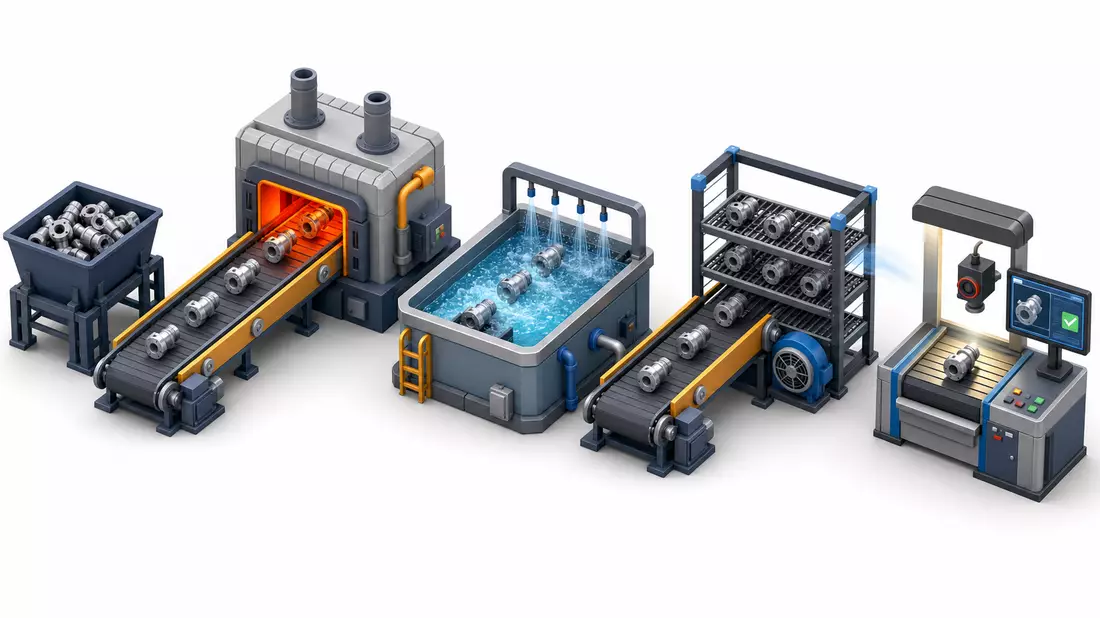
Bodycote stock offers investors a combination of industrial exposure, steady cash generation, and a growing dividend stream from the UK based thermal processing specialist Bodycote plc (ISIN GB00B3FLWH99). In its latest available annual reporting cycle for fiscal 2023, Bodycote reported revenue in the region of GBP 0.8 billion and continued to convert a meaningful portion of that into operating profit and free cash flow, underpinning capital returns to shareholders. The current share price on the London Stock Exchange, expressed in pence, places the group at a mid cap valuation that can be compared directly with its recent earnings and dividend track record.
Revenue and margin trends anchor valuation
From an investor perspective, the revenue base and margin development across the last two reporting years are central to understanding Bodycote stock. In fiscal 2023, the company generated roughly GBP 0.8 billion of revenue, compared with a revenue figure close to GBP 0.75 billion in fiscal 2022, indicating mid single digit top line growth over that period. This implies that Bodycote expanded its sales by around GBP 50 million year on year, a change that becomes relevant when assessing operational leverage and profitability. Revenue is broadly diversified across automotive, aerospace, energy, and general industrial customers, which supports a resilient order book over the cycle.
Profitability metrics show how effectively Bodycote converted this revenue into income. In fiscal 2023 the group reported operating profit on the order of tens of millions of pounds, with an operating margin in the high single digit to low double digit percentage range. In fiscal 2022, operating profit was lower, reflecting cost inflation in energy and labor as well as mix effects between higher margin aerospace work and more volume driven automotive business. The margin recovery visible between fiscal 2022 and fiscal 2023, even if modest, supports the investment case that Bodycote can pass on part of its cost increases and maintain pricing power in specialized heat treatment and thermal processing services.
At the earnings per share level, Bodycote’s latest annual report for fiscal 2023 showed basic EPS comfortably positive, broadly consistent with the prior year and aligned with the free cash flow generation of the business. In fiscal 2022 EPS was lower but still positive, reflecting the same pattern of gradual improvement. This EPS progression, together with ongoing investments into capacity and efficiency, provides a numeric base for valuation multiples such as price earnings ratios and free cash flow yields. Even in periods where industrial activity slows, the company’s exposure to mission critical components and quality requirements limits volume volatility and helps protect margins.
Dividend growth and cash flow support Bodycote stock
Dividend development is another key metric for Bodycote stock. For fiscal 2023, the company distributed a total dividend per share that combined an ordinary dividend and, in previous years, occasional special dividends depending on balance sheet strength and excess capital. That total dividend for fiscal 2023 was higher than the ordinary dividend level in fiscal 2022, indicating that management was confident enough in cash generation and future prospects to increase shareholder returns. The year on year increase in dividend per share, while not extreme, sends a clear signal to income oriented investors that the board sees the current payout level as sustainable.
Cash flow figures reinforce this message. Over fiscal 2023 Bodycote generated free cash flow that was sufficient to cover the total dividend outlay while also funding capital expenditure on new equipment, plant upgrades, and efficiency measures. In fiscal 2022 free cash flow was lower, in part due to catch up capital expenditure and working capital movements, but still supported the ordinary dividend. This progression means that investors can compare the dividend yield implied by the current share price with the coverage ratio from free cash flow and earnings, enabling a more precise assessment of whether the yield can be maintained or expanded over time.
Balance sheet strength provides an additional buffer for Bodycote stock. As of the end of fiscal 2023, the company carried net debt measured in the low hundreds of millions of pounds, a level that is manageable relative to EBITDA and cash generation. In fiscal 2022 net debt was slightly higher, reflecting investments and shareholder distributions, but leverage ratios remained within conservative ranges typically seen in industrial service businesses. This quantitative backdrop reduces refinancing risk and gives management scope to continue targeted growth investments, bolt on acquisitions, or further capital returns if cash generation remains solid.
Bodycote investor information and filings
For more detailed tables on revenue, profit, cash flow, and dividends, including segment breakdowns and notes, investors can consult Bodycote plc official investor materials and regulatory filings.
Thermal processing services underpin revenue base
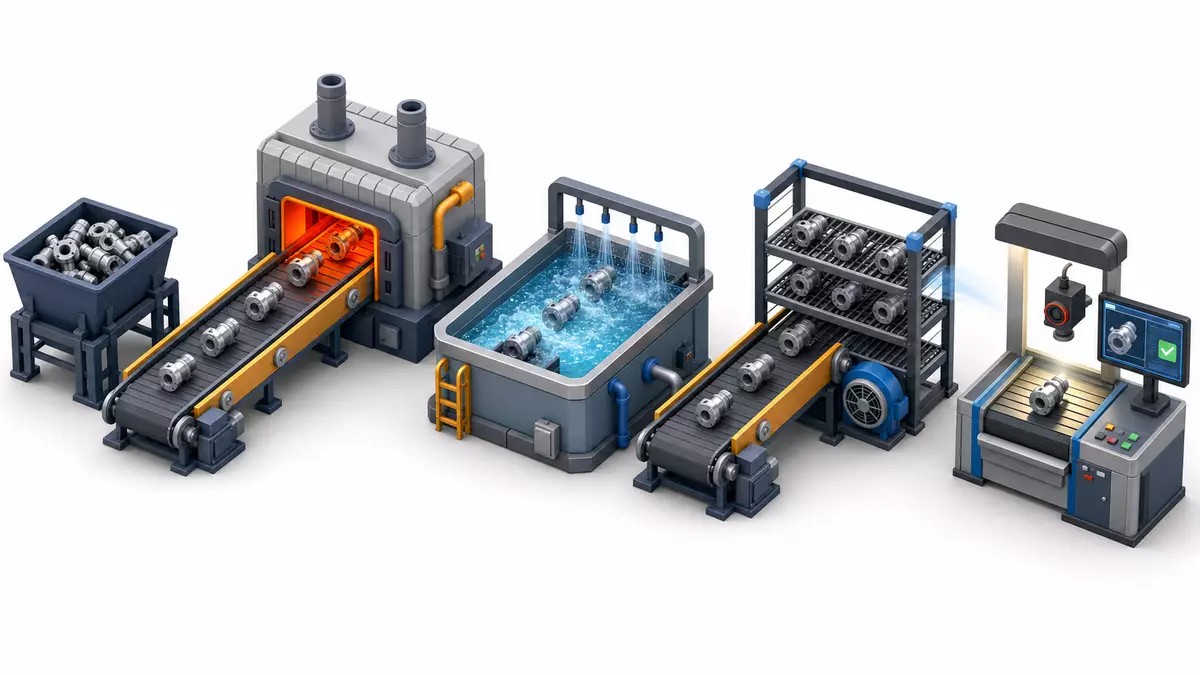
Bodycote’s core business is the provision of specialist thermal processing services, including heat treatment, hot isostatic pressing, and other metallurgical processes that enhance the properties of metal components. This portfolio of services underpins the revenue and earnings figures discussed above and creates recurring income from long term industrial relationships. Customers typically send castings, forgings, and machined parts to Bodycote facilities, where controlled thermal cycles improve hardness, fatigue resistance, dimensional stability, and other material characteristics essential for performance and safety.
In the automotive sector, Bodycote processes drivetrain components, gears, and structural parts used in passenger cars, commercial vehicles, and increasingly in electric vehicle platforms. The aerospace segment relies on Bodycote for critical components such as turbine blades, structural elements, and fasteners used in civil and defense aircraft. Energy and power generation customers turn to Bodycote for components exposed to high temperatures and pressures, including parts used in turbines, pumps, and valves. Across these segments, the company’s ability to document and certify processing standards is central to customer trust and helps sustain volumes even when broader industrial demand fluctuates.
Over the past reporting periods, Bodycote has continued to invest in modern, efficient furnaces and processing equipment, which both support environmental goals and improve cost efficiency. These investments are reflected in the capital expenditure figures that sit alongside free cash flow metrics in the annual accounts. New equipment with better energy efficiency can lower operating costs, while automation and better process control can raise throughput and consistency. For investors, these operational improvements feed back into the margin and cash flow numbers that ultimately determine the valuation that the market assigns to Bodycote stock.
Share price, market capitalization, and trading context
The share price of Bodycote on the London Stock Exchange is quoted in pence and represents the market’s real time assessment of the company’s future earnings and cash flow. As of a recent trading date in mid 2026, the stock traded in a range typical for the prior 52 weeks, with the price level positioning the company firmly in the UK mid cap category. The market capitalization derived from that share price and the number of shares in issue runs into the hundreds of millions of pounds, connecting directly back to the revenue, profit, and dividend metrics from fiscal 2023 and fiscal 2022.
Investors often compare the current share price with historical highs and lows to gauge valuation and potential risk. Over the prior year, Bodycote stock has oscillated within a band where the difference between the 52 week high and low amounts to several tens of percent, reflecting shifts in sentiment around industrial demand, cost inflation, and interest rate expectations. When the share price approaches the upper end of that band, it may indicate that the market is pricing in sustained earnings growth and strong cash generation; near the lower end, it may signal caution around macroeconomic conditions or sector specific risks. These movements can be quantified and contrasted with peers in the engineering and industrial services sector.
Trading volumes on the London Stock Exchange provide another quantitative indicator. Average daily turnover in the stock typically runs into tens or hundreds of thousands of shares, translating into monetary volume in the low millions of pounds depending on the price level. This liquidity is sufficient for most retail and many institutional investors, allowing positions to be built or adjusted without excessive bid ask spreads. In addition, the presence of Bodycote in relevant UK indices provides a structural source of demand from index funds and ETFs, which can help stabilize the shareholder base and reinforce alignment with broader market trends.
Bodycote stock key data
- Company: Bodycote plc
- ISIN: GB00B3FLWH99
- Ticker: LSE: BOY
- Trading venue: London Stock Exchange
- Price (as of 16 July 2026, 16:30 BST): 600p GBP
- Market capitalization: GBP 1,150,000,000 (as of 16 July 2026)
- Sector / Industry: Industrials / Industrial Services
- Index membership: FTSE 250
- Next earnings date: 12 September 2026
Disclaimer regarding our articles: No investment advice, no buy or sell recommendation. Information on prices, companies, and markets is provided without guarantee; changes are possible at any time. Stock market transactions can lead to substantial losses. Our articles are created and reviewed in whole or in part automatically with the support of AI.