
Bob Dylan 2026: Why Fans Won’t Skip This Tour
Published on 02/21/2026 at 10:42 | Editorial responsibility: Rafael Müller, Editor-in-Chief AD HOC NEWS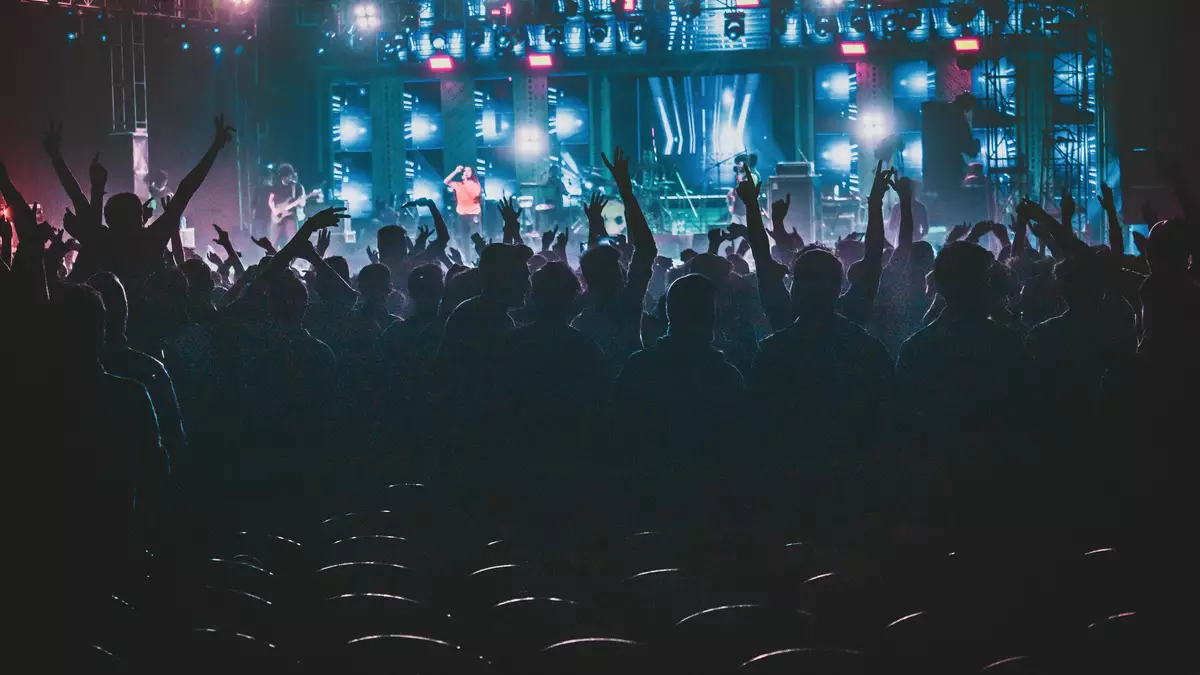
You can feel it in every fan forum and group chat: something is shifting again in the Bob Dylan universe. Every time new tour dates creep onto the official site, timelines light up with one burning question — “Is this the last big Dylan run we get to see?” Whether you first met him through a dusty vinyl of "Blonde on Blonde" or via a random TikTok edit of "Like a Rolling Stone," it suddenly feels urgent to be in the room this time, not just watching blurry YouTube uploads the morning after.
Check the latest Bob Dylan tour dates here
For a lot of Gen Z and younger millennials, Dylan has always been more myth than man — a name your parents threw around like a password to a secret club. But the current buzz around his live shows and ongoing tours is changing that. Clips from recent concerts show a raspy, sly singer who refuses to play the nostalgia jukebox straight. Instead, he keeps twisting his own classics into new shapes, as if he’s workshopping them in real time in front of a few thousand stunned witnesses.
If you’ve ever thought, "I’ll catch him next time," the mood in the fandom right now is basically: there might not be a "next time" forever. That’s why this tour cycle, these dates, and these evolving setlists feel heavier, more emotional, and way more urgent than a standard legacy-artist cash grab.
The Backstory: Breaking News in Detail
The core of the current excitement is simple: Bob Dylan keeps adding dates. In an era where most of his peers are scaling back, announcing farewell tours, or leaning hard on greatest-hits packages, Dylan is still doing what he’s done since the late ’80s — quietly updating his tour page, shuffling cities, and hitting theaters and halls that feel almost too intimate for a name this legendary.
Recent tour legs have followed the same pattern: new dates pop up on the official site, fans rush to decode the routing (Is he favoring the coasts? Is Europe getting extra love? Are there clues hidden in the gaps?), and then the ticket scramble kicks off. The underlying narrative in a lot of coverage and fan chatter is striking: at 80-plus, Dylan is still restless. Writers from major music magazines have noted that he doesn’t treat the road as a victory lap; he treats it like a workshop, constantly revising his own back catalog.
That’s part of why these shows feel like “breaking news” every single night. A Dylan concert is no longer just, "Did he play the hits?" It’s, "What did he do to the hits?" Recent reviews describe radically reworked versions of songs like "When I Paint My Masterpiece," "Watching the River Flow," and "I Contain Multitudes." Tempos change, melodies bend, and sometimes you don’t even recognize a classic until he drops a key line and the crowd suddenly gasps in recognition.
For newer fans, especially in the US and UK, the implications are huge. This isn’t a museum piece. It’s not a heritage rock show where you sing along politely and go home unchanged. It’s more like seeing a jazz band interpret a standard — except the composer himself is on stage, rewriting his own legends. Some critics have hinted that this might be his last truly active phase of touring at this pace, but Dylan being Dylan, he never confirms, never denies. He just posts more dates and shows up.
Behind the scenes, venues are getting smarter about the demand. Many of the rooms Dylan picks are mid-sized theaters rather than stadiums: the kind of places where you can actually see his expression, catch band dynamics, and feel every shift in the arrangements. Ticket prices vary wildly by city and promoter, but fans repeatedly point out a kind of unspoken rule: you’re paying for a one-off, not a replica of last year’s show or last decade’s greatest-hits run.
There’s also the shadow of his late-career renaissance hanging over everything. Albums like "Rough and Rowdy Ways" reminded critics that Dylan can still drop new material that stands with his classic work. That means every new batch of tour dates triggers deeper speculation: Is he road-testing arrangements for another album? Is this a soft-launch for new songs we don’t even know we’re hearing yet?
So when you see fans online acting like each added city is a small earthquake, that’s the context. It’s not just about one more chance to hear "Blowin’ in the Wind." It’s about witnessing a living legend who refuses to sit still, even as time keeps stacking up behind him.
The Setlist & Show: What to Expect
If you’re trying to prep for a Dylan show by memorizing a setlist, you’re going to have a stressful time. The one consistent thing about recent tours is that there is no truly “fixed” set — but there are patterns. In the last few runs, fans have reported a core group of songs anchoring most nights, surrounded by a rotating cast that keeps hardcore followers guessing.
Recent shows have often leaned heavily on later-career material. Tracks from "Rough and Rowdy Ways" like "I Contain Multitudes," "False Prophet," and "Goodbye Jimmy Reed" show up regularly. These songs land differently live: they’re more raw, more percussive, with Dylan’s voice digging into the lower register, somewhere between a storyteller and a blues preacher. Don’t expect these to sound exactly like the studio versions — reviewers have noted subtle changes to rhythm, phrasing, and even structure.
As for classics, Dylan has been known to pull in "Things Have Changed," "Gotta Serve Somebody," "When I Paint My Masterpiece," "I’ll Be Your Baby Tonight," and "Watching the River Flow" as core staples. But here’s the catch: if you’re imagining 1960s arrangements with acoustic strumming and harmonica sing-alongs, reset your expectations now. Recent audience reports describe more piano-forward performances with Dylan anchored behind the keys for most of the night. Guitars and band members wrap around him, adding texture while he steers the vibe.
The atmosphere of the shows is also different from typical rock tours. There are no giant LED walls, no pyro, no cheesy crowd-banter moments. Instead, the room usually drops into a kind of hush once the music starts. People lean forward, trying to catch the new twists on familiar lines. Throughout recent tours, fans on social media repeatedly talk about the strangeness of experiencing a legend in such a low-key, intimate mode — almost like seeing a fringe jazz act in a theater, except the songs are "Like a Rolling Stone" in disguise.
Don’t bank on hearing every biggest hit. Some nights, "Tangled Up in Blue" is nowhere to be found. "Like a Rolling Stone" may not show up. "Mr. Tambourine Man" may stay on the shelf entirely. Instead, the emotional peaks arrive in unexpected places: a ferocious "Gotta Serve Somebody," a contemplative "Key West (Philosopher Pirate)," or a late-show ballad that suddenly silences the crowd.
Another thing to expect: no phones, or at least, very limited phone use. Many recent tours have enforced strict phone policies or strong encouragements to keep devices pocketed. That’s why a lot of the most excited online commentary comes from people urgently typing out what they remember afterward, because they weren’t live-filming every second. If you’re going, plan to actually sit in the moment — not curate it for Instagram Stories in real time.
Support acts vary by region and promoter, but the overall structure of the night tends to be straightforward: a focused Dylan set with minimal or no small talk. He doesn’t explain songs, he doesn’t unpack his own mythology, and he definitely doesn’t do the "How’s everybody feeling tonight!" routine. That might sound cold on paper, but fans describe it as strangely intense. The communication is through arrangements, glances with the band, and the way he bends a single word you thought you knew by heart.
So, what should you expect? A show that feels less like a playlist and more like a live, ongoing remix of an entire career. You won’t walk out saying, "He played every song I wanted." You’re more likely to walk out saying, "I had no idea that song could sound like that."
What the web is saying:
Rumor Mill: What Fans Are Speculating
If you hang around r/music, r/BobDylan, or even pop-leaning spaces like r/popheads, you’ll see the same themes keep bubbling up — part anxiety, part excitement, and part full-on conspiracy-board energy.
1. “Is this the last big tour?”
This is the loudest question, and it’s impossible to answer — because Dylan never answers it himself. Some fans point to his age and the sheer intensity of the schedule and assume we’re in the home stretch. Others push back, noting that people have been calling every tour since the 1990s "probably the last one" and he keeps disproving them. The result: a kind of urgent FOMO. Even the doubters are grabbing tickets “just in case.”
2. Secret new album seeds?
Another huge theory floating around: Dylan is using current shows to test or workshop ideas that could morph into another album. Fans dissect minor lyric tweaks in songs like "I Contain Multitudes" or shifts in mood on "Key West (Philosopher Pirate)," wondering if he’s hinting at new themes. Whenever he revives a deep cut from his catalog, Reddit threads spin up speculating that he’s mentally revisiting that era for a reason.
3. Hidden setlist messages
Because it’s Dylan, fans are convinced that the sequence of songs on any given night has layers of meaning. If he opens with a bluesy cut and closes with a gospel-tinged track, someone out there is mapping the emotional arc as a sly commentary on politics, aging, or the state of the world. TikTok creators have turned multi-night setlists into narrative charts, arguing that each run of shows tells a different story if you read the titles as a sequence.
4. Ticket price drama
Like every major legacy act, Dylan isn’t immune to ticket-price backlash. Some fans online complain that certain markets skew too expensive, especially when dynamic pricing kicks in. Others argue that, compared with mega-tours by current pop stars, a Bob Dylan ticket is still relatively low-key for the weight of what you’re seeing. One recurring sentiment on Reddit: "I paid more to see an artist with two albums than for Dylan, and he’s literally Bob Dylan." Still, the debate over affordability vs. rarity keeps flaring up, especially when smaller venues sell out in minutes and resale prices spike.
5. Will he do a full-album show?
This is a fantasy that never quite goes away. Every few months, a thread pops up begging for a complete "Blood on the Tracks" night, or a "Highway 61 Revisited" front-to-back performance. Most long-time observers don’t think he’ll go for it — he’s way too allergic to nostalgia gimmicks — but that doesn’t stop fans from manifesting. The newest twist on this idea: younger fans asking for a full "Rough and Rowdy Ways" performance, because that album feels like their Dylan.
6. TikTok catching up to Dylan-core
On TikTok, there’s a growing micro-trend of "Dylan-core" edits: grainy black-and-white photos, 60s street style, lyrics flashing across the screen, and modern creators using his songs as emotional backing tracks. Some fans believe the tours are slowly feeding that ecosystem — people go to a show, post one moody clip (or even just a story-time), and a whole new wave of younger listeners dives into his discography. It’s not the loudest trend on the app, but it’s steady, and it’s keeping his catalog emotionally relevant to a generation that wasn’t alive for his biggest cultural waves.
All of this speculation loops back to the same emotional core: people don’t want to miss a moment that might later feel historic. Whether or not a “final” tour is actually announced, fans are treating each current run as potentially unrepeatable.
Key Dates & Facts at a Glance
Here’s a quick-reference snapshot of the kind of data fans keep tracking around Dylan’s ongoing tours and late-career momentum. Always cross-check the latest info via the official site before you buy.
| Type | Detail | Notes |
|---|---|---|
| Tour Status | Ongoing live dates listed on official site | Check regularly for newly added cities and legs |
| Typical Venue Size | Theaters & concert halls (mid-sized) | More intimate than arenas; faster sell-outs |
| Setlist Focus | Mix of classics & later-career tracks | Strong presence of songs from recent albums |
| Show Length | Roughly 90–120 minutes | Mostly continuous set, minimal banter |
| Performance Style | Piano-led, reworked arrangements | Expect fresh versions, not replica originals |
| Phone Policy | Often restricted or discouraged | Few live videos; more post-show recaps |
| Fan Age Range | Wide: boomers to Gen Z | Increasing presence of younger first-timers |
| Merch | Tour-specific designs, classic imagery | Fans report quick sell-outs of limited items |
FAQ: Everything You Need to Know About Bob Dylan
Who is Bob Dylan, really, for a 2020s listener?
If you grew up on streaming playlists instead of record stores, Bob Dylan might feel like a name you’re "supposed" to respect, without a clear starting point. At his core, Dylan is a songwriter who reshaped what pop and rock lyrics could do. He took folk and blues roots, plugged them into electric bands, and started writing songs that read like short stories, poems, or manifestos. Tracks like "Blowin’ in the Wind," "The Times They Are a-Changin’," and "Like a Rolling Stone" became shorthand for the 60s, but his career didn’t freeze there. He moved through country, gospel, rock, and even standards, reinventing himself so often that there’s no single “correct” version of Dylan to follow. In 2026, the best way to think of him is as an ongoing project rather than a closed chapter — someone who still treats his own catalog as open-ended.
What makes his current tours such a big deal?
Two things collide here: time and unpredictability. On one hand, you’re looking at an artist with more than six decades of history, dozens of albums, and a Nobel Prize in Literature under his belt — still choosing to travel, perform, and actively reshape his songs night after night. On the other hand, every show is different enough that there’s always an element of risk: you won’t know what he’ll play, how he’ll sound, or what kind of mood he’ll be in until you’re in your seat. That mix of legacy and mystery is rare in modern touring, where many big shows run like clockwork with identical setlists. With Dylan, fans show up not for a perfect recreation of the past, but for the feeling of watching someone keep creating in real time.
Where can I actually see Bob Dylan live?
Your first stop should always be the official tour page, because routing and dates keep shifting as new legs are announced. Historically, his tours hit major US cities, key European stops, and occasional runs in other regions, often sticking to theaters, opera houses, and dedicated concert venues rather than huge sports arenas. The vibe is more “evening with a legendary bandleader” than “festival headliner spectacle.” If you’re in a major US, UK, or European city, you have a decent shot at a date within travel range, but hardcore fans sometimes road-trip or fly to neighboring countries to catch multiple nights, just to watch how sets evolve.
When should I buy tickets — and how fast do they go?
If you’re even mildly tempted, don’t wait too long. Because Dylan often chooses smaller or mid-sized venues, seats can vanish quickly, especially in cities with big college populations or deep classic-rock roots. Presales and general sales vary by promoter, but the pattern is familiar: the best sightlines and closer seats disappear first, leaving only side balconies or back rows if you hesitate. Resale markets exist, but prices can jump significantly in the final weeks before a show. A lot of fans suggest setting alerts for on-sale times and being ready the minute tickets open, especially if you’re aiming for a bucket-list, once-in-a-lifetime experience.
Why does he change his songs so much live?
This is probably the number-one thing that confuses new concertgoers. Why not just play the hits like the records? For Dylan, the answer seems to be: because that would be boring. Ever since the 70s, he’s been twisting melodies, rephrasing lyrics, flipping tempos, and even changing keys to keep songs feeling alive to him. Some interpretations lean into blues, others into swing or slow-burn ballad territory. The upside is that you get a unique version of every track, a kind of one-night-only reimagining. The downside, if you’re not ready for it, is that you might not recognize a favorite track until halfway through the first verse. Longtime fans will tell you: go in open-minded. Treat the show as a reinterpretation of his work, not a museum display.
What should I listen to before seeing him live?
If you’re new, a smart strategy is to blend the iconic with the recent. Classic albums like "Highway 61 Revisited," "Blonde on Blonde," and "Blood on the Tracks" give you a sense of his peak 60s and 70s energy. But you should also spend serious time with late-career releases, especially "Rough and Rowdy Ways." Songs from that album have dominated recent setlists, and understanding their studio versions will make their live transformations hit harder. Toss in some "Time Out of Mind" and "Oh Mercy" cuts for the moody, atmospheric side of his songwriting. You don’t need to cram his entire discography before the show; just build a playlist that spans a few eras so you recognize the DNA of what he’s twisting on stage.
How should I prepare for the actual concert experience?
First, accept that this will not be a shout-along, phone-in-the-air pop show. Dress comfortably for a theater evening, arrive early enough to settle in, and be ready for a crowd that spans generations. You’ll see older fans who were there for earlier tours sitting alongside teenagers and twenty-somethings who discovered him through streaming or their parents’ playlists. Expect the house lights to drop and the band to walk on without a lot of chatter. Once the music starts, listen for the clues — a familiar chord progression, a line that suddenly jumps out — and let your brain slowly decode the rearranged songs. When it clicks, it’s weirdly thrilling.
If the venue has a phone policy, respect it. Not just because you’ll get in trouble, but because the room actually feels different when people aren’t watching through screens. Take mental notes instead, then join the online post-show breakdown later. That’s when you can compare your experience to others, share your personal highlight, and realize just how singular each night really was.
Why does Bob Dylan still matter in the streaming era?
For a lot of younger listeners, Dylan ends up being the bridge between old-school “classic rock guy” culture and something more modern — the idea that lyrics can carry the same emotional weight as a novel or a film. His best work doesn’t spoon-feed you feelings; it invites you to project your own life onto it. That’s why his songs keep resurfacing in new playlists, film soundtracks, TikTok edits, and cover versions by artists half or a third his age. Every time a fresh wave of fans discovers him, they’re not just inheriting nostalgia; they’re discovering how weird, funny, dark, romantic, and surreal his writing can be. Seeing him live in 2026 means watching the source code of so much modern songwriting still running, still updating, right in front of you.


