
Bob Dylan 2026: Why Fans Swear These Shows Feel Different
Published on 02/21/2026 at 22:42 | Editorial responsibility: Rafael Müller, Editor-in-Chief AD HOC NEWS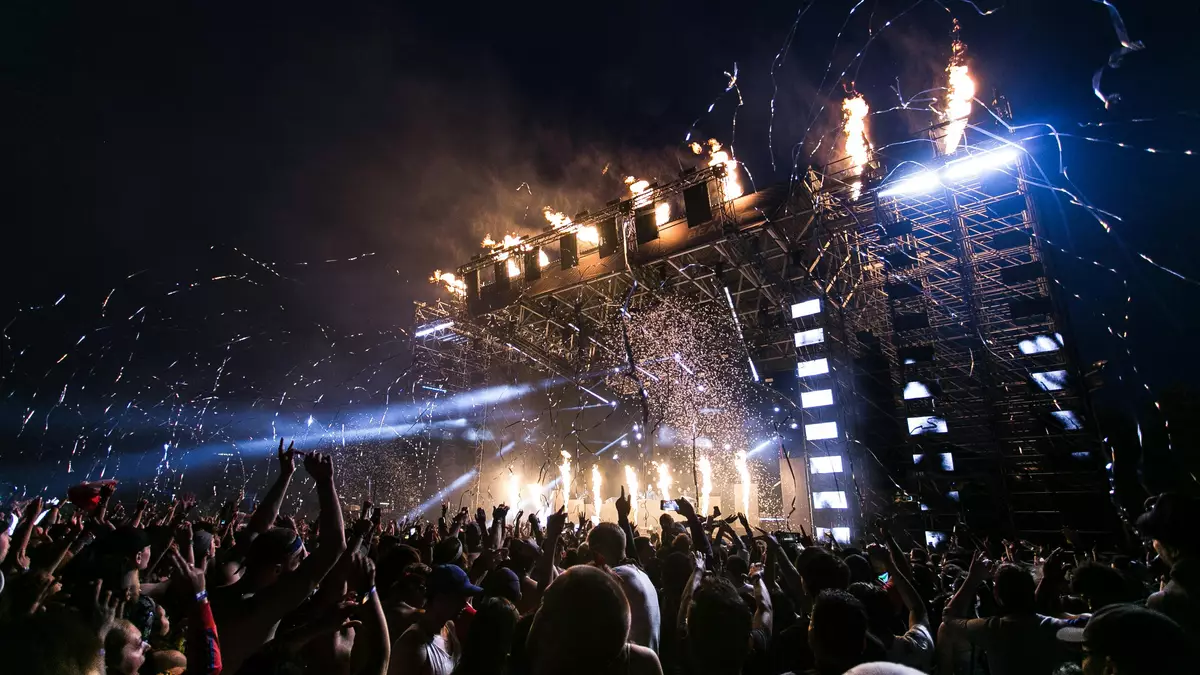
If you're even casually watching Bob Dylan right now, you can feel it: something about these shows is hitting on a different frequency. The tickets vanish, the setlists get obsessively tracked on X and Reddit, and every small change in the encore sparks a full-on theory thread. For an artist who has spent decades dodging expectations, 2026 Dylan is suddenly the one tour even skeptics are quietly trying to catch.
See the latest official Bob Dylan tour dates and cities here
Whether you're a lifelong fan who still calls it the Never Ending Tour or a younger listener who found Dylan through TikTok edits and Spotify playlists, this current run feels like a crossroads moment. The voice is rougher, the band is razor tight, and the song choices keep jumping between myth and deep cut. So what exactly is going on in Dylan world right now?
The Backstory: Breaking News in Detail
Dylan news never drops in a loud, obvious way. It leaks out slowly: a venue announcement here, a fan-shot clip there, a cryptic line in a press blurb. Over the past month, the pattern has been clear: new batches of 2026 tour dates quietly appear on the official site, mostly theaters and mid-sized arenas, with an emphasis on classic Dylan territory in the US and select European cities.
Recent reporting from major music outlets notes that Dylan is continuing the late-career format he's leaned into over the last few years: intimate seated venues, strict no-phones policies at many shows, and a setlist anchored around his 21st-century work with carefully chosen classics rotated in. Insiders close to the booking end say the approach is intentional. Dylan wants control of the listening environment, and he's not interested in being reduced to background noise for Instagram stories.
Behind the scenes, promoters are talking about unusually intense demand in certain markets. Cities that Dylan has skipped for years are suddenly back in play. In some cases, tickets in prime sections jump to premium levels on resale within hours. That's sparked frustration from long-time fans who remember walking up to the box office day-of-show in the 90s, but it also shows that the appetite for a late-period Dylan experience is peaking, not fading.
There's also the shadow of his recent archival and book work. In the last few years, Dylan has overseen sprawling Bootleg Series releases, revisiting classic eras with unheard takes and live cuts. Pair that with his writing project on songwriting craft, and you have a picture of an artist who's been unusually reflective — at least by Dylan standards. That reflection seems to be bleeding into the concerts. Fans who've followed him for decades say the 2025–2026 runs have a surprising emotional clarity: fewer wild reinventions of old songs, more focused arrangements that honor the original melodies while still sounding totally lived-in.
Another quiet headline: word among crew members and venue staff is that the rehearsals for this year's shows were longer and more detailed than usual. Instead of just letting the band feel out the songs on stage, Dylan reportedly spent significant time fine-tuning tempos and instrumental roles. That lines up with fan reviews praising the band as one of the tightest units he's toured with in years.
For you as a fan, the big takeaway is this: if you're hoping to see Dylan in a room where people actually listen, and where the set feels like a deliberate statement instead of a nostalgia lap, this run looks designed exactly for that. The artist who has spent a lifetime running from his own legend seems, for the moment, willing to stand right inside it — but strictly on his own terms.
The Setlist & Show: What to Expect
If you only know Dylan from playlists packed with "Like a Rolling Stone" and "Knockin' on Heaven's Door," the modern shows can be a shock. Recent setlists shared by fans follow a loose but recognizable spine. You're likely to get a mix that pulls from different eras: the 60s breakthroughs, the 70s storytelling years, the late-90s resurgence, and his 21st-century work, especially the moody, piano-heavy songs.
Core staples across recent tours have often included songs like "Things Have Changed," "Love Sick," and "Trying to Get to Heaven," alongside reinvented versions of "Highway 61 Revisited" or "Gotta Serve Somebody." Fan reports from the latest shows talk about Dylan spending much of the night at the piano, steering the band through tight, bluesy grooves, with fewer harmonica blasts but more emphasis on phrasing and rhythm.
Don't walk in expecting a sing-along greatest-hits revue. The set tends to sit around 16–20 songs, with some nights leaning heavier on the more recent material. When a giant like "Blowin' in the Wind" or "Simple Twist of Fate" does appear, it often lands like a shockwave because Dylan has spent the rest of the night avoiding the obvious. Fans who follow the tour city to city obsess over the small tweaks: a different outro solo, a surprise throwback like "I Contain Multitudes" slipping into the middle of the set, or a sudden pivot into an older ballad he hasn't touched in years.
The atmosphere of the show itself is almost ritual-like now. House lights drop, no giant video screen, no bombastic intro. It's Dylan and the band, often bathed in warm, low-key lighting, focusing attention on the music instead of spectacle. The players backing him are road-hardened pros, comfortable following his tiny cues — a raised eyebrow, a shift in the chord voicing — that signal when to stretch or when to lock in.
Vocally, Dylan in 2026 is weathered, gravelly, and strangely expressive. He doesn't chase the original album phrasing; instead, he bends lines, clips words short, and sometimes rewires melodies to fit his current range. If you're going in expecting 1965 Dylan, you'll hate it. If you're open to hearing how these songs sound coming from someone who has lived every word for decades, it can be gutting in the best way.
One thing fans repeatedly mention in reviews: you have to lean in. These are not shows for side conversations. The best seats are often those where the crowd collectively decides to shut up and lock in. In that environment, songs like "Not Dark Yet," "Every Grain of Sand," or "When I Paint My Masterpiece" take on a gravity that isn't about nostalgia at all. It feels current, almost uncomfortably present.
So what should you expect? A focused 90–120 minutes, a band that plays like a single instrument, a frontman who refuses to smile on command, and a setlist that rewards close listening. You might walk out not having heard your favorite song, but you'll likely have witnessed at least one performance that feels strangely final and completely alive at the same time.
What the web is saying:
Rumor Mill: What Fans Are Speculating
Every Dylan tour comes with its own mythology, but the 2026 buzz has a particular edge. On Reddit and X, fans are split between two big speculation zones: new music whispers and "is this the last round?" anxiety. Neither has an official answer, which of course only fuels the fire.
On r/bobdylan and r/music, long posts pick apart recent setlists and rehearsal leaks, looking for clues that he might be road-testing new material. When Dylan slips in a slightly altered lyric, or extends an instrumental section that doesn't match past versions, someone is immediately theorizing that it's a skeleton of a new song. So far, there's no solid proof of a forthcoming studio album tied to this tour, but the idea that he might still be writing keeps fans glued to every shaky phone audio upload (from the few venues that don't clamp down hard on recordings).
Another recurring thread: fans debating whether certain cities are being chosen as a kind of personal map. When a route hits smaller, historically charged towns or revisits venues he hasn't touched in decades, people wonder if Dylan is quietly closing circles. Comments range from emotional (people talking about bringing parents who saw him in the 60s) to darkly practical ("I'm treating this like it might be my last Dylan show, full stop").
Ticket prices are a whole separate argument. Screenshots of dynamic pricing spikes circulate constantly, with some floor seats crossing into painful territory for younger fans. The counterpoint you see from older heads: if you can get into the balcony or upper sections at face value, you're still seeing one of the most influential songwriters ever for less than a lot of current pop tours. That doesn't erase the frustration, but it explains why threads are full of tips on presale codes, fan club sign-ups, and which venues historically release decent seats close to show day.
On TikTok, the vibe is weirder and more chaotic. Clips of Dylan's raspy 2020s vocals get stitched with reactions ranging from pure awe to "I had no idea he sounded like this now." Younger creators talk about dragging rock-skeptical friends to the shows as a kind of rite of passage, framing it almost like seeing a living museum piece — only to then post follow-ups about how intense the experience actually felt.
One particularly sticky theory bouncing around social media: that Dylan is quietly curating these shows as a live counterpart to his archival releases, presenting the "last edition" of key songs as he wants them remembered. There's no confirmation of that idea anywhere official, but it's telling that fans feel the performances carry that kind of weight. When a late-career rendition of "Not Dark Yet" goes viral in fan circles, people aren't just sharing it for novelty. They're treating it like a final chapter.
In short, the rumor mill points to one central feeling: urgency. Whether or not this is actually the last big touring cycle, fans are acting like it might be, and that energy is shaping how the entire run plays out online and in the room.
Key Dates & Facts at a Glance
Exact dates, cities, and ticket info change fast, but here's a sample-style snapshot of how Dylan's current touring and music world looks. Always double-check the official site for up-to-the-minute details.
| Type | Item | Location / Context | Notes |
|---|---|---|---|
| Tour | North American Theater Leg | Major US cities & select Canada dates | Seated venues, heavy demand; check official listings for current shows |
| Tour | European Run | Key capitals & historic venues | Often announced in waves; some dates sell out quickly |
| Show Format | Approx. 16–20 songs per night | Global | Mix of classics and 21st-century material; no opening act on most dates |
| Signature Songs | "Things Have Changed", "Love Sick", "Highway 61 Revisited" | Recent tours | Frequently reported by fans as recurring highlights |
| Runtime | 90–120 minutes | Theaters & arenas | No long banter segments; music-heavy, focused show |
| Tickets | Dynamic pricing in several markets | US & Europe | Face value for upper sections can remain relatively accessible |
| Streaming | Catalog staples (e.g., "Like a Rolling Stone") | Global platforms | Continue to rack up massive streams with each new wave of fans |
| Legacy | Nobel Prize in Literature | Awarded 2016 | Still shapes how newer audiences approach his lyrics and live shows |
FAQ: Everything You Need to Know About Bob Dylan
Who is Bob Dylan, really, to this current wave of fans?
To older generations, Dylan is the songwriter who soundtracked the 60s and rewired rock lyrics forever. To Gen Z and younger millennials, he's starting to feel less like a distant legend and more like a weird, compelling presence who keeps refusing to retire. You see it in how his songs show up on playlists next to artists like Phoebe Bridgers, Lana Del Rey, or The National — the same way he once sat next to folk and blues records in his own listening stack.
For many newer fans, the entry point isn't even the protest songs; it's moody cuts like "Not Dark Yet" or "Girl from the North Country" that fit modern sad-core aesthetics. From there, people tumble backward into the 60s explosions like "Desolation Row" or "Visions of Johanna." By the time they see him live, they're less interested in the "voice of a generation" myth and more curious about how one person can keep touring and reshaping his art this late into his career.
What is a modern Bob Dylan concert actually like from the fan perspective?
Picture this: you walk into a theater that feels more like an old movie house than a modern arena. Merch is minimal. There's no flashy pre-show hype reel. The crowd skews older but there are always pockets of younger fans — people in vintage tees, others in streetwear, some clearly dragged by parents and visibly unsure about what they're in for.
Once the band hits, the show moves quickly. Dylan doesn't introduce songs or tell long stories. Instead, the narrative is entirely musical. Tracks flow into each other with short breaks; applause is warm but not chaotic. People aren't waving phones in the air constantly because many venues crack down on recording, and there's also a sense of mutual agreement that this is something you experience in the moment, not solely through a 15-second clip.
Fans often talk about a key moment mid-show when it "clicks": a song like "Every Grain of Sand" or "When I Paint My Masterpiece" lands just right, and suddenly you're not comparing this Dylan to any past era. You're simply watching an artist on stage in 2026, still working, still pushing his own material into new shapes. That's when a lot of skepticism evaporates.
Where should you sit, and does seat choice really matter?
Seat choice can change your whole experience. If you're obsessed with detail — facial expressions, small piano gestures, the way Dylan communicates with his band — aim for lower orchestra or front-of-balcony seats in a theater. You'll feel the weight of the performance more directly, and you're likely to be surrounded by serious listeners.
If budget is tight, upper balcony or back-of-floor seats can still deliver a powerful show, especially if the venue has decent sound. Dylan's mix in recent years has tended to be pretty clean, with his vocals sitting above the band enough that you can track the lyrics even when he leans into his rougher tone.
What really matters is the listening culture around you. Some venues develop a reputation over a tour for being "talky" or restless; others get praised online for near-pin-drop silence during the ballads. Checking fan reviews of past shows in the same city can help you decide how early you want to be in the presale queue and whether it's worth stretching for a better section.
When is the best time to buy tickets for a Dylan show?
For most fans, the sweet spot is either the initial on-sale (if you have presale access codes or fan-club sign-ups sorted) or a focused check-in closer to show day. With dynamic pricing, some high-end seats can start painfully expensive and stay that way, but less prestige sections sometimes hover near face value until a few days before the concert.
Veteran concert-goers often share a similar strategy online: secure something affordable early, then keep an eye out for an upgrade if prices drop or better seats are released. If you're traveling to another city for the show, lock something in early for peace of mind. If Dylan is playing your hometown and you're flexible, you might benefit from watching resale patterns up to the week of the gig.
Why does Dylan keep changing his songs so much live?
This is the eternal question. Since the mid-60s, Dylan has treated his songs like living creatures, not museum pieces. He changes keys, tempos, melodies, even whole structures. To some fans, that's frustrating — they want the album version, just louder. To others, it's the main reason to go again and again: no two tours, and sometimes no two nights, are exactly alike.
In the 2020s, the transformations are less about wild reinvention for its own sake and more about fitting the songs to his current physical and emotional range. Rearranging melodies lets him lean into his gravelly voice without straining. Shifting a song into a blues shuffle or a slow waltz can bring out different shades in the lyrics. The changes also keep the band engaged and prevent the show from turning into rote repetition.
What should you listen to before seeing Bob Dylan live in 2026?
Think of it as a three-part prep. First, hit a few obvious classics so you have the cultural anchors: "Like a Rolling Stone," "Mr. Tambourine Man," "Tangled Up in Blue," "Shelter from the Storm." Then move into late-era essentials that line up more closely with his current live vibe: "Things Have Changed," "Love Sick," "Not Dark Yet," "Thunder on the Mountain." Finally, sample some live recordings from the many official archival releases — those show you how he's been remixing his own material for decades.
If you're the type who likes going in blind, you can skip all of this and just show up. But if you give yourself even a little context, you'll catch more of the nuance and understand why certain song choices make hardcore fans lose their minds on setlist-tracking sites.
Why does seeing Bob Dylan now feel so emotionally loaded?
There's no way around it: time is part of the show. Dylan is an artist who has written about aging, regret, faith, and uncertainty for decades. Hearing those songs now, in his 80s, hits differently. Lines that once sounded like dramatic poetry now feel like lived reflection. When he sings about shadows lengthening or nights getting long, the audience brings their own years — and their own fears — into the room with them.
That's why you see such emotional reactions online after each show. People aren't just talking about how tight the band was; they're talking about crying during songs they've heard a hundred times, or feeling oddly hopeful walking out into the parking lot. For all the debates about his voice or his ticket prices, that emotional jolt is what keeps people coming back, tour after tour.
If you're on the fence about going, that's the real question: do you want to be in the room for one of those nights, whatever shape the setlist takes? Because for a lot of fans, that memory ends up mattering far more than whether he played their personal favorite song.


