Bob Dylan 2026: Why Everyone’s Watching His Next Move
Published on 02/28/2026 at 15:14 | Editorial responsibility: Rafael Müller, Editor-in-Chief AD HOC NEWS
If it feels like Bob Dylan is suddenly everywhere again, you’re not imagining it. Tour chatter, setlist leaks, and fans trading stories online have turned 2026 into another big Dylan year. Whether you caught him on the “Never Ending Tour” era or you only know him from TikTok edits and movie soundtracks, the question is the same: is now the time you finally see Bob Dylan live?
Check the latest official Bob Dylan tour dates here
The buzz right now isn’t just about nostalgia. It’s about a living legend who keeps changing his voice, his arrangements, even his stage persona, and somehow still finds new ways to surprise you. For older fans, this run feels like another precious chapter. For younger fans, it feels like a rare chance to step into the mythology while it’s still happening in real time.
The Backstory: Breaking News in Detail
Over the past few weeks, fan forums, music sites, and local press have all been circling the same core story: Bob Dylan is still out there playing shows, and there is intense speculation around every newly announced date, especially in the US and UK. The official channels tend to update quietly and without fanfare, but the reaction is the opposite of quiet. Screenshots spread, fans rush to map routes between cities, and Reddit threads blow up with people trying to guess the next wave of venues.
Recent coverage in major music magazines and local newspapers has followed a predictable but telling pattern. Writers point out that Dylan is now in his eighties, but describe the shows as focused, strangely intimate, and deliberately unpredictable. Observers note how he leans heavily into his more recent material on stage, which has sparked a wave of think pieces asking one key question: is Dylan closing one era of his career or stubbornly starting another?
For US and UK fans, the stakes feel extra high. Every time a new city pops up on the tour page, it’s immediately framed as a potential “last chance” show. Even though Dylan has outlasted countless farewell-tour predictions, the idea that any tour might be the final one hangs over ticket sales, social feeds, and late-night group chats. Fans aren’t just buying tickets; they’re buying a piece of living history.
Interview quotes from the last few years hint at why the touring engine hasn’t really shut down. Dylan has repeatedly framed performing as a kind of necessity, something he simply does, rather than a special event. When he talks about the stage, he rarely romanticizes it. Instead, he focuses on the work: reworking songs, testing arrangements, chasing a version of the music that exists only on that particular night.
That mindset shapes the entire 2026 conversation. Veteran fans warn newcomers that these shows are not jukebox-style greatest-hits parades. Instead, they describe a nightly experiment where Dylan pulls from a songbook spanning more than six decades and then tears it apart in front of you. That tension – between what you expect to hear and what he actually plays and how he plays it – is a big reason why every rumor about the next leg of the tour spreads so fast.
For younger listeners, especially those discovering Dylan through playlists or film soundtracks, this can be both intimidating and thrilling. You might not get a clean, familiar radio version of “Like a Rolling Stone,” but you will get a snapshot of where Bob Dylan is right now, in 2026. For a songwriter who has rewritten his own story over and over, that present tense matters more than any anniversary badge or nostalgia headline.
The Setlist & Show: What to Expect
If you scroll through recent fan reports, one theme repeats: don’t go in expecting a museum piece. Dylan’s current setlists tend to favor his later catalog, with classics dropped in like wild cards rather than anchors. Fans who tracked shows in the last couple of touring years noted that songs from his more recent albums often took center stage, while older hits showed up in unexpectedly twisted forms.
Think of a typical night as a conversation between different versions of Dylan. You might get a moody, piano-driven take on a 1960s track, followed by a sharper, more theatrical performance of a twenty-first–century song. Tracks like “Things Have Changed,” “Not Dark Yet,” or “Love Sick” have frequently been mentioned in fan write-ups as live standouts in recent years, partly because they bridge the gap between the legendary past and the darker, more reflective Dylan of the later albums.
At the same time, fans keep a close eye on whether he pulls out era-defining songs like “Blowin’ in the Wind,” “Highway 61 Revisited,” “Simple Twist of Fate,” or “Tangled Up in Blue.” When they do appear, they rarely sound like the records. Tempos change, melodies bend, lyrics sometimes shift. Longtime concertgoers say this is part of the thrill: you spend the first verse trying to recognize the song, and when it finally hits you, the room collectively leans in.
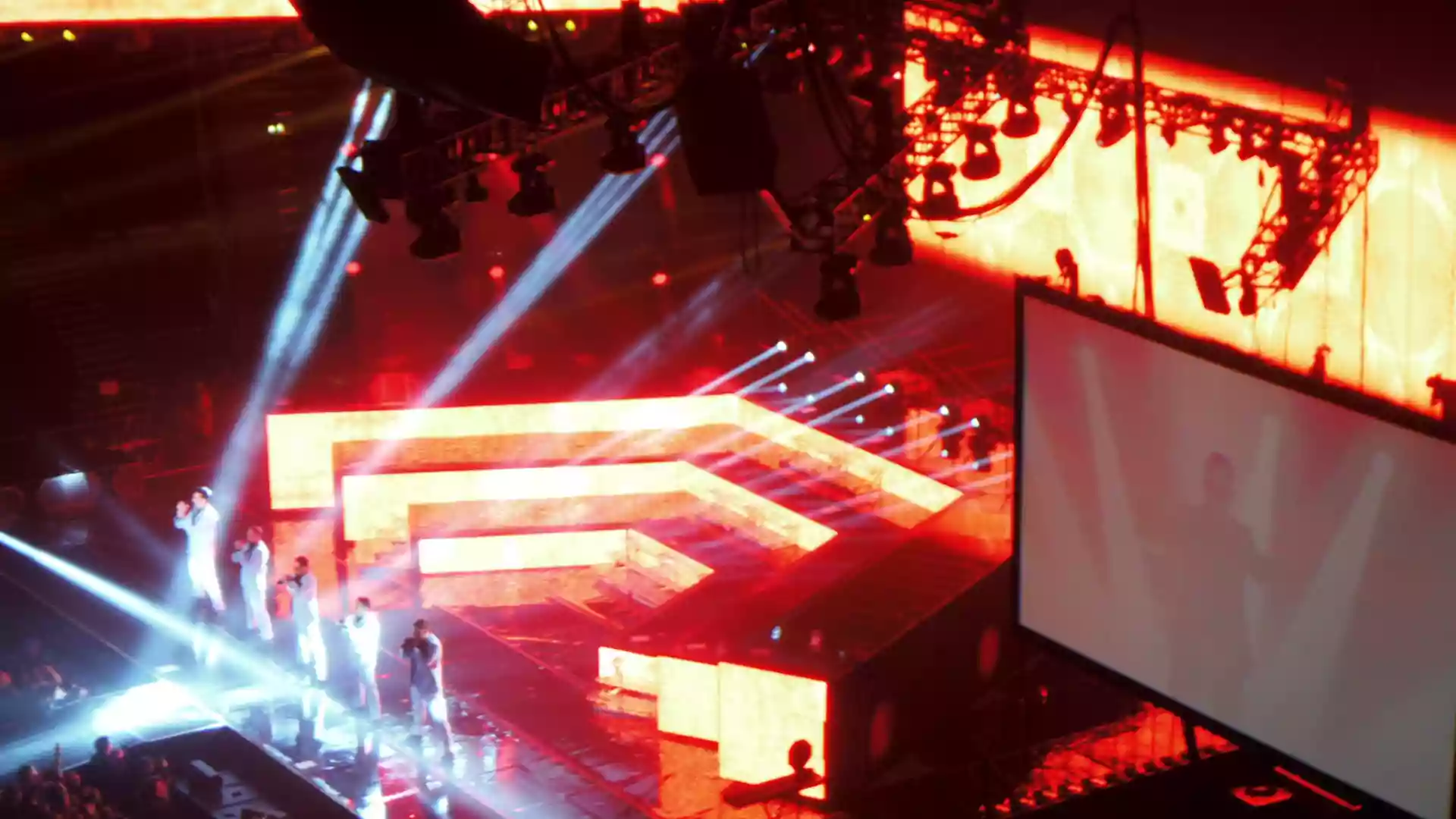
Atmosphere-wise, expect a low-key stage setup and minimal banter. Dylan is known for walking onstage, getting straight to the songs, and leaving without big speeches. The lighting tends to be moody rather than flashy. Instruments and arrangements do most of the talking: guitar, keys, drums, and a band that knows how to turn on a dime when Dylan shifts gears mid-phrase.
Setlist tracking sites and fan blogs from the last touring stretch painted a picture of a show that flows like a single piece of theater. Songs segue into each other with short breaks, and there’s usually a strong opening run that sets the tone. Mid-set, the energy often dips into slower, more reflective territory before ramping back up toward the end. Encores, when they happen, feel like coda rather than a greatest-hits dump.
It’s also worth preparing yourself for the voice. People who haven’t seen Dylan live often arrive with one expectation and leave with another. His vocals now are rough, weathered, and dramatic, more like a character actor than a young folk singer. Some fans describe it as a shock at first, then say it starts to make deep emotional sense once you settle into it. That same lived-in tone can turn a line you’ve heard a hundred times on record into something new and unsettling.
As for support acts and ticket prices, the pattern in recent years has leaned toward Dylan-focused evenings rather than heavily stacked multi-artist bills. Prices vary sharply by city and venue size, with fans regularly debating the value in Reddit threads: is a higher price tag fair for a short, tightly curated set? Many who have gone recently say yes, especially if you approach it as a chance to see a constantly evolving artist rather than a retro package tour.
What the web is saying:
Rumor Mill: What Fans Are Speculating
If you dip into Reddit or TikTok right now and search “Bob Dylan,” you land in a swirl of theories. One of the loudest: are these 2026 dates quietly setting up a “last big tour” narrative, or will Dylan just keep adding shows the way he has for decades? In classic Dylan fashion, there’s been no official “farewell” language, which leaves fans reading tea leaves from small details: how long each leg is, how spread-out the cities are, and whether he returns to key markets like London, New York, or Los Angeles.
Another fan obsession is setlist rotation. On r/music and other communities, users dissect every recent show report, arguing over which deep cuts might come back into rotation. There’s constant speculation about whether songs like “Visions of Johanna” or “Desolation Row” might reappear, or whether he’ll continue leaning into post-2000 material instead. Some younger fans are openly hoping for a more career-spanning selection, while older heads often reply with a friendly warning: Dylan rarely does what people expect.
Ticket pricing is its own mini-controversy. Threads pop up comparing prices across continents, with European fans sometimes noting more accessible pricing in certain cities and US fans venting about dynamic pricing and fees. Amid the complaints, though, are just as many posts from people who saw a recent show and say it was worth every dollar, precisely because there’s nothing else quite like watching Dylan completely rewire his own songs in front of you.
TikTok adds another layer. Clips of recent performances, especially of emotionally heavy songs, get repurposed into edits that introduce Dylan to users who might never have pressed play on an entire album. Underneath, the comments often split into two camps: stunned first-timers, and longtime fans explaining how different the studio versions sound. This has sparked a wave of “starter pack” discussions: which album should a Gen Z listener play first if they get hooked by a short, grainy concert clip?
Then there are the evergreen theories: hints of a new album, possible surprise guests, and anniversary tie-ins. Every time a notable date from Dylan’s discography comes around, somebody floats the idea that he might mark it on stage with a special performance. Even without confirmation, that hope fuels tickets sales in certain cities: people want to be in the room in case something historic happens.
For all the speculation, one thing unites most of these conversations: a sense of urgency. You see it in posts from fans traveling across borders, rearranging work schedules, or selling other gig tickets to fund a Dylan night. Underneath the memes and debates, there’s an awareness that nobody else from his generation is touring at this scale, with this much unpredictability, in 2026.
Key Dates & Facts at a Glance
Here are the kinds of details fans are tracking as they plan their Bob Dylan year:
- Official tour hub: New and updated dates appear on the official site tour page, which remains the go-to source for confirmed information.
- US dates: Major cities in the United States regularly appear on recent tour legs, with fans watching for fresh announcements in hubs like New York, Chicago, Los Angeles, Nashville, and Austin.
- UK and Europe focus: London, Manchester, Glasgow, Dublin, Berlin, Paris, Amsterdam, and other European centers often feature in routing patterns, with fans anticipating more 2026 announcements.
- Show length: Recent concerts typically run around 90–120 minutes, with a tightly curated setlist and few, if any, extended speeches from the stage.
- Setlist mix: Nights often blend later-career material with reworked classics, with arrangements and tempos changing significantly from the studio versions.
- Band setup: Dylan frequently performs with a seasoned, small band, focusing on guitar, piano/keys, bass, and drums for a stripped-back but flexible sound.
- Ticket release patterns: Tickets often go on sale via standard online outlets, with pre-sales and general sales staggered by region; dynamic pricing and tiered seating are common.
- Age policy: Most venues treat Dylan shows as standard concerts, with age limits (if any) based on local venue policy rather than the artist.
- Merch and physical media: Recent tours have typically offered tour-specific merch, while Dylan’s deep catalog remains widely available on streaming platforms and in physical formats.
- Streaming impact: After each touring leg, spikes in streams of both classic and newer tracks are often reported, as concertgoers go home and revisit the songs in their original forms.
FAQ: Everything You Need to Know About Bob Dylan
Who is Bob Dylan, in 2026 terms?
For a lot of Gen Z and younger millennials, Bob Dylan exists as a kind of cultural background radiation: a name your parents or grandparents mention, a voice you hear in movie soundtracks, a few songs that show up on playlists labelled “classic.” But in 2026, Dylan is also a working performer. He’s an artist who still tours, still rearranges his songs, and still treats live shows as a laboratory rather than a nostalgia act.
He first broke out in the early 1960s as a sharp, politically charged songwriter rooted in folk and blues traditions. Over the decades, he moved through rock, country, gospel, and even standards, constantly shifting his sound. The key thing to understand now: Dylan isn’t trying to freeze any particular era in amber. The 2026 version of Bob Dylan is as much about the current performances as it is about the classic records your parents talk about.
What kind of music does Bob Dylan actually play live now?
Live in 2026, Dylan’s music is a hybrid of past and present. Stylistically, you’re going to hear folk, rock, blues, and elements that feel almost like cabaret or Americana noir. The performances tend to be stripped back compared with heavily produced modern pop, but there’s a lot going on in the details: rhythmic twists, surprising chord voicings, and small interaction cues within the band.
Recent shows have leaned on his later-period songwriting, which is more reflective, darker, and often more narrative-driven than the protest songs people associate with his earliest records. That doesn’t mean there are no big-name songs; it just means they show up in new clothes. A 1960s anthem can suddenly feel like a late-night blues number, while a 2000s track might come across as a centerpiece of the whole set.
Where can you find accurate, up-to-date Bob Dylan tour information?
The most reliable hub for Dylan tour information continues to be the official website’s tour page. Third-party ticketing platforms, fan-run setlist archives, and social media posts are helpful, but they can lag behind or reflect rumors. If you’re planning travel or budgeting for tickets, always cross-check with the official tour listings before locking anything in.
Many fans also recommend following local venue websites and regional promoters, since they often drop hints or pre-announcements. Still, for a figure as closely watched as Dylan, the official tour page typically moves quickly once a date is finalized.
When should you arrive at a Bob Dylan show, and what should you expect at the venue?
Fans who’ve been in the past few years generally suggest arriving early enough to avoid long lines and to get settled before the lights go down. Dylan is known for starting fairly close to the advertised time, especially compared with some younger touring acts who lean into late starts. If there is no announced opening act, you can usually assume he’ll be on not long after the posted show time.
Inside the venue, the vibe tends to be seated or mixed seated/standing, depending on the room. Crowd energy is attentive rather than chaotic; you’re more likely to see people listening quietly, absorbing each rearranged lyric, than moshing or constantly shouting. Phone policies depend on the venue and current tour rules, but many fans advise putting your device away for at least a few songs, just to let the strangeness of the live arrangements sink in.
Why do fans say you should see Bob Dylan now, even if you’re not a superfan?
The argument you’ll see again and again on Reddit and in comment sections is simple: there’s nobody else like this still on the road at this level. You don’t go to a Dylan show in 2026 for a perfect recreation of the records. You go because he’s still actively rewriting what those songs can be. For a lot of people, seeing that process in real time is the entire point.
There’s also a generational element. Many younger fans talk about going with parents or even grandparents, turning the concert into a kind of shared family time capsule. Others frame it as ticking off a personal bucket-list item: seeing one of the most written-about songwriters in history while he’s still pushing his own work forward rather than simply coasting.
What are the best songs to know before you go?
This is where veteran fans will argue for days, but a solid starter kit usually includes a blend of early anthems and later, moodier tracks. On the classic side, songs like “Blowin’ in the Wind,” “The Times They Are a-Changin’,” “Like a Rolling Stone,” “Mr. Tambourine Man,” “Tangled Up in Blue,” and “Shelter from the Storm” are essential context, even if they don’t show up in the set.
From the later eras, fans often recommend exploring tracks such as “Not Dark Yet,” “Love Sick,” and “Things Have Changed” to get a feel for the heavier, more cinematic Dylan that appears in recent setlists. Even if the arrangements differ live, knowing the lyrics and basic structures can help you recognize and appreciate what he’s doing on stage when he twists them into new forms.
How should a new fan start exploring Bob Dylan’s catalog in 2026?
If you’re streaming, it can be overwhelming: dozens of studio albums, live releases, and archival sets. One popular approach is to pick a few anchor records from different decades rather than trying to go in order. Many listeners start with a 1960s album for the folk and early rock era, a 1970s album for the more personal writing, and a late-1990s or 2000s album for the modern voice and perspective.
From there, you can pivot based on what grabs you. If you’re drawn to his storytelling, dive into the long-form songs and narrative-heavy albums. If you’re more about energy, explore the electric period where the band plays loud and loose. The important thing is not to treat Dylan as homework. He’s a living artist, and your experience will be richer if you pair the classic records with whatever he’s doing on tour now.
Viewed that way, a 2026 Bob Dylan concert isn’t just a throwback night. It’s an entry point into one of the deepest catalogs in popular music, filtered through the voice and perspective of someone who’s still refusing to stand still.