BMW’s Le Mans Glory Can’t Mask Share Rout as Tariffs and China Slowdown Bite
12.06.2026 - 18:24:52 | boerse-global.de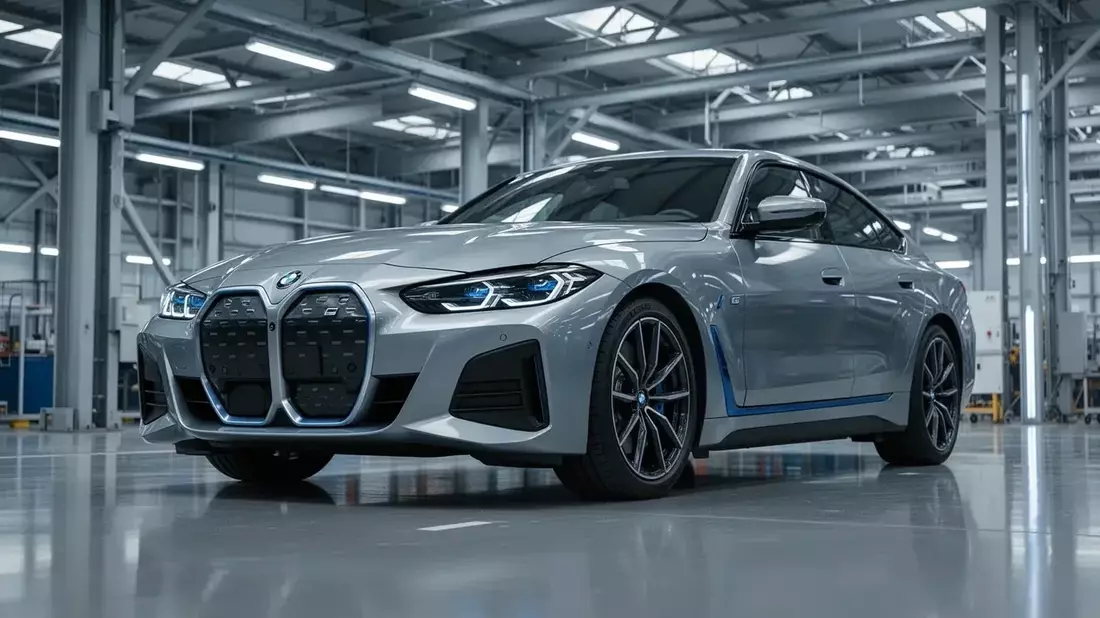
BMW pulled off a stunning qualifying performance at the 24 Hours of Le Mans, but the triumph on the track did little to arrest a deepening sell-off in its shares. The stock hit a fresh 52-week trough on Thursday, as a deteriorating macroeconomic backdrop and weak first-quarter results overshadowed both racing success and a new electric sports car concept.
Dries Vanthoor secured pole position in the #15 BMW M Hybrid V8 for the endurance classic, posting a lap of 3 minutes 22.564 seconds. The run came after the originally fastest car, the Cadillac #38, had its time deleted for a pit-lane infringement, dropping it to tenth. Both BMW factory entries made it into the Hyperpole session, and works driver Marco Wittmann has his sights set on a podium finish following recent upgrades and a strong showing at Spa.
Yet the mood in Munich’s boardroom remains subdued. BMW shares slid to €65.52 on Thursday — a new 52-week low — before recovering slightly to close at €68.16. That left the stock down almost 29% since the start of the year and more than 30% below its December 2025 high of €97.90. The primary source confirms a similar picture: the shares currently trade at €66.94, with a year-to-date loss of 30.2%.
The disconnect between track performance and market performance reflects the tough operating environment for Germany’s luxury carmaker. First-quarter 2026 deliveries fell 3.5% to 565,780 vehicles, with China — BMW’s single largest market — tumbling 10.0%. Revenue dropped to €31.0 billion from €33.8 billion a year earlier. Tariffs shaved 1.25 percentage points off the EBIT margin in the automotive segment, and management now guides for a full-year margin of just 4% to 6%.
Should investors sell immediately? Or is it worth buying BMW?
Adding to investor unease, the German Institute for Economic Research (DIW) has slashed its 2026 growth forecast to 0.5%, while the European Central Bank raised its key interest rate to 2.25% on Thursday. The pain is industry-wide: Volkswagen announced plans to cut around 50,000 jobs by 2030, underscoring the pressure on traditional automakers.
Technically, the shares are deeply oversold. The relative strength index stands at 24 in one reading and 26.5 in another — well below the 30 threshold that often hints at a potential bounce. However, with the stock trading roughly 19% below its 200-day moving average of €84.45, the downward trend remains firmly intact.
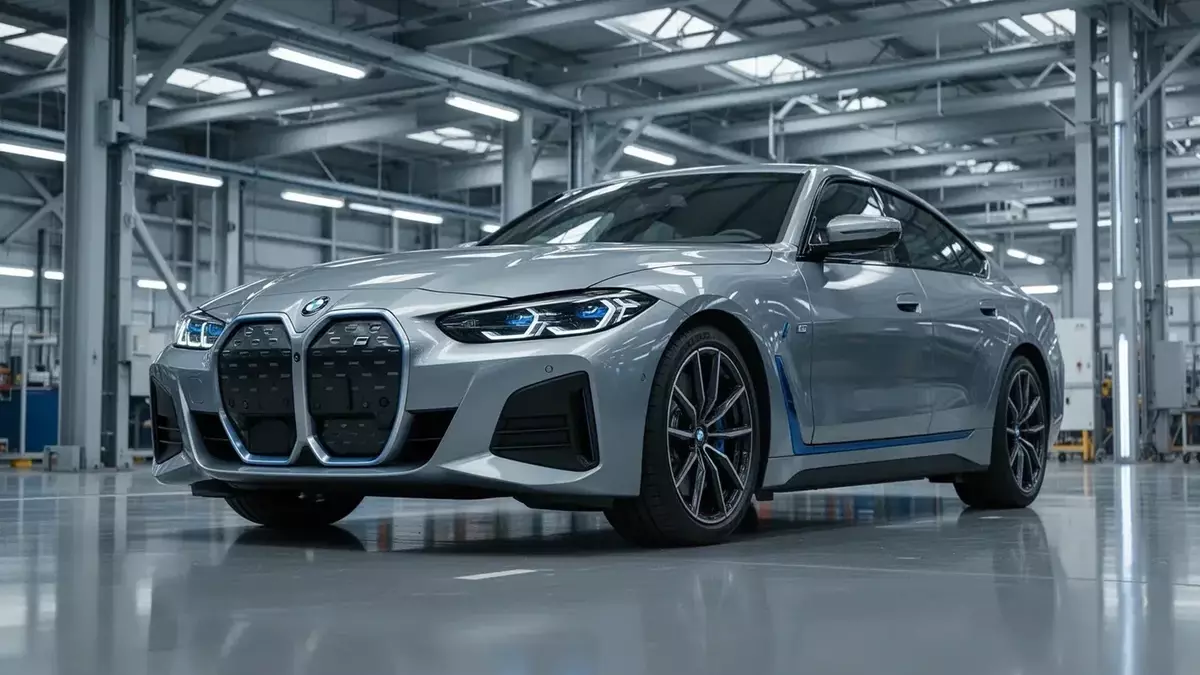
Investors looking for a catalyst see little immediate relief from BMW’s product pipeline. At Le Mans, the company unveiled the M Concept Neue Klasse, a high-performance electric vehicle with four electric motors, an 800-volt architecture, a battery exceeding 100 kWh, and integrated structural housing. The M Dynamic Performance Control software runs on a central high-performance computer. While the concept signals that BMW’s M division will be fully integrated into the Neue Klasse platform rather than treated as a niche add-on, analysts note that the production impact won’t materialise before the platform’s 2026 launch.
BMW at a turning point? This analysis reveals what investors need to know now.
Meanwhile, those with deep conviction have stepped in. Board member Dr. Milan Nedeljkovic purchased just over 5,200 shares at €76.16 each at the end of May. Separately, logistics company Katoen Natie ordered more than 1,000 electric vehicles from BMW, with delivery scheduled by the end of 2027. The order offers a glimmer of institutional demand but is too small to shift the needle on a company that delivered over 2.5 million vehicles last year.
With Le Mans taking centre stage this weekend, the stock will have to wait until Monday for another chance to recover. Whether that happens depends on how consumer demand holds up under higher borrowing costs and whether BMW can prove its Neue Klasse strategy will reverse margin pressure. For now, the operating evidence remains conspicuously absent.
Ad
BMW Stock: New Analysis - 12 June
Fresh BMW information released. What's the impact for investors? Our latest independent report examines recent figures and market trends.