Bitcoin: Volatility Spiral or High-Risk Gamble? Why Caution Is Critical
24.12.2025 - 09:46:53 | ad-hoc-news.de
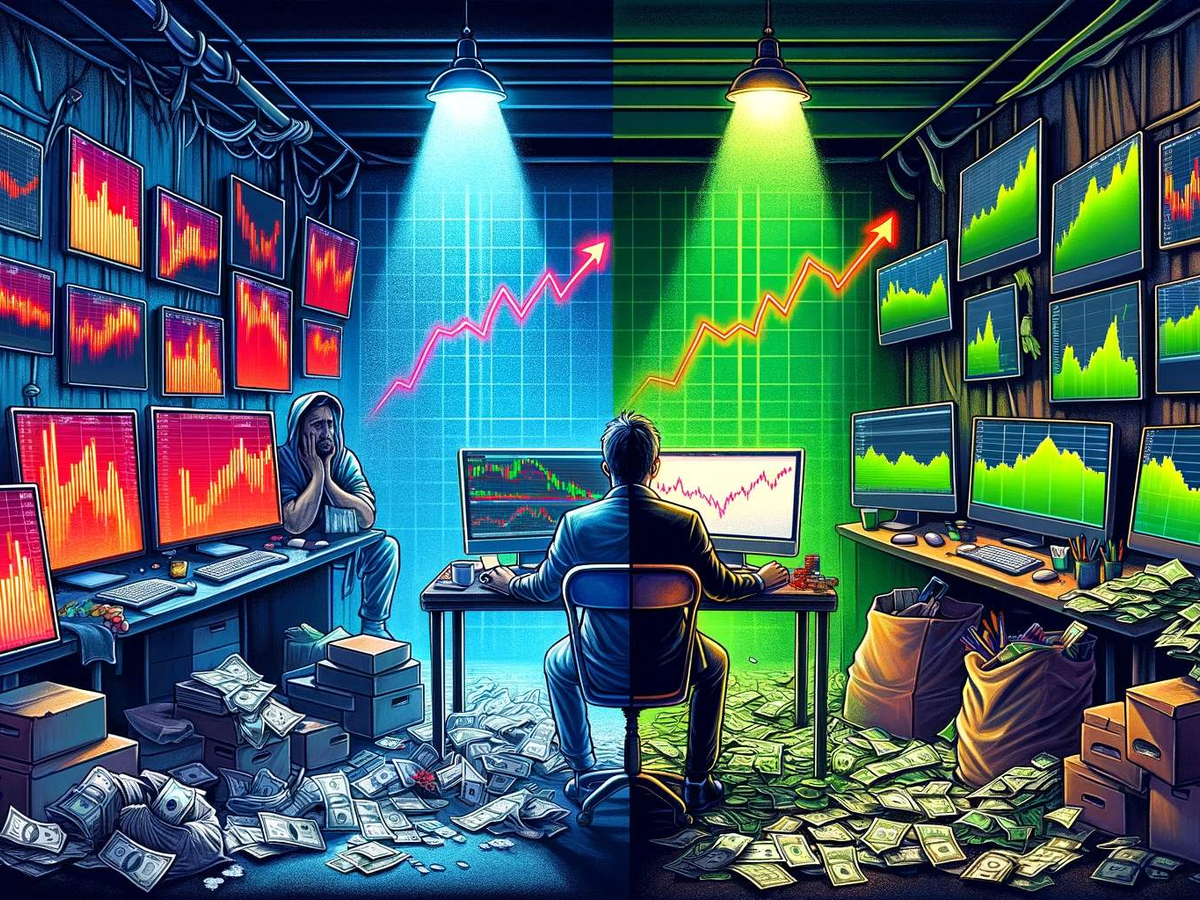
Bitcoin's rollercoaster ride continues, with the past three months offering investors more ups and downs than many can stomach. From early April to early July 2024, Bitcoin peaked around 72,000 USD, only to plummet by over 15 percent to lows near 61,000 USD within weeks. Such violent corrections can wipe out months of gains in mere hours. Overnight "flash crashes"—where prices drop thousands in minutes—have become a disturbing norm rather than an exception. Even high-profile ETF inflows in spring couldn't spare the currency from brutal corrections. For anyone who still thinks Bitcoin is a safe bet: the last quarter has proven just how dangerous and unpredictable this so-called asset can be. Is this investing, or has it turned into outright gambling?
If you still want to take the risk: open a trading account for Bitcoin here
There is no shortage of warning signals today. In recent weeks, US regulators such as the SEC have renewed calls for tighter crypto oversight. Just last week (source: Cointelegraph, 3 July 2024), European lawmakers pushed for stricter capital requirements for crypto exchanges holding customer funds. Meanwhile, reports of major exchange hacks (such as the multi-million-dollar breach at a top exchange in mid-June, see Decrypt) highlight the ever-present threat of losing your holdings overnight to cybercrime. Add to this the increasing "rug pulls"—scam projects vanishing with investor money—and you get a toxic mix for anyone hoping for quick gains. Recent analysis from Bloomberg warns that rising US interest rates and a strengthening dollar are further draining capital from high-risk assets like Bitcoin. All of these factors create an environment where the Bitcoin price can collapse rapidly on the faintest whiff of fear. The mood flips in minutes: euphoric buyers turn into panic sellers, triggering cascading losses.
What exactly is Bitcoin? Technically, it is an open-source digital payment network—proudly decentralized, with no central bank or government backstop (see: [bitcoin.org](https://bitcoin.org/de/)). But here lies the crux: Unlike shares (with dividends or tangible business value) or gold (with real-world industrial and jewelry demand), Bitcoin has no "intrinsic value". Its price is determined solely by the next buyer's willingness to pay—nothing more. This exposes holders to the full force of market speculation, endless volatility, and extreme risk of total loss. Lose your private key, suffer an exchange hack, or simply hold through a bear market? Your entire capital is at risk. Sudden bans or regulations in major economies could freeze trading overnight, making assets illiquid or even worthless. This is not a theoretical risk—it's played out multiple times on the world stage.
Psychologically, Bitcoin preys on fear and greed. The FOMO—fear of missing out—is stoked by every new all-time high, luring newcomers into the frenzy just as the smart money exits. But when the inevitable crash arrives, panic selling and despair follow, locking in massive losses for those unable to withstand the pain. Nervous hands are shaken out swiftly in this game of high-stakes speculation. Bitcoin is, in this sense, the ultimate expression of a "Hochrisiko-Investment": gigantic upside dreams, paired with very real chances of a total wipeout. Compared to stable assets or traditional savings products, this is financial Russian roulette.
So what is the bottom line for cautious investors and ordinary savers? In plain language: Bitcoin is far from a "safe haven." The risks—regulatory, technical, psychological, and market-driven—are substantial, possibly existential. Stable long-term wealth preservation is simply not what Bitcoin was built for. Unless you are seeking the thrill of speculation, can mentally and financially stomach a 50 percent (or larger) loss, and fully understand the possibility of never seeing your money again, you should stay far away. Only those with disposable "fun money"—amounts they can afford to lose in full—should even consider this market. Stewardship of your hard-earned capital means exercising the utmost caution, not chasing volatility for its own sake.
So schätzen die Börsenprofis Aktien ein!

Für. Immer. Kostenlos.