Bitcoin’s Brutal Volatility: Why This Asset Is a Dangerous Gamble
16.12.2025 - 14:50:14 | ad-hoc-news.de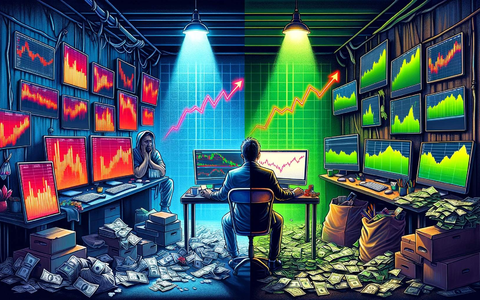
Within just the past three months, Bitcoin has dragged its holders through one of the wildest market rollercoasters imaginable. After reaching a euphoric local peak of over $70,000 in March 2024, the price crashed back to near $57,000 in late April—an abrupt loss of nearly 20 percent in weeks. As of early June, the coin has zig-zagged between $58,000 and $72,000 multiple times, with daily swings often exceeding 5 percent. Investors looking for stability will find none here. This isn’t just volatility – it’s financial whiplash. Is this really investing, or pure, high-stakes gambling?
If you still want to brave the risk: Trade Bitcoin here – at your own peril
Recent headlines paint an even more alarming picture for Bitcoin risk-takers. In the last two weeks, U.S. regulators have reignited proposals for tighter crypto oversight, threatening to curb exchange activity and heightening the risk of sudden market freezes (see: Coindesk, June 2024). Meanwhile, reports of major hacks and frauds, including a North Korean cyberattack draining millions from wallets, highlight the continuing vulnerability of digital assets (Decrypt, early June 2024). On top, analysts at Bloomberg warn that persistent inflation and rising central bank rates are pushing risk assets, Bitcoin included, into treacherous waters—favoring cash and traditional markets over speculation-fueled crypto rallies.
The news cycle is relentless, and the tone at major crypto outlets remains anxious. Market sentiment can reverse sharply on rumors alone, sometimes sending Bitcoin into a ‘flash crash’ within hours. Recent cases saw billions evaporate in minutes, leaving traders liquidated and smallholders panic-selling at monumental losses. These aren’t isolated events. The echo chamber of X (formerly Twitter), Telegram, and Discord amplifies every negative headline into full-blown FUD (fear, uncertainty, and doubt), feeding the cycle of extreme volatility. Those tempted by the lure of quick profits may find themselves trapped on the wrong side of the swing.
What underpins all this chaos? Bitcoin bills itself as an ‘innovative payment network’—a decentralized, open-source system with no central authority. Its core idea is compelling: fast, borderless transactions with limited supply. But for all its technological promise, Bitcoin has no intrinsic value in the traditional sense. Unlike a well-managed company’s stock or gold with industrial demand, Bitcoin is worth only what the market agrees it’s worth. If sentiment sours, there’s no dividend, no safety net, no bailout. You are entirely exposed to the mercy of speculative flows—a textbook Hochrisiko-Investment.
Technical risks compound the danger. Lose your private key, and your coins are gone for good. Exchanges, though more regulated in 2024 than before, still get hacked. ‘Rug pulls’ and dishonest actors remain rampant in the sector. The psychological aspect is brutal: FOMO lures new buyers at local peaks, only for panic selling to wipe out value days later. The temptation to join the herd in a bull run is overwhelming—but the exit door, when the crowd runs, is catastrophically narrow.
For context: while blue-chip stocks rarely drop more than 2–3 percent a day and government bonds barely budge, Bitcoin can swing 10 percent or more in a single session. Your investment could halve overnight. Totalverlustrisiko is not just a scare word; during market meltdowns, coins sometimes become illiquid, making selling at any price impossible. Compared to classic value preservation, this is speculation in its purest—and riskiest—form.
The outlook remains grim for conservative savers. Macroeconomic headwinds—rising interest rates, stronger fiat currencies, global regulatory pressure—are forming a perfect storm that could torpedo Bitcoin even further. Those who regard their savings as hard-earned should steer well clear of such unpredictable territory. Bitcoin remains an asset for thrill-seekers, not for stability chasers.
My conclusion is clear: unless you have money to burn, you should avoid Bitcoin as a core investment. For most, the best protection is simply not to play. Only those fully aware of the risk, and who genuinely seek the adrenaline of speculation, might dip a toe into these stormy waters.
I acknowledge the dangers but want to trade anyway: Open account now
So schätzen die Börsenprofis Aktien ein!

Für. Immer. Kostenlos.