
Bitcoin risk: what you need to know before your next BTC/ EUR trade
21.01.2026 - 10:00:39 | ad-hoc-news.de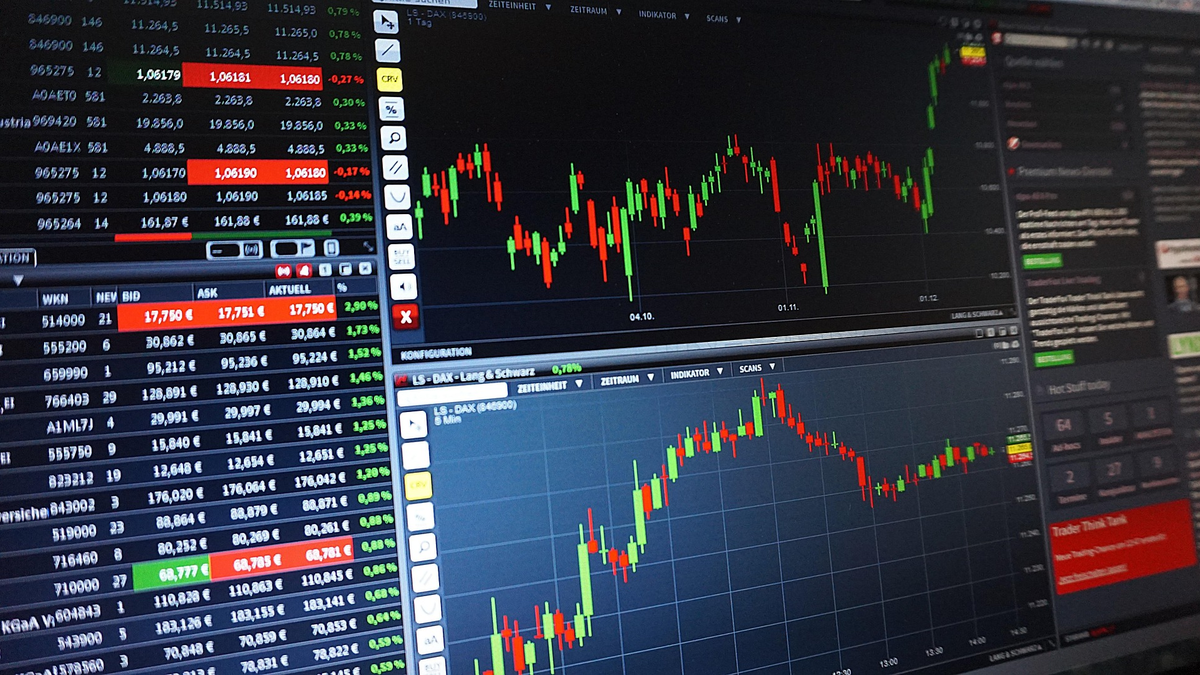
For risk-takers: trade Bitcoin volatility now
Bitcoin risk in plain language
When you trade Bitcoin, you are stepping into a market that can move several percent in minutes, with no warning. That is exciting if you are on the right side of the move, but brutal if you are not. Even without leverage, a sudden drop can trigger panic selling. With leverage, the same move can liquidate your entire margin.
Unlike traditional assets, Bitcoin does not have central bank backstops, regular earnings reports or clear valuation anchors. The price is driven by sentiment, liquidity and speculation, which makes every Bitcoin risk decision highly uncertain. You must be prepared for long winning streaks to flip quickly into deep drawdowns.
Key drivers that can flip BTC sentiment
To understand why Bitcoin can change direction so fast, you need to watch a few recurring themes that dominate crypto trading globally. None of them guarantees a specific move, but each one can act as a trigger when markets are already nervous.
First, ETF flows and institutional interest can turn Bitcoin into a high-beta macro asset. When flows into Bitcoin-linked products are strong, traders often feel emboldened to take more risk. When those flows slow down or reverse, the same traders may rush to close positions, amplifying any small dip into a deep slide.
Second, global risk appetite matters. In times of fear around interest rates, growth or the broader stock market, speculative positions tend to be reduced across the board. Bitcoin is often among the first assets sold, because it has no cash flows and is held mostly for price appreciation. In more optimistic phases, Bitcoin can benefit from a hunt for higher returns.
Third, regulatory headlines can shock the market. Stricter rules for exchanges, stablecoins or wallets can reduce liquidity, increase friction or simply scare participants. On the other hand, clearer rules in major jurisdictions can support the narrative that Bitcoin is a maturing asset class, which can attract new participants who previously stayed on the sidelines.
Finally, on-chain events such as big liquidations, large wallet movements or exchange outflows can spook traders. When leveraged long positions are crowded and the price starts to drop, cascade liquidations can push the price far below what most traders expected when they entered.
How recent narratives shape your BTC/EUR decisions
Media coverage and market commentary can reinforce these dynamics. Outlets like CoinDesk and Cointelegraph frequently highlight cycles of optimism and fear, from stories about institutional adoption to reports on major liquidations or security incidents. Each narrative can serve as a catalyst for traders already positioned in one direction.
When coverage focuses on inflows into crypto products and growing corporate interest, many traders interpret that as a green light to take more exposure. When the headlines switch to enforcement actions, exchange investigations or large-scale hacks, even experienced participants may rush to cut risk. This fast narrative whiplash is one reason why Bitcoin price prediction remains so unreliable.
For you as a trader, the main takeaway is that no single headline or narrative should dictate your strategy. What matters is how your position size, leverage and stop-loss levels interact with this highly reactive information environment. Even if the BTC price now looks stable on a short-term chart, underlying positioning and sentiment can change rapidly.
Practical ways to manage Bitcoin risk
Because Bitcoin is so volatile, your survival depends less on guessing the next move and more on managing downside when you are wrong. That starts with choosing a position size that does not threaten your financial stability. It continues with using stop-loss orders or mental exit rules that you genuinely follow, instead of hoping that a losing trade will magically recover.
If you use leverage, treat it as a tool, not a shortcut. Leverage multiplies both gains and losses, and many traders underestimate how quickly a modest move can wipe out their margin. Always simulate what happens to your account if the market moves sharply against you, and decide in advance where you will cut your loss.
- Assume large price swings can happen at any time, including outside regular business hours.
- Use leverage sparingly and only with money you can afford to lose completely.
- Set clear exit rules before opening a trade and stick to them without hesitation.
- Diversify your overall portfolio so a single Bitcoin position cannot ruin you.
- Prepare mentally for long periods of sideways or choppy action, not just big trends.
Psychology is another critical piece of Bitcoin risk. Fear of missing out can tempt you into over-sized entries after a big rally. Fear of realizing a loss can trap you in a bad trade that slowly drains your account. To counter this, write down your plan before entering a position and review it calmly when markets get turbulent.
Remember that you do not have to trade every move. Sometimes the best way to handle Bitcoin volatility is to wait for clearer setups, higher-quality risk?reward or improved liquidity conditions. Stepping aside is a valid strategy when you feel overwhelmed or overly emotional.
Ignore the warning & trade Bitcoin anyway
Risk disclosure: Financial instruments, especially crypto CFDs, are complex and carry a high risk of losing money rapidly due to leverage. You should consider whether you understand how these instruments work and whether you can afford to take the high risk of losing your money. This content is for informational purposes only and does not constitute investment advice.
Trading lernen. Jetzt Platz sichern

Lernen. Traden. Verdienen.


