Berlin’s €16 Billion Defence Plan Fuels Hensoldt’s Outlook, But Share Price Stays Grounded
18.06.2026 - 03:11:45 | boerse-global.de
Germany’s defence minister has thrown the weight of the federal budget behind drone technology, but the market is waiting to see real money land at Hensoldt before taking the stock higher. Boris Pistorius unveiled a €16 billion action plan for unmanned aerial systems through to 2030, covering reconnaissance, attack and countermeasures — a clear strategic tailwind for the electronics specialist. Yet the share price remains stuck in a rut, suggesting investors are pricing in execution risk rather than political rhetoric.
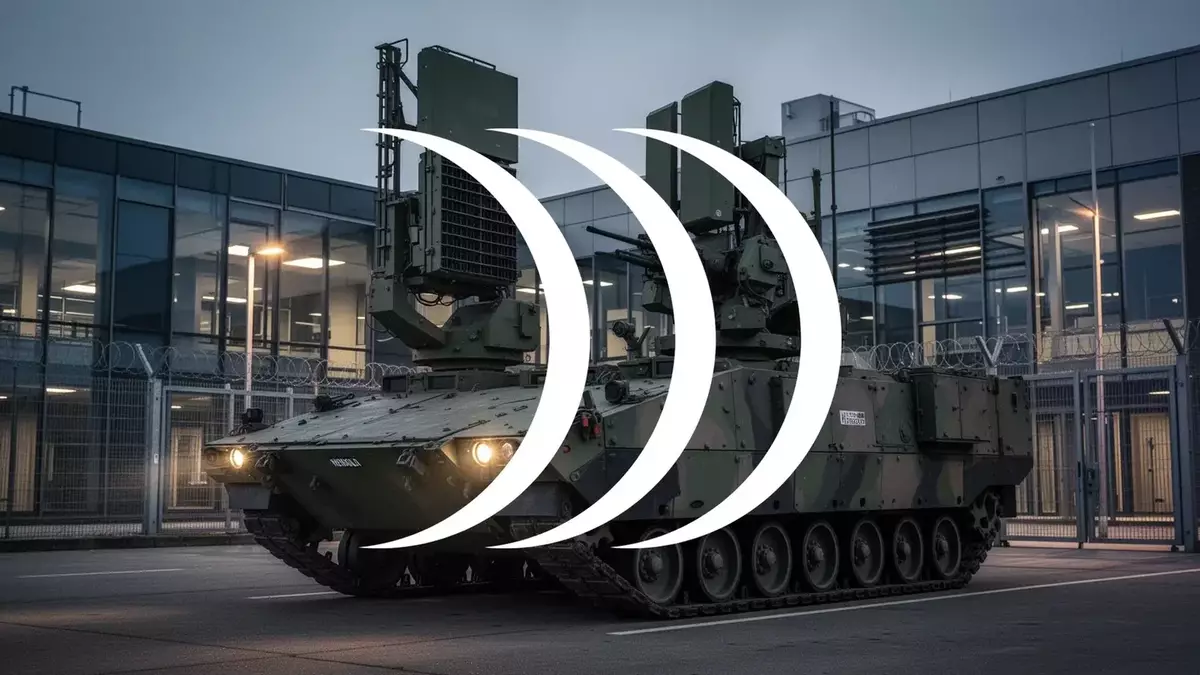
Hensoldt’s latest product launch at the Eurosatory defence fair in Paris underscores the gap between capability and commercial validation. SkyBarrier, a mobile broadband jammer, can knock out all four major satellite navigation systems — GPS, GLONASS, Galileo and BeiDou — simultaneously, including encrypted military variants. The system can be set up by two people in minutes using a mechanical switch and three physical interfaces, deliberately avoiding software or external data links to enhance security. Its modular design allows new signal types to be added by swapping components, meaning the whole unit does not need replacing. But the company has disclosed no customers, no order volumes and no timeline for first deliveries. For now, SkyBarrier is a technology demonstration, not a revenue driver.
On the civil side, Hensoldt is also pushing into drone defence infrastructure. It is co-developing a nationwide counter-drone network with Deutsche Telekom and Deutsche Flugsicherung, linking mobile phone masts, airports and power plants to share detection data. This mirrors the military priority Pistorius has set, but again no framework contract has been signed.
Should investors sell immediately? Or is it worth buying Hensoldt?
The market’s reaction has been muted at best. Hensoldt shares ended Thursday’s session at €72.38, a modest gain of around two percent on the day. That does little to repair the damage: over the past seven days the stock has lost 7.4 percent, and the year-to-date decline stands at roughly five percent. Technically, the picture remains weak: the shares trade 13.1 percent below their 200-day moving average and sit more than 37 percent below the 52-week high of €115.10 reached last year.
The political foundation for growth is now in place — the defence ministry has explicitly identified drone countermeasures as a priority area. But translating that into procurement contracts and visible revenue will fall to Hensoldt’s management. Until Berlin converts its €16 billion ambition into actual tenders and signed agreements, the stock is likely to remain a story of potential rather than performance.
Ad
Hensoldt Stock: New Analysis - 18 June
Fresh Hensoldt information released. What's the impact for investors? Our latest independent report examines recent figures and market trends.