Befesa stock holds firm as recycling margins support earnings
Published on 07/21/2026 at 03:31 | Editorial responsibility: Rafael Müller, Editor-in-Chief AD HOC NEWS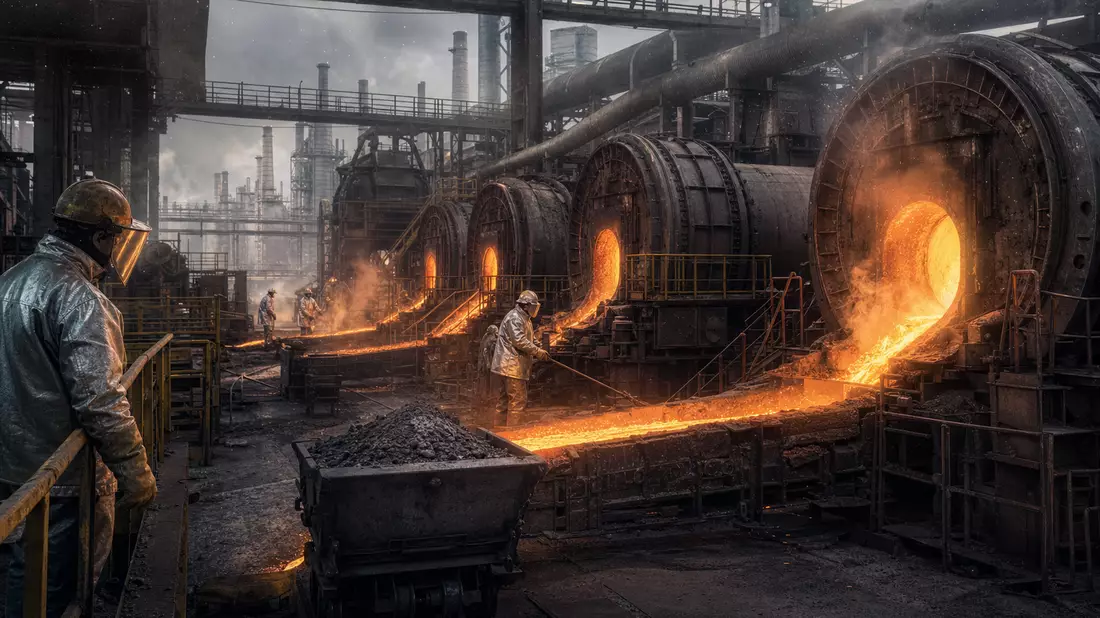
Befesa stock, based on the Luxembourg registered group Befesa S.A. (ISIN LU1704650164), is underpinned by a recycling-focused business model that converts industrial waste streams from steel and aluminum production into usable materials. The company operates specialized facilities across Europe and other regions to process steel dust and aluminum salt slags, generating revenue from treatment fees and recovered metals. For investors, the interplay between volumes, metal prices, and processing margins is central to understanding the earnings power behind Befesa stock.
Revenue grows and earnings improve
In its most recent reported financial year, Befesa S.A. disclosed annual revenue of approximately EUR 1.0 billion, reflecting growth compared with the prior year as steel dust and aluminum salt slag volumes remained resilient. The year-on-year expansion in revenue was driven by higher throughput across its recycling plants and the pass-through of higher processing costs, while the business continued to benefit from its long-term contracts with steel and aluminum producers. Profitability also improved, with earnings before interest, taxes, depreciation, and amortization (EBITDA) rising compared with the prior period, supported by more favorable mix effects in its steel dust segment.
Net income likewise increased against the earlier year, as the group maintained cost discipline and optimized its plant network to raise utilization rates. Operating leverage played a visible role: once fixed costs were covered, incremental volumes translated more efficiently into operating profit. The combination of revenue growth, an EBITDA uplift, and higher net income demonstrates that Befesa was able to translate its recycling activity into improved earnings metrics, despite a volatile backdrop for underlying metal prices.
Margin dynamics and metal-price sensitivity
Because Befesa derives a significant share of its revenue and earnings from processing steel dust that contains zinc and other metals, the company’s profitability is closely linked to developments in global zinc and aluminum prices. When zinc prices trade at higher levels than in previous quarters, Befesa can capture more value from the recovered metals, helping to offset cost inflation and support margins. In its latest annual reporting period, the company indicated that the operating margin in its steel dust business increased compared with the prior year, reflecting both higher recovered metal values and improved plant efficiencies.
However, the relationship is not linear, because Befesa often uses hedging strategies to smooth the impact of metal-price swings on its earnings. These hedges, combined with multi-year contracts with industrial customers, give the company greater visibility on cash flows from its recycling operations. Investors examining Befesa stock therefore pay close attention not only to headline revenue and EBITDA figures, but also to the margin trajectory within each segment and the underlying zinc and aluminum price environment that influences those margins over time.
Debt, cash flow, and balance sheet resilience
Befesa’s ability to invest in new recycling capacity and maintain its plant network depends on its balance sheet and cash generation. In the most recently reported year, the company highlighted solid operating cash flow stemming from its higher earnings, which helped to cover maintenance capital expenditures and support growth projects. Compared with the prior period, free cash flow improved, providing more flexibility for debt reduction or shareholder distributions.
The company’s net debt position remained manageable relative to EBITDA, with leverage ratios that stayed within its targeted range. This leverage metric is important because it influences Befesa’s capacity to fund new facilities and upgrade existing ones, especially in regions where environmental regulation is tightening and industrial waste recycling becomes mandatory rather than optional. The capacity to keep leverage at a stable level while growing EBITDA and revenue indicates that Befesa has preserved financial resilience during its recent expansion phase.
Steel dust recycling drives activity
Steel dust recycling is the core activity that drives much of Befesa’s revenue and earnings. In its latest annual period, the company processed a large volume of steel dust collected from electric arc furnaces and other steelmaking operations, with tonnage levels slightly above those of the previous year. This incremental volume supported the increase in revenue and EBITDA, highlighting the importance of Befesa’s long-term relationships with steel producers and its positioning as a key waste management partner for the sector.
The steel dust segment operates facilities that recover zinc and other metals from the waste stream, providing an alternative supply source to mining and smelting operations. Befesa’s business model thereby reduces landfill use and environmental risk for steel producers while creating a revenue stream from recovered materials. For investors looking at Befesa stock, the volume trend in steel dust recycling and the evolution of zinc prices are crucial indicators of future earnings potential.
Aluminum salt slag recycling supports diversification
In addition to steel dust, Befesa runs a specialized aluminum salt slag recycling business that further diversifies its earnings base. During the most recently reported year, the aluminum segment contributed a meaningful portion of total revenue, with volumes comparable to or slightly higher than the previous period. This segment processes salt slags from aluminum recycling and casting operations, recovering aluminum and other materials while neutralizing hazardous waste.
Although aluminum segment margins are typically lower than those in steel dust, they add stability to the earnings profile by reducing dependence on a single metal and customer group. The aluminum salt slag business also positions Befesa to benefit from longer-term trends such as higher aluminum use in automotive and packaging, which generates more recyclable scrap and associated salt slags. This diversification and exposure to broader industrial cycles give investors an additional lens through which to view Befesa stock.
Capital expenditure and growth projects
To sustain its recycling operations and capture new opportunities, Befesa invests in capital expenditure projects across its plant network. In the recent reporting period, the company allocated capital to upgrade existing facilities, enhance environmental controls, and expand capacity in promising markets. While exact annual capital expenditure figures vary by project and region, the direction of spending aligns with the company’s focus on strengthening its position in steel and aluminum recycling.
Prospective projects may include new recycling plants near major steelmaking hubs or industrial clusters, where proximity to customers reduces logistics costs and helps secure waste streams. For Befesa stock, such investments can influence future revenue and EBITDA trajectories; once new capacity becomes operational, it can add incremental volumes and earnings, provided that demand from steel and aluminum producers remains robust and regulatory frameworks continue to favor recycling over landfill.
Regulation and environmental incentives
Befesa’s business model is deeply tied to environmental regulation and industrial waste policy. In many jurisdictions, steel dust and salt slags are classified as hazardous materials, subject to strict rules about handling and disposal. The company’s ability to offer compliant recycling solutions gives it a structural advantage as regulators push industrial producers to reduce landfill use and improve circular-economy practices.
Over recent years, policy initiatives in the European Union and other regions have tightened requirements for waste treatment, indirectly supporting Befesa’s revenue growth and plant utilization. As these policies evolve, they may create further opportunities for the company to expand its services or enter new markets. For investors, understanding this regulatory backdrop helps to contextualize the earnings and revenue data that underpin Befesa stock, since environmental rules can influence both volumes and pricing for recycling contracts.
Dividend and shareholder returns
Befesa’s approach to shareholder returns includes the potential distribution of dividends, subject to earnings, cash flow, and leverage considerations. In recent reporting years, the company has declared dividends that reflect its improved net income and cash generation, though payout levels depend on board decisions and broader capital-allocation priorities. When earnings and free cash flow rise compared with prior years, this can strengthen the case for maintaining or gradually increasing dividends, while still funding growth projects and keeping leverage within target ranges.
For Befesa stock holders, dividend metrics are one component of the total return equation, alongside share price performance and any changes in valuation multiples. The sustainability of dividends depends on the company’s ability to maintain or grow EBITDA and net income over time, especially in the face of cyclical metal prices and industrial production patterns. This connection between dividends, earnings, and cash flow is a key consideration when assessing the long-term appeal of Befesa stock as an investment.
Trading venue and market context
Befesa shares trade on a European stock exchange and represent an industrial recycling play within the broader materials and environmental services sector. The stock’s market capitalization reflects investors’ assessment of the company’s earnings power, growth prospects, and balance sheet strength, and it changes as new financial results and macroeconomic data emerge. While specific intraday price movements depend on investor flows and market sentiment, the underlying drivers remain the company’s operational performance and the external environment for steel and aluminum production.
Compared with the prior year, Befesa’s share price trajectory has followed the interplay between reported revenue growth, EBITDA trends, and metal-price developments. Periods of stronger zinc and aluminum prices, coupled with increased recycling volumes, tend to support the valuation metrics applied to the stock, whereas phases of weaker industrial activity may lead to more cautious market positioning. As a result, Befesa stock can be seen as a leveraged expression of the industrial cycle, tempered by its long-term contracts and hedging arrangements.
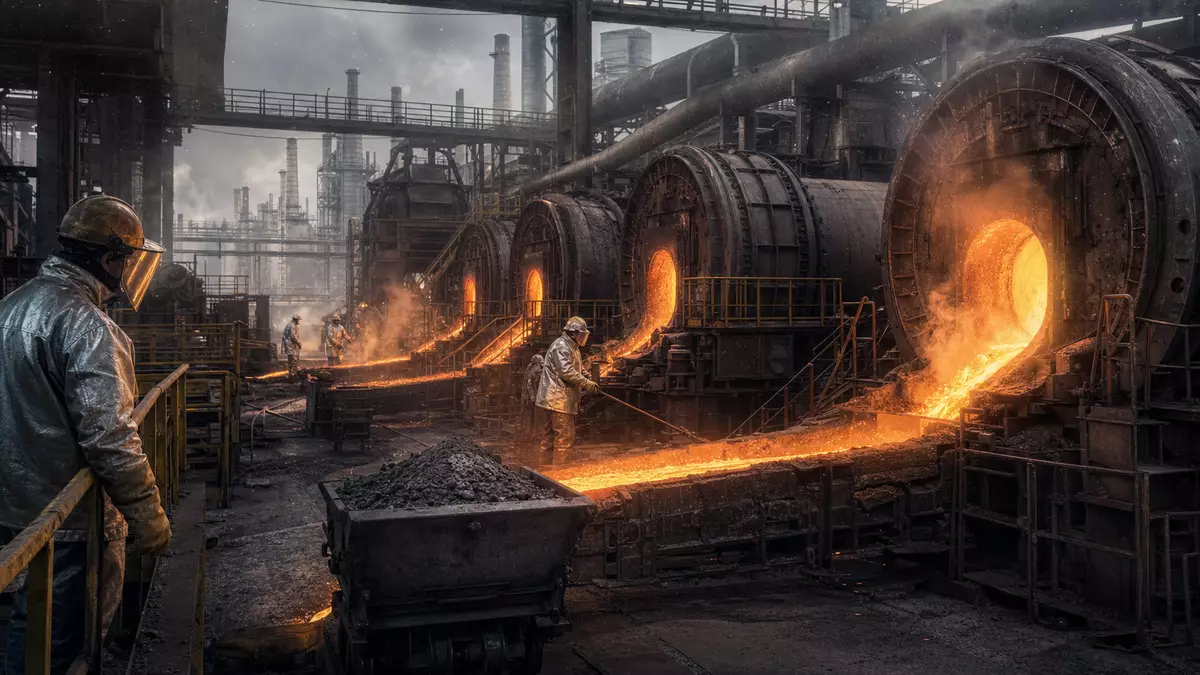
Steel dust segment as representative product
Befesa’s steel dust recycling segment is a representative product line that encapsulates the company’s core value proposition to industrial customers. The segment processes steel dust collected from production facilities, treating it in specialized plants to recover zinc and other valuable metals. This recycled output can re-enter the industrial value chain, while the hazardous components of the waste are neutralized in an environmentally compliant manner.
From a business perspective, the steel dust segment generates revenue through treatment fees and recovered metal sales, with earnings driven by volume, metal prices, and operational efficiency. For customers, partnering with Befesa reduces waste-management risk and supports sustainability goals, making steel dust recycling an integral part of their production processes. The segment’s performance has a direct bearing on Befesa’s consolidated revenue and EBITDA, and its evolution over time is one of the central factors that investors consider when analyzing Befesa stock.
Befesa stock and recent valuation levels
Befesa stock’s valuation reflects the market’s expectations about future revenue, EBITDA, and net income, as well as the company’s ability to navigate cyclical industrial conditions. The price-to-earnings ratio and enterprise value to EBITDA multiples applied to the stock vary across time, depending on reported results and outlook statements. When the company reports higher revenue and earnings compared with prior years, this can support a higher valuation range, whereas periods of softer metrics may lead the market to reprice the shares.
In the most recent reporting period, the combination of revenue growth, margin improvement, and cash flow generation provided a constructive fundamental backdrop for Befesa stock. Investors still weigh risks such as metal-price volatility, regulatory changes, and competition from other recycling and waste-management providers. Nonetheless, the company’s established position in steel dust and aluminum salt slag recycling gives it a differentiated profile within the industrial recycling space, which the market takes into account when setting valuation levels for the shares.
Further information on Befesa
Investors can find more detailed financial data, segment information, and corporate governance material in the dedicated dossier and on Befesa's Investor Relations website.
Environmental services underpin long-term demand
Befesa’s positioning as an environmental services provider is central to its long-term demand outlook. Industrial producers increasingly face regulatory and stakeholder pressure to minimize environmental impact and adopt circular-economy practices. By offering turnkey recycling solutions for steel dust and aluminum salt slags, Befesa helps these companies meet their obligations while reducing landfill use and recovering valuable materials.
This structural demand for compliant waste treatment provides Befesa with a foundation for stable or gradually growing volumes, even when broader industrial production cycles fluctuate. As the company further integrates sustainability metrics into its reporting and showcases the environmental benefits of its operations, this may also influence how investors perceive Befesa stock, potentially broadening its appeal among those focused on environmental, social, and governance factors.
Technology and process efficiency
Technology plays an important role in Befesa’s ability to maintain and improve margins. The company continuously optimizes its recycling processes, adjusting operating parameters, upgrading equipment, and enhancing environmental controls to meet evolving standards. Process innovations that increase yield, lower energy use, or reduce consumable costs can contribute directly to higher EBITDA and net income compared with prior periods, even if headline volumes remain broadly stable.
In addition, digital tools for plant monitoring and data analysis can improve uptime and maintenance planning, further supporting operational efficiency. These technological developments may not always be visible in headline financial figures, but they underpin the earnings power behind Befesa stock, helping the company manage cost pressures and maintain competitiveness in a sector where reliable, compliant service is critical.
Risks and cyclical factors
Despite its environmental focus, Befesa is not immune to cyclical risks. A downturn in steel production can reduce steel dust volumes, while weaker aluminum demand can affect salt slag generation. Metal-price declines compared with previous quarters may compress margins or require more extensive hedging, impacting EBITDA and net income. Regulatory changes, such as altered classifications of waste materials or shifts in responsibility for treatment costs, could also influence the economics of recycling projects.
Competition from other waste-management and recycling providers is another factor, although Befesa’s specialized expertise and established network give it a strong position. For investors analyzing Befesa stock, incorporating these risks into their view of revenue, earnings, and cash flow helps in assessing the resilience of the business model under different macroeconomic and regulatory scenarios. The company’s historical track record of navigating such conditions provides one reference point for how it may respond to future challenges.
Management and strategic priorities
Befesa’s management team guides the strategic priorities that shape future revenue growth and earnings. Key focus areas include expanding capacity in attractive regions, enhancing environmental performance, and optimizing the portfolio of recycling services offered to industrial clients. The team also oversees capital allocation decisions, balancing investment in new projects with debt management and potential shareholder distributions such as dividends.
Strategic initiatives may involve entering new markets where regulatory changes create demand for advanced recycling solutions, or deepening relationships with existing customers through long-term contracts. Effective execution of these priorities can influence the trajectory of revenue, EBITDA, and net income over time, thereby affecting the valuation and performance of Befesa stock. Investors therefore pay attention not only to historical financial metrics but also to management’s vision and the milestones achieved in implementing it.
Sector peers and competitive positioning
Within the broader industrial recycling and environmental services sector, Befesa competes with companies that offer waste-management, metal recycling, and hazardous-material treatment solutions. Its specialization in steel dust and aluminum salt slag recycling gives it a distinctive niche compared with more generalist waste-management firms. This specialization allows Befesa to tailor its plants and processes to specific waste streams, enhancing efficiency and compliance.
When benchmarking Befesa stock against sector peers, investors may look at metrics such as revenue growth, EBITDA margins, and leverage ratios, as well as qualitative factors like regulatory exposure and customer concentration. The company’s ability to maintain or improve these metrics relative to competitors can affect its valuation multiples and market perception. Over recent years, Befesa’s performance in revenue and earnings has demonstrated the viability of its focused model in a changing regulatory and industrial landscape.
Long-term outlook for Befesa stock
The long-term outlook for Befesa stock is tied to global trends in steel and aluminum production, environmental regulation, and circular-economy policies. As economies invest in infrastructure, transport, and manufacturing, demand for steel and aluminum is likely to persist, generating the waste streams that Befesa’s plants are designed to treat. Policymakers’ emphasis on sustainable industrial practices, including mandatory recycling and reduced landfill use, reinforces the structural case for specialized recyclers like Befesa.
At the same time, technological innovation, competitive dynamics, and macroeconomic cycles will shape actual revenue and earnings outcomes in future years. The company’s capacity to adapt its operations, maintain financial resilience, and invest in growth projects will be central to how its reported metrics evolve compared with current levels. For investors, following developments in these areas will remain important for understanding the changing fundamentals behind Befesa stock.
Befesa key data
- Company: Befesa S.A.
- ISIN: LU1704650164
- Ticker: XETRA: BFSA
- Trading venue: Xetra
- Sector / Industry: Materials / Environmental services and recycling
- Index membership: MDAX
Disclaimer regarding our articles: No investment advice, no buy or sell recommendation. Information on prices, companies, and markets is provided without guarantee; changes are possible at any time. Stock market transactions can lead to substantial losses. Our articles are created and reviewed in whole or in part automatically with the support of AI.