BASF’s Zhanjiang Spotlight and CoreShift Overhaul Come as Buyback Safety Net Vanishes
Published on 06/05/2026 at 17:37 | Redaktion boerse-global.de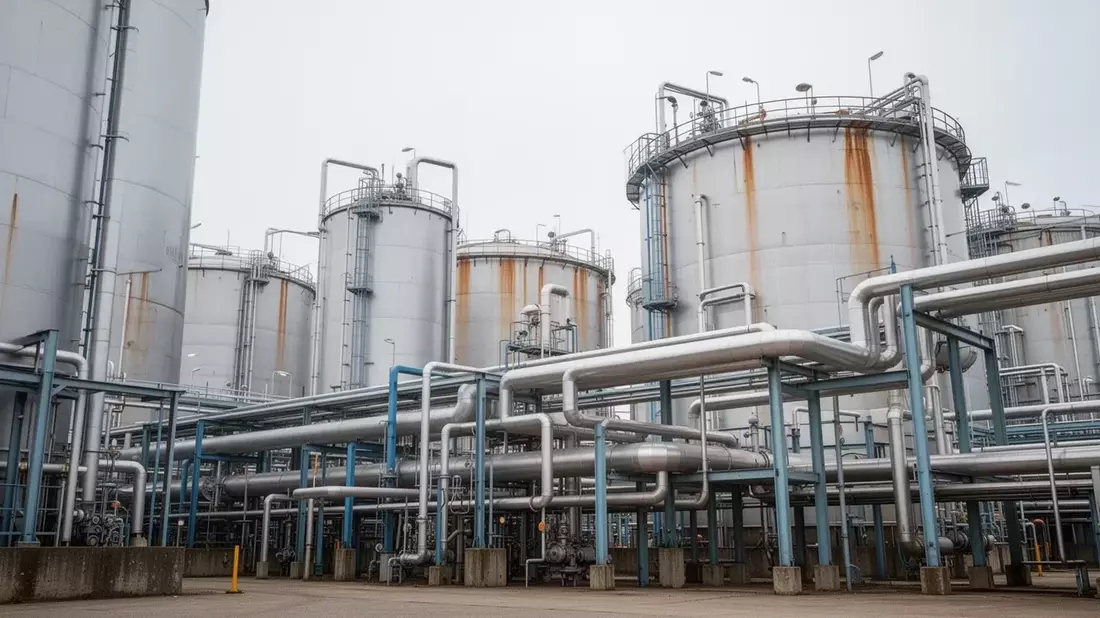
The end of BASF’s €1.5bn share repurchase programme later this month removes a cushion that has artificially supported earnings per share, forcing the chemicals giant to rely entirely on its underlying operations. In response, management is rolling out two distinct but complementary strategic levers: a deep cost-cutting drive in Europe and a high-stakes expansion in China. Both will be put under the microscope in the coming weeks.
Under the banner of “CoreShift”, the company aims to slash cash-effective fixed costs in its core businesses by up to 20% by 2029. Julia Raquet is spearheading the programme, which includes global standardisation of IT systems and greater deployment of artificial intelligence. CEO Markus Kamieth has also flagged further job reductions, though concrete targets have yet to be negotiated with labour representatives. As part of the same clean-up, BASF is divesting its silicates operations around Düsseldorf to US-based PQ. The transaction is expected to close in the second half of 2026; financial terms remain undisclosed.
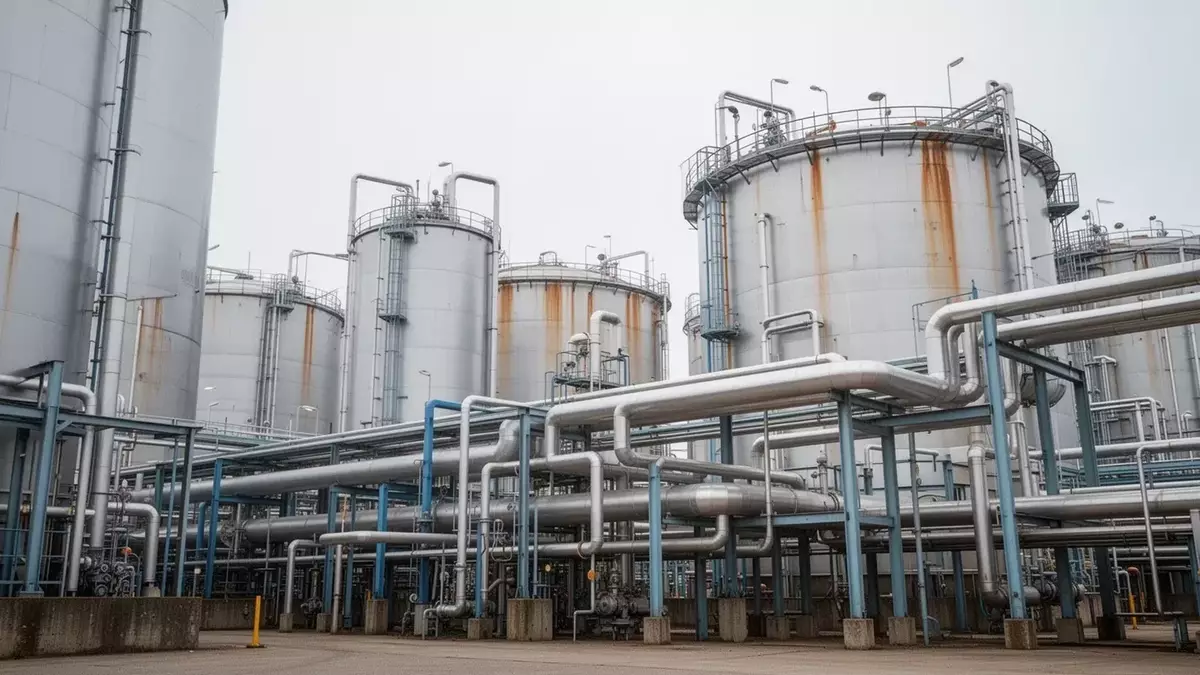
On the other side of the globe, BASF’s development in southern China takes centre stage on Monday 8 June with a “Virtual Deep Dive” for investors. The Zhanjiang Verbund site, inaugurated in March on time and under budget, represents the company’s largest single investment ever at €8.7bn. During the presentation, management is expected to outline operational milestones for the ramp-up phase. The urgency is clear: BASF forecasts that around 75% of global chemicals growth will come from China by 2035, yet the country currently accounts for only about 13% of group sales. To close that gap, the company is also exhibiting for the first time at the China International Petrochemical Technology and Equipment Exhibition in Shanghai from 9 June, showcasing catalysts, adsorbents and decarbonisation solutions tailored to local demand in mobility, electronics and consumer goods. This “local-for-local” strategy — producing and developing in China for the Chinese market — underpins the entire Zhanjiang bet.
Should investors sell immediately? Or is it worth buying BASF?
The scheduled expiry of the buyback programme at the end of June adds pressure. By the end of May, BASF had already bought back and retired more than 27.8 million of its own shares, using up most of the €1.5bn envelope. The share reduction has provided a technical lift to earnings per share, but without that support the stock will have to reflect pure operational progress.
The equity is currently trading at around €51, a level that has held relatively steady. The primary article cited €51.04 with a daily gain of 0.93%; the secondary article noted €51.22. Either way, the shares have risen roughly 22% year-to-date in one account and over 14% in the other — both comfortably above the 200-day moving average. The relative strength index at 45.9 points to a neutral market stance. Despite the challenging backdrop, BASF has maintained its 2026 earnings guidance of €6.2bn to €7.0bn in operating profit. The German Chemical Industry Association continues to warn about high energy costs and excessive bureaucracy, and it expects a slight decline in domestic chemicals production this year.
The next major milestone for investors will be the quarterly report in July, which will reveal whether CoreShift’s initial cost measures are already hitting the bottom line. But the real test lies in the credibility of the Zhanjiang ramp-up curve: if management can back its bold China growth targets with tangible interim steps, the stock may find a firmer footing once the buyback safety net is gone.
Ad
BASF Stock: New Analysis - 5 June
Fresh BASF information released. What's the impact for investors? Our latest independent report examines recent figures and market trends.
Disclaimer regarding our articles: No investment advice, no buy or sell recommendation. Information on prices, companies, and markets is provided without guarantee; changes are possible at any time. Stock market transactions can lead to substantial losses. Our articles are created and reviewed in whole or in part automatically with the support of AI.