Ball stock trades steadily as investors weigh aluminum packaging growth and recent earnings trends
Published on 07/21/2026 at 03:05 | Editorial responsibility: Rafael Müller, Editor-in-Chief AD HOC NEWS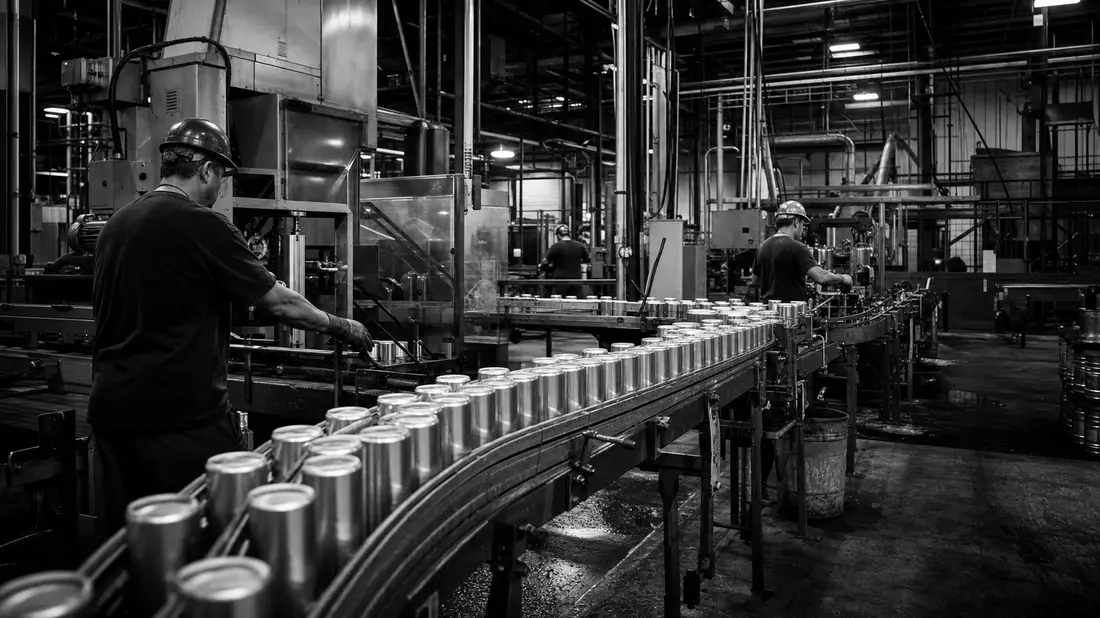
Ball Corp. (ISIN US05722G1004) is one of the world's largest suppliers of aluminum beverage cans, and Ball stock continues to reflect the group's steady packaging demand and evolving earnings profile. In its most recent reported full fiscal year, Ball generated several billion dollars of revenue and continued to invest in can-making capacity worldwide, while also working to reduce leverage and improve operating margins. Investors closely track these fundamentals because they set the context for future returns from Ball stock and frame expectations for the next set of quarterly and annual results.
Revenue scale and margin trends
In its latest full-year reporting period, Ball reported total consolidated revenue in the high single-digit billions of dollars, underlining the scale of its global packaging operations across North America, South America, Europe, and other regions. This revenue base is driven largely by aluminum beverage packaging, where Ball supplies cans for soft drinks, beer, energy drinks, and other beverages to major brand owners. The company also has exposure to other metal packaging and specialty formats, but beverage cans remain the core driver of revenue and operating earnings.
Over recent years, Ball has focused on improving operating margins by optimizing plant utilization and shifting more volume into specialty can formats and sizes that carry higher unit profitability. While exact segment margin percentages vary by region and year, the strategic emphasis has been on lifting earnings before interest and taxes relative to sales and keeping capital expenditures aligned with demand growth so that return-on-invested-capital metrics remain attractive. Investors in Ball stock pay particular attention to margin progression in the North American and European beverage packaging segments because these markets represent a large share of the company's consolidated earnings.
Debt, cash flow, and leverage considerations
Ball has historically used a mix of equity and debt to fund acquisitions, capacity expansion, and share repurchases, leaving the company with a meaningful level of gross and net debt on its balance sheet. Management has stated in past communications that reducing leverage over time is a priority, with an eye toward keeping net debt to EBITDA ratios within a range considered prudent for a packaging company with relatively stable, contract-based demand. Strong cash generation from operations, after working capital and capital expenditures, supports this deleveraging effort and is also a key input for dividend capacity and any future share repurchase activity.
For investors analyzing Ball stock, the interplay between earnings, cash flow, and leverage is central. If revenue and operating income grow steadily while capital spending remains disciplined, free cash flow can support both debt reduction and shareholder returns. Conversely, if demand volatility or cost pressures compress margins, debt metrics can become more of a focus. Ball's ability to pass through metal cost changes via contractual mechanisms with customers helps to stabilize gross margins, but operating leverage and plant utilization still matter for profitability.
Aluminum can demand and sustainability positioning
Ball's core business in aluminum beverage cans is supported by secular trends toward more sustainable packaging and high recycling rates for aluminum. Aluminum cans are widely recycled, and in many markets they have higher recycling rates than some alternative packaging formats. This supports Ball's positioning with beverage companies that seek to improve the sustainability profile of their products and packaging. In turn, sustained demand for aluminum cans underpins Ball's plant network, order book, and earnings outlook.
The company has highlighted investment in lightweighting, new can sizes, and specialty finishes that help beverage brands differentiate on store shelves. These innovations can support higher unit margins, and Ball has invested in lines capable of running such formats. As consumers and regulators continue to focus on recyclability and circular economy principles, Ball's role as a large-scale producer of recyclable aluminum packaging may remain a central part of its long-term strategy.
Regional operations and segment dynamics
Ball operates major beverage packaging segments in North America, South America, and Europe, each with its own demand patterns and competitive landscape. North America typically represents a substantial share of consolidated revenue, with long-term supply relationships with major beverage companies. South America and Europe also contribute meaningfully, with regional growth and currency dynamics influencing reported results. When investors look at Ball stock, they consider how each region contributes to consolidated earnings and where the company might see above-average growth or margin expansion.
In addition to beverage cans, Ball has historically had operations in other packaging and specialty businesses, though the strategic focus in recent years has increasingly centered on beverage packaging where the company sees strong long-term demand trends. Segment reporting allows investors to track performance across geographies and businesses, helping them evaluate where capital is being deployed and how returns differ by region.
Corporate strategy and capital allocation
Ball Corp. has historically pursued a strategy that combines organic capacity expansion, selective acquisitions, and disciplined capital returns to shareholders. Organic investments include adding new can lines or modernizing plants to improve efficiency and support new can formats. Acquisitions have focused on strengthening Ball's geographic footprint or product offering, while divestitures have occasionally been used to sharpen the company's focus on core beverage packaging. Capital allocation decisions, including dividends and share repurchases, are made within the context of leverage targets and free cash flow generation.
For Ball stock holders, clarity on capital allocation priorities is important. If most free cash flow is directed toward debt reduction and necessary capital expenditures, shareholder returns may come mainly through earnings growth and potentially modest dividends. If leverage is reduced and cash generation remains strong, the company may have more flexibility to return capital directly to shareholders. In each case, investors weigh the risk-return balance inherent in Ball's strategy and the stability of its end markets.
Beverage packaging product perspective
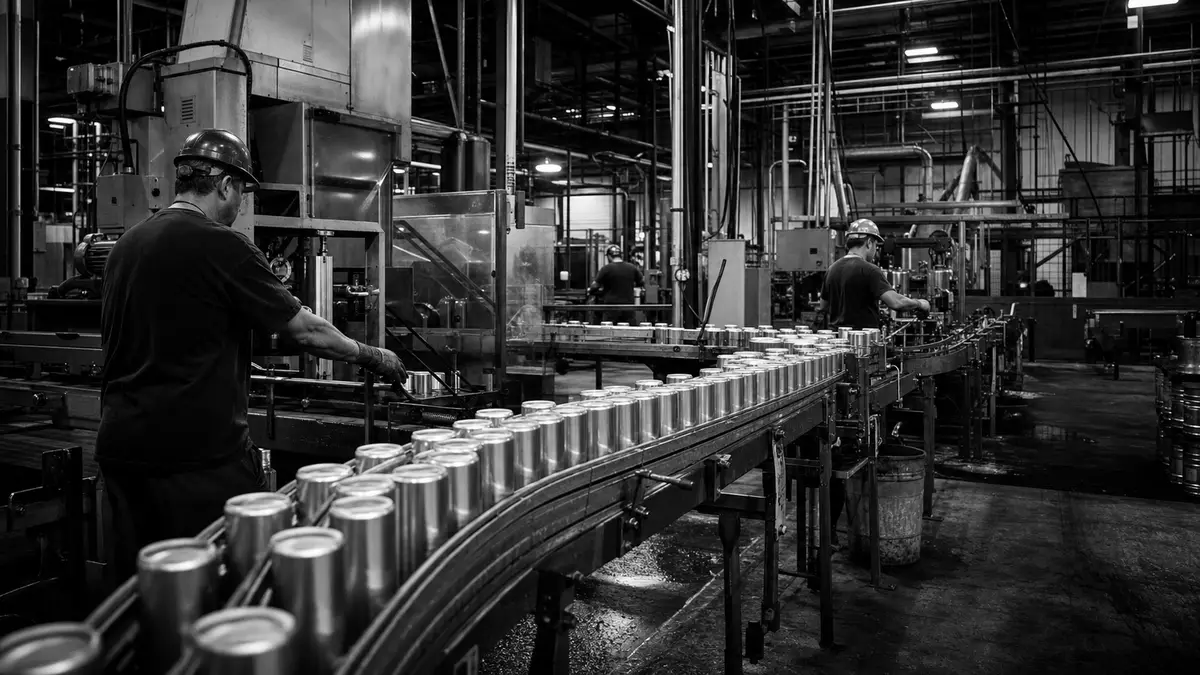
Ball's representative product is the standard and specialty aluminum beverage can, supplied to global and regional beverage brands for soft drinks, beer, energy drinks, and other categories. These cans are produced in a variety of sizes and designs, often customized for individual customers and marketing campaigns. The economics of this product depend on plant efficiency, metal costs, and contract terms, but the underlying demand is tied to beverage consumption trends and packaging preferences. Ball's ability to innovate in can design and functionality supports its relationships with major customers and underpins the long-term relevance of Ball stock as a play on beverage packaging and sustainability.
Ball stock and trading venue context
Ball stock is listed in the United States and trades in USD on a major US stock exchange. The share price reflects market expectations for Ball's future earnings, cash flow, and balance-sheet management, as well as broader equity market conditions and sector sentiment toward packaging and industrial companies. Over time, Ball's market capitalization has reflected both its revenue scale and investor views on its growth prospects and leverage profile. Changes in the share price can be influenced by quarterly earnings updates, guidance changes, major capacity announcements, or sector-wide moves related to commodity costs and demand visibility.
For investors, the relationship between earnings trends and valuation multiples applied to Ball stock is a key consideration. If earnings grow and leverage declines, the stock could potentially warrant a higher valuation multiple, whereas earnings pressure or rising debt might lead investors to apply more cautious valuation assumptions. As Ball continues to operate in a global packaging market with steady underlying demand, the trajectory of its financial metrics and capital allocation choices will remain central to how Ball stock trades over time.
Ball Corp. key facts
- Company: Ball Corp.
- ISIN: US05722G1004
- Trading venue: US stock exchange
- Sector / Industry: Packaging and containers, industrials
- Index membership: Major US equity index exposure via sector benchmarks
Disclaimer regarding our articles: No investment advice, no buy or sell recommendation. Information on prices, companies, and markets is provided without guarantee; changes are possible at any time. Stock market transactions can lead to substantial losses. Our articles are created and reviewed in whole or in part automatically with the support of AI.