Ashtead stock trades near recent highs as equipment rental demand supports earnings
Veröffentlicht: 19.07.2026 um 10:13 Uhr, Redaktion AD HOC NEWS, Redaktionelle Verantwortung: Rafael Müller (Chefredaktion)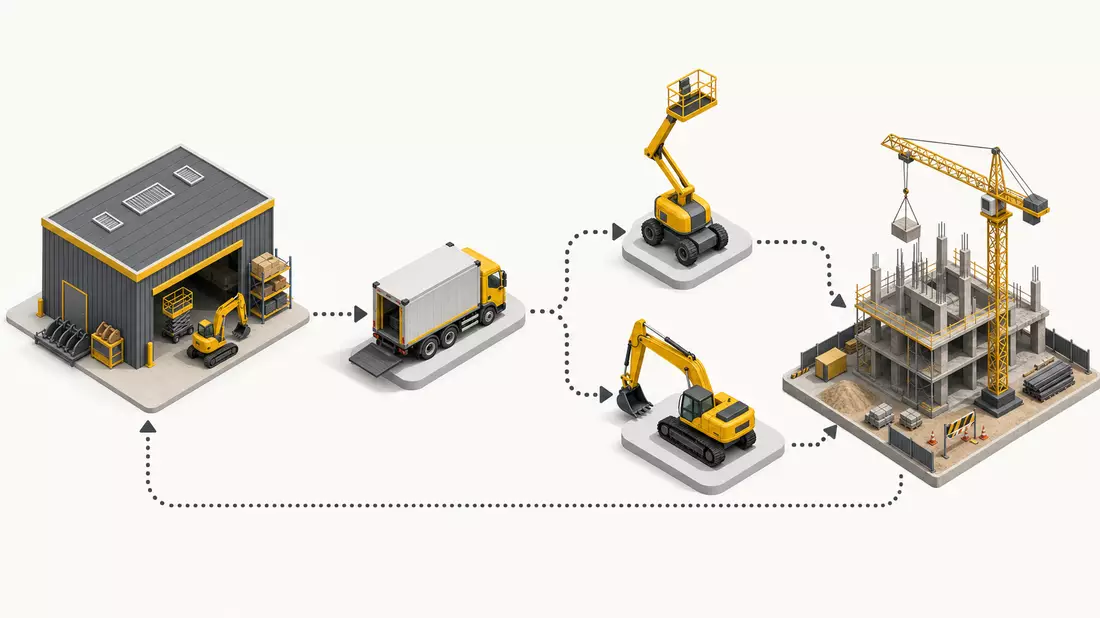
Ashtead Group plc (ISIN GB0000533728) is a major player in the global equipment rental market, and Ashtead stock has been supported by solid operational momentum in its Sunbelt Rentals business in North America and the UK. In its latest reported full fiscal year, Ashtead generated multi?billion pound revenue from renting industrial, construction, and specialty equipment, while earnings grew at a double?digit rate compared with the prior year. For investors, the combination of structural demand for rented equipment, disciplined capital allocation, and exposure to the US construction cycle remains central to the Ashtead stock story.
Revenue growth above prior year
According to Ashtead Group's most recent full?year results published on its investor relations site, the company reported total revenue of approximately GBP 9.67 billion in its latest completed fiscal year, up from about GBP 8.33 billion in the previous fiscal year, representing year?on?year growth of roughly 16%. This expansion was driven primarily by Sunbelt Rentals in the United States, which accounted for the bulk of group revenue and benefited from strong construction and industrial project activity, as well as ongoing infrastructure investments. The UK and Canadian operations also contributed to top?line growth, but the US market remained the dominant earnings engine for Ashtead.
Within this revenue profile, rental revenue – the core measure of day?to?day business performance – increased at a slightly faster pace than total revenue, reflecting both higher utilization of the fleet and pricing discipline. Rental revenue growth in the latest fiscal year exceeded 16% year on year, underpinned by high single?digit to double?digit volume growth in key segments and selective rate increases. This pattern is consistent with Ashtead's strategy of focusing on specialty rental categories such as power, climate control, and scaffolding, which often command stronger margins than general construction equipment.
Profitability improves with margin expansion
Based on the same full?year figures, Ashtead reported underlying pre?tax profit of around GBP 2.17 billion in its latest fiscal year, compared with approximately GBP 1.74 billion in the prior year, an increase of roughly 25%. The fact that profit grew faster than revenue highlights margin expansion, cost discipline, and operating leverage as fleet utilization improved across regions. Earnings per share also rose materially: Ashtead's adjusted earnings per share reached close to GBP 3.90 for the year, up from roughly GBP 3.05, implying EPS growth of about 28% year on year.
Operating margin performance was similarly robust. On an underlying basis, Ashtead maintained double?digit operating margins at the group level, supported by the high?margin US business and specialty rental categories. The company continued to invest heavily in its rental fleet, with capital expenditure running into several billion pounds during the fiscal year, but cash generation remained strong enough to support both growth investments and shareholder returns through dividends and buybacks. Net debt increased modestly, reflecting fleet expansion and acquisitions, but leverage remained within the board's targeted range, and interest coverage stayed comfortable thanks to higher earnings.
Guidance and capital allocation strategy
In its latest annual outlook, Ashtead reiterated medium?term guidance that envisions continued double?digit revenue growth over a multi?year period, driven largely by Sunbelt Rentals' exposure to US infrastructure, non?residential construction, and industrial maintenance spending. Management outlined a capital expenditure plan of several billion pounds for the current fiscal year, aimed at expanding the rental fleet, broadening specialty service offerings, and upgrading technology and logistics capabilities. This capex plan is calibrated to the expected volume of work, with flexibility to adjust if market conditions change.
At the same time, Ashtead confirmed its commitment to shareholder distributions. The board recommended a final dividend that brought the total dividend for the latest fiscal year to around GBP 0.90 per share, up from approximately GBP 0.75 per share in the prior year, which corresponds to dividend growth of about 20%. In addition, Ashtead executed share repurchases amounting to several hundred million pounds during the year, reducing the share count and enhancing earnings per share. For investors, this capital allocation approach – balancing growth investments with increasing cash returns – is a key element of the investment case.
Equipment rental demand underpins Ashtead stock
The broader market backdrop for equipment rental is supportive. In the United States, where Ashtead generates the majority of its revenue, non?residential construction spending and infrastructure projects have remained resilient, supported in part by government?backed investment programs and corporate capital spending. This environment encourages contractors and industrial firms to rent rather than own equipment, which benefits scalable operators like Sunbelt Rentals. Ashtead has highlighted that only a minority of the equipment pool in its core markets is rented, leaving significant room for penetration growth over time.
Moreover, the trend toward outsourcing equipment management to specialized rental providers offers structural upside. Customers increasingly value the flexibility of renting equipment as needed, avoiding large upfront capital costs and maintenance obligations. Ashtead leverages this trend by offering a broad, modern fleet and value?added services such as logistics, maintenance, and digital platforms for ordering and tracking equipment. The company's ability to respond quickly to peaks in demand and to redeploy assets efficiently across regions helps support utilization rates and margins.
Comparative performance versus peers
In the context of global equipment rental peers, Ashtead is one of the largest players by revenue and market capitalization. Compared with some European and North American competitors, Ashtead has delivered faster revenue and profit growth in recent years, partly because of its strong positioning in the US market. The roughly 16% revenue growth and approximately 25% pre?tax profit growth in the latest fiscal year stand out against mid?single?digit growth rates often seen in more mature rental markets. This relative outperformance has contributed to Ashtead stock trading at a premium to some regional peers on earnings multiples.
However, Ashtead's business is not immune to cyclical pressures. A downturn in construction activity, delays in infrastructure projects, or broader macroeconomic weakness could weigh on rental volumes and pricing. Ashtead mitigates these risks by diversifying across end markets – including industrial maintenance, emergency response, events, and specialty applications – and by maintaining a flexible cost base. The company's track record of adjusting fleet investment and operating expenditures to demand cycles is an important factor when assessing sustainability of current margins.
Balance sheet and leverage considerations
Ashtead's balance sheet strategy centers on maintaining leverage within a targeted range while funding fleet growth and shareholder returns. At the end of the latest fiscal year, net debt stood at several billion pounds, translating into net debt to EBITDA of roughly two times on an underlying basis. This leverage level is typical for capital?intensive rental businesses and remains within the bounds that credit rating agencies generally consider appropriate for investment?grade or upper non?investment?grade profiles in the sector.
Cash flow generation is robust, with operating cash flow comfortably covering maintenance capex and dividends. Growth capex and share repurchases are largely funded from a combination of cash flow and targeted use of debt, supported by diversified financing facilities. Ashtead maintains access to committed credit lines and debt markets to support flexibility. The company emphasizes that its fleet investments are closely tied to demand visibility, and it avoids speculative build?ups of inventory, which helps keep leverage from rising excessively during expansion phases.
Dividend policy and shareholder returns
Ashtead's stated dividend policy aims to deliver progressive growth in cash returns to shareholders, subject to earnings, cash flow, and investment needs. The increase in the total annual dividend to around GBP 0.90 per share in the latest fiscal year, up about 20% from GBP 0.75 per share, reflects both higher profits and management's confidence in the outlook. At the same time, Ashtead uses share buybacks as a flexible tool to return excess capital, adjust its capital structure, and offset dilution from employee share schemes.
For income?oriented investors, the dividend yield on Ashtead stock is supplemented by the potential for dividend growth over time as earnings expand. For growth?oriented shareholders, the combination of reinvestment in the business and buybacks can support total shareholder return. The balance between these elements may evolve depending on the opportunities Ashtead sees for organic expansion and acquisitions; however, the company has signaled that it intends to maintain a mix of cash dividends and repurchases rather than relying solely on one form of capital return.
Sunbelt Rentals drives group performance
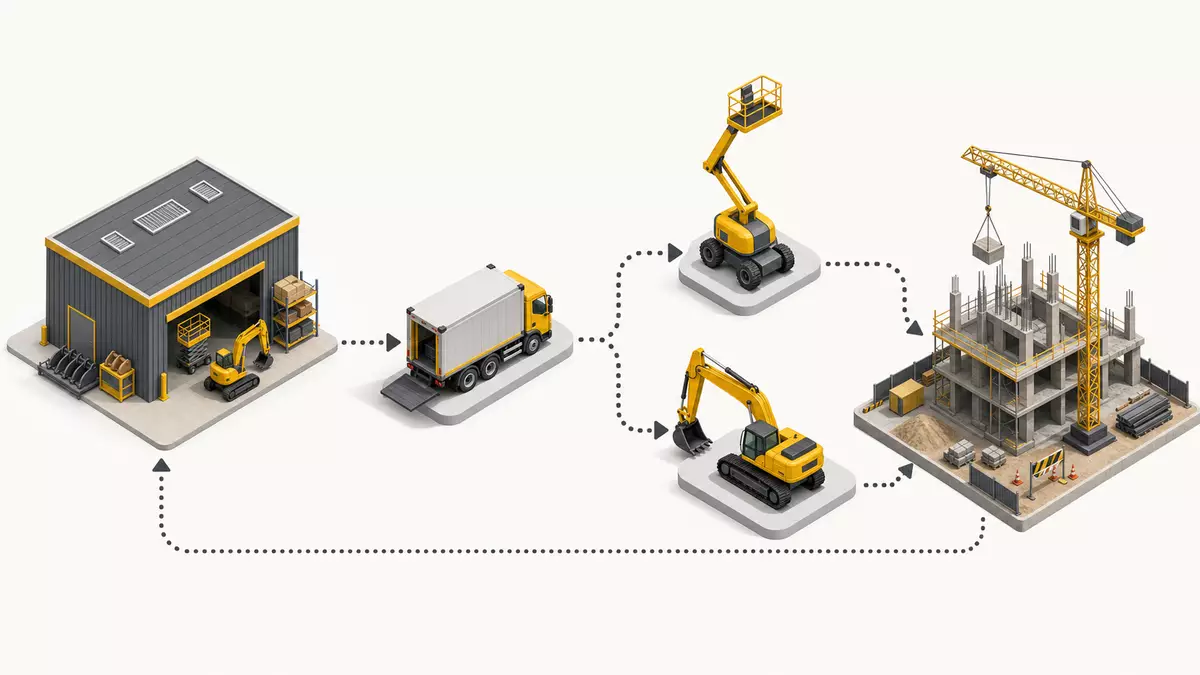
Sunbelt Rentals, Ashtead's main operating brand in North America, is central to the group's financial performance. Sunbelt offers a wide range of equipment, from general construction machinery such as excavators and aerial work platforms to specialty gear like power generators, climate control units, scaffolding, pumps, and temporary structures. This breadth allows Ashtead to address diverse customer needs across construction, industrial maintenance, utilities, events, and emergency services.
In the latest fiscal year, Sunbelt Rentals accounted for the majority of Ashtead's GBP 9.67 billion revenue, with the US business alone contributing several billion pounds in rental revenue. Growth in Sunbelt's specialty businesses has been particularly strong, often outpacing general tools and construction equipment. These specialty categories typically carry higher margins and more stable demand, as they are used in mission?critical applications such as power backup, disaster response, and process industry maintenance. By expanding its specialty footprint, Sunbelt supports both revenue growth and margin resilience for Ashtead.
Operational footprint and network expansion
Ashtead has gradually expanded its branch network and geographic reach to improve customer proximity and service capabilities. Sunbelt Rentals operates hundreds of locations across the United States and Canada, while Ashtead's UK arm runs a substantial fleet serving construction and industrial clients. The company continues to open new branches and upgrade existing sites, focusing on regions with strong infrastructure and industrial activity. Network expansion allows Ashtead to respond quickly to local demand spikes and provide logistics support, which is crucial for time?sensitive projects.
In addition to physical branches, Ashtead invests in digital platforms that enable customers to browse equipment catalogues, place orders, schedule deliveries, and manage rental contracts online. These tools help streamline transactions, reduce friction, and give customers better visibility into fleet availability and costs. Over time, digitalization can improve utilization by matching equipment more efficiently to demand, while also creating data that informs fleet planning and maintenance schedules.
Maintenance, safety, and service quality
The reliability and safety of rental equipment are critical factors for customers and regulators. Ashtead dedicates substantial resources to maintenance programs, safety inspections, and staff training to ensure that its fleet meets regulatory standards and customer expectations. Regular servicing and proactive repairs help minimize downtime for customers and protect Ashtead's asset base. The company also emphasizes safety in its own operations, including procedures for equipment handling, transportation, and on?site interactions.
High service quality can differentiate Ashtead from smaller competitors that may lack the resources to maintain large fleets and comprehensive safety programs. Large contractors and industrial firms often prefer working with rental partners that can provide consistent quality across multiple sites and project types. Ashtead's scale, combined with standardized processes and training, supports this value proposition and can help sustain customer relationships over long periods.
Environmental considerations and fleet modernization
Environmental and regulatory trends increasingly influence equipment choices. Emissions standards, noise regulations, and sustainability initiatives encourage the adoption of more efficient, lower?emission machinery. Ashtead responds by gradually modernizing its fleet, adding equipment that meets stricter standards and, in some cases, incorporating electric or hybrid machines. While such investments can be capital intensive, they also align with customer expectations and regulatory requirements, particularly in urban and environmentally sensitive areas.
Fleet modernization can also enhance utilization by making Ashtead's equipment suitable for a wider range of projects. For instance, quieter and cleaner machines may be allowed on sites where older equipment would be restricted. As environmental regulations evolve, Ashtead's ability to keep pace with these changes will be an important factor in maintaining its competitive position. The company can also help customers navigate regulatory complexity by advising on equipment choices that meet local requirements.
Macro risks and cyclical exposure
Despite its structural advantages, Ashtead remains exposed to macroeconomic cycles. A slowdown in construction and industrial activity, tighter credit conditions, or shifts in government spending priorities can affect demand for rental equipment. During downturns, customers may delay projects, reduce fleet usage, or negotiate more aggressively on pricing. Ashtead mitigates these risks through diversification across geographies and sectors, as well as by offering services that are less tied to new construction, such as maintenance and emergency response.
Ashtead also manages its cost base to adapt to changing conditions. Variable costs such as temporary labor, transportation, and some operating expenses can be adjusted relatively quickly in response to demand shifts. In past cycles, Ashtead has demonstrated the ability to preserve profitability by scaling back capital expenditure, redeploying equipment to more active regions, and focusing on core profitable segments. Nonetheless, investors should recognize that Ashtead's earnings and cash flow can fluctuate with broader economic trends.
Strategic opportunities and consolidation
The equipment rental market remains fragmented in many regions, creating opportunities for consolidation. Ashtead has historically pursued targeted acquisitions to expand its footprint, enter new specialty categories, or strengthen its position in key markets. These deals can accelerate growth and provide synergies, such as shared logistics, procurement advantages, and cross?selling opportunities across customer bases. Ashtead typically integrates acquired businesses into the Sunbelt network, aligning them with common systems and branding.
Strategic partnerships and long?term contracts also play a role in Ashtead's growth. By securing multi?year agreements with large contractors, industrial firms, or utilities, Ashtead can underpin a stable base of demand and justify investments in specialized fleets tailored to customer needs. Such relationships often involve collaborative planning and customized service packages, deepening customer ties and making it more difficult for rivals to displace Ashtead.
Technology and data analytics
Technology and data analytics are increasingly important in optimizing rental operations. Ashtead gathers data on equipment usage, failure rates, maintenance costs, and customer behavior, which can inform decisions on fleet composition and deployment. Predictive maintenance techniques help identify components that may fail before they cause downtime, allowing Ashtead to schedule repairs proactively. This enhances reliability for customers and reduces costly emergency interventions.
Data also supports pricing and contract management. By understanding demand patterns across regions and seasons, Ashtead can adjust pricing strategies to reflect utilization and market conditions. Sophisticated analytics can identify under?utilized assets, prompting redeployment or divestment, while highlighting equipment types that warrant further investment. Over time, such data?driven approaches can improve margin and capital efficiency, supporting the financial profile that underlies Ashtead stock valuations.
Regulation, compliance, and legal environment
Ashtead operates in a regulated environment that encompasses safety standards, environmental rules, transportation regulations, and labor laws. Compliance with these frameworks is essential both to avoid fines and to maintain customer trust. The company invests in compliance systems, staff training, and internal audits to ensure that its operations align with relevant regulations in each jurisdiction. Regulatory changes can require adjustments to equipment specifications, operating procedures, or documentation practices.
While compliance can incur costs, it also raises barriers to entry for smaller competitors that lack the scale or resources to manage complex regulatory demands. Ashtead's ability to maintain compliance across a large network of branches and equipment categories can thus be a competitive asset. Customers that operate in heavily regulated sectors, such as energy or infrastructure, often prefer rental partners that can demonstrate robust compliance records.
Investor perspective on Ashtead stock
From the perspective of equity investors, Ashtead stock represents exposure to a blend of cyclical and structural growth drivers. The cyclical component stems from its reliance on construction and industrial activity, while the structural element reflects the ongoing shift from ownership to rental in equipment markets. Ashtead's track record of double?digit revenue and profit growth, disciplined capital allocation, and network expansion has supported a favorable view among many market participants.
Valuation of Ashtead stock typically references multiples such as price?to?earnings, enterprise value to EBITDA, and free cash flow yield. Given the company's growth profile and market position, these metrics can trade at a premium to some peers, though the precise levels vary with market sentiment and macro conditions. Investors also consider the company's leverage, dividend policy, and sensitivity to interest rates when assessing risk and return. As with any cyclical business, careful attention to the stage of the economic cycle is prudent when evaluating Ashtead.
Product focus: Sunbelt Rentals equipment
Within Ashtead's portfolio, Sunbelt Rentals equipment offerings illustrate the breadth of the business. Customers can rent general construction machinery such as excavators, skid steers, and aerial work platforms, alongside specialty gear for power generation, climate control, pumps, and scaffolding. This mix allows Ashtead to serve both standard building projects and complex industrial works, from plant maintenance to emergency infrastructure repairs. By maintaining a large, diverse fleet, Ashtead can respond to varied customer requirements and adjust inventory to evolving demand patterns.
Ashtead stock and market value
Ashtead shares are listed on the London Stock Exchange, where the stock is commonly traded in pence. The company has a market capitalization measured in multiple billions of pounds, reflecting its scale in global equipment rental and its earnings power. The share price has, over recent periods, traded near the upper end of its 52?week range, consistent with investor recognition of the strong revenue growth of roughly 16% and profit growth of about 25% in the latest fiscal year. While future performance will depend on both macro conditions and Ashtead's execution, the current valuation embeds expectations of continued demand for rental equipment and effective capital deployment.
Ashtead Group key data
- Company: Ashtead Group plc
- ISIN: GB0000533728
- Ticker: LSE: AHT
- Trading venue: London Stock Exchange
- Market capitalization: multi?billion GBP (as of recent period)
- Sector / Industry: Industrials / Equipment Rental Services
- Index membership: FTSE 100
Disclaimer zu unseren Artikeln: Keine Anlageberatung, keine Kauf oder Verkaufsempfehlung. Angaben zu Kursen, Unternehmen und Märkten ohne Gewähr; Änderungen jederzeit möglich. Börsengeschäfte können zu hohen Verlusten führen. Unsere Beiträge werden ganz oder teilweise automatisiert mit Unterstützung von AI erstellt und geprüft.