Albert Heijn Bonuskaart by Ahold Delhaize - Dutch loyalty card goes fully digital
Veröffentlicht: 15.07.2026 um 17:29 Uhr, Redaktion AD HOC NEWS, Redaktionelle Verantwortung: Rafael Müller (Chefredaktion)
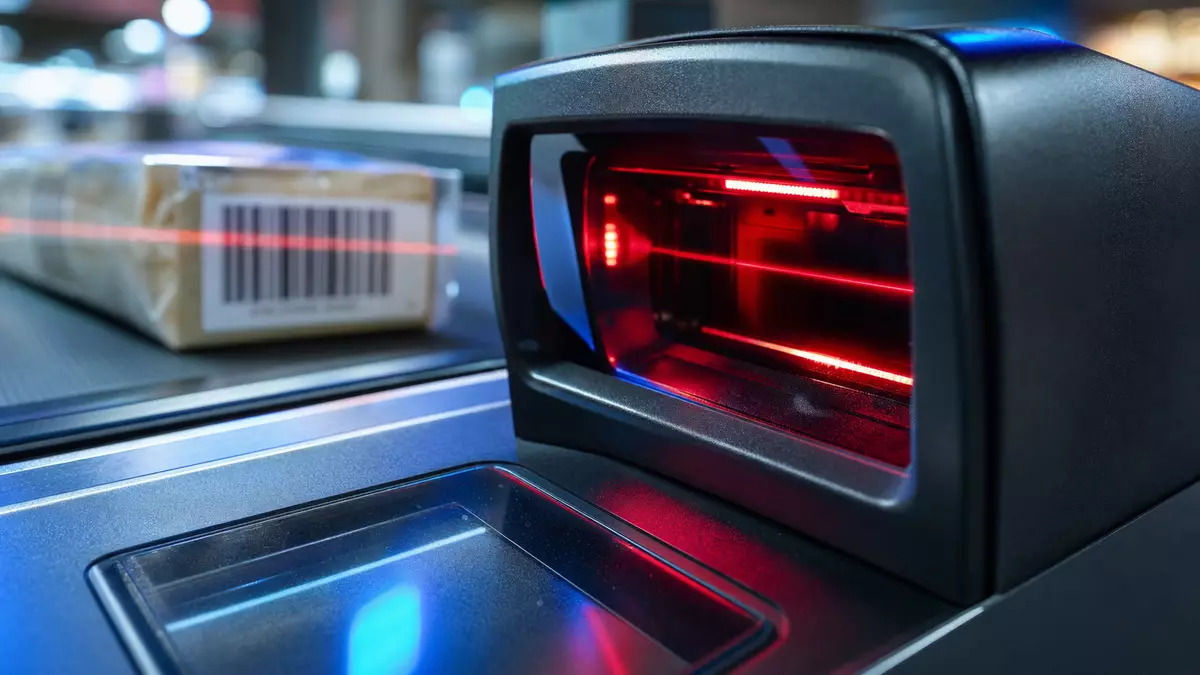
Albert Heijn Bonuskaart is the small blue card you see dangling from keychains at Dutch checkout lanes, edges worn smooth from years of swiping. The same barcode now flashes on phones, glowing under self-scan terminals as shoppers bag strawberries and fresh bread.
How the Bonuskaart works
Albert Heijn, the Dutch supermarket brand of Koninklijke Ahold Delhaize N.V., positions the Bonuskaart as its central loyalty instrument for collecting discounts and tailoring offers to individual customers. The card links to a shopper profile that stores preferences, purchase history, and savings. Shoppers can use a physical card or a digital version in the Albert Heijn app, both tied to the same account.
On the official Albert Heijn Bonus page, the retailer explains that customers need a Bonuskaart to access “Bonusaanbiedingen” – weekly discount deals clearly marked on shelves and in the app. Once activated, the card connects with the user’s email address or Mijn Albert Heijn account, enabling personalized promotions and savings on recurring purchases such as coffee, dairy, and household items. At the till, scanning the Bonuskaart immediately recalculates prices.
Koninklijke Ahold Delhaize N.V. and its Bonuskaart strategy
How the Albert Heijn Bonuskaart feeds into loyalty-driven revenue at the parent group level.
From plastic card to app barcode
Albert Heijn introduced the Bonuskaart in the 1990s as a physical loyalty card that customers could pick up in stores, fill out with a paper form, and register to access extra discounts. Over time, the program expanded to digital formats, and today most Dutch consumers can activate the card through the Albert Heijn app or via the website. The design evolved from a simple blue card to keychain-sized formats and, later, to an embedded barcode in smartphones.
In the current implementation, the Bonuskaart appears inside the Albert Heijn app as a scannable code for self-scanning, regular tills and online grocery deliveries. Ahold Delhaize emphasizes in its digital materials that the app-based Bonuskaart ties to features such as “persoonlijke Bonus Box”, where customers choose extra offers tailored to their buying habits. When shoppers walk through the aisles in Zaandam or Rotterdam, their phones buzz with push notifications on fresh deals.
Personalized offers and data use
Personalization is where the Bonuskaart moves beyond simple stamp-card logic. Public materials from Albert Heijn describe how the card collects data on purchases to build a customer profile. The retailer then uses this information to generate individualized discounts, such as lower prices on preferred brands, and targeted promotions related to fresh produce, beverages or pet food. Customers opt in for this level of tailoring through account settings.
According to company statements, Albert Heijn uses Bonuskaart data within privacy rules set by Dutch and EU regulation, including the General Data Protection Regulation (GDPR). The retailer explains that it anonymizes and aggregates data for analytical purposes, such as assortment optimization and store layout decisions. Still, some consumer organizations in the Netherlands occasionally warn shoppers to check their privacy settings when activating the card.
Role in self-scanning and online shopping
At physical stores, the Bonuskaart sits at the heart of the self-scan experience. Supermarkets equip customers with hand scanners or app-based scanning, and each session links to a Bonuskaart account for discounts and purchase tracking. The glowing scanner screens show Bonus prices reduced in real time, often accompanied by a subtle beep when the card triggers a deal. During payment, the barcode is scanned one last time to finalize savings.
For online grocery orders through Albert Heijn’s web shop and the AH app, customers log in with their Bonus account, so loyalty benefits automatically apply. Delivery trucks that pull up in Dutch suburbs drop crates filled not just with standard groceries but also with Bonus-discounted items specifically selected by the customer. The system ensures that weekly Bonus promotions and personalized offers mirror across physical and digital channels.
CEO engagement and strategy significance
Frans Muller, CEO of Koninklijke Ahold Delhaize N.V., has repeatedly pointed to loyalty and digital customer engagement as core strategic levers in investor presentations and annual reports. In earnings calls, he describes how tools like the Albert Heijn Bonuskaart and similar programs in other banners help increase basket size and visit frequency. For retail investors, this builds a bridge between an innocuous-looking plastic card and the group’s top-line growth.
Strategically, Ahold Delhaize stresses that data-driven loyalty programs support its omnichannel model: integrating traditional supermarkets, convenience formats and online platforms like bol.com (historically within the group) and AH.nl. The Bonuskaart is a frontline instrument in this mix, especially in the Netherlands, where Albert Heijn dominates market share and competes aggressively on promotions.
Costs, margins and promotional mechanics
Promotions triggered by the Bonuskaart come at a cost. Ahold Delhaize openly discusses in its financial documents that price investments and promotional intensity can pressure gross margins. However, management argues that well-targeted discounts, informed by customer data, increase overall sales and improve category performance. The Bonuskaart thus functions as a finely tuned valve for promotional spending.
From a shopper’s perspective, the mechanics are straightforward: scan the card, watch prices drop, and occasionally receive invitations for special campaigns or savings on fresh items. Behind the scenes, pricing algorithms and category management teams adjust discounts by segment, time and region. The card is both a consumer-facing object and a technical key to dynamic pricing strategies.
Competitive landscape in Dutch grocery
The Dutch grocery market is competitive, with chains such as Jumbo and Lidl using their own promotions and loyalty tools. Albert Heijn’s Bonuskaart helps differentiate its offer by tying discounts to a recognized identity, rather than generic weekly ads. Customers often carry more than one loyalty card on their keychains, but the Bonuskaart typically commands prime position in the Netherlands due to Albert Heijn’s store density.
Industry watchers note that cross-banner synergies within Ahold Delhaize – for example, experience from loyalty programs in U.S. Food Lion or Stop & Shop – feed back into Bonuskaart improvements. Techniques such as targeted digital coupons, personalized weekly lists and tiered benefits appear across portfolios, with local nuances. The Dutch card thus sits inside a broader global ecosystem of loyalty engineering.
Technology backend and data infrastructure
Ahold Delhaize has invested heavily in data platforms and analytics capabilities housed in shared service centers and digital hubs. The Bonuskaart generates streams of transactional data, which teams of data scientists and category managers analyze for patterns and trends. Such insights inform decisions on assortment changes, private label development, and store refurbishments.
According to corporate materials, this data environment also connects to marketing automation tools, sending targeted emails or in-app notifications based on Bonuskaart usage. The experience is tangible for shoppers: standing in front of the dairy section, some receive a ping offering a small discount on the yogurt they buy every week. The tone remains practical, balancing savings with simplicity.
Privacy debates and consumer perception
Consumer associations and privacy advocates in the Netherlands occasionally scrutinize supermarket loyalty programs, including the Bonuskaart. Their main concerns revolve around the combination of detailed purchase data and personal profiles, which could reveal sensitive information. Albert Heijn responds by highlighting secure storage and controlled use of data, as described in its privacy statements.
For many shoppers, the trade-off feels manageable: they accept data collection in exchange for direct savings on everyday goods. Grocery budgets are under pressure from inflation, and the Bonuskaart gives visible relief on key basket items. The card grips softly in the hand when shoppers tap it against the counter, a small tactile reminder of the savings link.
Integration with other Albert Heijn services
The Bonuskaart intertwines with several Albert Heijn ecosystem components, including AH Miles and specific campaigns such as stamp collections for cookware or glassware. While stamps often require physical cards or booklets, the Bonuskaart acts as the anchor for trackable promotions, ensuring that digital and physical campaigns do not collide. This coordination is important for avoiding customer confusion at the checkout.
In some campaigns, Bonus discounts apply only when the card is scanned, even if customers also collect stamps or participate in lotteries. The interplay of these tools reflects Albert Heijn’s broader marketing strategy: use one consistent identifier (the Bonuskaart) while layering short-term promotions on top. Ahold Delhaize benefits from the extra analytical clarity this provides.
Revenue relevance for Ahold Delhaize
For retail investors, the Albert Heijn Bonuskaart is interesting less as a piece of plastic and more as a recurring revenue driver tied to the Dutch core business. Ahold Delhaize earns a significant share of its European revenue from the Netherlands, where Albert Heijn leads the market. Loyalty programs like the Bonuskaart support this by encouraging customers to consolidate their grocery spending at the chain.
Company filings explain that increased loyalty translates into stable cash flow and opportunities for cross-selling private label products, which generally carry higher margins than branded goods. Some equity analysts explicitly mention loyalty initiatives when assessing the group’s competitive advantages and earnings resilience. While they rarely name the Bonuskaart specifically, its mechanics underlie many of these considerations.
Stock context and market listing
Koninklijke Ahold Delhaize N.V. is listed on Euronext Amsterdam, trading in euros under the ticker AD. The Albert Heijn Bonuskaart loyalty program contributes indirectly to recurring revenue and customer retention, factors that investors often weigh when valuing Ahold Delhaize stock on the Dutch exchange.
Albert Heijn Bonuskaart key facts
- Product: Albert Heijn Bonuskaart
- Manufacturer: Koninklijke Ahold Delhaize N.V.
- Category: Accessory/Spare part (loyalty card)
- Market launch: 1990s, Netherlands
- MSRP / Price: Free for Albert Heijn customers
- Availability: Albert Heijn stores and AH app, primarily Netherlands
- Target group: Regular Albert Heijn supermarket shoppers
- Highlight / USP: Centralized loyalty ID enabling personalized grocery discounts and omnichannel tracking
Disclaimer zu unseren Artikeln: Keine Anlageberatung, keine Kauf oder Verkaufsempfehlung. Angaben zu Kursen, Unternehmen und Märkten ohne Gewähr; Änderungen jederzeit möglich. Börsengeschäfte können zu hohen Verlusten führen. Unsere Beiträge werden ganz oder teilweise automatisiert mit Unterstützung von AI erstellt und geprüft.