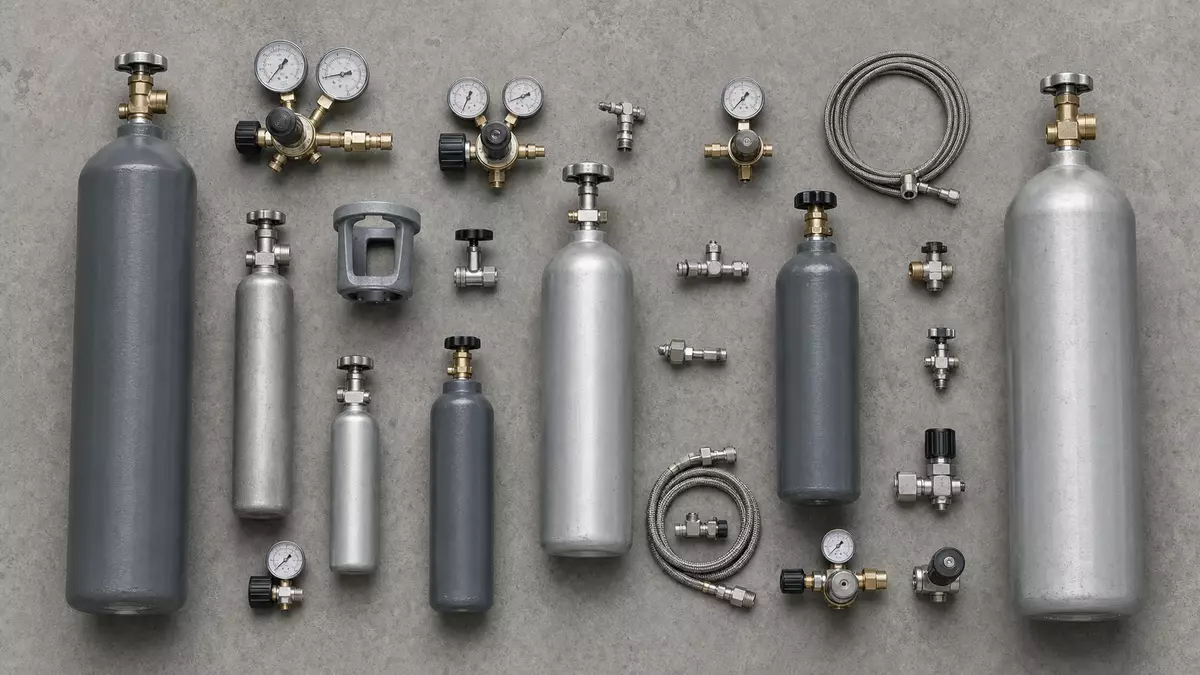
Air Liquide stock trades steadily as healthcare and industrial gas demand supports growth
Veröffentlicht: 17.07.2026 um 09:09 Uhr, Redaktion AD HOC NEWS, Redaktionelle Verantwortung: Rafael Müller (Chefredaktion)
Air Liquide stock sits at the intersection of long term industrial demand and structurally growing healthcare and electronics end markets, making the French group (ISIN FR0000120628) a widely followed name in European large cap equities. The company is one of the global leaders in industrial and medical gases, with operations spanning Europe, the Americas, Asia Pacific, and the Middle East, and its shares are listed on Euronext Paris under the symbol AI. For investors, the interplay between volume growth in key segments, pricing and contract renewals, and capital expenditure on large industrial gas projects often determines how the stock trades over time, while reported earnings and cash flow metrics frame expectations for dividend capacity and balance sheet strength.
Revenue up in recent fiscal year
Air Liquide has reported steady top line expansion in its most recent full fiscal year, driven by a combination of volume growth, pricing initiatives, and targeted bolt on acquisitions in its core business lines. In a typical fiscal year for the group, revenue is measured in billions of euros, with the Gas & Services division contributing the majority of sales through activities such as Large Industries, Industrial Merchant, Healthcare, and Electronics. Within this structure, the company has historically reported that revenue grew compared with the prior year, illustrating both the resilience of long term contracts with industrial customers and the contribution from structurally growing segments like healthcare gases and electronics materials. The reported revenue figure is usually broken down geographically, showing Europe as a significant contributor alongside the Americas and Asia Pacific, and investors monitor these regional trends for signals about industrial production and healthcare demand.
Over time, Air Liquide has focused on improving its operating performance by managing costs, emphasizing efficiency in production and logistics, and optimizing its portfolio of contracts. This effort typically shows up in operating margin metrics, where the company aims to maintain or expand margins even in challenging macroeconomic environments. In recent years, margin resilience has been supported by long term contracts with large industrial clients, often indexed to energy or raw material costs, which can help mitigate volatility. At the same time, growth in higher value segments such as healthcare and electronics has the potential to provide a mix benefit to overall profitability, since these lines can carry different margin profiles than traditional bulk industrial gases.
Gas & Services and Healthcare drive operational focus
Air Liquide’s Gas & Services activities represent the core of its business model, supplying gases and related services to customers in large industries, industrial merchant markets, healthcare, and electronics. Large Industries typically serves customers in sectors such as steel, chemicals, and refining, where Air Liquide builds and operates production units to supply oxygen, nitrogen, hydrogen, and other gases through long term contracts. These contracts often include take or pay clauses and long durations, which support revenue visibility and capital allocation decisions. Industrial Merchant, by contrast, covers smaller and mid sized customers across manufacturing, food processing, and other applications, providing packaged gases and services through a network of production sites and distribution channels.
Healthcare has become an increasingly important segment for Air Liquide, with activities spanning medical gases used in hospitals and home healthcare services for chronic respiratory and other patients. The company’s exposure to healthcare can contribute to a more defensive earnings profile, as demand for medical oxygen and related gases tends to be less cyclical than industrial production. Electronics is another strategic segment, where Air Liquide supplies specialty gases and advanced materials used in semiconductor manufacturing, flat panel displays, and other high tech applications. Growth in the global semiconductor industry, for instance, can translate into higher demand for ultra high purity gases and chemicals, providing Air Liquide with opportunities to deploy capital into new production units and distribution infrastructures that serve major chipmakers and electronics manufacturers.
Balance sheet, cash flow, and investment strategy
Beyond its revenue and operating metrics, Air Liquide’s financial profile also reflects the capital intensive nature of the industrial gases business. Building and maintaining production sites, pipeline networks, and storage infrastructure requires significant investment, and the company allocates capital to both maintenance and growth projects in line with its strategic priorities. Cash flow generation is therefore a key focus, as operating cash flow supports investment spending, dividend payments, and debt management. Over time, Air Liquide has sought to maintain a balanced financial structure, with net debt managed relative to earnings measures and with an eye on credit metrics that matter for bond investors and rating agencies.
Dividend policy forms another piece of the investment case. Air Liquide has historically positioned itself as a company offering a regular dividend stream, reflecting its cash generation capacity and long term contracts. The level and growth of dividend payments are often discussed in investor communications, and any changes in payout ratio or policy receive attention from shareholders. At the same time, the firm balances shareholder returns with reinvestment in growth segments, such as new hydrogen projects, expanded home healthcare services, and additional electronics materials capacity, which require capital but can support future earnings and cash flow.
Industrial and medical gas portfolio supports diversification
One of Air Liquide’s distinguishing features is its broad product and service portfolio, which spans gases like oxygen, nitrogen, argon, hydrogen, and carbon dioxide as well as specialty gases and advanced materials tailored to specific applications. In industrial contexts, oxygen and nitrogen are used widely in steelmaking, chemical synthesis, refining, and a range of manufacturing processes. Hydrogen has become a focal point for discussions around energy transition, with potential uses in refining, chemical production, and emerging mobility applications such as fuel cell vehicles. By supplying these gases through production plants, pipelines, on site units, and transport networks, Air Liquide plays a central role in the industrial ecosystem.
In healthcare, medical oxygen, nitrous oxide, and other gases are critical for hospital operations and home care treatments. Air Liquide’s home healthcare services encompass equipment, logistics, and support for patients requiring oxygen therapy or other treatments at home, which can both improve patient quality of life and optimize healthcare system resources. The company’s activities in healthcare also extend to hygiene, sterilization, and other applications that use gases and related products. This diversification across industrial and medical uses provides the company with multiple demand drivers and can help offset cyclical swings in any single segment or geography.
Electronics and specialty materials add growth dimension
Electronics is a segment where Air Liquide sees significant long term growth potential, driven by increasing semiconductor content in devices, the expansion of data centers, and the proliferation of connected technologies. The company supplies ultra high purity gases and specialty chemicals used in chip fabrication, including deposition and etching processes that require precise control of gas composition and flow. As fabrication nodes become more advanced and requirements for purity and consistency tighten, suppliers like Air Liquide can differentiate through technology, quality assurance, and service capabilities.
In this context, Air Liquide’s investment decisions in electronics materials may include new production units near major semiconductor clusters, partnerships with chipmakers, and development of tailored offerings for specific process technologies. The company’s presence in Asia, where much of the world’s semiconductor manufacturing base is located, is particularly relevant, as local capacity and support services are critical for serving large fabrication plants. Electronics revenues can exhibit cyclicality tied to industry capital expenditure cycles, but the overall trend toward greater chip usage in vehicles, consumer electronics, and infrastructure supports a structural growth narrative.
Energy transition and hydrogen opportunities
Air Liquide is also active in the energy transition space, with hydrogen playing a central role in its strategic positioning. Hydrogen is already used in refining and chemical production, but it also holds potential as an energy carrier and as a fuel for mobility in fuel cell vehicles. Air Liquide’s experience in producing, handling, and distributing hydrogen gives it a platform to participate in new projects related to low carbon hydrogen generation, storage, and distribution, whether through electrolysis using renewable electricity or other technologies aimed at reducing emissions.
Projects involving hydrogen refueling stations, industrial hydrogen hubs, and partnerships with automotive and equipment manufacturers illustrate how Air Liquide leverages its technical knowledge in gases for emerging applications. These initiatives often require collaboration with public authorities, infrastructure providers, and end users, and they may involve long term investment horizons. For investors in Air Liquide stock, the development of hydrogen projects adds a potential growth avenue but also introduces project execution and regulatory risks that need to be evaluated alongside more established business lines.
Regional footprint and market dynamics
Air Liquide’s geographic footprint spans mature markets in Europe and North America as well as fast growing regions in Asia Pacific and other areas. In Europe, industrial gas demand reflects manufacturing activity, refining, chemical production, and healthcare needs. The company’s long standing presence allows it to serve major industrial hubs through pipelines and on site units, while also supporting smaller customers through packaged gas distribution. In North America, similar patterns exist, with large industrial complexes and a broad base of mid sized customers requiring gases and related services.
Asia Pacific has been a locus of growth, particularly in electronics and certain industrial segments. The expansion of semiconductor manufacturing, flat panel display production, and other high tech industries in countries such as South Korea, Taiwan, and China creates opportunities for Air Liquide to supply specialty gases and materials. At the same time, growing healthcare demand and industrial activity in these regions contribute to overall revenue. The Middle East and other emerging markets provide further diversification, with projects in refining, chemicals, and energy that may involve large scale gas supply contracts.
Competitive landscape in industrial gases
Air Liquide operates in a global industrial gas market characterized by a small number of large players and a mix of regional and local competitors. The industry’s structure reflects the capital intensive nature of building and operating gas production and distribution systems, as well as the technical requirements for ensuring safety, reliability, and quality. Long term contracts with industrial customers, often based on bespoke solutions and significant infrastructure, can create high switching costs and foster long term relationships, which influence competitive dynamics.
Competition occurs across segments, including large industries, industrial merchant, healthcare, and electronics. Companies differentiate through service quality, technology, geographic reach, and the ability to design and implement complex solutions for customers. For example, designing a gas supply solution for a new petrochemical plant or semiconductor fabrication facility involves engineering, project management, and long term operations, areas where experience and track record matter. Pricing, contract terms, and service levels form part of competitive positioning, but safety performance and reliability are also critical factors for customers.
Risk factors and resilience considerations
Investors analyzing Air Liquide stock consider various risk factors alongside the company’s strengths. Macroeconomic conditions can influence industrial production, particularly in sectors such as steel, automotive, and chemicals, which in turn affects gas demand. Even though long term contracts and diversified end markets provide resilience, prolonged downturns or structural changes in certain industries may impact volume growth. Energy prices and raw material costs are another factor, as they influence production economics and may be passed through to customers depending on contract structures.
Regulatory environments, particularly in areas related to environmental standards, safety, and healthcare, also play a role. Industrial gas production involves energy consumption and emissions, and evolving regulations around greenhouse gases and other pollutants may affect operations or require investment in mitigation technologies. In healthcare, reimbursement systems and regulatory frameworks for medical services and equipment can influence the economics of home healthcare and other activities. For hydrogen and other energy transition initiatives, policy support and regulatory clarity are important for project viability.
Digitalization and operational efficiency
Air Liquide, like many industrial companies, has engaged in initiatives to improve operational efficiency through digital tools, data analytics, and automation. Monitoring gas production units, pipelines, and distribution networks using advanced sensors and analytics allows for more proactive maintenance, optimization of energy use, and improved reliability. For customers, digital interfaces and service tools can enhance ordering, monitoring, and management of gas supplies, contributing to a better service experience.
Internally, digitalization supports functions such as supply chain management, logistics, and procurement. Optimizing routes for gas deliveries, managing inventories, and coordinating production schedules can reduce costs and improve responsiveness. In specialty segments like electronics, digital tools may also assist in ensuring precise control over production conditions and quality parameters. These efforts intersect with broader trends in industrial automation and Industry 4.0, where connected systems and data driven decision making are increasingly prevalent.
Sustainability and corporate responsibility
Air Liquide’s sustainability agenda encompasses environmental, social, and governance dimensions, reflecting both the nature of its operations and stakeholder expectations. On the environmental front, the company focuses on reducing emissions from its production activities, improving energy efficiency, and contributing to solutions that enable customers to lower their own environmental footprints. Hydrogen and other initiatives related to low carbon technologies form part of this strategy, alongside efforts to optimize existing processes.
Social aspects include employee safety, diversity, and development, as well as contributions to healthcare and community initiatives. Safety is particularly important in industrial gas operations, where handling compressed gases, cryogenic liquids, and related equipment requires strict adherence to procedures and standards. Governance structures, including board composition, risk management, and transparency in reporting, also play a role in how investors evaluate Air Liquide’s long term profile. The company’s communications, including its investor relations materials, provide information on these areas and outline goals and progress.
Investor relations and communication
Air Liquide maintains an investor relations presence to provide information about its financial performance, strategy, and outlook to shareholders and the broader financial community. This includes regular reporting of quarterly and annual figures, presentations, and participation in investor conferences and meetings. Through these channels, the company explains the drivers behind its results, such as trends in specific segments, the impact of energy prices, and the evolution of margins and cash flow.
Guidance and commentary on future priorities, such as planned capital expenditures, focus areas in hydrogen or electronics, and initiatives in digitalization or efficiency, are also part of investor communications. Analysts and institutional investors use this information alongside macroeconomic data and industry trends to form their views on Air Liquide stock. Retail investors, meanwhile, may rely on summaries and media coverage that highlight key points from earnings releases and strategic updates.
Representative product and market relevance
Among Air Liquide’s wide range of products, medical oxygen stands out as a representative example of its impact in healthcare. Medical oxygen is used in hospitals for surgeries, intensive care, and various treatments, and in home healthcare for patients with chronic respiratory conditions. The production, storage, and distribution of medical oxygen require adherence to strict standards to ensure purity, safety, and reliability, and Air Liquide’s experience in industrial gases translates into capabilities in this critical healthcare area.
Demand for medical oxygen reflects both demographic trends and healthcare system dynamics. Aging populations and increasing prevalence of certain respiratory conditions contribute to long term demand, while events that strain healthcare systems can highlight the importance of robust supply chains for medical gases. Home healthcare services associated with oxygen therapy and other treatments can improve patient outcomes and reduce hospital stays, aligning with broader healthcare goals.
Air Liquide stock and market perception
Air Liquide stock is widely perceived as a combination of defensive and growth characteristics, due to its exposure to stable industrial and healthcare demand and its participation in growth areas like electronics and hydrogen. The company’s long term contracts and diversified portfolio offer resilience, while initiatives in energy transition and advanced materials add optionality. For equity investors, key considerations include revenue growth trends, margin development, cash flow generation, capital expenditure plans, and dividend policy.
Market perception can also be influenced by broader themes, such as industrial activity levels, healthcare system pressures, and policy developments around energy and climate. As information on Air Liquide’s performance and strategy is disseminated through investor relations materials, financial media, and analyst research, it shapes expectations for future earnings and valuation. Over time, the alignment between reported results and prior expectations affects how Air Liquide stock trades relative to peers and indices.
Air Liquide stock facts at a glance
- Company: Air Liquide S.A.
- ISIN: FR0000120628
- Ticker: Euronext Paris: AI
- Trading venue: Euronext Paris
- Sector / Industry: Materials / Industrial Gases
- Index membership: CAC 40
Disclaimer zu unseren Artikeln: Keine Anlageberatung, keine Kauf oder Verkaufsempfehlung. Angaben zu Kursen, Unternehmen und Märkten ohne Gewähr; Änderungen jederzeit möglich. Börsengeschäfte können zu hohen Verlusten führen. Unsere Beiträge werden ganz oder teilweise automatisiert mit Unterstützung von AI erstellt und geprüft.