A Trusted Dental Practice in Berlin Steglitz: Medicine, Dentistry and Compassion Under One Roof
Published on 05/22/2026 at 07:01 | Editorial responsibility: Rafael Müller, Editor-in-Chief AD HOC NEWS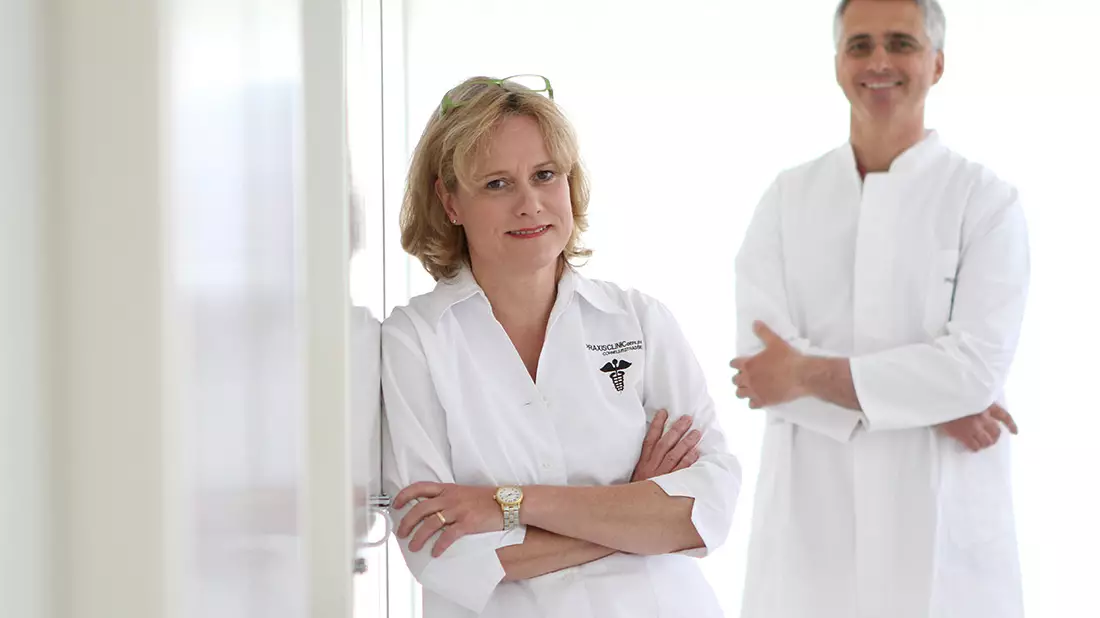
For many international residents, moving to Berlin means discovering a vibrant, creative city with rich history, leafy neighbourhoods and a famously relaxed lifestyle. But there is one topic that rarely appears in the glossy relocation brochures: where to find a trustworthy, English-speaking dental practice when you need one urgently. Toothache, a broken filling or an inflamed gum do not wait until you feel confident with German bureaucracy or medical vocabulary. They strike on a rainy Tuesday evening, just after you have signed your rental contract or started a new job in Berlin.
In that moment, you are not only dealing with physical pain. You may also be facing dental anxiety, uncertainty about costs, worries about insurance coverage and a very practical question: how can you communicate your symptoms and fears if you do not yet speak fluent German? Many expats quietly postpone dental check-ups for months or even years because the idea of sitting in a dental chair, unable to express themselves clearly, feels deeply uncomfortable.
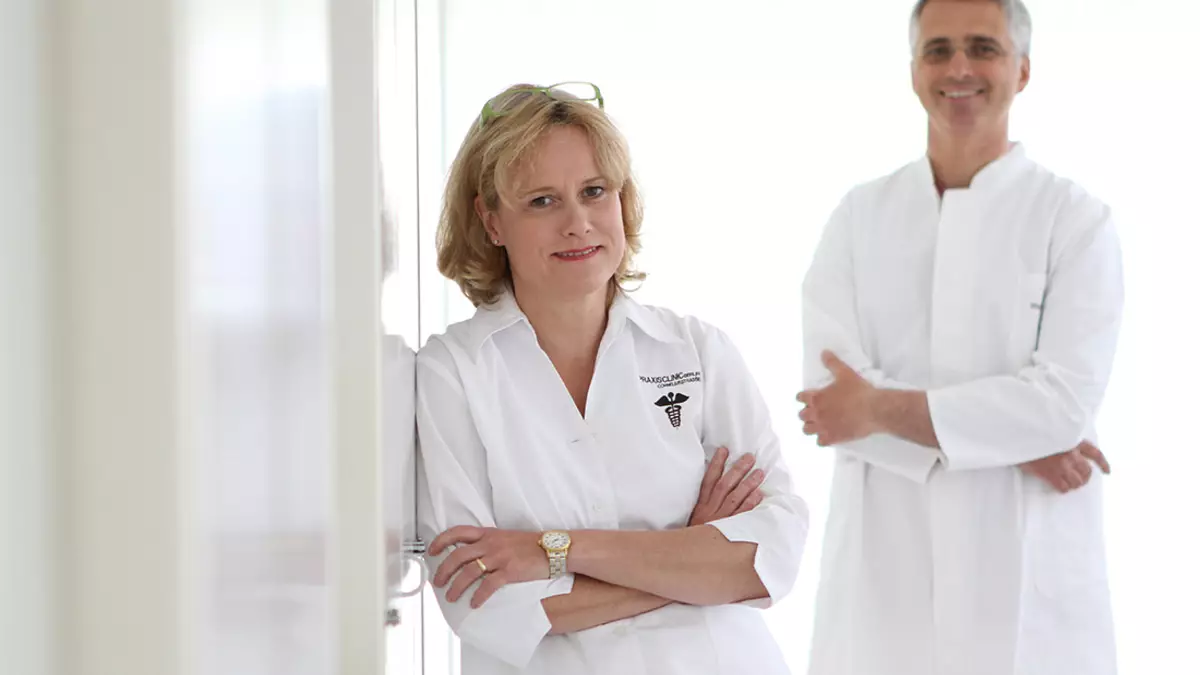
This is where a well-organised, compassionate and medically competent dental practice in Berlin Steglitz can make a life-changing difference. In the southwest of the city, close to the shopping boulevard Schloßstraße and not far from Zehlendorf, the Zahnarzt-Praxis Berlin Steglitz (Dr. Djamchidi & A. Jannack) offers more than routine fillings and cleanings. The practice combines a rare "double approbation" profile, advanced implantology, modern endodontics and a calm, reassuring atmosphere that is particularly welcoming for international patients.
The practice understands that trust is built step by step: through clear explanations in English and German, transparent treatment plans and a genuine interest in the patient as a whole person, not just a mouth full of teeth. For many expats in Berlin, this combination of medical knowledge, dental precision and human warmth is exactly what they have been searching for.
At the heart of this dental practice is an exceptional qualification that is still relatively rare, even in Germany: the "double approbation" of Dr. Djamchidi. He is both a fully trained physician and ENT specialist (ear, nose and throat) and a licensed dentist. This means that he has completed two demanding medical degrees and understands the human body in a comprehensive way: not only the teeth and gums, but also the sinuses, nasal passages, jaw joints, airways and systemic health connections that influence oral surgery and implantology.
To understand why this is such a strong advantage for patients, it helps to look at what happens during modern implantology and oral surgery. Dental implants are small, screw-shaped posts, usually made from titanium or high-performance ceramic, that are placed in the jawbone to replace missing tooth roots. Above the implant, a crown, bridge or prosthesis is attached. For the implant to be stable and long-lasting, it needs sufficient bone volume and a healthy surrounding environment. In the upper jaw, especially in the area of the molars and premolars, the jawbone lies directly beneath the maxillary sinus floor – a hollow, air-filled cavity that is part of the nasal sinus system.
When teeth in this region are lost, the jawbone often shrinks over time. The distance between the mouth and the maxillary sinus floor becomes extremely thin. If an implant is placed without careful planning, there is a risk of perforating the sinus membrane, causing inflammation or long-term sinus problems. This is why, in many complex cases, a sinus lift procedure is recommended. During a sinus lift, the surgeon gently elevates the membrane of the maxillary sinus floor and fills the space with bone or bone-like material to create enough volume for secure implant placement.
In this delicate anatomical region, the perspective of an ENT specialist is invaluable. As both ENT physician and dentist, Dr. Djamchidi has a precise understanding of the nasal structures, sinus ventilation and the pathways through which infections can spread from the mouth into the sinuses and even the lower airways. When he performs implantology or oral surgery in the upper jaw, he is not only thinking about the tooth replacement itself, but also about breathing, chronic sinusitis risk, the function of the Eustachian tube and the overall health of the upper respiratory tract.
This "double view" means that each treatment is planned integratively. Before recommending an implant, he carefully analyses 3D images, x-rays or cone-beam CT scans to evaluate bone density, the position of the maxillary sinus floor and any anatomical variations, such as narrow nasal passages or chronically thickened sinus membranes. He takes into account whether a patient has a history of allergies, recurrent sinus infections, snoring, sleep apnoea or systemic illnesses that could affect bone healing and biocompatibility of implant materials.
The result is a more personalised risk assessment and a surgical approach that is both minimally invasive and safety-oriented. For expats who may have read alarming online stories about implant failures or nerve damage, it can be extremely reassuring to know that their implantologist not only sees the tooth gap, but also the entire head and neck region. The double approbation ensures that questions about sinus pressure, headaches related to the nasal area, or ear discomfort are not dismissed as separate problems, but integrated into the planning and follow-up of oral surgery.
Moreover, as a physician-dentist, Dr. Djamchidi is well-versed in internal medicine and pharmacology. He takes time to review complex medical histories, current medications, blood-thinning therapies and potential interactions before any surgical procedure. For patients with chronic conditions such as diabetes, cardiovascular disease, autoimmune disorders or osteoporosis, this holistic understanding is particularly important. It allows him to coordinate with other treating physicians and adjust the timing and technique of surgery to reduce complications and support optimal healing.
During consultations, he explains these connections in clear, accessible language. Many international patients appreciate that they can ask detailed questions in English about the difference between a simple tooth extraction and a surgical removal, about bone grafting options, or about the choice of implant materials in terms of biocompatibility. He can describe what happens at the maxillary sinus floor, why a sinus lift might be necessary, and how modern, minimally invasive methods significantly shorten recovery time compared to older techniques.
Beyond technical expertise, the double degree also influences the philosophy of care in this dental practice. Rather than focusing on a single tooth as an isolated structure, the team views oral health as closely linked to general health, breathing, posture and quality of sleep. Jaw joint problems, clenching, chronic tension headaches or tinnitus are considered in context, not as random symptoms. For many patients, this integrative thinking feels much closer to the idea of "holistic" medicine they may be used to from their home countries, but delivered with the scientific rigour of German healthcare.
While implantology and oral surgery represent high-tech aspects of this Zahnarzt-Praxis, another equally important pillar is tooth preservation. This is where the expertise of dentist Annette Jannack comes to the forefront. Her special focus lies on endodontics, the field that deals with the interior of the tooth – the dental pulp, root canals and the fine structures that connect tooth and bone. Endodontics has undergone a quiet revolution in the last two decades. What used to be a last-ditch attempt to save a tooth has become a highly predictable and sophisticated discipline, especially when combined with microscopic dentistry and modern instruments.
The basic idea of endodontic root canal treatment is simple to describe: when the soft tissue inside the tooth becomes irreversibly inflamed or infected – often due to deep decay, cracks or trauma – the inflamed pulp is removed, and the inside of the tooth is disinfected, shaped and filled to prevent bacteria from returning. But in practice, this process is extremely delicate. Human root canals are narrow, curved and complex. Some teeth have multiple canals or microscopic side branches that are barely visible on standard x-rays. If bacteria remain in these spaces, the infection can persist or recur, leading to pain or an abscess at the tip of the root.
As a dentist with a strong focus on endodontics, Annette Jannack uses magnification, fine instruments and modern irrigation protocols to clean and shape root canals as thoroughly as possible. Microscopic dentistry allows her to see details that the naked eye would miss: tiny extra canals, calcified segments, fine cracks or unusual anatomical variations. This precision is crucial for long-term success. When a root canal treatment is done carefully and the tooth is then restored with a stable filling or crown, it can often function for many years, sometimes for a lifetime.
Her philosophy can be summarised in a key German phrase: "Zahnerhalt vor Zahnersatz" – saving the natural tooth before replacing it with a prosthesis or implant. While implantology offers excellent solutions for missing teeth, nothing feels quite as natural as one's own tooth. Preserving the original tooth, if medically sensible, protects the natural bite, maintains the fine sensory feedback of the periodontal ligament and often requires less intervention in the surrounding bone and gums.
During a typical endodontic consultation, patients often arrive with significant pain, swelling or the result of a long-standing problem that suddenly flares up. Many are nervous, especially if they have heard frightening stories about root canal treatments from older generations. Annette Jannack takes time to explain the process calmly: how local anaesthesia will be used to make the procedure as comfortable as possible, how the tooth will be isolated to keep it clean, and which steps are necessary to remove infected tissue, disinfect the canals and seal them densely. For expats, having this explanation in clear English can transform a feared procedure into an understandable, manageable therapy.
In some cases, she is also able to perform revision treatments on teeth where a previous root canal therapy has failed. By reopening the tooth, removing old filling materials and treating hidden or missed canals, it is sometimes possible to save a tooth that would otherwise be destined for extraction and an implant. Again, the aim is to preserve as much natural tooth structure as possible while eliminating infection and pain.
This strong focus on tooth preservation complements the implantology expertise in the practice. Rather than pushing patients quickly toward implants, the team evaluates carefully whether a tooth can still be saved through endodontics or other restorative methods. Only when a tooth is truly beyond rescue, or when the risks of preservation are too high, does implantology become the recommended option. For patients, this balanced approach builds trust: they feel that recommendations are made in their best long-term interest, not as part of a one-size-fits-all treatment philosophy.
Even with the best technical skills, many patients still carry a deep-seated fear of dental treatment. Some had traumatic experiences in childhood, others feel ashamed of their teeth after years without professional care. Expats in particular may fear being judged for "letting things go" during their move, or they may worry that their concerns will not be understood in a foreign language. The team at this dental practice in Berlin Steglitz recognizes dental anxiety as a real and common challenge, not as a weakness.
From the first phone call or email, the staff aim to create a sense of safety. They are familiar with international insurance formats, accustomed to speaking English and German, and open to questions about costs and procedures. During the first visit, the anamnesis – the detailed medical and dental history – includes not only questions about medications and allergies, but also about previous dental experiences and current fears. Patients are encouraged to express what they find most difficult: injections, the sound of the drill, the feeling of loss of control, or simple embarrassment.
To make treatments more comfortable, the practice offers various options. For many procedures, local anaesthesia is sufficient, applied gently and given time to work fully before treatment begins. For patients with stronger dental anxiety or more extensive procedures, methods of sedation can be discussed. Sedation, often referred to as "twilight sleep", allows patients to remain conscious but deeply relaxed and with reduced perception of the procedure. Combining local anaesthesia with such a state can make even longer oral surgery sessions tolerable, with many patients remembering little about the details afterward.
In some cases, and depending on individual preference and medical suitability, the practice may also incorporate complementary approaches such as gentle homeopathic support or relaxation techniques to ease tension before and after treatment. These methods do not replace evidence-based medicine but can provide additional comfort for those who value holistic support. The overarching goal is always the same: to reduce fear, interrupt the cycle of avoidance and create new, more positive experiences of visiting the dentist.
The atmosphere of the practice contributes significantly to this feeling of security. Located in a classic Berlin Altbau in Steglitz, the premises combine high ceilings, historic details and a warm, contemporary interior. Patients often describe the environment as more homely and human than sterile and clinical. For someone who is nervous, sitting in a light-filled waiting room with views of the established neighbourhood can be much easier than in a windowless corridor. The team greets regulars and newcomers alike with the same friendliness, understanding that small gestures – offering water, explaining waiting times, checking in during treatment – can mean a lot when you are far from home.
Berlin Steglitz offers a particular mix of urban comfort and quiet residential streets. This dental practice is well situated in the south-western part of the city, within easy reach of Schloßstraße, one of Berlin's major shopping avenues. The area is well connected by public transport, with buses and U-Bahn lines linking Steglitz to central Berlin and neighbouring districts such as Zehlendorf, Lichterfelde or Friedenau. For patients coming by car, the relatively good parking situation in this part of Berlin Southwest is a practical advantage, especially for those arriving from the outer districts or from Brandenburg.
The building itself is a historic Altbau, typical of Steglitz architecture. This means charming features like wooden staircases, high windows and a sense of the city's early 20th-century history. However, it also means that the building is not barrier-free: there is no elevator, and patients must use stairs to reach the practice rooms. The team is transparent about this, because honesty is part of their trust-based relationship with patients. For many visitors, the short climb up the stairs is simply part of the classic Berlin experience – entering a traditional residential building, hearing the sound of footsteps on old wood, and then arriving in a calm, modern healthcare space above the street level.
For patients with limited mobility, the lack of an elevator can be a real obstacle. The practice therefore encourages such patients to contact them in advance to discuss options and individual solutions whenever possible. Being upfront about architectural limitations reflects an attitude that values respect and realistic expectations over glossy promises. At the same time, the central yet neighbourhood-like location makes it easier for many people in Steglitz and the surrounding areas to integrate regular prophylaxis and check-ups into their daily routine, whether they come from Schloßstraße after shopping or from Zehlendorf after work.
Imagine, for a moment, the journey of an international patient living in Berlin Southwest who has been postponing a visit to the dentist. Perhaps they chipped a tooth months ago or have noticed occasional pain when biting, but the fear of language barriers and the unknown has kept them away. One evening, the pain becomes too strong to ignore. After a quick online search for an English-speaking dentist and scrolling through reviews, they discover this Zahnarzt-Praxis in Berlin Steglitz and decide to book a consultation.
From the first interaction – whether via phone or online contact form – communication is clear. The practice asks about symptoms, medical history and insurance status in an approachable way. An appointment is scheduled, and the patient receives information on how to reach the practice by public transport and what to bring along. On the day of the visit, they arrive a little early, climbing the Altbau stairs and entering a reception area that feels both professional and welcoming.
The anamnesis begins with a conversation, not immediately with instruments. The dentist asks open questions: How long has the pain been present? Is it sharp, dull, spontaneous or triggered by cold or heat? Have there been previous treatments on this tooth? Are there any other medical conditions or medications that the practice should be aware of? For an expat, being able to answer these questions in English reduces a huge part of the stress. There is no need to search for complex German terms; the conversation flows naturally.
After the initial discussion, a thorough clinical examination follows. This may include digital x-rays, tests of tooth vitality and an assessment of the gums and bite. The dentist explains what they see on the images: perhaps a deep cavity approaching the nerve, an old filling leaking, or a dark shadow at the tip of the root indicating an infection. If endodontic treatment is necessary, Annette Jannack describes the steps in detail, showing how modern instruments and magnification help preserve the tooth. If the tooth is too damaged and extraction is unavoidable, the conversation naturally transitions to possible replacement options, such as an implant planned together with Dr. Djamchidi.
At every stage, the patient is invited to ask questions and express preferences. Some might prioritise the fastest possible solution; others may prefer a staged approach to spread costs and procedures over time. The practice provides a transparent treatment plan with cost estimates that distinguish between services covered by statutory insurance, private insurance and self-pay components. This clarity is especially valuable for expats used to different healthcare systems, where the division between basic and advanced care might work differently.
During the actual treatment, whether a root canal, a filling, an extraction or an implant placement, pain control and comfort remain central. The dentist checks repeatedly if the anaesthesia is sufficient before proceeding. For longer sessions, short breaks can be arranged so the patient can relax their jaw or simply breathe deeply. When sedation or twilight sleep is chosen, a careful pre-assessment is performed, including a review of medical history, fasting requirements and post-procedure arrangements, to ensure safety throughout.
After the treatment, the dentist reviews again what has been done, shows any x-rays or photos taken during the procedure and explains the aftercare: what kind of discomfort is normal, which warning signs should prompt a call to the practice, how to care for the area, and when the next visit is scheduled. Written instructions in English can be provided where useful, for example after oral surgery or implant placement. This structured, step-by-step guidance gives patients confidence that they are not left alone once they leave the chair.
Over time, as the initial urgent problem is resolved, the focus gradually shifts from acute repair to prevention. The practice emphasises prophylaxis: professional cleanings at recommended intervals, instruction in effective home care, and monitoring of risk factors such as smoking, diabetes or bruxism (teeth grinding). The aim is to help each patient maintain stable, long-term oral health, so that major interventions become less and less likely.
For many expats and locals alike, this combination of technical excellence, clear communication and respectful atmosphere gradually transforms the way they feel about dental care. What began as an emergency visit turns into a regular, almost routine part of taking care of themselves in their new home city.
When evaluating healthcare providers abroad, many people now look not only at qualifications but also at the broader concept of E-E-A-T: Experience, Expertise, Authoritativeness and Trustworthiness. In the context of dental medicine, this means asking: who will treat me, how deep is their training, how do they communicate with patients, and can I rely on them even in complex situations?
The Zahnarzt-Praxis Berlin Steglitz of Dr. Djamchidi & A. Jannack stands out on all four dimensions. Experience is reflected in many years of clinical work at the intersection of ENT medicine, dentistry, implantology and endodontics, as well as in the wide spectrum of cases seen in a diverse, international city. Expertise is evident in the rare double approbation of Dr. Djamchidi, the advanced training in oral surgery and implantology, and the specialised focus of Annette Jannack on tooth preservation and microscopic root canal treatment.
Authoritativeness grows from continuous professional education, adherence to evidence-based guidelines and the ability to explain complex topics – from the anatomy of the maxillary sinus floor to the nuances of biocompatibility in implant materials – in language that patients can understand. Trustworthiness is built through transparent communication about treatment options, risks and costs; through an open attitude toward second opinions; and through the everyday respect shown to patients of all ages, backgrounds and insurance types.
Naturally, no single practice can be the perfect fit for every individual. Some patients may need barrier-free access that this Altbau location cannot physically offer. Others may live in different parts of the city and prefer a dental practice closer to their home. But for many people in Steglitz, Schloßstraße, Zehlendorf and the wider Berlin Southwest region – especially for those seeking an English-speaking dentist who understands the specific anxieties of expats – this practice offers a rare combination of medical depth and human understanding.
If you are currently searching for a dental practice in Berlin and feel uncertain about where to begin, it can help to reflect on what matters most to you. Is it the security of being treated by a team that can see your mouth and your general health in connection? The reassurance that every effort will be made to preserve your natural teeth through advanced endodontics before suggesting extraction or implants? The availability of sedation or twilight sleep if you struggle with severe dental anxiety? Or the simple, everyday comfort of being able to explain yourself freely in English and feel heard?
In the Zahnarzt-Praxis Berlin Steglitz of Dr. Djamchidi & A. Jannack, these elements come together under one roof, framed by the characteristic charm of a historic Berlin building and the liveliness of the surrounding neighbourhood. For many expats and locals, this blend of traditional architecture, modern dentistry and empathetic care has turned what was once a source of fear into a manageable and even positive part of life in Berlin.
Whether you need implantology with the extra safety of a physician's ENT perspective, meticulous root canal treatment to save a beloved tooth, or simply a gentle check-up to restart your preventive care, you will find a team here that understands both the technical side of dentistry and the emotional realities of seeking care in a foreign country.
Ultimately, a healthy smile is not just about aesthetics; it is about the confidence to eat, speak and laugh freely – at work, with friends, with family and in all the new situations that living in Berlin will bring. Choosing the right dental partner is an investment not only in your teeth, but in your overall quality of life. In Berlin Steglitz, the Zahnarzt-Praxis of Dr. Djamchidi & Annette Jannack offers a compelling option for those who value depth, safety and genuine human connection in dental care.
Disclaimer regarding our articles: No investment advice, no buy or sell recommendation. Information on prices, companies, and markets is provided without guarantee; changes are possible at any time. Stock market transactions can lead to substantial losses. Our articles are created and reviewed in whole or in part automatically with the support of AI.