A Trusted Dental Practice in Berlin Steglitz for International Patients
04.04.2026 - 07:01:06 | ad-hoc-news.de
Arriving in a new city like Berlin comes with a long checklist: registration at the Bürgeramt, health insurance, bank account, mobile contract. Somewhere far down that list, until pain strikes, sits another essential: finding a dental practice you can trust. For many international residents, the first real contact with the German healthcare system is not a planned check-up, but a sudden toothache or a broken filling – and the experience can feel intimidating.
Different insurance rules, unfamiliar medical forms, and the fear of not being understood in English can all intensify existing dental anxiety. Even if you had a trusted dentist back home, starting from zero in a foreign system can make you postpone necessary treatment. Yet postponing often turns a small problem into a complex one, especially when it comes to teeth, gums, and the delicate structures of the jaw and sinuses.
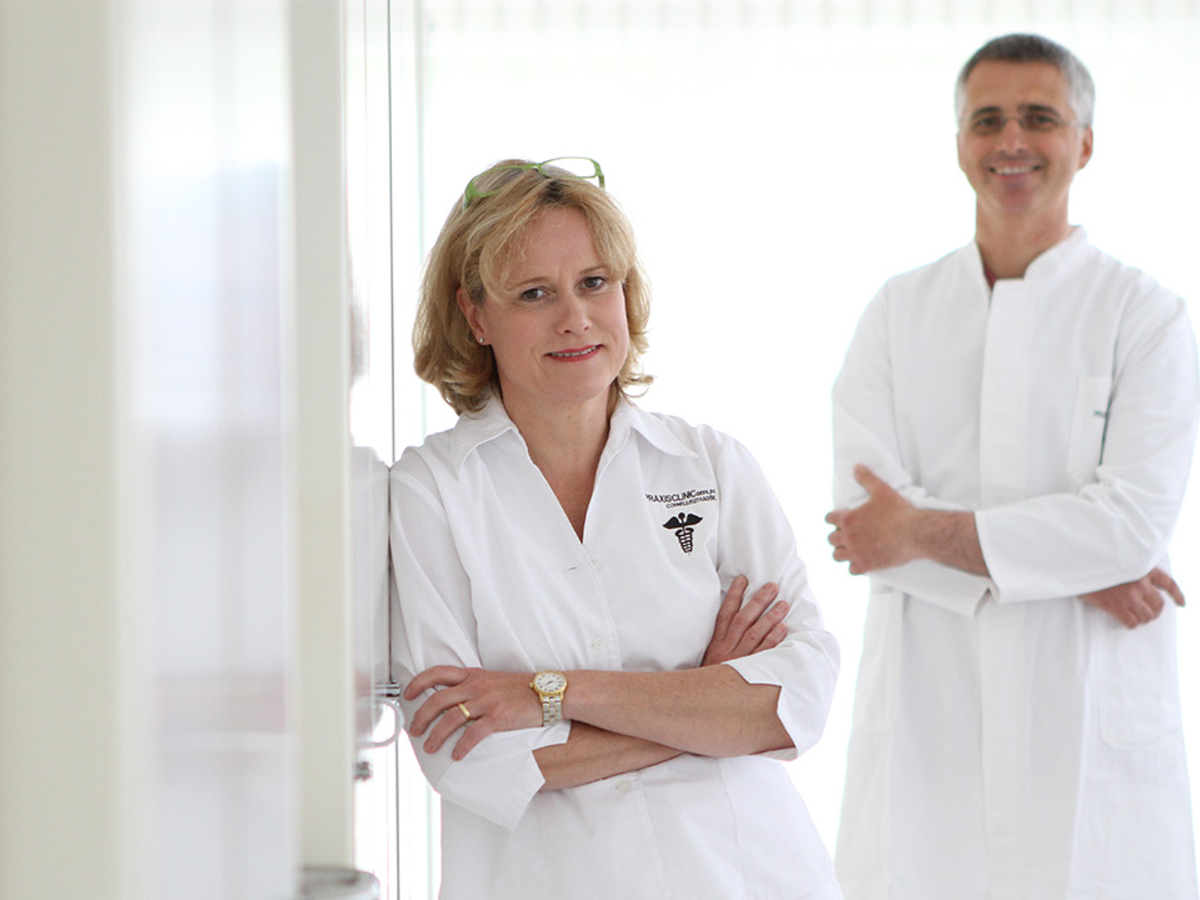
In the southwest of Berlin, between the busy Schloßstraße shopping mile and the leafy streets leading towards Zehlendorf, one Dental Practice in Berlin Steglitz has been shaped with precisely these concerns in mind. At Zahnarzt-Praxis Berlin Steglitz – the dental practice of Dr. Djamchidi & A. Jannack – the team combines high-level medical expertise, a strong focus on tooth preservation, and an empathetic, English-speaking environment designed to make both expats and locals feel safe and well-informed.
What sets this Zahnarzt-Praxis apart in Berlin is not only its location in a classic Altbau building, but especially the unique qualifications of its team. The core medical USP is the so-called "double Approbation" of practice founder Dr. Djamchidi – he is both a fully qualified physician (medical doctor and ENT specialist) and a licensed dentist. This dual training is rare even in Germany and particularly valuable in complex fields such as implantology and oral surgery.
To understand why this matters, it helps to know how interconnected our teeth, jaws, sinuses, and airways are. When you breathe, chew, speak, or swallow, multiple systems work together: the nasal cavity, the maxillary sinus, the jawbone, the muscles of the face and neck, and of course the teeth and gums. Dental implants, for example, are not just about "screwing in" an artificial root. They are placed into living bone, often in close proximity to the maxillary sinus floor and important nerve pathways.
This is where the "double view" of an ENT specialist and dentist becomes a major safety advantage. An ENT-trained physician is deeply familiar with the anatomy of the nose, the paranasal sinuses, and the upper jaw. He understands how chronic sinus problems, allergies, or previous infections can affect bone quality and healing. At the same time, as a dentist and implantologist, he knows how to plan, position, and restore implants functionally and aesthetically.
For patients, especially those considering implants in the upper jaw, this means a more holistic risk assessment. Before recommending implantology, a physician-dentist like Dr. Djamchidi can evaluate the condition of the maxillary sinus, the thickness of the sinus floor, and the available bone height. If the bone is too thin, he can plan a sinus lift – a procedure that gently elevates the sinus membrane and adds bone material to create a stable foundation.
Here, the ENT background provides additional safety: the delicate sinus membrane, blood supply, and drainage pathways are better understood and respected. The combination of oral surgery skills and ENT experience reduces the risk of complications such as sinus perforation, chronic sinusitis, or impaired nasal breathing after implant placement. For expat patients who may have heard horror stories about failed implants or sinus problems, this integrated expertise can be deeply reassuring.
Moreover, a medically trained physician is used to assessing the whole body, not just the mouth. Before an operation, he can evaluate your general health, medication list, and potential interactions – crucial if you take blood thinners, have cardiovascular conditions, diabetes, or autoimmune diseases. This physician-level anamnesis is particularly relevant for patients who may not yet have a trusted general practitioner in Berlin or are unsure how their systemic health interacts with dental treatments.
In practical terms, this means that when you sit down with Dr. Djamchidi to discuss implantology, oral surgery, or complex tooth extractions, you are talking to someone who sees both the local and the systemic picture. He will explain how your nasal passages, sinus cavities, and jawbone relate to the planned treatment. Questions about sedation, twilight sleep, allergies, or healing capacity are addressed from a medical as well as dental perspective. For many international patients, this level of integrated care feels closer to a modern clinic than a conventional small dental office.
Equally central to the philosophy of this Dental Practice in Berlin Steglitz is the work of dentist Annette Jannack, whose clinical focus lies on endodontics, tooth preservation, and aesthetic restorations. If implantology is sometimes the "high-tech" replacement of lost teeth, endodontics is the quiet art of saving teeth that would previously have been removed.
Endodontics, commonly known as root canal treatment, aims to preserve a tooth whose inner tissue (the pulp) has become irreversibly inflamed or infected. Instead of pulling the tooth and replacing it with an implant or bridge, the dentist cleans and disinfects the root canals from within, then seals them tightly to prevent bacteria from re-entering. When done meticulously and supported by modern technology, such as microscopic dentistry, these treatments can allow a tooth to remain functional for many years or even decades.
In this practice, the guiding principle is "saving the tooth before replacing it" – or, in German, "Zahnerhalt vor Zahnersatz". For patients, especially those with dental anxiety, this is a comforting philosophy. Losing a tooth can feel like a small trauma, affecting not only chewing but also self-confidence. A dentist like Annette Jannack, who is passionate about tooth preservation, will explore every reasonable option to rescue and stabilize your natural tooth first.
Modern endodontic therapy at the practice includes careful diagnostics, often using imaging to understand the exact shape and length of each root canal. Under magnification, the dentist can identify even very fine or curved canals that might be missed with the naked eye. The infected tissue and bacteria are gently removed with specialized instruments, followed by thorough rinsing with disinfecting solutions. Throughout the process, biocompatibility is considered: materials used inside the tooth and for the final filling or crown are selected to work harmoniously with your body.
Because endodontics can be technically demanding, patients sometimes fear it will be painful or traumatic. In reality, with modern local anesthesia and a calm, step-by-step approach, root canal treatment can often be surprisingly comfortable. At this Zahnarzt-Praxis, time is taken to explain each phase to the patient. If anxiety is high, options like sedation or a staged treatment plan can be discussed. For many expats, being able to have these detailed conversations in English significantly lowers the psychological barrier to accepting necessary care.
Tooth preservation goes hand in hand with aesthetic dentistry at the practice. Once a tooth has been stabilized internally by endodontics, the outer structure may need reinforcement, for example with a high-quality composite filling or a ceramic crown. Here, the goal is not just function, but a natural-looking smile that integrates well with neighbouring teeth. Especially for patients in visible professions or those who are often in international settings, discreet, aesthetic solutions can contribute greatly to overall confidence.
Beyond the high medical standards, what many patients remember most vividly is how they felt in the practice. Dental anxiety is common across cultures, and it does not magically disappear when you move to Berlin. In fact, navigating the German healthcare system in a second language can intensify fears. The team at this Dental Practice in Berlin Steglitz is very aware of this and has shaped an "anxiety-free" concept that addresses both emotional and physical comfort.
The first layer of this concept is communication. Being able to speak with an English-speaking dentist and team members who are used to treating international patients reduces misunderstandings about diagnosis, costs, and treatment options. Clear explanations, visual aids, and written treatment plans give patients a sense of control – a crucial factor for those with dental phobia.
The second layer is the atmosphere. The practice is located in a classic Berlin Altbau, with high ceilings and characteristic architectural details, rather than a sterile, anonymous clinic box. While this means there are stairs and no elevator – the building is not barrier-free – it also creates a warmer, more personal ambience. For many, climbing a few steps into a historic building in Steglitz feels like part of the real Berlin experience, far from the impersonal environment of large hospital corridors.
Inside, the rooms are designed to feel cosy and respectful rather than clinical. Patients with dental anxiety can discuss their fears openly. The team takes time during prophylaxis appointments and check-ups to build familiarity, so that the dental chair does not only become associated with emergencies. For those who need it, options such as mild sedation or so-called twilight sleep may be offered, allowing more complex treatments to be carried out while the patient remains relaxed and remembers little of the procedure.
Some patients also appreciate complementary approaches, for example gentle remedies or relaxation techniques, as part of a holistic strategy to cope with dental stress. This is never a substitute for evidence-based dentistry but can be a valuable adjunct for those who feel extremely tense. The overarching message is: your fears are taken seriously, and there are strategies to help you manage them.
Location plays an important role in choosing a dental provider, especially for busy professionals and families. The practice of Zahnarzt-Praxis Berlin Steglitz is situated in a historic Altbau building in the southwest of the city, within easy reach of Schloßstraße – one of Berlin's major shopping streets – and the residential districts leading towards Zehlendorf. This makes it convenient whether you commute from the city centre, live nearby in Steglitz, or travel from neighbouring areas.
The Altbau charm is part of what gives the practice its character. High windows, traditional staircases, and the proportions typical of older Berlin buildings create a distinctive atmosphere compared to modern glass-and-steel clinics. However, it is important to be transparent: the practice is located in a building with stairs and no elevator, so it is not barrier-free in the strict sense. Patients with significant mobility impairments may need to take this into account when planning a visit.
On the positive side, the area offers good public transport connections, and there is often parking available in the surrounding streets, which is a notable advantage in Berlin. Being slightly away from the very centre also means a calmer environment: you step out of the practice into a typical Steglitz neighbourhood instead of a hectic traffic junction. Many patients combine their dental appointments with errands on Schloßstraße or a visit to a café, integrating healthcare into their daily life in a relaxed way.
For anyone moving to Berlin, one of the biggest uncertainties is "What will my first visit to a German dentist be like?" To reduce that anxiety, it can help to visualise the patient journey step by step. At Zahnarzt-Praxis Berlin Steglitz, a typical first appointment is structured to be informative rather than overwhelming.
It usually begins with a detailed anamnesis. You will be asked about your medical history, medications, allergies, previous dental experiences, and any specific fears. For expats, this is often the first time someone in the healthcare system takes the time to listen to the full story in English. If you bring medical documents from your home country, or previous X-rays, these can be integrated into the assessment. The dual medical-dental background of the team is especially helpful here, as systemic conditions are not seen as an afterthought but directly linked to your oral health.
Next comes the clinical examination. This includes checking each tooth, the gums, the bite, and, when relevant, the jaw joints and soft tissues of the mouth. Depending on your situation, X-rays or 3D imaging may be recommended to evaluate the roots, existing fillings, and the bone structure around the teeth. For patients interested in implantology or who already miss teeth, this is the stage where bone height, sinus proximity, and possible options like sinus lift or bone augmentation are assessed.
After the examination, there is a consultation phase. Rather than rushing into treatment, the dentists will explain the findings and possible pathways: for example, whether a tooth can be preserved through endodontics, what steps are needed for root canal treatment, which materials might be best from a biocompatibility standpoint, or how an implant-based solution could look in your specific case. Costs and timelines are outlined transparently, taking into account whether you have statutory or private insurance or are self-paying.
If you struggle with dental anxiety, this is also the point where coping strategies are discussed: do you prefer shorter, more frequent sessions or fewer, longer appointments possibly with sedation or twilight sleep? Are there certain triggers (sounds, smells, positions) that can be addressed? This dialogue-based planning is especially appreciated by international patients who value shared decision-making and clear consent processes.
Once you feel informed and comfortable, the treatment phase follows. For preventative care, that may mean a thorough prophylaxis session: professional tooth cleaning, removal of plaque and tartar, polishing, and personalised oral hygiene advice. Regular prophylaxis is key to tooth preservation and reduces the need for invasive work later on. For restorative care, it may involve endodontic treatment with microscopic dentistry, minimally invasive fillings, or carefully planned oral surgery and implant placement.
Throughout, the practice maintains a strong focus on minimally invasive techniques. This means preserving as much healthy tooth structure as possible, using gentle surgical methods, and applying precise planning to avoid unnecessary trauma to bone and soft tissue. The goal is not only to solve the immediate problem but to create long-term stability with the least intervention necessary.
After treatment, follow-up appointments ensure that healing is on track, whether after a root canal, a crown placement, or implant surgery. Here again, the combination of physician-level monitoring and dental expertise supports safe recovery. Questions about pain management, swelling, or suspected sinus issues after upper jaw procedures can be answered competently in one place, without the need to shuttle between different specialists.
Over time, many patients come to see the practice not only as a place for emergencies, but as a partner in their ongoing oral health. For families, this means children grow up seeing the dental visit as a normal, non-threatening part of life. For adults, especially expats who may move again in a few years, it offers the reassurance that their dental records, X-rays, and treatment plans are organised and can be summarised for future care elsewhere if needed.
When comparing options for a dental provider in Berlin, it helps to look beyond simple labels like "Zahnarzt" or "Dental Practice" and consider the deeper mix of expertise, philosophy, and atmosphere. In the case of Zahnarzt-Praxis Berlin Steglitz (Dr. Djamchidi & A. Jannack), several elements come together in a way that is particularly attractive for both locals and the international community in Berlin's southwest.
Medically, the unique double Approbation of Dr. Djamchidi – as both physician/ENT specialist and dentist – provides a level of integrated care that is rare. For implantology, oral surgery, and treatments involving the maxillary sinus floor or complex medical histories, this dual perspective enhances safety, predictability, and patient confidence. Instead of splitting your care between multiple specialists, you have one central expert who understands the full anatomical and systemic context of your treatment.
At the same time, the presence of an experienced tooth preservation and aesthetics specialist like Annette Jannack ensures that the practice does not simply focus on replacing teeth, but on maintaining what nature gave you whenever feasible. Through advanced endodontics, microscopic dentistry, and a clear philosophy of tooth preservation before prosthetics, many teeth that might elsewhere be deemed "hopeless" can be salvaged and integrated into a stable, aesthetic smile.
For anxious patients and expats navigating a foreign healthcare system, the practice offers a human-centred, anxiety-aware approach. English-speaking communication, empathetic staff, and options such as sedation and twilight sleep make it easier to finally address long-delayed dental issues. The historic Altbau setting in Steglitz, while not barrier-free due to stairs and the absence of an elevator, adds a sense of authenticity and warmth that many patients appreciate as part of their everyday Berlin experience.
Located between Schloßstraße and the green residential quarters towards Zehlendorf, the practice is easy to reach from many parts of the city. It combines the professionalism and medical depth of a clinic with the personal atmosphere of a neighbourhood practice. Whether you need routine prophylaxis, a detailed second opinion on complex treatment, root canal therapy to save a painful tooth, or a carefully planned implant to restore chewing function, you will find a team here that takes the time to understand your needs and explain your options in a way that makes sense – medically, practically, and financially.
For international residents who want a trustworthy long-term partner in oral health – and for Berlin locals who value a high standard of care with a human touch – Zahnarzt-Praxis Berlin Steglitz (Dr. Djamchidi & A. Jannack) stands out as a top choice in the region. It is a place where modern dentistry, medical expertise, and genuine empathy come together, helping you feel at home in the dental chair, even far from your original home country.
So schätzen die Börsenprofis Aktien ein!

Für. Immer. Kostenlos.