
A Trusted Dental Practice in Berlin Steglitz for Expats and Locals
Published on 05/10/2026 at 07:02 | Editorial responsibility: Rafael Müller, Editor-in-Chief AD HOC NEWS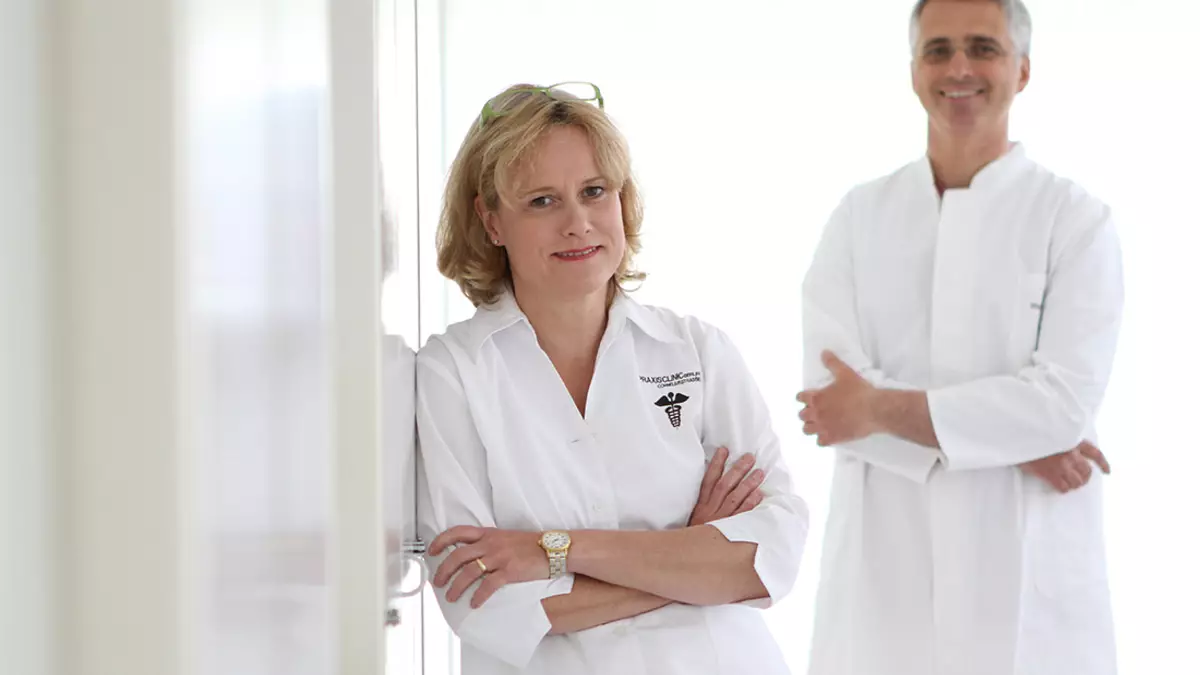
Living in a new country can be exciting, but when a tooth suddenly starts to throb or a filling breaks just before an important meeting, that excitement quickly turns into stress. For many expats in Berlin, navigating the healthcare system is already challenging: unfamiliar forms, different insurance rules, and the fear of not being understood in English. Add dental pain, dental anxiety, or concern about complex treatments such as implants, and the simple task of choosing a dental practice can feel overwhelming.
In Berlin, the word for dentist is "Zahnarzt", and you will see countless signs for a Zahnarzt-Praxis on your way through the city. Yet not every practice is equally experienced in dealing with international patients, not every team offers treatment in clear, understandable English, and not every dentist can offer comprehensive medical insight into procedures like implantology or oral surgery. For expats and globally minded locals in the southwest of the city, finding a trustworthy, high-level dental practice in Berlin can therefore become a priority rather than a luxury.
In Berlin-Steglitz, close to the lively Schloßstraße and not far from Zehlendorf, the dental practice Zahnarzt-Praxis Berlin Steglitz (Dr. Djamchidi & A. Jannack) offers something truly special: a combination of advanced dentistry, a strong focus on tooth preservation, and the rare advantage of double medical and dental qualification. Here, the primary goal is not only to fix teeth, but to understand the whole person behind the smile, including their medical history, fears, cultural background, and expectations.
For international patients, the fact that both doctors are used to treating people from many countries, and that English is spoken confidently and clearly, makes a major difference. At the same time, German-speaking locals also appreciate the blend of medical depth and personal care that defines this Dental Practice in Berlin Steglitz. Whether you need prophylaxis, complex root canal treatment, minimally invasive implantology, or simply a second opinion, the practice is set up to offer calm, evidence-based guidance rather than quick sales or pressure.
One of the defining features of this dental practice is the unique profile of Dr. med. Dr. med. dent. Djamchidi. He holds double approbation as a physician and as a dentist, and is additionally specialized in ENT (ear, nose, and throat medicine). This combination is rare even in large medical centers and brings special value to areas such as implantology, oral surgery, and complex diagnostics in the head and neck region.
Most dentists are extremely well trained in teeth, gums, and jaw mechanics, but they are not primarily educated as medical doctors for the entire body. By contrast, a physician with ENT specialization spends years understanding the anatomical and functional connections from the nose and sinuses down to the throat, including airways, hearing, and balance. When this deep ENT knowledge is combined with dental expertise, the result is a true "double view" on everything that happens around your mouth, jaw, and maxillary sinus floor.
Why does this matter for something like a dental implant? To place a stable, long-lasting implant, the dentist must consider not only the bone quality and the gum tissue but also the surrounding anatomical structures. In the upper jaw, especially in the region of the premolars and molars, the roots of the teeth lie very close to the maxillary sinus. The thin bone between the tooth roots and the sinus acts like a delicate wall. When a tooth is lost, this bone often shrinks over time; the sinus cavity can expand downward, leaving too little vertical bone for a secure implant.
This is where the concept of a sinus lift or sinus floor elevation comes into play. In a sinus lift, the bone under the maxillary sinus floor is gently augmented so that an implant can be anchored safely. It is a procedure that requires precise planning, delicate surgical technique, and a clear understanding of ENT anatomy. With double qualification in medicine and dentistry, and a specialist background in ENT, Dr. Djamchidi is exceptionally well positioned to evaluate the risk and benefit of such interventions on an individual basis.
For patients, especially those with chronic sinus problems, allergies, previous sinus surgeries, or complex medical histories, this integrated perspective provides a significant layer of safety. Before recommending implantology, the condition of the mucosa lining the sinus, the ventilation of the nasal cavity, and the overall health of the ear-nose-throat system can be factored into the plan. This is particularly important when implants are placed close to the sinus or in cases where previous infections or anatomical variations exist.
In addition, double approbation supports more accurate risk assessment with respect to general health conditions. Many patients today take multiple medications, have cardiovascular issues, diabetes, autoimmune diseases, or blood clotting disorders. A professional who is fully trained as a physician can assess interactions between systemic illnesses and oral surgery more comprehensively and coordinate with other medical specialists if needed. This does not just contribute to surgical safety; it also promotes smoother healing and lower complication rates.
During the consultation at this Dental Practice in Berlin Steglitz, patients interested in implants or oral surgery can expect a detailed medical anamnesis. Medication lists, allergies, previous operations, and even snoring or sleep apnea symptoms may be discussed, because all of these can influence planning. Sophisticated diagnostic tools, such as 3D imaging, help to map the jaw and sinus anatomy precisely. All findings are then explained in understandable terms, in German or English, so that you know exactly what is happening in your body and why a certain treatment plan is recommended.
This is particularly reassuring for expats who may be used to different approaches in their home countries. For example, in some healthcare systems, implantology might be handled by a maxillofacial surgeon, while in others it is purely the domain of dentists. With a double-qualified doctor like Dr. Djamchidi, you do not need to worry about which specialist is the "right" one; the combination of training minimizes unnecessary referrals and streamlines care under one roof, while still maintaining the option of collaborating with other specialists if needed.
Beyond implants, the ENT-dental synergy also plays a role in treating conditions that involve both sinuses and teeth. Chronic sinusitis can sometimes have a dental origin, such as an infected root that reaches into the sinus floor, and conversely, sinus disease can mimic dental pain. Having a professional who is comfortable navigating both worlds helps avoid misdiagnoses and ensures that treatment targets the actual cause of symptoms rather than just the visible area of discomfort.
Another pillar of the practice is the work of dentist Annette Jannack, whose focus lies on endodontics, microscopic dentistry, and aesthetics. While implantology and oral surgery are important for replacing lost teeth, her philosophy is clear: whenever reasonably possible, the natural tooth should be preserved. This concept is known in German as "Zahnerhalt vor Zahnersatz" – tooth preservation before tooth replacement.
Endodontics is the field that deals with the inside of the tooth, particularly the dental pulp (the soft tissue containing nerves and blood vessels) and the root canal system. When deep decay or trauma reaches the pulp, bacteria can invade and cause pain, inflammation, and eventually, infection at the tip of the root. Traditionally, when a tooth reached this state, extraction was often the only option. Modern endodontics, however, offers a way to thoroughly clean, disinfect, and seal the root canal system, allowing the tooth to remain in function for many years.
In practical terms, a root canal treatment at this Berlin-Steglitz practice is a highly precise, minimally invasive procedure. With the help of modern magnification, such as an operating microscope or high-quality loupes, extremely fine root canals can be identified and cleaned. This microscopic dentistry significantly increases the chances of success because many canals are curved, branched, or very narrow. Without magnification, small channels can remain untouched, which raises the risk of persistent germs and later complications.
During root canal treatment, tiny instruments and irrigation solutions are used to remove infected tissue and shape the canals. Biocompatibility plays a central role in the choice of materials; modern, body-friendly sealers and filling materials are used to close the canals so that bacteria cannot re-enter. The goal is to create a tight, durable seal all the way to the root tip. Once the inside of the tooth is disinfected and sealed, the crown of the tooth is restored, often with a high-quality filling or a crown to protect it from fractures.
For patients, this endodontic approach has a number of advantages. Keeping your own tooth maintains natural chewing patterns, preserves jawbone, and often feels more comfortable than any artificial replacement. It also tends to be more cost-effective over the long term than losing a tooth and later needing complex implantology or bridge work. Many people are surprised to learn that even teeth with large inflammations at the root tip can sometimes be saved rather than removed, if the root canal treatment is performed thoroughly and in line with modern scientific standards.
As an experienced preservationist, Annette Jannack takes time to explain each step to patients, which is especially comforting for those who have heard frightening stories about root canals. With modern anesthetics and careful technique, the treatment is typically done under local anesthesia and is designed to be as comfortable as possible. For patients with severe dental anxiety, additional options, such as sedative medication or treatment in twilight sleep, can be discussed in coordination with the team.
In addition to endodontics, aesthetics is an integral part of her work. When a tooth has been preserved through root canal treatment, it is often necessary to restore its shape and color. Here, high-quality, tooth-colored materials, ceramic inlays, onlays, or crowns are used to create restorations that blend harmoniously with the neighboring teeth. The aim is not only functional stability but also a smile that looks natural, balanced, and supports the patient’s self-confidence.
For many people, especially those who have postponed dental care due to fear or time constraints, walking into a dental clinic can trigger intense anxiety. Some have had traumatic experiences as children, others are worried about pain, needles, or the sound of the drill. Expats may also be anxious because they do not fully understand how the German system works or what exactly the dentist plans to do. Zahnarzt-Praxis Berlin Steglitz is acutely aware of these concerns and has developed an "anxiety-free" concept designed to build trust step by step.
The atmosphere in the practice is intentionally warm and personal. From the first phone call or email, you are encouraged to share your concerns openly. The team listens carefully rather than rushing you into a chair. Many expats appreciate the fact that they can communicate in English if describing their emotions or symptoms is easier in their native or second language. For patients who prefer German, standard medical terminology is translated into simpler, more accessible words, avoiding unnecessary jargon.
During the first visit, the focus is not on immediate drilling but on careful anamnesis, diagnostics, and conversation. This approach alone often reduces dental anxiety, because it gives patients time to ask questions, express worries, and understand the options available. For more invasive procedures, the practice offers different forms of support. Local anesthesia is standard and ensures that the treated area is properly numbed. For patients with strong fear or a sensitive gag reflex, additional measures can be discussed, including mild sedation or treatment under so-called twilight sleep, which allows you to remain responsive but deeply relaxed.
Some patients also value complementary options, such as gentle stress-reduction techniques or the integration of homeopathic support where appropriate and desired. While the core of the treatment is always evidence-based dentistry, the practice respects individual preferences and cultural backgrounds. The aim is to create an environment where even people with long-standing dental anxiety can gradually regain trust and keep up with regular prophylaxis and necessary treatments.
The physical environment of the practice also plays a role in the anxiety-free concept. Unlike many sterile, impersonal clinics, Zahnarzt-Praxis Berlin Steglitz is located in a classic Berlin Altbau – a historic building typical of Steglitz and Berlin Southwest. High ceilings, large windows, and the distinctive charm of old architecture create a certain warmth that many patients find comforting. It feels more like entering a piece of living Berlin history than stepping into a cold, anonymous facility.
At the same time, the historic structure comes with one important, honest note: there is no elevator. Access to the practice is via stairs, which is part of the authentic Altbau experience but may present challenges for people with limited mobility, wheelchairs, or heavy strollers. The team is open about this limitation from the outset, because transparency is central to their approach. Whenever possible, they help patients plan their visit accordingly and can offer guidance on how best to manage the stairs. For some, this classic stairwell and the patina of the building are part of what makes Berlin unique; it reflects the neighborhood’s history and its mix of old and new.
In terms of geographic convenience, the practice is well situated within Berlin Southwest. The Steglitz area is easily accessible by public transport, with connections to buses and the U-Bahn along Schloßstraße, one of Berlin’s most popular shopping streets. For those coming by car, the area around the practice offers practical parking options compared to more central districts. This combination of a central, yet not overcrowded, location makes it easier for busy professionals and families from Steglitz, Zehlendorf, and surrounding neighborhoods to integrate dental appointments into their daily schedules.
For expats working in international companies or embassies in the area, the relatively short distance to transport hubs is also helpful. After an appointment, you can run errands, meet friends for coffee, or simply take a stroll through the surrounding streets, which blend residential calm with urban life. In this way, a visit to the dentist becomes part of your Berlin routine rather than a stressful special event.
To make the experience as predictable as possible, it can be useful to imagine what your first visit to Zahnarzt-Praxis Berlin Steglitz might look like from start to finish. It begins even before you arrive. You may send an email or call the practice to describe your situation: perhaps you have sudden pain, you are looking for long-term prophylaxis, or you want a second opinion on an implant plan already proposed elsewhere. The reception team notes your wishes, checks which doctor is best suited to your case, and offers appointment slots. If you are more comfortable in English, you can indicate this; if you speak German but prefer simple explanations, you can mention that as well.
Before the appointment, you will typically receive or download basic anamnesis forms. These cover your medical history, medications, allergies, and dental concerns. For expats, this step can seem bureaucratic, but it is an essential part of safe, high-quality medicine. The team understands that forms in a foreign language can be confusing; if necessary, they will help you complete them at the practice, explaining unfamiliar terms.
On the day of your visit, you enter the Altbau building and walk up the stairs, passing through a typical Berlin stairwell with its characteristic charm. At the reception, you are welcomed in a calm, respectful manner. After a short wait, you meet either Dr. med. Dr. med. dent. Djamchidi or dentist Annette Jannack, depending on the focus of your concerns.
The consultation starts with a conversation. You are invited to describe your symptoms, wishes, and fears in your own words. If you are dealing with dental anxiety, this is the moment to say so. If you are worried about costs, insurance coverage, or the length of treatment, those questions can be addressed as well. The doctor listens and may ask targeted questions not only about your teeth but also about your general health. For example, if you are considering implantology, they may inquire about sinus issues, sleep quality, or existing diagnoses like diabetes or osteoporosis.
After the history, a thorough clinical examination follows. For some patients, this includes digital X-rays or 3D imaging to visualize the jawbone, the position of roots, or the maxillary sinus floor. For endodontic questions, special tests may be performed to check the vitality of teeth, evaluate sensitivity, or detect small fractures. All these steps are explained in real time, so you understand what is being done and why.
Once all relevant information is gathered, the team presents a structured treatment plan. If you have a tooth that could be saved through root canal treatment, this option will be discussed, including the expected course of appointments and prognosis. If a tooth is missing or cannot be preserved, the role of implantology or other prosthetic solutions comes into focus. Because of the dual medical and dental expertise in the practice, the plan is not only technically sound but also aligned with your overall health. Alternative scenarios are outlined as well, so you can make an informed decision rather than feeling steered toward a single choice.
Cost estimates and insurance questions are clarified as transparently as possible. Especially for expats, who may have international private insurance or be new to the German statutory system, this openness is crucial. While the practice cannot decide your insurance coverage, it can help you understand which aspects are typically reimbursed and which might represent an investment in your own long-term oral health.
When the actual treatment begins, whether it is prophylaxis, root canal treatment, or implant placement, you are guided through each step. For prophylaxis, the dental hygienist removes plaque and tartar, polishes the teeth, and provides individualized tips for oral hygiene tailored to your lifestyle and habits. For endodontic or surgical procedures, pain control is ensured with careful, gentle anesthesia. If sedation or twilight sleep has been agreed upon, the responsible doctor monitors your condition throughout the procedure, ensuring safety and comfort.
After treatment, detailed aftercare instructions are given. These may include recommendations for medication, oral hygiene, diet, and physical activity in the days following surgery. Follow-up appointments are planned to monitor healing, check restorations, and fine-tune occlusion (the way your teeth meet when you bite). For many patients, this continuity of care, combined with the ability to discuss everything in a language they understand, is what truly sets the experience apart.
Ultimately, what makes Zahnarzt-Praxis Berlin Steglitz (Dr. Djamchidi & A. Jannack) stand out is not just one single specialty but the way multiple strengths are integrated. The double approbation of Dr. med. Dr. med. dent. Djamchidi offers a unique safety net for implantology, oral surgery, and complex diagnostic cases involving the maxillary sinus and ENT region. Patients with challenging general health conditions benefit from his broad medical background, which supports precise risk assessment and holistic planning.
At the same time, the dedication of Annette Jannack to endodontics, microscopic dentistry, and aesthetics ensures that every effort is made to preserve natural teeth before considering replacement. Her focus on tooth preservation, biocompatibility, and minimally invasive procedures aligns with modern, sustainable dentistry and the wishes of patients who value their own biological structures.
For both anxious and confident patients, the practice’s anxiety-free concept, empathetic communication, and optional sedation create a safe space in which treatment is not something to dread but a process to engage in collaboratively. English-speaking patients, in particular, appreciate that they can describe subtle symptoms, emotional concerns, or previous experiences without language barriers. The presence of an English-speaking dentist who understands international expectations and cultural nuances makes this practice especially attractive for expats.
The location in a historic Altbau in Steglitz adds a distinctive Berlin flavor. While the stairs and lack of elevator are a real physical limitation, they are also part of the authentic urban experience. Coupled with good transport connections near Schloßstraße, practical parking options, and easy access from Zehlendorf and other parts of Berlin Southwest, the setting supports regular, long-term care rather than occasional emergency visits.
In a city full of choices, where the term Zahnarzt-Praxis appears on countless doorbells, Zahnarzt-Praxis Berlin Steglitz distinguishes itself through depth, transparency, and genuine care. Whether you are an expat still learning how the German healthcare system works, a local resident seeking a new second opinion, or someone who has avoided the dentist for years due to fear, this practice offers an opportunity to reset your relationship with dental care.
By combining medical and dental expertise, focusing on tooth preservation, and respecting the individuality of every patient, the team creates more than just healthy teeth; they help you build long-term trust in your own smile and in the professionals who protect it. For those looking for a Dental Practice in Berlin Steglitz that unites scientific rigor, international friendliness, and the charm of classic Berlin architecture, Zahnarzt-Praxis Berlin Steglitz (Dr. Djamchidi & A. Jannack) is a compelling choice.


