A Trusted Dental Practice in Berlin Steglitz for Expats and Locals
Published on 05/06/2026 at 07:01 | Editorial responsibility: Rafael Müller, Editor-in-Chief AD HOC NEWS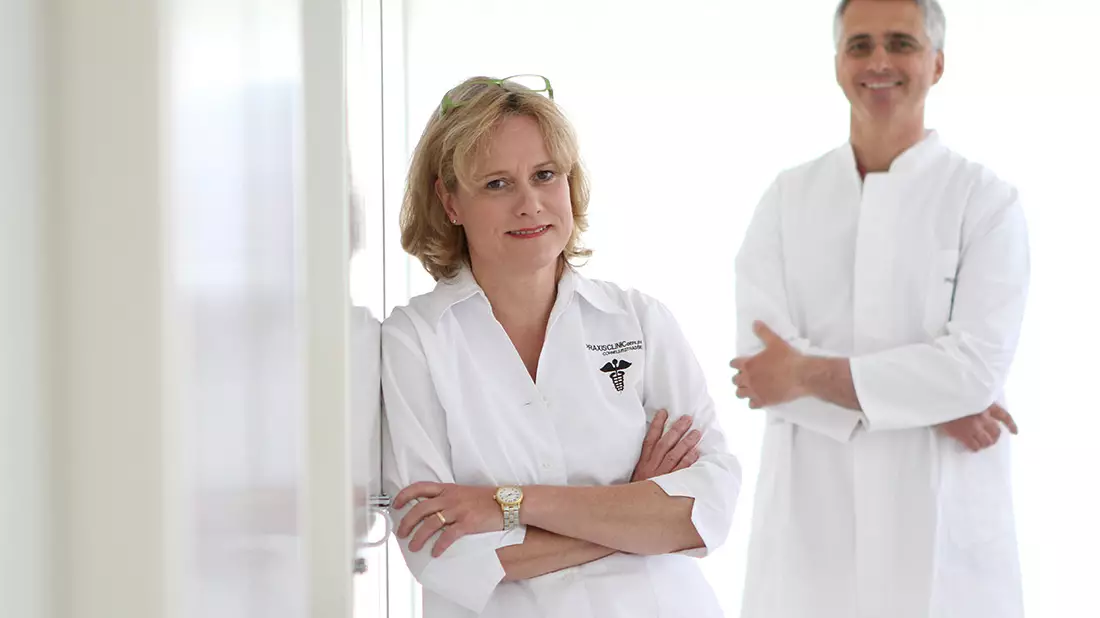
Arriving in a new country is exciting, but it can also be unsettling when it comes to health care. You may have left a trusted family dentist behind, and now you are trying to navigate a different language, a different insurance system, and unfamiliar medical standards. For many people, going to the dentist is already associated with anxiety; adding cultural and bureaucratic hurdles on top of that can make it tempting to postpone needed treatment again and again.
In Berlin, especially for international residents in the southwest districts around Steglitz, Schloßstraße, and Zehlendorf, the search often starts with a simple question: where can I find a modern, trustworthy Dental Practice that truly understands both the medical and emotional side of dental care, and where I can speak English without feeling misunderstood?
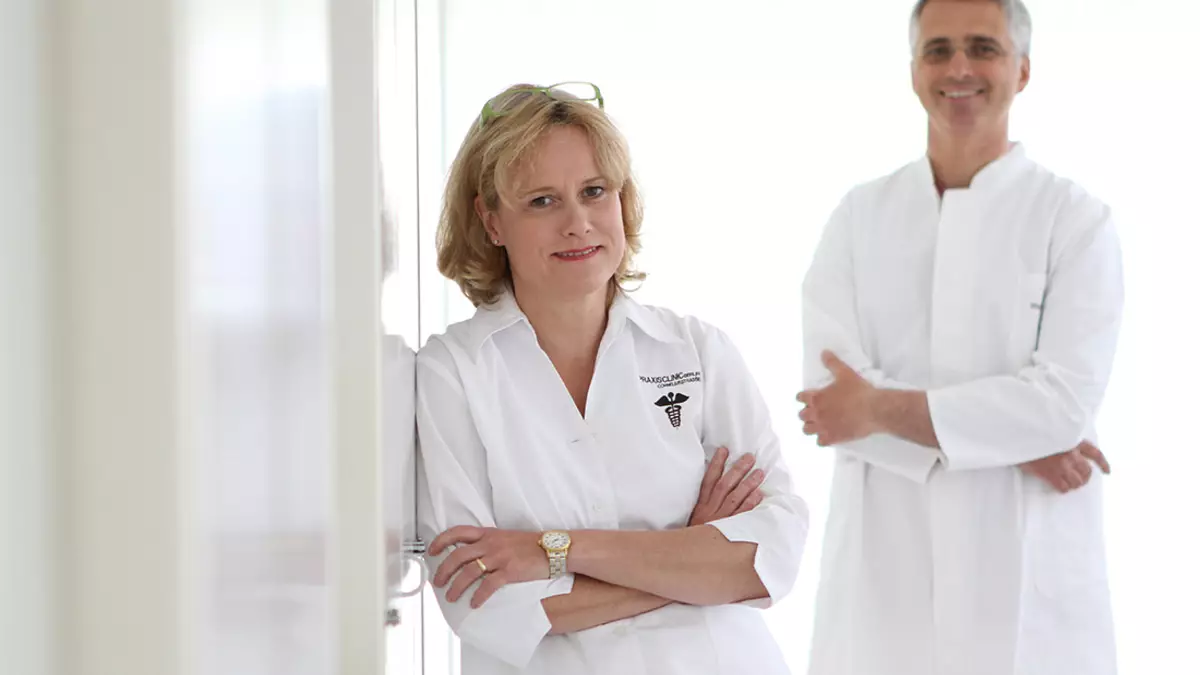
Zahnarzt-Praxis Berlin Steglitz (Dr. Djamchidi & A. Jannack) is a Dental Practice in Berlin Steglitz that addresses exactly this gap. Combining advanced implantology and oral surgery with meticulous tooth preservation, this practice offers something rare: the medically holistic perspective of a doctor with a double approbation (licensed physician and dentist), paired with a strong focus on endodontics and aesthetic dentistry. For expats and locals alike, this creates a level of safety and trust that goes far beyond routine dental care.
Before looking at the unique qualifications of the team, it is helpful to understand the specific challenges international patients often face in Germany. The German healthcare system is highly structured and can be confusing for newcomers. Many expats are unsure which treatments are covered by public insurance, which require private payments, and how second opinions or specialist referrals work. On top of that, key information, consent forms, and cost estimates are often provided only in German.
This context is especially stressful for dental treatment, where fear of pain, concerns about costs, and memories of past negative experiences all come together. Patients might worry that they will agree to a complex procedure without fully understanding the risks and alternatives. They may be unsure whether the recommended treatment is truly necessary or simply the most expensive option. That is why a transparent, English-speaking dentist who explains every step clearly and calmly is so valuable.
At Zahnarzt-Praxis Berlin Steglitz, the team is experienced in working with international patients who are new to German healthcare. Discussing your dental history, medication, and any chronic conditions in a language you are comfortable with is not a luxury; it is essential for safety. Especially in implantology, root canal treatment, and oral surgery, small misunderstandings in medical history can have large consequences. An English-speaking dentist who also understands the broader medical picture builds a bridge between your previous care abroad and your new life in Berlin.
Dental anxiety is another core theme. Many patients arrive after years of avoiding the dentist, sometimes with complex problems that now need careful, staged treatment. This practice approaches dental anxiety not as an inconvenience, but as a condition that deserves respect and structured support. That includes taking extra time at the beginning, offering minimally invasive procedures whenever possible, and, where appropriate, using gentle sedation or so-called twilight sleep to make longer visits more bearable.
One of the strongest reasons patients choose this Zahnarzt-Praxis is the rare combination of qualifications in implantology and oral surgery provided by Dr. Djamchidi. Holding a double approbation as both a medical doctor (physician/ENT specialist) and a dentist, he offers a truly dual perspective on treatment planning, especially for implants in the upper jaw close to the maxillary sinus floor. To understand why this matters, it helps to look briefly at the anatomy.
The upper back teeth are located just below the maxillary sinus, a hollow air-filled space that is part of the ENT region. When these teeth are lost and the bone shrinks over time, the remaining bone height between the mouth and the sinus can become very thin. In such cases, placing dental implants safely may require a procedure called a sinus lift. This involves gently elevating the sinus membrane and adding bone material to create a stable foundation for the implant.
Performing a sinus lift and inserting implants in this delicate zone is not simply a technical exercise. It demands a deep understanding of both dental structures and ENT anatomy: how the sinus is ventilated, how it drains, how nearby structures like the nasal cavity and surrounding blood vessels behave, and how existing sinus diseases or allergies might complicate healing. A physician trained in otolaryngology (ear, nose, and throat) is specifically educated in diagnosing and treating conditions of the sinuses, nasal passages, and upper airways.
As both an ENT specialist and a dentist, Dr. Djamchidi combines this broader medical insight with the precision of oral surgery. When planning implantology in the upper jaw, he can evaluate not only whether the bone is thick enough, but also whether the sinus itself is healthy, whether chronic sinusitis or anatomical variants might increase risk, and whether additional imaging or pre-treatment is necessary. This integrated view helps to minimize complications such as sinus infections after implant placement or issues with implant stability.
For the patient, the benefit is a sense of security: the person planning and carrying out the implant is not only a specialist in teeth and jaws, but also in the surrounding ENT region. Especially for expats who may have had complex medical histories, allergies, or previous ENT surgeries, this dual expertise can be decisive. It means that risk factors are more likely to be recognized at an early stage and that implantology is embedded into their overall health, not treated as an isolated technical procedure.
Beyond implantology, the double approbation has further safety implications. As a fully trained physician, Dr. Djamchidi is comfortable assessing general medical conditions such as cardiovascular disease, diabetes, autoimmune disorders, or medication interactions that can affect oral surgery and healing. Decisions about whether sedation or twilight sleep is appropriate can be made with professional confidence, considering the whole body rather than only the mouth. This is especially important when patients are taking anticoagulants, immune-modulating drugs, or multiple medications that may increase risks during oral surgery.
Another advantage is in diagnostic depth. When patients present with facial pain, tension headaches, or unclear pressure in the jaw area, it is not always obvious whether the source is dental, muscular, or ENT-related. A practitioner who understands all three dimensions can differentiate more precisely between problems like temporomandibular joint dysfunction, nerve pain, and sinus-related discomfort. This does not only lead to better treatment; it can prevent unnecessary procedures on teeth that are not actually the cause of the pain.
In practice, this means that your consultation with Dr. Djamchidi goes beyond counting cavities and checking x-rays. He brings a physician's habit of thorough anamnesis: asking about your general health, your medications, allergies, sleep quality, snoring, breathing difficulties, and past operations. This whole-body approach does not replace visits to other doctors, but it enriches dental decision-making with an added layer of safety and nuance that a purely dental view might miss.
While implants and oral surgery are central pillars of the practice, the other core philosophy is just as important: preserve natural teeth whenever sensibly possible. This is where the expertise of Annette Jannack comes into focus. As a dentist with advanced experience in endodontics and microscopic dentistry, she is dedicated to Zahnerhalt vor Zahnersatz – saving the tooth before replacing it.
Endodontics deals with the inner life of the tooth: the pulp chamber and root canals where nerves and blood vessels run. When deep decay or trauma leads to infection or inflammation in this area, the traditional choice was often between extraction and a painful, sometimes unreliable root canal. Modern endodontics has transformed this field. With magnification, improved instruments, and biocompatible filling materials, many teeth that were once considered lost can now be preserved for many years.
A high-quality root canal treatment begins with precise diagnosis. Digital radiographs and, when needed, three-dimensional imaging show the number, curvature, and condition of the root canals. Teeth in the back region often have complex anatomy with narrow, curved, or branching canals that are easy to miss without magnification. In this Dental Practice, microscopic dentistry plays a key role. By working with strong optical magnification, tiny structures become visible, including additional canals or fine cracks that could otherwise lead to persistent infection.
During the procedure, the tooth is isolated to maintain a dry, clean environment. The infected pulp tissue is carefully removed, and the canals are shaped and cleaned with flexible instruments designed to respect the natural curvature. Thorough disinfection with specific solutions is essential to eliminate bacteria from regions that instruments cannot fully reach. Once the canals are properly prepared, they are filled three-dimensionally with biocompatible materials that seal the space and prevent re-infection.
The aim of this meticulous approach is tooth preservation with long-term predictability. Instead of quickly extracting a tooth and replacing it with an implant or bridge, the team first evaluates whether endodontic treatment gives a realistic chance of success. Of course, this is not always possible: sometimes the tooth is too damaged or fractures make preservation unreliable. But when conditions are favorable, a carefully performed root canal treatment, followed by a stable, well-fitted crown, can offer excellent function and aesthetics.
This philosophy of tooth preservation benefits patients medically and financially. Every natural tooth kept in place supports the jawbone, maintains the natural bite, and avoids more invasive oral surgery. For expats unsure of their long-term stay in Berlin, keeping teeth rather than replacing them with complex prosthetics can also simplify future care if they later move to another country. At the same time, the practice provides honest guidance: if a tooth is unlikely to last even with endodontic treatment, they will explain why an implant or other solution might be more sensible in the medium term.
An important part of this process is transparent communication. Root canal treatment can sound intimidating, especially for patients with dental anxiety or those who had painful experiences with older techniques. In this practice, time is taken to explain what will happen, how pain is controlled, and why preserving the tooth is being recommended. Questions are welcomed; it is completely acceptable, and even encouraged, to ask for a second opinion if you are unsure. The goal is that the patient feels involved in the decision-making, not simply subjected to it.
Beyond advanced procedures, the practice recognizes that no high-tech treatment can replace consistent prophylaxis and tooth preservation strategies. Regular professional cleanings, early detection of caries, and targeted measures against gum disease are central to long-term oral health. The prophylaxis concept here is adapted to individual risk: diet, smoking, saliva composition, and previous dental history all influence how often professional cleaning should be scheduled and what products are most effective at home.
This preventive focus is particularly important for patients with implants or planned oral surgery. A clean, well-maintained mouth heals better and reduces the risk of peri-implantitis, the inflammation around implants that can lead to bone loss. During routine check-ups, the team does not just polish teeth; they also assess gum pockets, look for early signs of inflammation, and discuss habits that may be undermining dental health without the patient realizing it.
Many people carry old fears into every dental chair they sit in. For some, the mere smell of a Dental Practice or the sound of instruments can trigger intense stress. Others are embarrassed by the condition of their teeth after years of avoidance. At Zahnarzt-Praxis Berlin Steglitz, these feelings are taken seriously and never judged. The team understands that dental anxiety is often rooted in earlier experiences, sometimes even in childhood, and that it requires a combination of empathy, clear information, and modern pain control to overcome.
The process begins before any instrument is used. During the first conversation, patients are encouraged to openly describe their fears. This helps the dentist to adapt the pace and structure of the visit. For example, an anxious patient might first receive only a gentle examination and x-rays, with no invasive treatment on day one. Simply walking through the practice, meeting the team, and realizing that they are heard can already lower the tension.
When treatment is needed, minimally invasive techniques are used whenever possible. Local anesthesia is administered carefully, with time allowed for full numbness before work begins. For longer or more complex procedures—such as multiple extractions, extensive oral surgery, or repeated endodontic work—the option of sedation or twilight sleep can be discussed. Under twilight sleep, the patient remains able to breathe independently but is deeply relaxed and later remembers little, if anything, of the procedure.
As a physician as well as a dentist, Dr. Djamchidi is particularly well positioned to evaluate the medical suitability of such methods. This ensures that sedation protocols are matched to individual health conditions and medications. For some patients, especially those with strong reflexes or phobia, this can make the difference between avoiding treatment indefinitely and finally addressing long-standing dental problems safely.
Beyond conventional medicine, some patients appreciate complementary approaches such as gentle homeopathic support or herbal recommendations to ease tension or support the body after surgery. While these are not a substitute for scientific dentistry, they can be integrated thoughtfully, as long as they do not interfere with medications or healing. Here, too, clear, honest communication is central: the team explains where these methods may offer comfort and where evidence-based treatment is non-negotiable.
Finding the practice is straightforward for anyone living or working in Berlin's southwest. Located in Berlin-Steglitz not far from the lively Schloßstraße, the Dental Practice is embedded in a classic Altbau building that reflects the architectural character of the area. High ceilings, large windows, and traditional facades are typical for Steglitz and neighboring Zehlendorf, which combine residential charm with urban convenience.
One important detail, however, is that this is a historic building and not barrier-free. The practice is reached via stairs, and there is no elevator. This is a reality of many older Berlin houses and part of what gives the neighborhood its distinctive atmosphere, but it also means that patients with significant mobility limitations should discuss access in advance. The team can then help assess whether assistance is needed or recommend alternatives if the steps present too great an obstacle.
For many patients, the Altbau environment is part of the positive experience: it feels more like stepping into a classic Berlin apartment than a sterile clinic. The design and interior aim to be warm and welcoming, making it easier for anxious individuals to relax. Nearby, there are good public transport connections, and for those arriving by car, parking options in the surrounding streets are usually available, especially just off the main Schloßstraße. This central yet residential location makes the practice accessible from across Berlin's southwest, including Dahlem, Lankwitz, and the Zehlendorf area.
Knowing what to expect during your first visit can significantly reduce anxiety. At Zahnarzt-Praxis Berlin Steglitz, the patient journey is structured yet flexible, shaped by your individual needs, medical history, and comfort level.
The visit usually begins with registration and administrative formalities. For expats, this may include clarifying your insurance status (public, private, or international coverage) and how treatment plans and invoices are handled. The staff is used to guiding non-German speakers through these steps and can explain what each form means, so you are not signing anything you do not understand.
Next comes the anamnesis: a detailed medical and dental history. You will be asked about past illnesses, surgeries, medications, allergies, and previous dental treatments. This is especially thorough when implantology, oral surgery, or sedation might be needed. Chronic conditions such as diabetes, cardiovascular disease, rheumatologic problems, or autoimmune disorders are carefully noted, because they may influence healing and infection risk.
Afterward, a clinical examination of the mouth, teeth, and gums is performed. Depending on your situation, digital x-rays or other imaging may be taken. If you have brought previous x-rays or records from another country, these can be reviewed as well. The dual medical-dental expertise of the team allows them to notice not only obvious cavities, but also subtle signs of endodontic problems, early gum disease, or influences from the ENT region and general health.
Once this diagnostic picture is complete, the dentist discusses the findings in understandable language. You will hear not only what is wrong, but why it matters and what your options are. For example, if a molar shows a deep lesion near the nerve, they will explain the pros and cons of root canal treatment versus extraction and implant, including likely longevity, costs, and follow-up needs. If you prefer, you can ask for a second opinion within the practice or take the treatment plan home to think about it calmly or discuss it with family.
Transparency about costs is an important part of this conversation. In Germany, some services are fully or partly covered by statutory insurance, while others are private. The practice can provide written treatment and cost plans so that you know in advance what to expect. For expats with international insurance, this documentation can often be used to request pre-authorization or reimbursement.
When it comes to actual treatment, the scheduling is adapted to your preference and medical situation. Some patients like to have several shorter sessions; others, especially those coming from farther away in Berlin or abroad, prefer fewer, longer appointments, sometimes combined with sedation. Whatever the approach, pain control is always prioritized. Modern local anesthetics are highly effective, and there is no expectation that you should "just endure" discomfort.
Prophylaxis and follow-up care are integrated into the plan from the beginning. After an implant, for example, regular checks and professional cleaning around the implant are essential to maintain the bone and prevent inflammation. After endodontic therapy, the tooth will be monitored over time to ensure that the root canal remains infection-free. This long-term perspective is often what distinguishes a quick fix from sustainable care.
Throughout your journey with the practice, communication remains the central pillar. You are encouraged to ask questions, share concerns, and express if you feel overwhelmed. Especially for patients who have moved to Berlin from different healthcare cultures, having a dentist who takes the time to explain the "why" and "how" behind each step can transform the experience from something to fear into a partnership you can trust.
With so many practices in a city as large as Berlin, choosing where to receive dental care is an important decision. Zahnarzt-Praxis Berlin Steglitz (Dr. Djamchidi & A. Jannack) stands out for a combination of reasons that are particularly relevant to both local residents and the international community in Berlin's southwest.
Firstly, the unique double approbation of Dr. Djamchidi as both physician/ENT specialist and dentist creates an exceptional safety net in implantology and oral surgery. Few dental practices can offer such an integrated view of the maxillary sinus floor, nasal anatomy, and general health in relation to dental interventions. This is especially reassuring for patients requiring sinus lifts, complex implants, or treatments near sensitive anatomical structures.
Secondly, the strong focus on endodontics and microscopic tooth preservation by Annette Jannack ensures that your natural teeth are given every reasonable chance to be saved. The philosophy of Zahnerhalt vor Zahnersatz means that extraction and replacement are not the first reflex, but carefully weighed options when true preservation is no longer realistic. This gentle, conservative approach reflects international best practice in modern dentistry.
Thirdly, the practice is acutely aware of dental anxiety and the special needs of expats navigating a new healthcare system. As an English-speaking dentist team, they actively bridge language and cultural barriers, explain German insurance structures, and invite questions about every aspect of treatment. Options such as minimally invasive techniques, sedation, and twilight sleep are available for those who need extra support to receive necessary care.
Fourthly, the location in a classic Steglitz Altbau near Schloßstraße combines easy access to the wider Berlin-Südwest area with a distinctive local charm. While the historic building requires climbing stairs and is not barrier-free, this is communicated openly and honestly, and can be discussed in advance for patients with mobility needs. The atmosphere inside aims to be warm and personal rather than coldly clinical, helping patients feel more at ease.
Finally, the overall philosophy of the practice is one of partnership and transparency. From the first anamnesis through to long-term prophylaxis, the team invites you into the decision-making process. Whether you come with a simple question about tooth preservation, a desire for aesthetic improvements, or the need for a second opinion on complex implantology, you will find a Dental Practice that combines technical excellence with human empathy.
For expats and locals in Steglitz, Zehlendorf, and the broader Berlin southwest, Zahnarzt-Praxis Berlin Steglitz offers a rare blend of scientific depth, holistic medical understanding, and genuine respect for the patient experience. It is a place where the word Zahnarzt no longer needs to trigger anxiety, but can instead stand for trustworthy, modern, and compassionate care in the heart of your new home city.
If you are ready to take the next step toward stable, healthy teeth in an environment that understands both your medical needs and your life as an international resident, arranging a consultation is straightforward and can be the beginning of a long-term, trusting partnership with your dentist in Berlin.
Disclaimer regarding our articles: No investment advice, no buy or sell recommendation. Information on prices, companies, and markets is provided without guarantee; changes are possible at any time. Stock market transactions can lead to substantial losses. Our articles are created and reviewed in whole or in part automatically with the support of AI.